Flowers That Grow in Russia: A Practical Guide
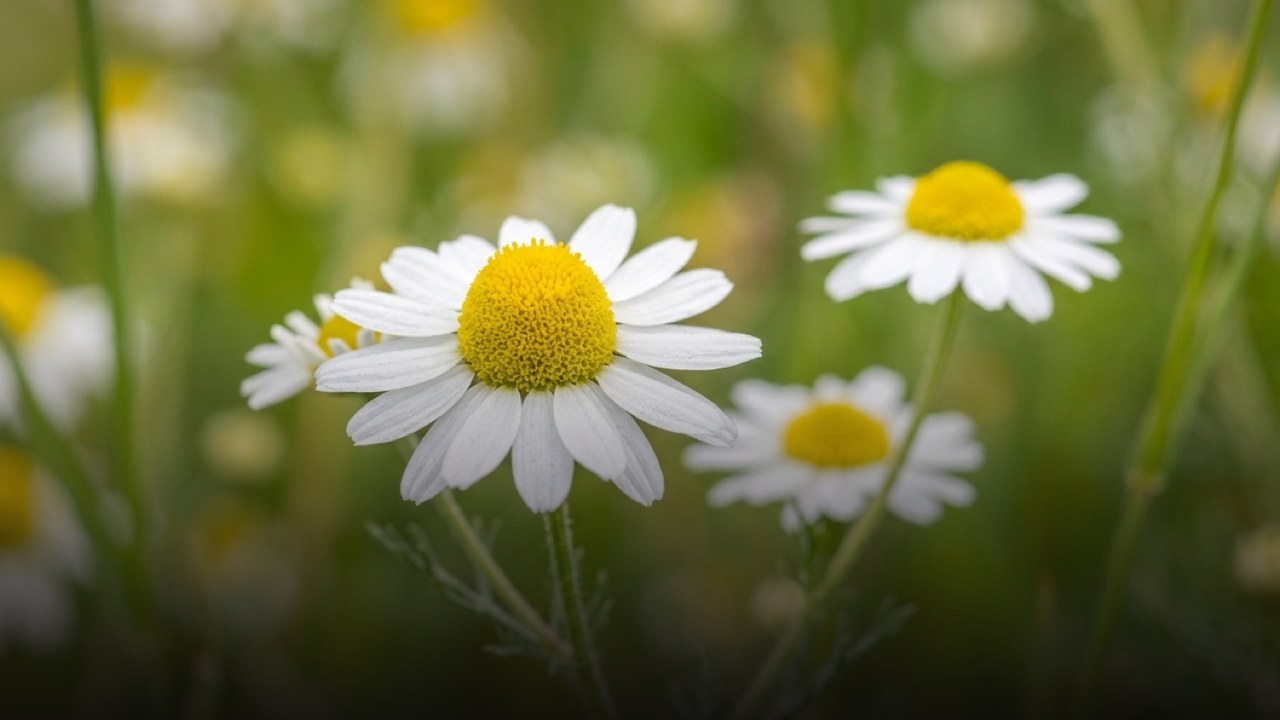
Flowers that grow in Russia include wild species such as cornflowers, fireweed and oxeye daisies, as well as garden favourites including tulips, peonies, roses, phlox and asters. What grows outdoors depends on the region: a sheltered garden in southern Russia has a different flowering season from a northern woodland or a garden in Siberia.
For choosing a gift, it helps to separate three questions: which flowers are native, which people cultivate, and which are available as cut flowers when you order. Those categories overlap, but they are not interchangeable. Here is how to recognise familiar Russian flowers, understand their seasons and choose a bouquet that suits the person receiving it.
Wildflowers you may recognise in Russia
Cornflowers are associated with open fields and disturbed ground, while oxeye daisies bring white petals and yellow centres to meadows. Fireweed produces tall spires of pink-purple flowers and often grows in clearings. These are useful examples of flowers found in Russia, although their presence varies with habitat and region; no single meadow represents the whole country.
Woodland flowers have their own rhythm. Lily of the valley grows in suitable woodland habitats and is also cultivated in gardens. Its small white bells are familiar, but every part of the plant is poisonous if swallowed. Keep it away from children and pets, and never treat its flowers or berries as edible decorations.
A photograph is a better souvenir than a handful of unfamiliar wildflowers. Some species are protected, and collecting rules depend on the species and location; picking plants in a nature reserve may also be prohibited. If you want a meadow-style gift, describe the loose shape, small flowers and airy greenery you like rather than asking for plants collected from the wild.
Flowers commonly grown in Russian gardens
Tulips and daffodils are familiar spring garden bulbs, followed by favourites such as peonies, irises and various lilies as the growing season progresses. Later displays often include phlox, dahlias and asters. These names describe a broad garden tradition, not a fixed national calendar: varieties, planting conditions and local weather all affect when flowers open.
Peonies suit someone who enjoys rounded, generous blooms, while irises offer a more sculptural shape. Phlox is valued for clusters of flowers and, in many varieties, fragrance. If you are choosing for a person sensitive to scent, ask about the particular flowers being considered. A familiar flower name alone does not tell you how strongly a finished bouquet will smell.
Roses also grow in Russian gardens, but successful outdoor cultivation depends on the variety, site and winter care. Seeing roses in a southern garden does not establish that the same variety will thrive further north. For a broader look at flowers people grow and give, read our guide to common flowers in Russia.
Bouquets we can deliver




How region and season change what is flowering
Russia spans very different climates, so treat precise flowering dates with caution. Spring bulbs may already have finished in one region while another is only beginning to warm up. If you are planning around a flower you remember from childhood, mention the town and the occasion rather than assuming that it blooms everywhere during the same week.
A useful general sequence is spring bulbs, then many early-summer perennials, followed by later-summer and autumn garden flowers. It is a guide to outdoor flowering, not a promise of bouquet availability. A flower growing in a garden nearby may be unsuitable for cutting, and a cut flower offered for a gift does not establish that it is currently flowering outdoors.
For an anniversary or birthday, start with the delivery date and then explain your preferences. Give a first-choice flower, a colour palette and the quality that matters most, such as fragrance or an informal shape. That makes it easier to discuss a suitable bouquet if your original idea is unavailable, without treating every pink flower as an equivalent choice.
Choosing flowers with Russian gift etiquette in mind
For celebrations in Russia, an odd number of flowers is the usual convention when individual stems are clearly counted; even numbers are traditionally associated with mourning. This is particularly relevant to a small bouquet of roses or tulips. In a mixed arrangement with branching stems, counting is less straightforward, so explain the occasion when discussing the bouquet.
Colour meanings are less rigid than online flower dictionaries suggest. Red roses often convey romance, but yellow flowers do not carry one universal message for every recipient. Personal associations matter more: someone may love yellow tulips because they grew in a family garden. If you know a favourite flower or colour, that is a stronger starting point than a supposed secret code.
Match the gesture to your relationship. A romantic bouquet may suit a partner, while a softer mixed arrangement can work for a relative, friend or teacher. Add a clear card message if there is any chance of ambiguity. With Turboflora, a card with your text is free, and delivery is anonymous by default: the courier does not name the sender.
Caring for familiar cut flowers at home
Start with a clean vase, fresh water and clean cutting tools. Recut the stem ends and remove foliage that would sit below the waterline, because submerged leaves encourage deterioration. If flower food is supplied, follow its directions rather than guessing the concentration. Check the water daily and refresh it when it becomes cloudy, cleaning the vase as needed.
Tulips can keep growing and curve towards light after cutting, so leave room for their shape to change. Give peonies space as their buds open; tight buds do not all develop at the same speed. Keep bouquets away from radiators, strong direct sun and ripening fruit. These simple placement choices help you avoid heat and conditions that can shorten vase life.
Daffodils need particular care in mixed arrangements because freshly cut stems release sap that can affect other flowers. Condition them separately and ask for specific guidance before combining them at home. If a bouquet contains true lilies, keep it away from cats: pollen, plant parts and vase water can all be dangerous. Choose other flowers for a home with cats.
How to arrange flower delivery in Russia from abroad
Begin with the recipient's city, address, delivery date and the kind of bouquet you have in mind. You can browse the bouquets catalogue, then contact a manager on WhatsApp for help choosing flowers and agreeing the time, address and card text. You can also request a photo of the bouquet before delivery.
We deliver flowers across Russia. City delivery costs 500 RUB; for remote districts and suburbs, the operator confirms the price when confirming the order. In large cities, express delivery takes 1–2 hours after order confirmation. Other options are an exact time with a tolerance of plus or minus 30 minutes, windows of 09–12, 12–15, 15–18 or 18–21, and pre-ordering 1–30 days ahead.
The courier calls the recipient about 15 minutes before arrival. If the recipient is absent, we agree a second delivery that day or, with your consent, hand the flowers to a neighbour or concierge. Online checkout uses CloudPayments; check the options displayed there for your card. You can review our delivery and payment information before placing the order.
Frequently asked questions
What flowers grow naturally in Russia?
Examples include cornflowers, fireweed, oxeye daisies and lily of the valley in suitable habitats. Their distribution varies by region, and a flower found in Russia is not necessarily unique to Russia.
Do roses and peonies grow in Russia?
Yes, both are cultivated in Russian gardens. Suitable varieties and growing conditions depend on the region, and outdoor flowering does not determine what is available for a bouquet on a particular date.
When do flowers bloom in Russia?
Outdoor flowering generally progresses from spring bulbs to summer perennials and later flowers such as asters. Exact dates vary considerably with region, weather and variety, so there is no single flowering calendar for the whole country.
Can I pick wildflowers while visiting Russia?
Do not assume that you can collect a flower simply because it is abundant. Protection rules vary by species and location, and nature reserves may restrict picking; photograph unfamiliar plants and leave them growing.
Can I order flowers to Russia using a foreign card?
Online checkout uses CloudPayments, but acceptance of every foreign card is not guaranteed. Check the payment options displayed at checkout, and contact the manager on WhatsApp if you need help agreeing the order details.
Ready to send flowers?
Pick the city, choose the bouquet, and a local florist takes it from there.
Choose a city →