Odd Numbers Only: Russia's Flower Stem Rule Explained
You have chosen the flowers, written the message, and entered the delivery address — then you notice the bouquet contains twelve roses and something feels off. In Russia, that feeling has a name. The rule about odd numbers of stems is one of the oldest and most consistently observed customs in the country, and if you are ordering from abroad or simply unfamiliar with it, it can catch you completely by surprise. Understanding why it exists, and what a good florist does to honour it, means your bouquet arrives carrying exactly the warmth you intended.
Where the Rule Comes From and Why It Still Matters
The association between even numbers of flowers and mourning runs deep in Russian culture. Even-numbered bouquets are traditionally brought to funerals and left at graves, which means an even-count arrangement given to a living person carries an uncomfortable shadow — even if no one in the room says a word about it. The custom is not a superstition held only by older generations. Younger Russians in their twenties and thirties are equally aware of it, and many feel a quiet discomfort when they receive an even count, even if they cannot immediately articulate why.
This is not a written law or a florist's industry rule. It is a deeply embedded social norm, the kind that operates below conscious thought. A recipient may smile and thank you genuinely, but somewhere in the back of their mind the number registers. That is precisely why professional florists in Russia treat it as an absolute standard rather than a preference. At Turboflora, every arrangement is counted before it leaves — whether it is three stems of garden ranunculus or twenty-three branches of white spray chrysanthemum. The number is always checked, always odd, and never left to chance.
Bouquets we can deliver

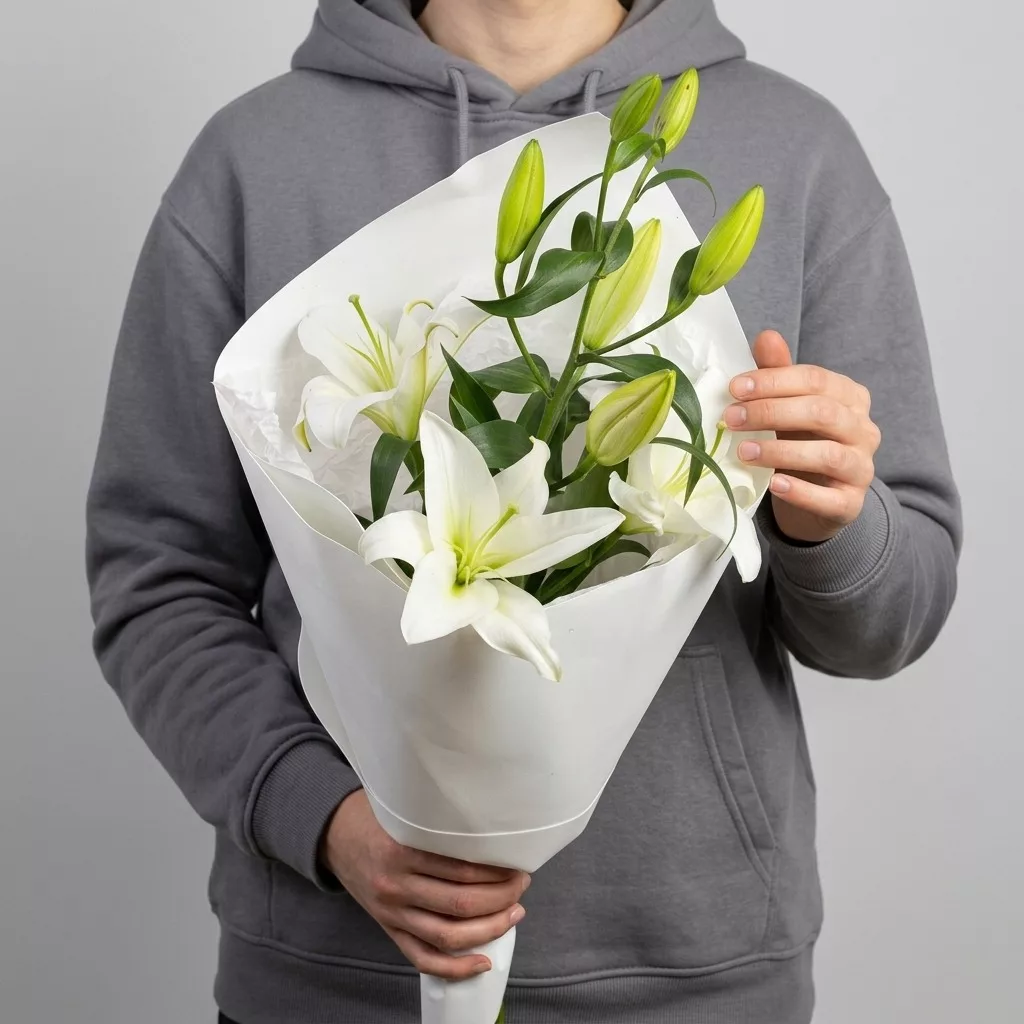
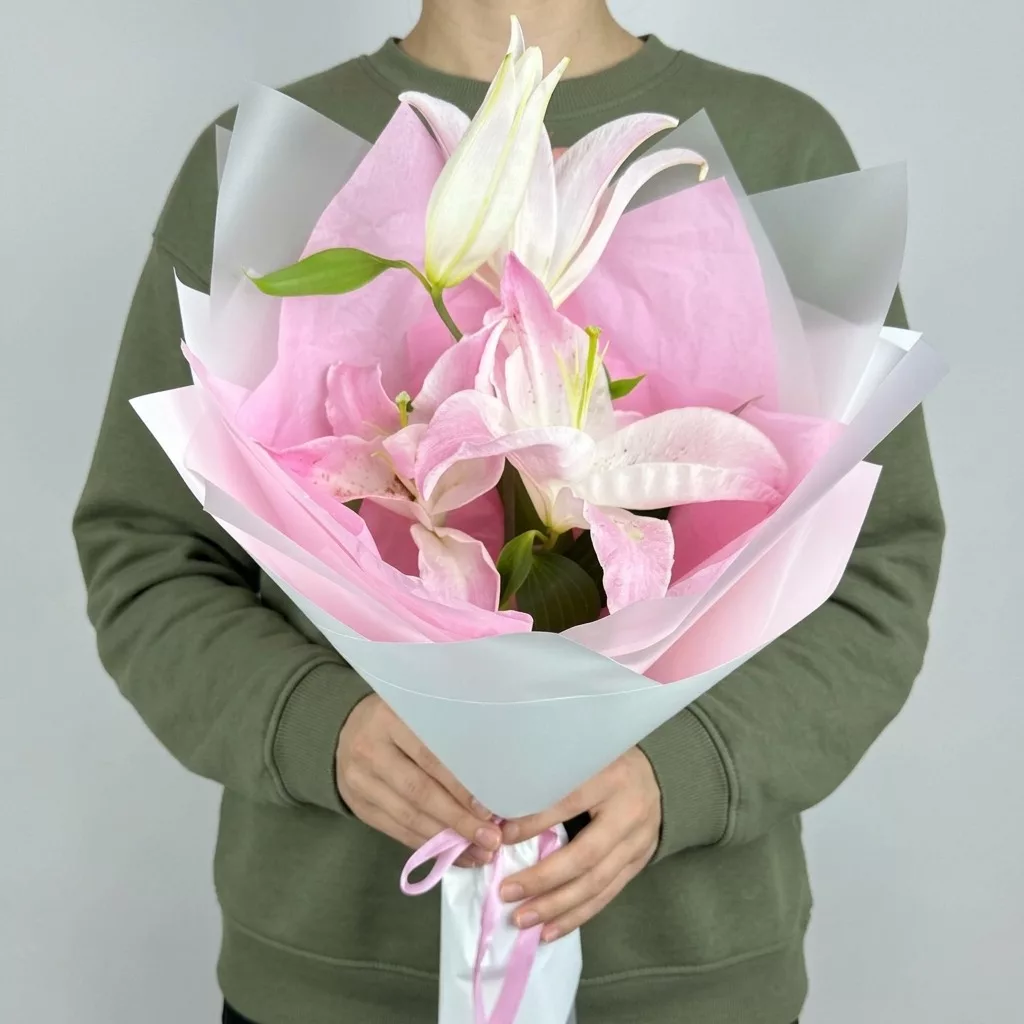
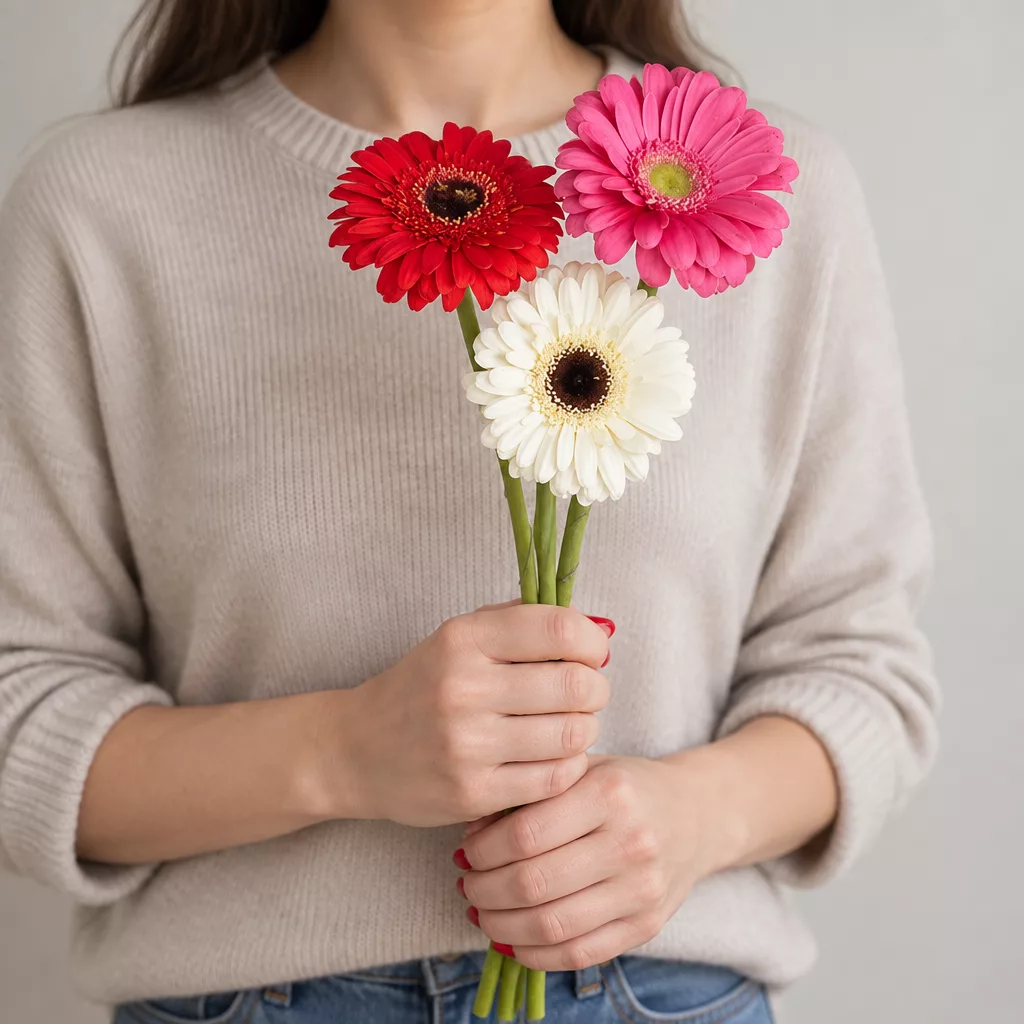
What Counts as a Stem — and What Does Not
One of the most common points of confusion for international customers is understanding what actually gets counted. The rule applies to individual flower stems, not to the total number of blooms on a stem. A single branch of lilac carries dozens of tiny florets, but it counts as one stem. A spray rose with five open blooms on branching stems is still one stem. What matters is how many distinct stalks you are placing in water — that is your count.
This distinction matters enormously when you are working with mixed bouquets. A combination of seven tulips, five anemones, and three stems of eucalyptus adds up to fifteen — odd, and perfectly correct. Change those anemones to six and you are suddenly at sixteen, which crosses the line. Experienced florists think in these terms automatically, adjusting filler stems or greenery to keep the total where it needs to be without the adjustment ever being visible in the finished arrangement.
Single-variety bouquets are simpler to manage. Twenty-five red peonies, eleven white garden roses, thirty-one stems of freesia — these are clean, easy counts. Mixed seasonal arrangements require more attention because the florist is balancing colour, texture, proportion, and stem count all at once. When a customer specifies a number that is even, the florist's job is to resolve the conflict gracefully, which brings us to what actually happens in that situation.
When You Order an Even Number: What Turboflora Does
If a customer places an order specifying an even number of stems — say, ten roses or twenty tulips — the florist does not simply build the bouquet as requested. The count is adjusted upward by one stem, bringing it to eleven or twenty-one. This is standard practice across every reputable flower shop in Russia, and customers who know the custom expect it. Those who do not know it are always better served by the corrected bouquet than by a technically accurate one that carries the wrong cultural signal.
At Turboflora, if the adjustment changes the visual weight of the bouquet significantly, the customer is notified before the arrangement is made. A jump from ten to eleven roses is barely noticeable. A jump from two to three stems of large-headed peonies in late May, when they are at their fullest, is a more meaningful change and worth a brief conversation. The goal is always a bouquet that the recipient opens and immediately feels the intention behind — celebration, affection, admiration — without any cultural static getting in the way.
Customers ordering from outside Russia sometimes push back, wondering if the rule is being used to upsell. It is not. The extra stem is included at no additional charge when the adjustment is minor. The priority is that the bouquet lands correctly, because a flower delivery that creates confusion or discomfort in the recipient has failed at its only real job.
Choosing the Right Odd Count for the Occasion
The number itself communicates something beyond parity. Three stems feel intimate and minimal — a single bloom of garden rose, one branch of waxflower, one stem of eucalyptus can be quietly beautiful, but three is also the smallest odd count and reads as a gesture rather than a statement. Five to nine stems sit in comfortable middle ground, suitable for birthdays, thank-you gestures, and casual romantic moments. Eleven to fifteen stems signal genuine thoughtfulness without tipping into extravagance.
For significant occasions — a first anniversary, a graduation, a milestone birthday — twenty-one, twenty-five, or thirty-one stems carry real visual weight and make an immediate impression when the door opens. Bouquets of fifty-one or one hundred and one stems exist and are ordered for grand romantic declarations, though at that scale the presentation and wrapping become as important as the flowers themselves.
Seasonal variety influences what counts feel natural. In February, when Dutch tulips arrive in quantity and Russian tulip farms are still weeks from harvest, a bouquet of fifteen or nineteen mixed-colour tulips is a strong choice. In June, when garden roses from domestic growers are at peak quality and peonies overlap with the first dahlias, a mixed arrangement of twenty-three stems can hold half a dozen varieties without feeling crowded. In late autumn, when chrysanthemums dominate the market and spray varieties give you more visual coverage per stem, eleven stems can fill a vase impressively. Let the season guide the count as much as the occasion does.
Combinations That Work Beautifully at Every Odd Count
Three stems done well require confidence. A single large garden rose in blush pink, one stem of dusty miller for silver contrast, and one branch of wax flower creates something a recipient can place in a small bud vase on a desk and look at for a week. The restraint is the point.
At seven stems, combinations open up. Three white ranunculus, two stems of green hellebore, and two branches of ruscus give you a bouquet that photographs beautifully and holds for seven to ten days in a cool room. Seven stems of single-colour French tulips — all coral, all cream, or all deep violet — is a cleaner choice that never reads as an afterthought.
Fifteen stems allow real layering. A base of five stems of white lisianthus, five stems of pale pink spray roses, and five stems of silver brunia creates texture without chaos. Lisianthus is particularly forgiving in transit because its petals are thick and it does not bruise the way open garden roses do — an important consideration when you are delivering across a city in July heat or January frost.
At twenty-five stems, proportion becomes the main design challenge. Mixing large-headed flowers like peonies or sunflowers with medium flowers like alstroemeria and fine filler like wax flower or gypsophila keeps the bouquet from looking top-heavy. A florist who understands stem heights and how flowers open over time will build the arrangement so it looks even better on day three than it did on day one.
Making the Bouquet Last: Care After Delivery
A bouquet of twenty-one stems of mixed spring flowers arrives and the recipient immediately puts it in a vase — but which vase, with how much water, and at what temperature in the room? These details determine whether the flowers last four days or ten, and they are worth including in a card note or delivery message if you know the recipient is not an experienced flower keeper.
The single most important step is a fresh diagonal cut on every stem, made with a sharp knife rather than scissors. Scissors compress the stem tissue and reduce water uptake. A clean diagonal cut with a blade, made under running water or immediately before placing the stem in water, keeps the channel open. Tulips and ranunculus are especially sensitive to this — a blunt cut on a tulip stem will cause it to droop within twenty-four hours even in a full vase.
Water temperature matters more than most people realise. Most cut flowers prefer cool water between twelve and sixteen degrees Celsius. Roses and lisianthus are comfortable in this range and will last eight to twelve days with clean water and daily stem refreshes. Tropical varieties like anthurium prefer slightly warmer water and should never be stored below ten degrees. In winter, this means keeping the vase away from cold windowsills even though the room feels warm — the glass conducts cold directly to the water.
Change the water every two days, re-cut the stems each time, and remove any leaves sitting below the waterline. Decaying leaves contaminate the water faster than almost anything else and shorten vase life significantly.
The odd-number rule is one of those customs that seems small until you understand what it protects — the feeling a person has when they open the door and receive flowers meant entirely for them. Getting the count right is not a technicality. It is the difference between a bouquet that lands with full warmth and one that creates a flicker of confusion the giver never intended. Every arrangement Turboflora sends across Russia is built with this in mind, because the flowers are only doing their job properly when the recipient feels exactly what you wanted them to feel.
Frequently asked questions
Is the odd-number rule followed everywhere in Russia or just in certain cities?
The custom is observed across Russia — in Moscow, Saint Petersburg, Kazan, Novosibirsk, and smaller cities alike. It is a nationwide cultural norm rather than a regional one. Florists throughout the country apply it automatically, and recipients in every part of Russia are aware of the association between even numbers and mourning.
Does the rule apply to potted plants as well as cut flowers?
No. The odd-number rule applies specifically to cut flower stems in a bouquet. Potted plants, orchids in decorative pots, and planted arrangements are not subject to the same counting convention. If you are sending a single potted plant as a gift, there is no cultural concern about the number of blooms or stems it carries.
What if I want a very minimalist bouquet — is one stem acceptable?
One stem is technically odd and culturally neutral, but in practice a single stem reads as a very personal, intimate gesture rather than a celebration. A single large-headed peony or garden rose can be beautiful, but it works best when the context is clear — a quiet thank-you or a romantic note — rather than for a birthday or congratulatory occasion where more presence is expected.
Can I request a specific odd number, or does the florist decide?
You can absolutely specify the count. Choosing twenty-one roses or thirty-one tulips is entirely reasonable and many customers do it deliberately. The florist will honour your number as long as it is odd. If you specify an even number, the florist will adjust upward by one stem and let you know before the arrangement is completed.
Does the rule apply to flower compositions inside a box or hat box?
Yes. Whether the arrangement is wrapped in kraft paper, presented in a round hat box, or assembled in a wooden crate, the stem count still applies. The format of the presentation does not change the custom. Florists count stems regardless of how the final arrangement is packaged, so a box of flowers follows exactly the same odd-number standard as a traditional hand-tied bouquet.
Ready to send flowers?
Pick the city, choose the bouquet, and a local florist takes it from there.
Choose a city →