Which Flowers Should Never Share a Vase Together
You arrange a beautiful mixed bouquet, fill the vase with fresh water, and by the next morning half the stems are drooping. The flowers did not wilt because of the heat or a dirty vase — they poisoned each other. Certain flowers release compounds into the water that are genuinely toxic to their neighbours, and knowing which combinations to avoid is one of the most practical things a flower lover can learn. This guide walks through the most common incompatible pairings, explains exactly why they clash, and tells you how to display each flower so it lasts as long as possible.
Why Narcissi and Tulips Are the Classic Troublemakers
This is the pairing florists warn about most often, and for good reason. Narcissi — daffodils and all their relatives — secrete a sticky sap called narcissine from their freshly cut stems. When that sap dissolves into shared vase water, it blocks the vascular tissue of tulips, preventing them from drawing up moisture. A tulip placed in the same water as narcissi will wilt within hours even if the water looks perfectly clean.
The fix is straightforward once you know it. Cut your narcissi and place them alone in a separate vase of cool water for at least six hours, ideally overnight. During that time they purge most of the harmful sap. After that conditioning period you can combine them with tulips — but do not recut the narcissus stems before transferring them, because a fresh cut releases a new surge of sap. Simply lift them out and add them gently to the mixed arrangement.
Tulips themselves are sensitive flowers in general. They continue to grow after cutting, sometimes adding two or three centimetres in the vase, which means they will lean and curve toward light. Keep the vase away from direct sun and strong drafts. Water temperature matters too: tulips prefer cool water around 10 to 12 degrees Celsius, which slows their movement and keeps petals firm longer. A vase placed in a cool room overnight can extend their life by a full day or two compared with one left in a warm living room.
Bouquets we can deliver

Roses and the Flowers That Struggle Beside Them
Roses are the most gifted flowers in any arrangement and also among the most demanding neighbours. The main issue is bacteria. Rose stems, especially thick modern hybrid tea varieties like the deep-red Explorer or the creamy garden rose Patience, carry a heavy bacterial load from their dense foliage and thorns. That bacteria multiplies quickly in vase water and clogs the stems of more delicate companions such as sweet peas, anemones, and ranunculus.
Lilies of the valley are particularly vulnerable next to roses. They are small, thin-stemmed, and drink through tiny capillaries that block almost immediately when the water turns cloudy. In a mixed vase with roses, lilies of the valley typically last only a day or two. On their own in fresh, cool water changed daily, they can hold for five to six days.
The practical approach is to strip every leaf from rose stems below the waterline before arranging — leaves rot fast and feed bacteria directly. Change the vase water every two days rather than every three. If you want roses alongside delicate flowers, choose companions with similarly robust stems: lisianthus, spray carnations, or solidago all coexist well with roses and share a similar tolerance for slightly warmer water. Avoid placing roses with any flower that has a milky or coloured sap, because those saps interact poorly with the bacterial environment that roses naturally create.
Why Lily Pollen Is a Problem Beyond Just Staining
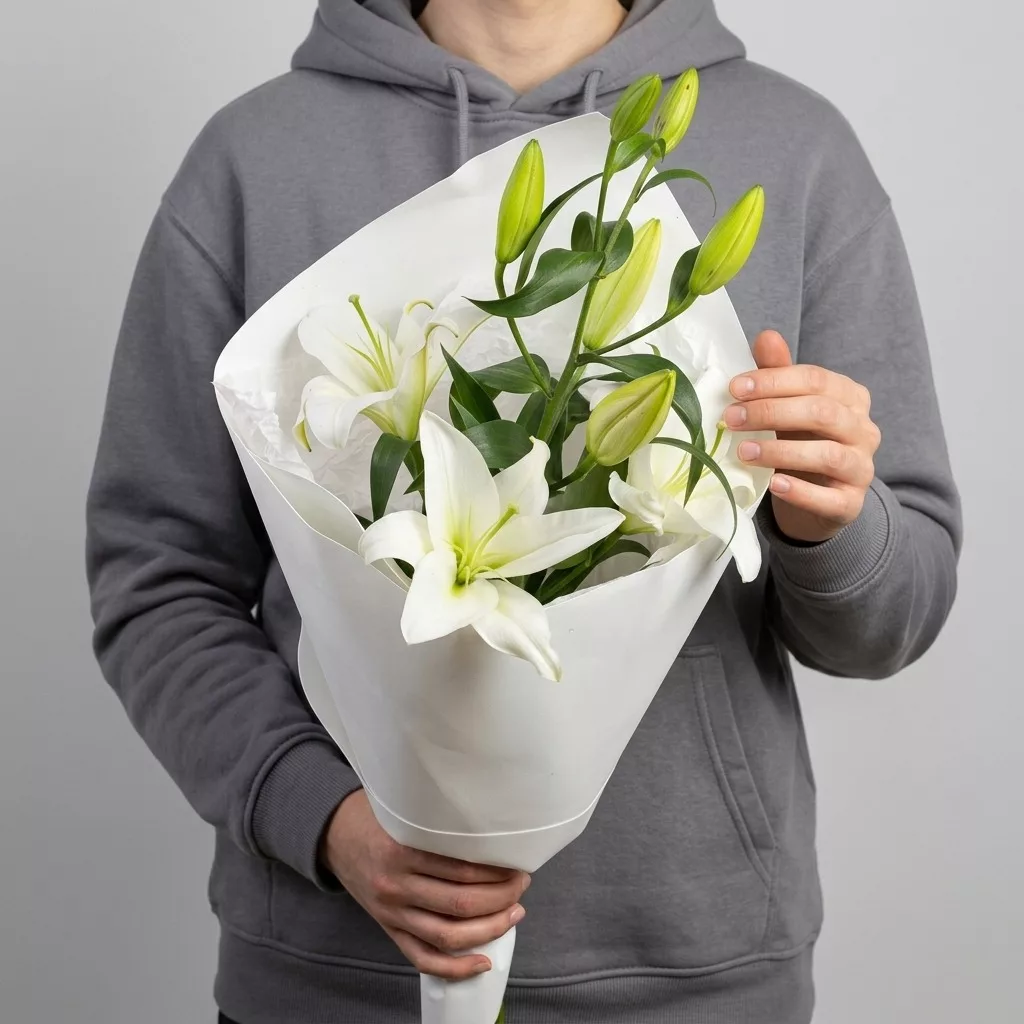
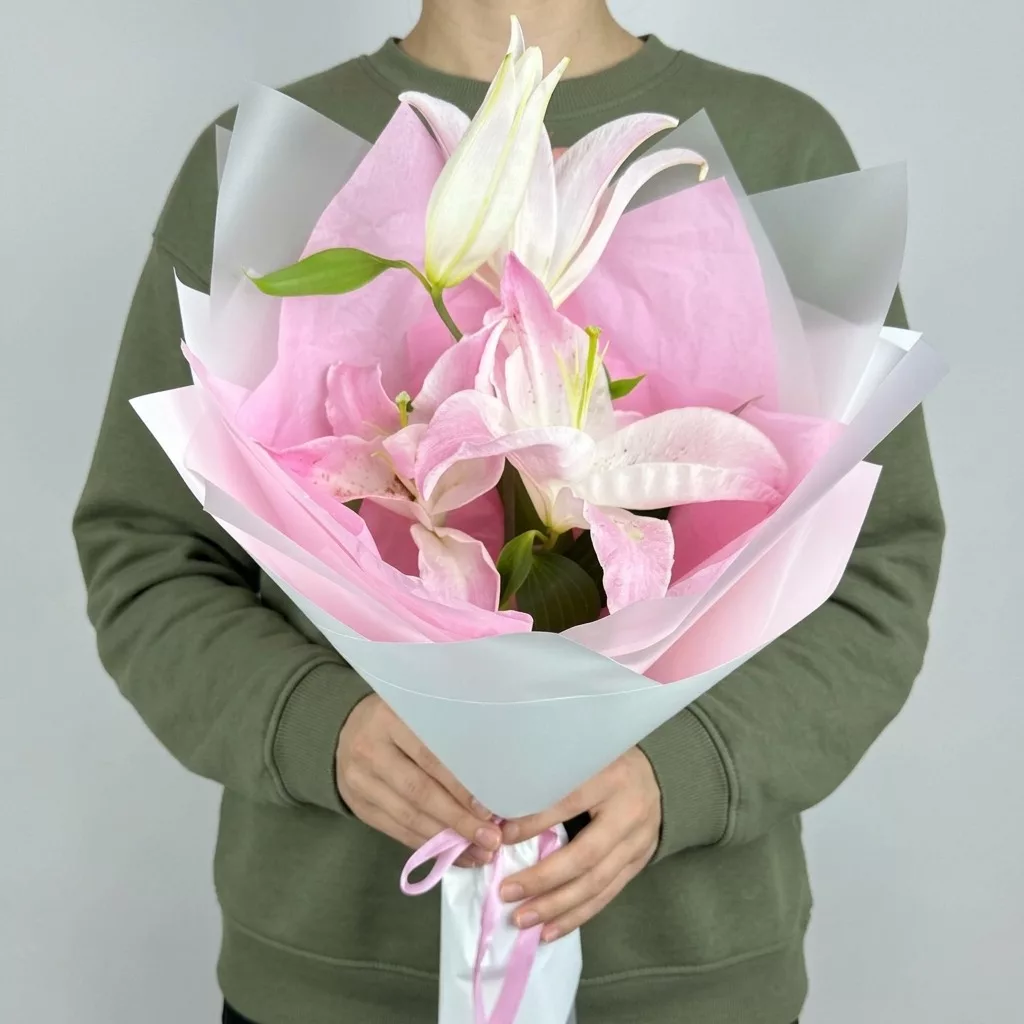
Oriental lilies — the large, intensely fragrant varieties like Stargazer, Casa Blanca, or Siberia — are showstoppers in any arrangement. But their open anthers release pollen that causes two distinct problems. The obvious one is staining: that orange-yellow dust lands on petals, tablecloths, and clothing and is nearly impossible to remove once it has been pressed in. The less obvious problem is that pollen falling onto neighbouring flower petals, particularly roses and peonies, accelerates their ageing. The pollen carries enzymes that trigger ethylene production in the receiving flower, essentially signalling it to age faster.
Remove lily anthers as soon as the buds begin to open. Use a tissue or a small pair of scissors — never your fingers, because the oils on skin spread the pollen further. This also extends the lily's own vase life slightly, as the flower no longer directs energy toward seed production.
Lilies also release ethylene gas as they mature, which is harmful to several companions. Carnations are especially sensitive: ethylene causes their petals to curl inward and drop within a day of exposure to a fully open lily. Roses and tulips are moderately sensitive. If you want lilies in a mixed arrangement, choose companions that are ethylene-tolerant: chrysanthemums, orchids, and tropical flowers like anthuriums handle lily proximity well. Keep the arrangement away from ripening fruit, which also releases ethylene and will shorten every stem in the vase.
Herbs, Foliage, and the Scent That Overwhelms
Fresh herbs from the kitchen — mint, basil, rosemary — have become popular additions to flower arrangements, and they can look genuinely beautiful alongside garden roses or wildflower mixes. The problem is that many herbs release aromatic oils into the water that irritate the vascular systems of delicate flowers. Mint is the most aggressive offender. Its oils are strong enough to cause premature wilting in sweet peas, freesias, and ranunculus within twenty-four hours.
Basil is slightly gentler but still problematic with thin-stemmed flowers. Rosemary, being woody, is actually one of the safer herb choices because its oils release slowly and it tends to draw very little water, reducing the concentration of compounds in the vase. Eucalyptus is a different case entirely: it is one of the most popular foliage choices in Russian celebrations and wedding arrangements, but it produces a compound called cineole that is directly damaging to roses and lilies. Many people notice their roses drooping unusually fast in eucalyptus-heavy bouquets and blame the florist or the flowers, when the real cause is the foliage.
If you love the look of herbs or eucalyptus with flowers, use them in a separate vessel and arrange them close together visually without sharing water. Alternatively, seal the cut ends of eucalyptus stems by dipping them briefly in boiling water for ten seconds before arranging — this reduces the rate at which cineole leaches into the vase water and gives your roses a fighting chance.
Mixing Spring Bulb Flowers: What Goes Wrong and When
Spring bulb flowers — tulips, hyacinths, narcissi, muscari, and fritillaria — look wonderful together on a market stall but are surprisingly difficult to mix successfully in a vase. Hyacinths are the main concern after narcissi. Their stems exude a mucilaginous sap that makes the water thick and slightly cloudy, which clogs the stems of tulips and anemones quite rapidly. You will notice tulips in a hyacinth-heavy arrangement beginning to droop at the neck rather than the tip, which is a classic sign of blocked stem tissue rather than dehydration.
Muscari, the small grape hyacinth, is less aggressive than its larger relative but still problematic with thin-petalled flowers. Fritillaria releases a mild compound that most flowers tolerate, making it one of the safer bulb companions if you want variety in a spring display.
The best approach with spring bulb flowers is to group similar types together. Tulips mix very well with ranunculus and anemones, which share similar water preferences and cause no chemical interference. Narcissi, after the conditioning period described earlier, work reasonably well alongside muscari once purged. Hyacinths are most beautiful on their own or with robust foliage like ruscus or pittosporum, which are not affected by their sap. Keep all spring bulb arrangements in cool conditions — a temperature of 15 to 18 degrees Celsius extends vase life significantly compared with a heated room above 22 degrees.
The Ethylene Sensitivity Scale Every Flower Buyer Should Know
Ethylene is a natural plant hormone that triggers ripening and ageing, and it is released by flowers as they mature, by damaged plant tissue, and by certain fruits. Some flowers produce and respond to ethylene far more than others, and placing a high producer next to a high responder is one of the most common causes of a bouquet collapsing faster than expected.
High ethylene producers include lilies, carnations, and any flower with a strong fragrance. High ethylene responders — meaning flowers that age rapidly when exposed to it — include sweet peas, freesias, snapdragons, and lisianthus. Placing a fully open Oriental lily next to a bunch of freesias is almost guaranteed to cost you a day or two of vase life on the freesias. Carnations are unusual in that they both produce and respond to ethylene, which is why a carnation arrangement that includes one wilted stem will often cause the others to deteriorate faster.
Practically speaking, keep highly fragrant flowers in their own vase or at least away from the most sensitive companions. Remove any dying flower immediately — do not leave it in the arrangement hoping it will recover. A single rotting stem releases a concentrated burst of ethylene that can visibly age its neighbours within hours. Florists sometimes use a commercial ethylene inhibitor called 1-MCP, but at home the best tools are cool temperatures, good air circulation, and prompt removal of anything past its prime.
Presentation Ideas That Keep Incompatible Flowers Together Visually
Knowing that certain flowers cannot share water does not mean you have to give up the combinations you love. The solution is to display them in separate vessels arranged close together so that they read as one composition. This is actually a technique used regularly in professional event styling and works beautifully on a dining table or windowsill.
Use three small vases of different heights rather than one large mixed arrangement. Place your narcissi in one, your tulips in another, and a third with ranunculus or anemones. Set them within a few centimetres of each other. Wrap them loosely with a piece of kraft paper or linen ribbon at the base to unify them visually. From across the room, the effect is indistinguishable from a single large bouquet, but each flower is drinking clean, uncontaminated water.
For a gift arrangement where the recipient will be managing the vase themselves, it helps to include a small card explaining which stems to separate on arrival. This is a thoughtful detail that shows real care and saves the recipient the frustration of watching beautiful flowers fade too quickly. In Russia, receiving flowers is a significant gesture — birthdays, anniversaries, and professional celebrations all call for bouquets, and the expectation is that the flowers will look their best for several days. Giving someone the knowledge to keep them that way is as generous as the flowers themselves. A well-chosen, well-cared-for arrangement tells the recipient that the sender paid attention to every detail, not just the colour.
The chemistry between flowers is not always obvious when you are standing in front of a beautiful display, but it becomes very clear within twenty-four hours of putting the wrong stems together. Narcissi need to be conditioned before meeting tulips. Lilies need their anthers removed before they shed pollen onto neighbours. Roses need clean water and stripped stems. Hyacinths are best kept to themselves or with robust foliage. These are not complicated rules — they are small habits that make an enormous difference to how long your flowers remain beautiful. Once you know which combinations to avoid and why, choosing and caring for a mixed bouquet becomes much more intuitive, and the flowers you give or receive will reward that attention with days of extra life.
Frequently asked questions
Can I ever put narcissi and tulips in the same vase?
Yes, but only after conditioning the narcissi first. Place them alone in cool water for six to eight hours so they release most of their harmful sap. After that period, transfer them to the mixed vase without recutting the stems. A fresh cut releases a new surge of sap, which undoes the conditioning and will damage your tulips all over again.
How do I stop lily pollen from staining other flowers?
Remove the anthers as soon as the buds begin to open, before the pollen becomes loose. Use a tissue or small scissors and work gently. Never use your fingers, as skin oils spread pollen further across the petals. Removing anthers also slightly extends the lily's own vase life by redirecting the flower's energy away from seed production.
Is eucalyptus safe to use in a bouquet with roses?
Eucalyptus releases a compound called cineole that can cause roses to wilt faster than expected. If you love the look, try sealing eucalyptus stem ends in boiling water for about ten seconds before arranging — this slows the release of oils into the vase water. Alternatively, display eucalyptus in a separate vessel placed close to the rose vase for a similar visual effect.
Which flowers are the safest to mix together in one vase?
Chrysanthemums, lisianthus, spray carnations, solidago, and tropical flowers like anthuriums are among the most compatible and tolerant companions. They produce low levels of ethylene, cause minimal chemical interference, and share similar water and temperature preferences. Roses pair well with lisianthus and solidago once leaves below the waterline are fully stripped.
Does the temperature of the room really affect vase life that much?
It makes a significant difference. Most cut flowers last noticeably longer at 15 to 18 degrees Celsius compared with a heated room above 22 degrees. Tulips and spring bulb flowers are especially temperature-sensitive. Moving your arrangement to a cool spot overnight — a hallway or a cool kitchen — can add one to two full days of vase life without any other changes.
Ready to send flowers?
Pick the city, choose the bouquet, and a local florist takes it from there.
Choose a city →