Flowers withering: what to do and when to let them go
Flowers withering in a vase may be struggling to take up enough water, sitting in excessive heat, or reaching the end of their natural life. Start by washing the vase, removing submerged leaves and recutting the stems before returning them to fresh water with correctly mixed cut-flower food. These steps may help a thirsty bouquet recover, but they cannot reverse dead petals or advanced decay.
Look at the whole bouquet before deciding what to do: a soft flower head, a dry petal edge and a slimy stem suggest different problems. The useful question is whether the flower can still take up water and support its head. Here is how to assess the damage, give recoverable stems a better chance and care for flowers you receive or send to someone in Russia.
1. Read the signs before treating the bouquet
Wilting means a flower has lost firmness; withering usually describes a more lasting decline, including shrivelling, drying or browning. People often use the words interchangeably, so focus on what you see. A flexible stem and limp but intact petals may respond to better hydration. Crisp, papery petals or translucent, collapsing tissue are less likely to recover.
Check the water and the parts of the stems inside the vase. Cloudiness, an unpleasant smell and slippery surfaces suggest microbial growth, which can interfere with water uptake. A low water level points to a simpler problem: the stems may have been left without enough water. Even when a vase looks full, check that every cut stem end actually reaches the water.
Some changes are part of normal flower development. Tulips can lengthen and curve after arranging, while outer rose petals may look rougher than those beneath them. Neither sign alone means an entire bouquet is failing. Look for a combination of symptoms, such as a drooping head together with loss of firmness, discolouration or decay, before removing a stem.
2. Give thirsty cut flowers a careful reset
Take the flowers out of the vase and set them on a clean surface away from direct sun. Empty the old water, wash the vase with dishwashing liquid and rinse it thoroughly. Remove leaves that would sit below the new waterline, along with loose plant debris. Keeping foliage out of the water reduces material that can rot; it also makes the condition of the stems easier to inspect.
Using a clean, sharp floral knife or secateurs, cut roughly 1–2 cm from each stem, above any damaged end where possible. Avoid tools that crush the stem. Return each stem promptly to fresh water suitable for that flower; for most mixed bouquets, ordinary room-temperature water is a practical starting point. Add commercial cut-flower food according to its packet instructions.
Set the bouquet somewhere cool within your home, out of direct sunlight and away from heaters or strong draughts. Leave it undisturbed for a few hours, then reassess its firmness. Hydration problems may improve, but a response is not guaranteed. If a flower continues to collapse or its stem feels mushy, remove it so you can keep the remaining arrangement clean.
Bouquets we can deliver




3. Adjust your care to the flowers you have
For roses, a bent neck just below the head can accompany poor water uptake, although damage or ageing may also be involved. Try the clean-vase and fresh-cut routine first, giving the head room rather than squeezing it into a crowded arrangement. Remove an outer petal only if it is damaged or decaying; stripping healthy petals will not solve a problem inside the stem.
Tulips have flexible stems and continue to change shape in the vase. A little movement is natural, so judge them by the condition of their petals and stems rather than by perfect straightness. Choose a vase that supports the stems without packing them tightly, keep the water clean and check the level frequently. Rotate the vase if the flowers are leaning towards a window.
Hydrangeas can look dramatically limp when dehydrated, but repeated soaking is not a universal solution for every bouquet. Start with clean water and a fresh stem cut, and ask for advice specific to the flower if it stays limp. Keep daffodils separate when first conditioning them: their cut stems release sap that can affect other flowers in a mixed vase.
4. Prevent the everyday causes of early wilting
Check the water level daily, especially in a large arrangement where several stems share one vase. Top it up before the cut ends become exposed. Change the water and wash the vase whenever it becomes cloudy or smells unpleasant; do not simply add fresh water to visibly dirty water. When using flower food, follow its directions for mixing and water changes.
Placement matters throughout the day. A table that is shaded in the morning may receive strong afternoon sun, and a windowsill may sit directly above a radiator. Keep flowers away from these sources of heat and from bowls of ripening fruit. Some flowers are sensitive to ethylene released by ripening produce, which can speed up ageing even when the vase water is clean.
Avoid improvised mixtures of sugar, aspirin, coins or household cleaners. Their effects depend on the ingredients and concentration, and a kitchen recipe is difficult to dose reliably. Use a product intended for cut flowers when available. If you have none, prioritise a clean vase, fresh water, trimmed stems and a suitable position while you seek flower-specific advice.
5. Know when to remove a flower—and what wilting means
Remove flowers with mould, spreading decay or soft, decomposing stems. Dry brown edges will not turn fresh again, even if the rest of a flower firms up after drinking. You do not need to discard the whole bouquet because one stem has finished: clean the vase, inspect the remaining flowers and rearrange healthy stems in a smaller vessel if that supports them better.
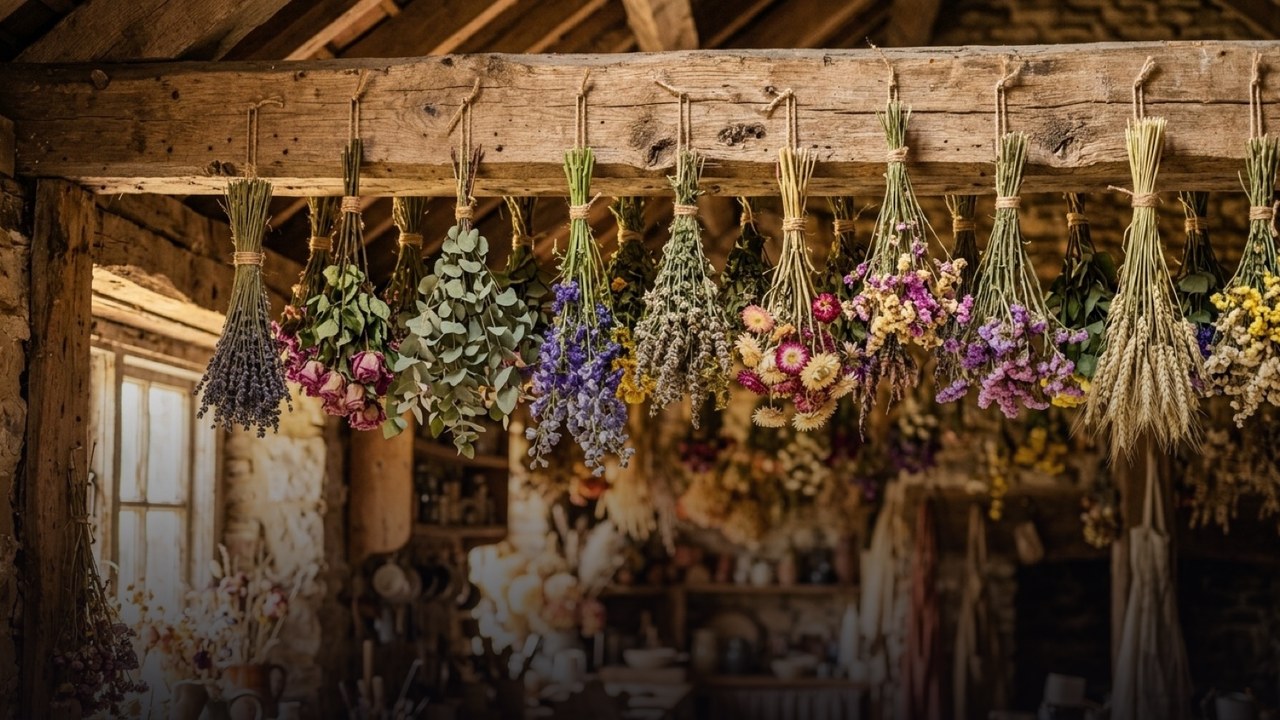
The way a gift bouquet ages is not a reliable message about the sender's feelings or the quality of your relationship. Flowers are living plant material, and their vase life varies with the species, maturity, handling and conditions in your home. If a bouquet has sentimental value, take photographs while it looks its best; drying suitable stems is another option before decay begins.
If flowers arrive looking unexpectedly limp, record their condition promptly and contact the seller with clear photographs and the delivery details. Show the whole bouquet and any affected stems or petals so the problem is easier to assess. If you ordered from Turboflora, contact your manager for advice; meanwhile, place the flowers in a clean vase with fresh water.
6. Send flowers to Russia with the recipient's day in mind
When sending flowers from abroad, choose a delivery time when the recipient can receive them and put them in water. Browse the Bouquets catalogue, then use WhatsApp to get help choosing a bouquet and agree the address, timing and card text. You can also arrange a photo of the bouquet before delivery. A card with your message is free.
We deliver flowers across Russia. City delivery costs 500 RUB; for remote districts and suburbs, the operator confirms the price when confirming your order. In large cities, express delivery is available 1–2 hours after order confirmation. You can also choose an exact time with a ±30-minute allowance, a 09–12, 12–15, 15–18 or 18–21 window, or pre-order 1–30 days ahead.
Delivery is anonymous by default: the courier does not name the sender, so sign the card if you want the recipient to know who sent it. The courier calls about 15 minutes before arrival. If the recipient is absent, we agree a second delivery that day or, with your consent, handover to a neighbour or concierge. Check Delivery and payment; online checkout uses CloudPayments, and you should check the payment options displayed there.
Frequently asked questions
Can flowers recover after they start withering?
Flowers that have wilted because of insufficient water may regain firmness after you clean the vase, recut the stems and provide fresh water. Dead, crisp or decaying tissue will not recover, so assess each stem separately.
Why are my flowers drooping when the vase has water?
Water in the vase does not necessarily mean the stems can absorb it effectively: dirty water, damaged stem ends and decay can interfere with uptake. Check that every stem reaches the water, clean the vase and make fresh cuts with a sharp, clean tool.
Should I put a wilting bouquet in hot water?
Do not use hot water as a general rescue treatment for an unidentified mixed bouquet, because flowers respond differently and heat can damage tissue. Start with clean, room-temperature water for most mixed bouquets and seek advice for the particular flowers involved.
Can I order flowers to Russia while I am abroad?
You can order flowers for delivery across Russia and agree the bouquet, address, timing and card text with a manager. Online checkout uses CloudPayments; check the options shown at checkout, as acceptance of every foreign card is not guaranteed.
Ready to send flowers?
Pick the city, choose the bouquet, and a local florist takes it from there.
Choose a city →