Freesia in Russia: Fragrance, Season, and Vase Life
You open the front door, and before you even see the flowers, you smell them. That sweet, faintly citrusy wave that fills the hallway belongs to freesia — and for many people receiving a bouquet in Russia, it is the scent they remember long after the petals have dropped. Freesia is not the loudest flower in a bouquet, but it is almost always the one people ask about first.
Why Freesia Earns Its Place in a Russian Bouquet
Freesia does something very few cut flowers manage: it carries an emotional charge through scent alone. When someone receives a bouquet that includes freesia, the fragrance is often what triggers the memory of the moment — not the colour, not the wrapping. That makes it an unusually powerful gift addition, even when it is not the centrepiece of the arrangement.
In Russia, floral gifting leans toward generosity of scale. Roses, peonies, and chrysanthemums tend to dominate because they read as abundant and celebratory. Freesia slots into that world as a supporting player that quietly elevates everything around it. A bunch of white roses with cream freesia smells entirely different — and feels more considered — than roses alone.
Freesia also suits mixed-age recipients well. It is not associated with any particular life stage in Russian gifting culture the way lilies of the valley are tied to spring holidays, or red roses to romance. A colleague, a grandmother, a friend turning thirty — freesia fits all of them. That versatility is part of why florists reach for it when a customer says they want something a little more personal than a standard arrangement.
The stems are slender and arching, which means freesia adds movement and lightness to arrangements that might otherwise look stiff. For anyone sending flowers to someone who lives in a small apartment and does not have a large vase, that delicate scale is genuinely practical.
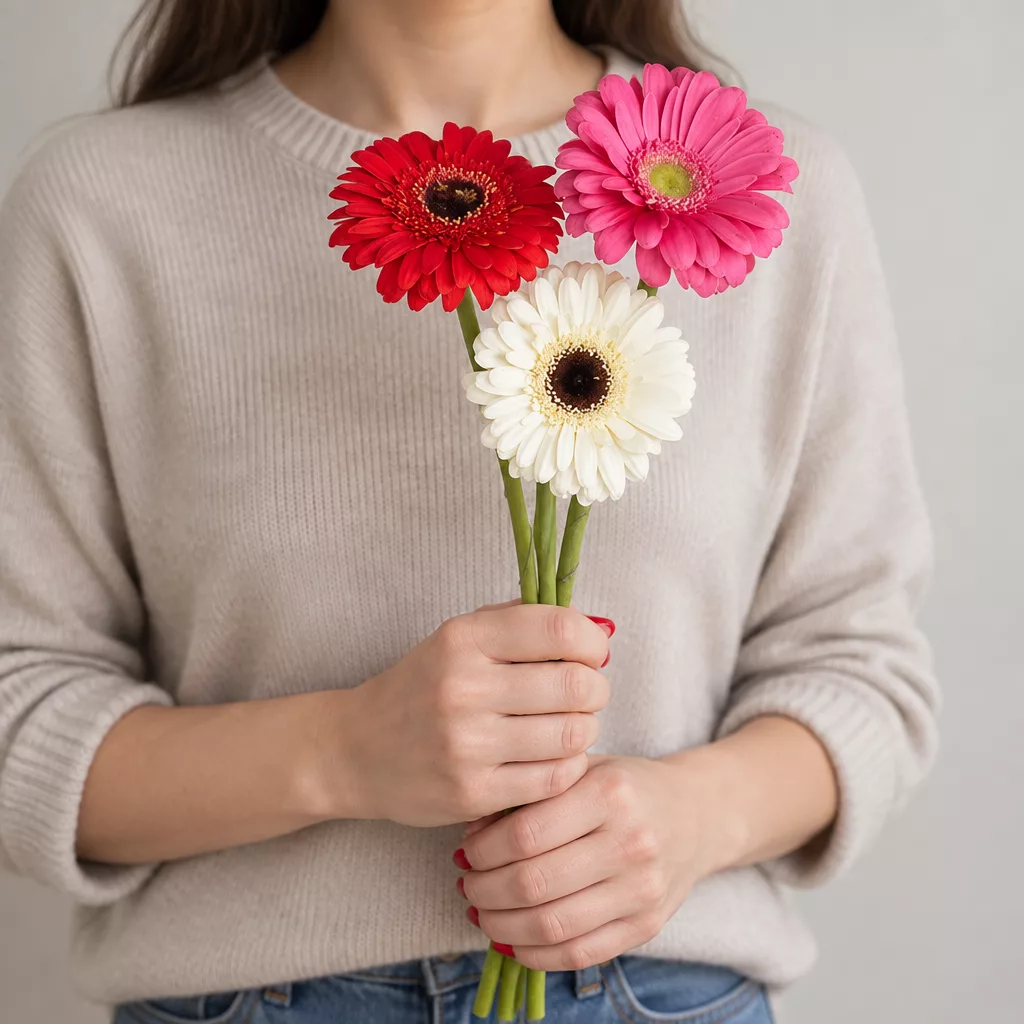
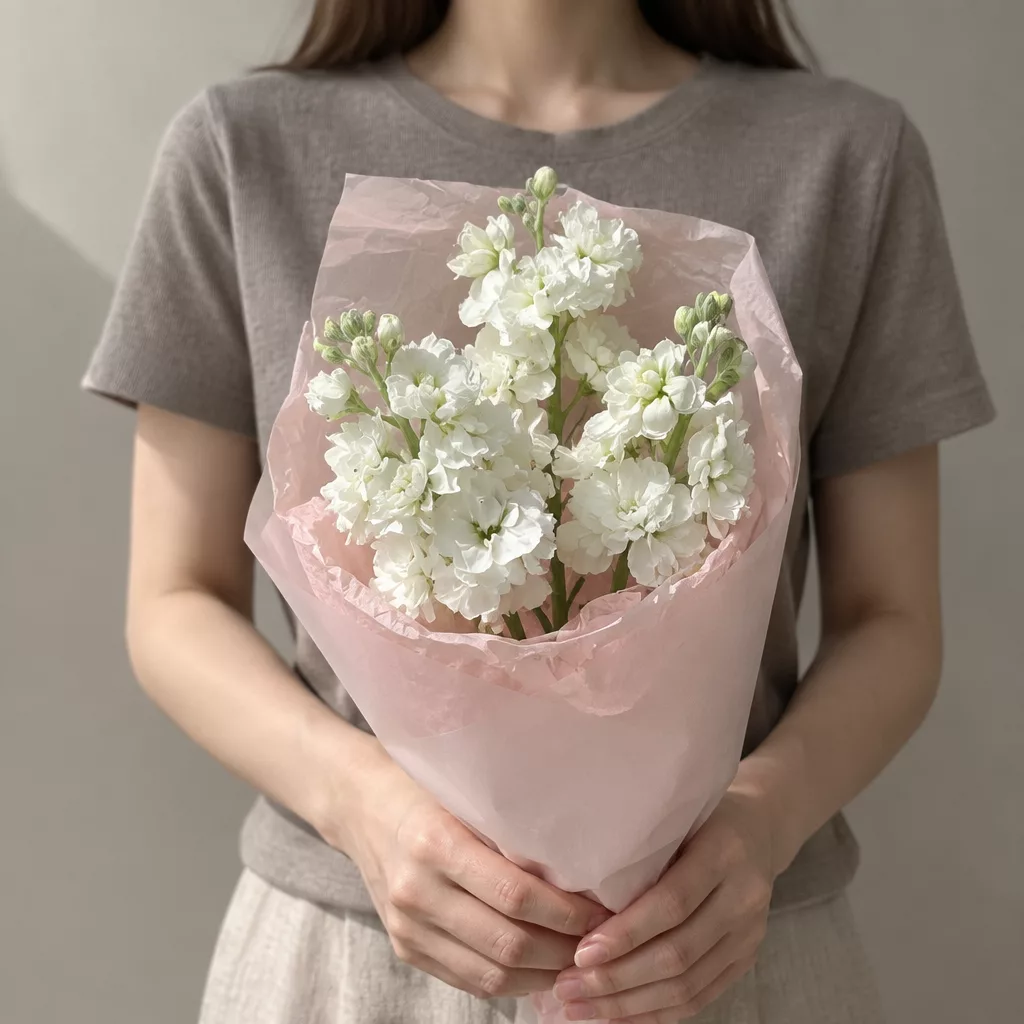
Bouquets we can deliver


When Freesia Is Available Across Russia and What That Means for You
Freesia is available in Russia year-round, but the source and quality shift with the calendar. From roughly October through April, the majority of freesia sold in Russian flower markets arrives from the Netherlands and Colombia via Dutch auction. These stems are cut at a very early bud stage, which means they travel well and open gradually after delivery — exactly what you want when flowers need to survive a long supply chain before reaching Saint Petersburg or any other Russian city.
From late spring through summer, domestic greenhouse production in the Leningrad Oblast and Krasnodar region increases. Russian-grown freesia tends to be cut slightly more open and reaches the recipient at a more advanced stage of bloom. This is not a quality problem — it means the fragrance hits immediately — but it does mean the vase life is shorter than with imported stems.
Pricing follows availability. Winter months, particularly January and February, see higher costs because import volumes are steady but demand spikes around the New Year holiday season and Valentine's Day. March is the most expensive month for almost every flower in Russia because of Women's Day on March 8th, one of the largest floral gifting occasions in the country. During that week, freesia prices can rise noticeably, and availability of specific colours becomes less predictable.
If you are planning a bouquet for a specific date and freesia is important to you, ordering a day or two in advance gives the florist more flexibility to source the right stems at the right stage of opening.
The Scent Profile: What Makes Freesia Different from Other Fragrant Flowers
Not all fragrant flowers smell the same, and understanding what freesia actually smells like helps you decide whether it suits the person you are sending it to. Freesia has a clean, sweet scent with a light citrus edge — some people describe it as slightly honeyed, others pick up a faint green, almost grassy note underneath. It is nothing like the heavy, powdery richness of Oriental lilies or the sharp sweetness of tuberose. Freesia is bright rather than deep.
The intensity of the fragrance depends almost entirely on colour. This surprises many people. White and yellow freesia varieties — including the widely available Yellow Passion and the classic double white forms — are consistently the most fragrant. Pink freesia has a moderate scent. Purple and red varieties, while visually striking, produce very little fragrance at all. If scent is the reason someone wants freesia, white or yellow stems are the correct choice.
Double-flowered freesia varieties, which have fuller, more layered blooms, tend to be slightly less fragrant than single varieties despite looking more luxurious. The single-flowered forms release scent more freely. This is worth knowing if you are choosing between options at similar price points.
Freesia fragrance intensifies in a warm room. A bouquet that smells faint on the doorstep will open up noticeably once it sits for an hour in a heated apartment — which, in a Russian winter, means most interiors. That delayed reveal is part of what makes freesia such a satisfying gift: the recipient keeps discovering it.
Choosing Freesia for the Occasion and the Person
Freesia works best when you think about it as a complement rather than a centrepiece. A bouquet built entirely from freesia can look delicate and a little sparse to a Russian eye accustomed to generous arrangements. But freesia woven through roses, ranunculus, or lisianthus adds fragrance and texture that those flowers cannot provide on their own.
For a birthday, white or pale pink freesia alongside garden roses creates something that feels both celebratory and refined. For a housewarming — a common gifting occasion in Russia when someone moves into a new apartment — yellow freesia with sunflowers or mimosa makes a warm, welcoming combination that fills the new space with scent from the first hour.
If you are sending flowers to a woman for March 8th, the volume and colour of the bouquet matters more than the specific flowers in Russian gifting culture. Freesia in a large spring arrangement with tulips and hyacinths is a strong choice because the layered fragrance feels genuinely seasonal and generous without being overwhelming.
For someone who is sensitive to strong floral scents — a common concern with hospital-adjacent gifting, or for people who work from home in a small space — pink or lilac freesia offers the visual appeal with a much quieter fragrance. It is a considerate detail that the recipient will notice even if they never mention it.
Budget-wise, freesia is not an expensive flower on its own, but its impact on an arrangement is disproportionate to its cost. Adding a few stems to a mid-range bouquet can lift it into something that feels genuinely special.
What Happens After Delivery: Vase Life and First Steps
Freesia delivered in bud — which is the standard for imported stems — will open over three to five days in a warm room. In a typical Russian apartment heated to 22–24 degrees Celsius in winter, the opening process is faster than in a cool European home. The recipient should expect to see the first one or two florets on each stem open within twelve to twenty-four hours of delivery, with the rest following in sequence from the bottom of the stem upward.
The single most important thing the recipient can do when the bouquet arrives is cut the stems at an angle under running water before placing them in a vase. This sounds simple, but it is the step most often skipped. An angled cut increases the surface area for water uptake and prevents the base of the stem from sitting flat against the bottom of the vase, which blocks the water channel.
Freesia is sensitive to ethylene gas, which is released by ripening fruit. A bowl of apples or pears on the kitchen counter will shorten the vase life noticeably — sometimes by two or three days. Moving the vase away from the fruit bowl is a small change that makes a real difference.
Change the water every two days and keep the vase away from direct sunlight and radiators. Under these conditions, freesia delivered in bud will last seven to ten days in total. Stems that arrive more open — common with domestically grown summer freesia — will be at their best for four to six days but will smell strongest from day one.
Common Mistakes That Shorten Freesia's Life in the Vase
The most frequent mistake is overfilling the vase with water. Freesia stems rot quickly at the base if the lower leaves are submerged. Before putting the stems in water, strip any foliage that would sit below the waterline. This single step prevents the bacterial buildup that turns vase water cloudy and cuts days off the life of the flowers.
Another common error is placing freesia in a very deep vase. The arching, branched stems of freesia look most natural in a medium-height vase where the curve of the stems is visible above the rim. A tall, narrow vase forces the stems upright in a way that looks unnatural and also traps humidity around the lower stem, encouraging rot.
Some recipients add sugar to the vase water thinking it feeds the flowers. With freesia, this tends to accelerate bacterial growth more than it extends vase life. A commercial flower food sachet — often included with delivered bouquets — is a better option because it contains both a sugar component and a biocide that keeps the water clean.
Refrigeration is a question that comes up often. A cool room, around 16–18 degrees Celsius, will slow the opening of buds and extend vase life. But putting freesia in a domestic refrigerator is too cold and too dry — the flowers dehydrate rather than being preserved. If the recipient wants to slow the opening, moving the vase to a cool hallway or unheated room overnight is a reasonable approach.
Finally, do not mix freesia with freshly cut daffodils in the same vase. Daffodil stems release a sap that is toxic to most other cut flowers, including freesia, and will cause premature wilting within a day.
Sending Freesia Across Russia: What to Expect from the Delivery
Freesia is one of the more travel-tolerant cut flowers, which is part of why it works well for same-day delivery across a large country. The stems are flexible rather than brittle, the blooms are small enough not to bruise easily, and the bud stage at which they are typically cut means there is no open petals to damage in transit. A well-packed freesia bouquet arriving in Kazan, Novosibirsk, or Vladivostok has a very good chance of looking exactly as intended.
Temperature during transit matters. In Russian winters, the risk is not cold damage to freesia — the flowers tolerate cool temperatures well — but rather the shock of moving from a cold delivery vehicle into a warm apartment. A good florist packs freesia in a way that insulates the stems without sealing in moisture, which would encourage mould during a long journey.
In summer, particularly during July and August when temperatures in many Russian cities exceed 30 degrees Celsius, the risk reverses. Heat accelerates the opening of buds and shortens vase life. Summer freesia deliveries are best scheduled for morning hours when temperatures are lower, and the recipient should be ready to get the flowers into water quickly.
When ordering freesia as part of a bouquet for delivery to another city, it is worth specifying whether scent is a priority. That information helps the florist choose between white or yellow stems — the fragrant choices — and the more visually dramatic purple or red varieties that will travel just as well but arrive with almost no fragrance at all. A small detail in the order note can make the difference between a bouquet that simply looks good and one that the recipient remembers.
Freesia earns its place in a bouquet through the one thing a photograph cannot capture: the way it changes the air in a room. Whether you are choosing flowers for someone in Saint Petersburg or sending a delivery across Russia to a friend in a city you cannot visit right now, freesia adds a dimension to the gift that outlasts the occasion. Buy it in white or yellow if scent matters, keep it away from fruit and radiators, and give it a clean cut the moment it arrives — and it will reward the recipient with a week of something that is genuinely hard to replicate. We deliver bouquets across Russia in 1–2 hours.
Frequently asked questions
Which freesia colour has the strongest fragrance?
White and yellow freesia are consistently the most fragrant varieties. Pink freesia has a moderate scent. Purple and red freesia are visually striking but produce very little fragrance. If the scent is the main reason you are choosing freesia, ask specifically for white or yellow stems when placing your order.
How long does freesia last in a vase after delivery in Russia?
Imported freesia delivered in bud typically lasts seven to ten days in a vase when cared for correctly — fresh water every two days, stems cut at an angle, foliage kept below the waterline removed. Domestically grown summer freesia arrives more open and lasts four to six days, but smells strongest from the first day.
Is freesia available year-round for delivery in Russia?
Yes, freesia is available throughout the year. From October to April, most stems are imported from the Netherlands and Colombia. From late spring through summer, Russian greenhouse production increases. The most limited availability and highest prices occur during the March 8th Women's Day period, when demand for all flowers peaks sharply.
Can freesia be mixed with other flowers in a bouquet?
Freesia combines well with roses, ranunculus, lisianthus, tulips, and hyacinths. Avoid mixing it in the same vase as freshly cut daffodils, which release a stem sap toxic to most other cut flowers. Freesia works best as a fragrant complement rather than the sole flower in an arrangement.
Does freesia travel well for deliveries to cities outside Saint Petersburg?
Freesia is one of the more resilient cut flowers for long-distance delivery. The stems are flexible, the buds are small and unlikely to bruise, and the typical bud stage at cutting means there are no open petals to damage. For summer deliveries, morning scheduling helps avoid heat damage during transit.
Ready to send flowers?
Pick the city, choose the bouquet, and a local florist takes it from there.
Choose a city →