Freesias as a Gift in Russia: What to Know Before You Order
There is a moment when you walk into a room and the flowers announce themselves before you even see them. That is what freesias do. Sweet, clean, faintly citrusy — their scent is one of the most recognisable in Russian floristry, and for many recipients it carries a memory: a birthday in the nineties, a teacher's desk covered in pale yellow blooms, a hospital ward that smelled unexpectedly like spring. Understanding when freesias are at their best, how to combine them, and how to keep them alive longer will help you choose them with confidence rather than guessing.
Why Freesias Have Such a Strong Following in Russia
Freesias arrived in Soviet floristry relatively late compared to roses and carnations, but they caught on quickly because they offered something the standard assortment did not: genuine fragrance at an accessible price. In Russia today they sit in that comfortable middle ground between an everyday bunch and a special occasion arrangement. They feel considered without being intimidating.
Part of their appeal is cultural. Russian gift-giving leans toward flowers that communicate care through detail — a mixed bouquet with freesias tucked among tulips or ranunculus reads as something a person actually thought about, not just grabbed in a hurry. The scent reinforces that impression. You cannot ignore a freesia the way you can ignore a filler flower.
They are also genuinely versatile. A single-colour bunch of white freesias, stems cut short and placed in a low vase, looks quietly elegant on a desk. The same variety mixed with garden roses and eucalyptus becomes something more romantic and layered. This flexibility means florists reach for them across a wide range of occasions — congratulations, thank-you gifts, romantic gestures, and celebrations of all kinds.
Among the varieties most commonly seen in Russian flower shops, the white and cream types such as Single White and the pale yellow varieties tend to dominate retail, because their scent is strongest. Double-flowered freesias like the Double Fancy series have more petals and a fuller look but a slightly softer fragrance. Knowing this helps you choose based on whether the scent or the visual impact matters more to your recipient.
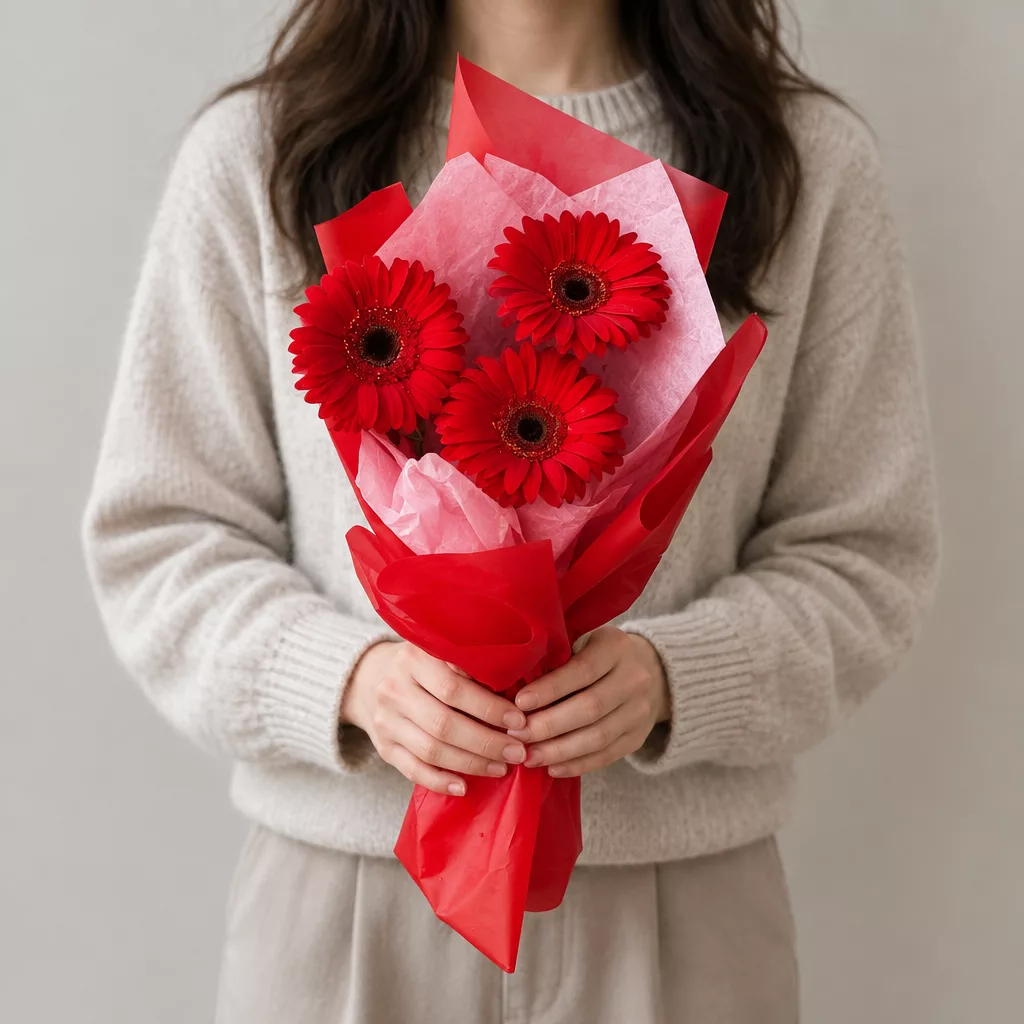
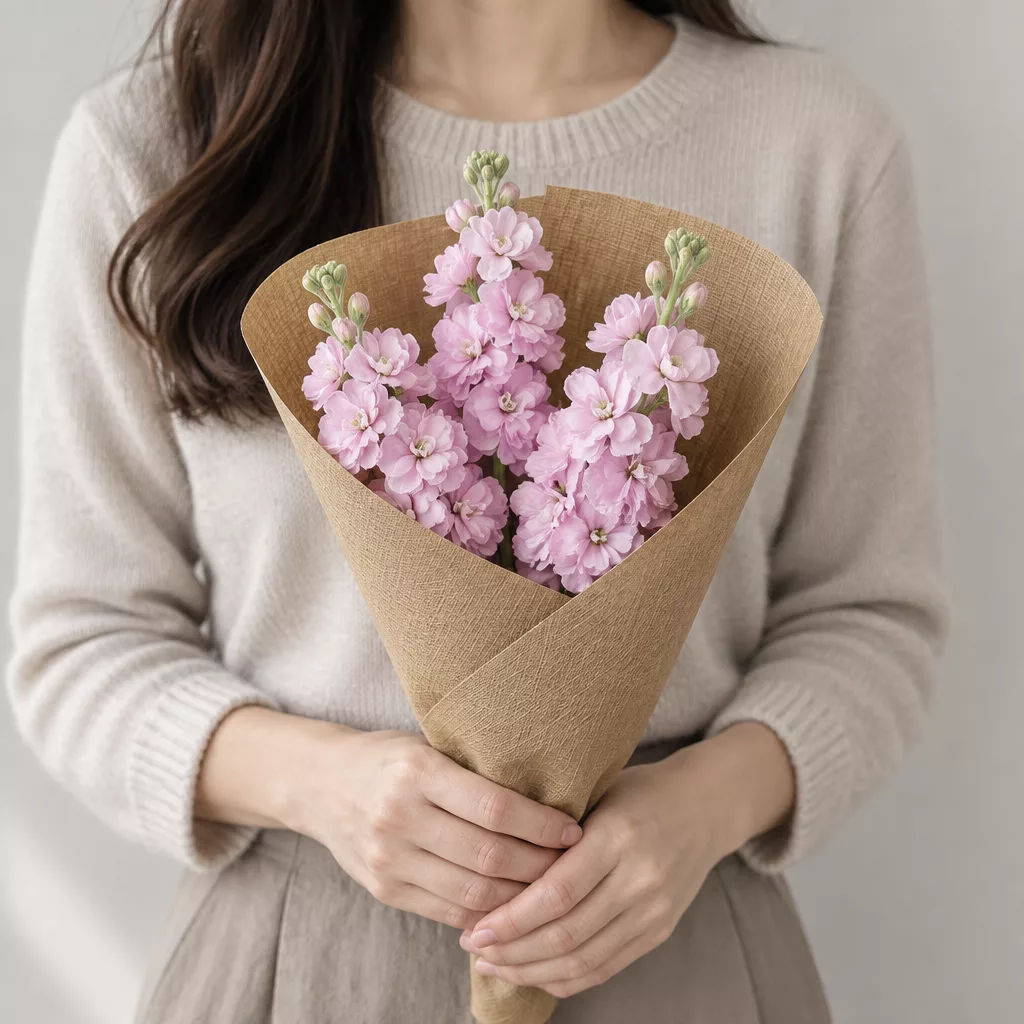
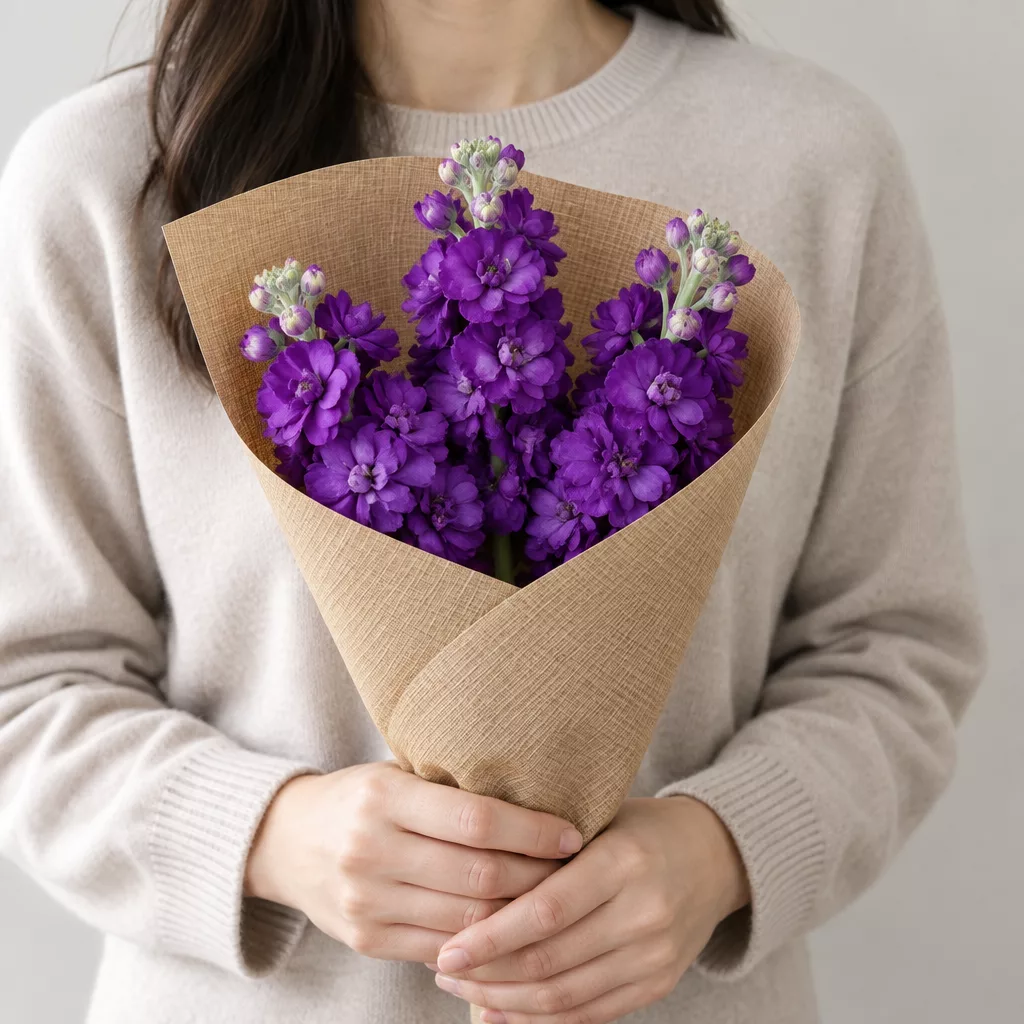
Bouquets we can deliver

When Freesias Are Actually Available in Russia
Russia imports the overwhelming majority of its cut freesias, primarily from the Netherlands, with smaller volumes coming from Israel and Kenya depending on the time of year. This matters practically because availability and quality shift with the global growing calendar, and what reaches Saint Petersburg in February is not the same as what arrives in October.
The strongest season runs from roughly late January through April. During these months Dutch greenhouse production is at peak volume, shipping logistics are reliable, and the flowers arriving in Russian wholesale markets are fresh, tightly budded, and fragrant. This is when you will find the widest colour range — white, cream, yellow, pink, lavender, deep purple, and bicolour types — and the most competitive pricing.
Summer brings a dip. From June through August, freesia availability drops noticeably in Russia. Dutch growers scale back greenhouse production during warm months, and the heat makes transport more difficult. What does arrive tends to be more expensive and sometimes less fresh. If you are planning a summer event and freesias are important to the aesthetic, it is worth discussing alternatives with your florist early.
Autumn sees a gradual return. By September and October, supply improves again, though the colour selection is narrower than in spring. Winter freesias — December through January — are available but prices rise around the New Year period when all flower demand in Russia spikes sharply.
For most gift purposes, ordering freesias between February and May gives you the best combination of quality, choice, and value. A florist who sources daily from wholesale will know exactly what arrived that morning and can tell you honestly whether the batch is worth recommending.
Choosing Freesias for the Person and the Moment
The first question is not which colour but what the recipient will feel when they open the door. Freesias skew slightly feminine in Russian gifting culture — not exclusively, but that is the general perception — so for a male recipient you might anchor them with something more structural: dark calla lilies, steel-blue thistles, or bold sunflowers, with freesias providing the scent rather than the starring role.
For a woman celebrating a birthday, freesias work beautifully as the lead flower when you build around them thoughtfully. Pale pink freesias with white lisianthus and a few cream garden roses create a soft, layered bouquet that feels genuinely luxurious. Purple freesias paired with deep burgundy ranunculus and dusty miller read as more dramatic and contemporary.
For a teacher, colleague, or professional thank-you, single-colour freesia bunches are ideal. They are generous without being over the top, and the fragrance communicates appreciation in a way that a purely visual flower cannot. White or yellow varieties are the safest choice for this context.
For a romantic gesture, the scent of freesias does a great deal of the work. A bouquet that combines white freesias with garden roses and soft greenery like ruscus or pittosporum carries a warmth that purely visual arrangements sometimes miss. The recipient does not need to understand flower varieties to feel that the bouquet is special — they will simply notice that the room smells extraordinary.
One practical note: if the gift is going to a workplace or a shared space, check whether the recipient has fragrance sensitivities. Freesias are potent. In an enclosed office, a large bunch can be overwhelming for people nearby.
Freesias by Budget: What Different Price Points Look Like
Freesias are among the more affordable fragrant flowers in Russian floristry, which is one reason they appear across a wide range of bouquet sizes. Understanding what different investment levels actually produce helps you set expectations before you order.
At the entry level, a modest bunch of ten to fifteen stems in one or two colours makes a genuinely lovely gift. The fragrance is fully present even in a small bunch, which means freesias punch above their weight at this price point. Presented in kraft paper with a simple ribbon, this reads as a thoughtful everyday gift rather than a token gesture.
A mid-range arrangement starts to incorporate mixed elements. Freesias combined with spray roses, wax flower, or small-headed chrysanthemums create volume and texture without dramatically increasing cost. The florist's skill here lies in choosing companions that complement the freesia's fine, arching stems rather than overwhelming them with heavy blooms.
At the upper end, freesias typically play a supporting role rather than the lead. They add fragrance and delicacy to arrangements built around premium flowers — garden roses, peonies in season, ranunculus, or lisianthus. A large, structured bouquet where freesias weave through more substantial blooms is a genuinely impressive gift, and the scent gives it a dimension that purely visual arrangements lack.
One thing worth knowing: because freesias are sold by stem count at wholesale, a florist can scale them quite precisely. If you have a specific budget, it is worth saying so directly — a good florist will tell you honestly what is achievable and whether adding five more stems of freesia or switching to a complementary filler makes better use of the money.
How Long Freesias Last in a Vase — and What Affects It
A well-conditioned freesia stem, bought fresh and cared for correctly, will last between seven and twelve days in a vase. That is a strong result for a fragrant flower and one reason florists recommend them for gifts that need to make an impression over several days rather than just on delivery day.
The critical variable is how the flowers were handled before they reached the recipient. Freesias should arrive as tightly closed buds, with perhaps the first one or two florets just beginning to open. If the stems arrive already in full bloom, the vase life shrinks significantly — you are looking at four to five days rather than ten. This is why sourcing matters: flowers that have sat in a wholesaler's warehouse for three days before reaching a shop start their life with the recipient already tired.
Temperature is the other major factor. Freesias are cold-loving flowers. In a room kept above 22 degrees Celsius, they open fast and fade faster. Near a radiator — a very common placement in Russian apartments during the long heating season — they can drop from ten days to five. Placing the vase in a cooler part of the room, away from direct sunlight and heat sources, makes a meaningful difference.
Water quality and stem cutting also matter. Freesia stems should be recut at an angle every two to three days, and the water changed at the same time. Avoid placing them near fruit bowls: ripening fruit releases ethylene gas, which accelerates petal drop in freesias more than in most other cut flowers. These are simple steps, but most people do not know them unless someone explains.
Care Instructions Worth Passing On to the Recipient
When you send freesias as a gift, the bouquet's story does not end at the door. What happens in the first hour after delivery determines whether the recipient enjoys ten days of fragrance or watches the flowers droop by day four. A few lines of care advice, tucked into the card or mentioned when you order, can make a real difference.
The first step is immediate: stems should go into water as soon as possible after the packaging is removed. Freesias are thirsty flowers and they recover quickly from transit if they are hydrated promptly. A clean vase with fresh, cool water — not cold, not warm — is the right starting point. If a sachet of flower food came with the bouquet, it should go into the water at this stage.
Stem trimming is important and often skipped. Cutting about two centimetres off the bottom of each stem at a diagonal angle, using a sharp knife rather than scissors, allows better water uptake. Scissors can crush the stem tissue and restrict flow. This takes two minutes and extends vase life noticeably.
Freesias are sequential bloomers, which is one of their pleasures. The buds open from the bottom of the stem upward over several days, so the bouquet looks different on day one than it does on day seven. As the lower florets finish, they can be gently removed to keep the arrangement looking fresh while the upper buds continue opening.
In Russian homes during winter, the heating season creates very dry indoor air. A light misting of the petals every couple of days helps slow dehydration. It is a small habit that most people would not think of without being told, and it genuinely extends the life of delicate flowers like freesias.
Sending Freesias Across Russia: What to Consider for Delivery
Delivering freesias successfully across Russia requires attention to packaging and timing in ways that differ from delivering sturdier flowers like chrysanthemums or carnations. The stems are slender and the florets are small, which means they need proper support during transit rather than just being wrapped and sent.
For same-day or rapid delivery within a city like Saint Petersburg, freshly cut freesias in tight bud condition travel well. The key is keeping them upright or at a slight angle, never horizontal, so the delicate stem tips are not crushed. A well-constructed bouquet with appropriate wrapping handles this correctly, but it is worth choosing a delivery service that treats flowers as flowers rather than parcels.
For deliveries across Russia — to Moscow, Kazan, Novosibirsk, or other cities — the transit time and temperature during transport matter significantly. In winter, freesias need protection from freezing temperatures during the journey from the courier's vehicle to the recipient's door. Even a few minutes of exposure to minus fifteen or minus twenty degrees can damage the florets irreversibly. Insulated packaging and rapid handoff are not optional extras for cold-weather deliveries.
In summer, the challenge reverses: heat accelerates opening and can cause premature wilting. Early morning delivery slots are preferable during warm months, and the recipient should be available to receive the flowers promptly rather than leaving them in a warm hallway.
If you are sending freesias as a surprise and cannot coordinate the timing precisely, choosing buds that are slightly less open than usual gives you a buffer. The recipient gets flowers that look a little closed on arrival but open beautifully over the following twenty-four hours — which can itself feel like a small, pleasant surprise.
Freesias are one of those flowers that do more work than their price suggests. The scent alone changes a room, and when the stems are fresh and the combination is thoughtful, they make a gift that stays present in someone's life for the better part of two weeks. The best time to send them in Russia is between February and May, when Dutch supply is strongest and quality is consistent — but a good florist working with daily deliveries from wholesale can find you excellent freesias across most of the year. The care steps are simple and worth sharing with whoever receives them. A flower that smells this good deserves a vase that is changed every few days. We deliver bouquets across Russia in 1–2 hours.
Frequently asked questions
Are freesias a suitable gift for men in Russia?
Freesias are not off-limits for men, but they read as delicate in Russian gifting culture. The most effective approach is to use them as a scent element within a more structured arrangement — paired with bold flowers like dark calla lilies, sunflowers, or solidago — so the fragrance is present without the bouquet feeling mismatched to the recipient.
Why do freesias sometimes arrive without much scent?
Fragrance in freesias is strongest when the flowers are fresh and the buds are just beginning to open. Stems that have been stored too long, kept too warm, or cut from plants grown primarily for visual yield rather than scent can arrive noticeably flat. White and yellow varieties are generally the most fragrant; some double-flowered types sacrifice scent for petal count.
Can freesias be kept in the refrigerator overnight?
Yes, and in Russia's long heating season this is actually a useful trick. Placing the vase in a cool room or a refrigerator set above five degrees Celsius overnight slows the opening of buds and extends overall vase life. Keep them away from fruit and vegetables, which release ethylene gas that accelerates ageing in cut flowers.
How many freesia stems make a meaningful bouquet?
Ten to fifteen stems create a bouquet with genuine visual presence and strong fragrance. Fewer than eight stems can look sparse unless the freesias are combined with other flowers. For a standalone freesia gift, fifteen to twenty stems in two complementary colours — white and pale pink, or cream and lavender — is a generous and well-balanced choice.
Do freesias work well in arrangements with other spring flowers?
They combine exceptionally well with tulips, ranunculus, lisianthus, and small-headed spray roses. Avoid pairing them with strongly scented flowers like hyacinths or narcissus — competing fragrances in the same vase can become overwhelming rather than pleasant. Let freesias be the scent anchor and choose visually interesting but fragrance-neutral companions around them.
Ready to send flowers?
Pick the city, choose the bouquet, and a local florist takes it from there.
Choose a city →