Hydrating Flowers Before Giving Them as a Gift
You have a beautiful bouquet in your hands and a few hours before the moment you give it. What happens in that window matters more than most people realise. Flowers are living stems, and without the right preparation they begin to droop, curl at the petals, or lose their fragrance before the recipient even unwraps the paper. The good news is that professional florists use a handful of simple conditioning techniques — deep watering, cool resting, a clean diagonal cut — that can keep a bouquet looking just-arranged for four to six hours out of water. This article walks you through each step in plain language, with the timing and temperatures that actually work.
Why Flowers Lose Water Faster Than You Think
A cut stem is no longer connected to soil or roots, so it relies entirely on the water column inside its tissue to stay upright and open. The moment that column breaks — through air entering the cut end, through warm temperatures speeding up transpiration, or through bacteria blocking the vessels — the flower begins to wilt. This happens faster than most people expect, sometimes within ninety minutes in a warm room.
Different varieties lose water at different rates. Roses and gerberas are relatively thirsty and show stress quickly, often drooping at the neck first. Chrysanthemums and alstroemerias are more resilient and can hold their shape for longer without intervention. Tulips are somewhere in the middle but are very sensitive to heat — they continue to grow and bend even after cutting, which surprises many people.
Humidity matters too. A dry centrally heated apartment in a Russian winter pulls moisture from petals far more aggressively than a cool hallway. Understanding this helps you choose where to keep the bouquet before you leave the house and how urgently you need to act. Conditioning is simply the practice of loading the stems with as much water as possible before that journey begins, so the flower has a reserve to draw on when it is out of the vase.
Bouquets we can deliver


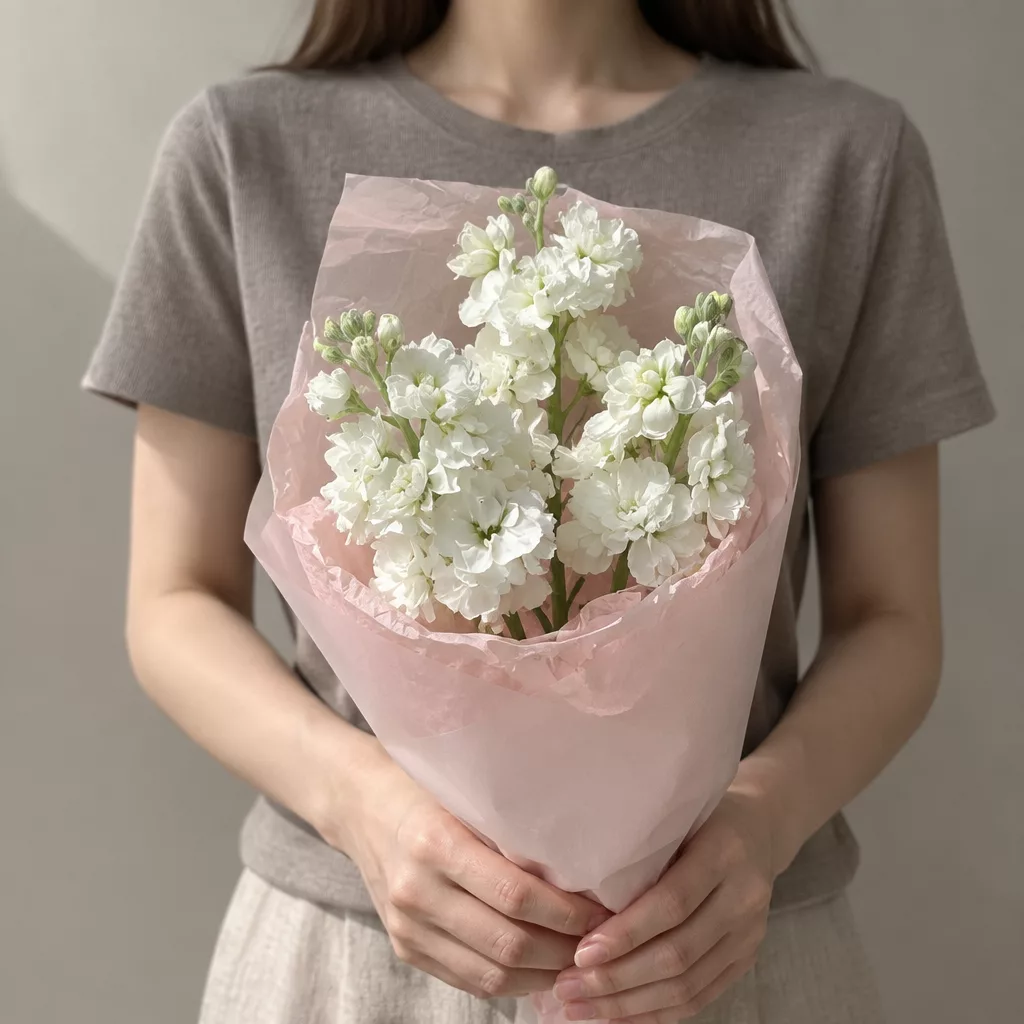
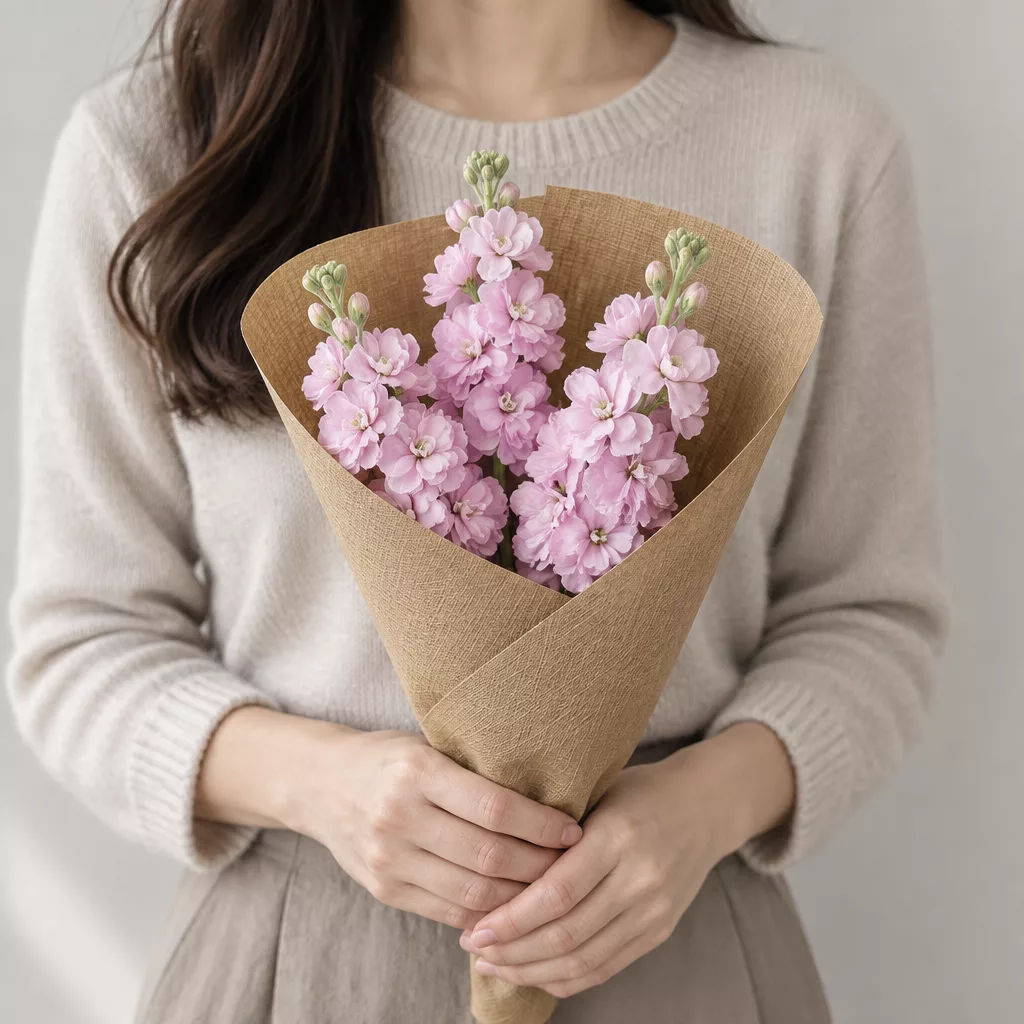
The Deep Watering Method: How and When to Do It
Deep watering, sometimes called deep conditioning, means placing freshly cut stems in a tall container filled with cool water all the way up to just below the lowest leaves, and leaving them there for a sustained period — ideally two to four hours, but a minimum of one hour if time is short. The goal is to saturate the stem tissue so fully that the flower can sustain itself for several hours without any water source at all.
Start by filling a clean bucket or tall vase with cool water, around twelve to fifteen degrees Celsius. Tap water is fine in most Russian cities, though if your water is heavily chlorinated, letting it stand for twenty minutes before use allows some of the chlorine to dissipate. Remove any leaves that would sit below the waterline, because submerged foliage rots quickly and releases bacteria that clog the stem vessels.
Then cut the stems at a sharp diagonal angle — about forty-five degrees — using clean scissors or a knife. The diagonal cut increases the surface area available for water uptake and prevents the stem from sitting flat against the bottom of the container, which would block absorption. Do this cut under running water or immediately before plunging the stem into the bucket, because air enters the cut end within seconds and forms a bubble that slows uptake. Place the bouquet in the water and move it to a cool, shaded spot. Two hours of deep watering before a gift presentation makes a meaningful difference to how the flowers look and feel on arrival.
Choosing the Right Temperature for Resting Flowers
Temperature is one of the most underestimated factors in flower conditioning. Cool temperatures slow the flower's metabolism, reduce transpiration, and inhibit the bacterial growth that blocks stem vessels. Professional cold storage rooms run at around two to five degrees Celsius, but you do not need a refrigerator at home to achieve a useful effect.
A cool hallway, a north-facing room, or even a bathroom with the window cracked open in autumn or winter can hold a temperature of eight to twelve degrees Celsius, which is genuinely helpful. Placing a conditioned bouquet in such a space for an hour before you leave significantly extends how long it will look fresh once it is out of water. In summer, when indoor temperatures in Saint Petersburg can climb above twenty-five degrees, a lower shelf of the refrigerator works — just keep flowers away from fruit, which releases ethylene gas and accelerates ageing in petals.
Avoid placing flowers near a radiator, a sunny windowsill, or an air vent. These spots create exactly the conditions that speed wilting: warmth, dry air, and direct light. Roses are particularly vulnerable to warm spots and will open their petals rapidly and irreversibly if left near a heat source. Carnations and waxflowers are more forgiving but still benefit from cool resting. Think of the cool room as the final stage of conditioning — the deep watering fills the stem, and the cool rest preserves that charge before the bouquet begins its journey.
Wrapping Techniques That Hold Moisture During Transit
Once a bouquet leaves the water, how it is wrapped becomes its only protection against moisture loss and physical damage. A good wrap does three things: it holds the stems together so they do not shift and bruise the petals, it retains a small amount of humidity around the flower heads, and it insulates the bouquet from sudden temperature changes.
For a few hours of transit, damp paper towel or a piece of wet newspaper wrapped around the stem ends works remarkably well. Wrap the wet material tightly around the bottom third of the stems, then cover that with a layer of dry paper or kraft paper to prevent dripping. The damp layer acts as a small water reservoir and keeps the cut ends from drying out completely. This technique is commonly used by florists preparing bouquets for delivery across distances.
If you are using a gift box, line the inside with tissue paper and place a small folded piece of damp kitchen paper at the stem end before closing the lid. Avoid sealing a box completely airtight — some airflow prevents condensation from pooling on petals, which causes dark spots on roses and peonies in particular. In cold weather, wrap the outer layer in a second sheet of paper or a light cloth to protect petals from frost. A sudden drop to below zero on the walk from a warm building to a car can cause petal cells to rupture, leaving translucent patches that cannot be reversed. A little insulation prevents this entirely.
Varieties That Respond Best to Conditioning
Not all flowers respond to conditioning in the same way, and knowing which varieties benefit most helps you prioritise your time. Roses are the clearest example of a flower that rewards thorough conditioning. A rose that has been deep watered for two hours and rested in a cool room will hold its head upright and its petals firm for four to five hours without water. A rose that has not been conditioned may begin to droop at the neck within ninety minutes in a warm environment.
Lisianthus, with its delicate layered petals, also benefits greatly from deep watering. It is a thirsty flower and wilts quickly in dry air, but after conditioning it becomes surprisingly resilient. Gerberas need their stems kept very straight in water — they bend and crease if allowed to lean against the side of a bucket — and they should be conditioned in a container where they stand upright without support.
Hyacinths and freesias, which are popular in Russian gift bouquets for their intense fragrance, hold their condition well because their flowers are small and their water demand is lower per stem. Tulips are the exception worth noting: they continue to grow toward light even after conditioning, so they may be a centimetre or two taller by the time the recipient opens the bouquet, which is actually charming rather than a flaw. Peonies, when in bud, travel exceptionally well after conditioning and will open beautifully in the recipient's home over the following day or two.
Common Mistakes That Undo Good Conditioning
The most frequent mistake is cutting the stems too early and then leaving them exposed to air before placing them in water. The cut end seals over within seconds of contact with air, forming a barrier that significantly slows water uptake. If you cut the stems and then spend five minutes arranging the bouquet before putting it in the bucket, much of the benefit of the fresh cut is already lost. Always cut and plunge immediately.
The second common mistake is using warm water. Many people assume that warm water helps flowers absorb more quickly, as if they were dissolving a tablet. In reality, warm water encourages bacterial growth and speeds up the flower's metabolism in ways that shorten its life. Cool water, between ten and fifteen degrees Celsius, is consistently better for conditioning purposes.
Leaving foliage below the waterline is a third mistake with real consequences. Submerged leaves decompose within hours and release bacteria and organic matter into the water. That cloudy water is not harmless — it actively blocks the stem vessels and undoes the work of conditioning. Strip any leaf or side shoot that would sit below the water surface before placing the bouquet in the bucket.
Finally, some people try to speed up conditioning by adding sugar or aspirin to the water. These additives have their place in vase water for long-term care, but they are not necessary or particularly effective for short-term conditioning before a gift. Clean, cool water and a fresh diagonal cut are more reliably effective than any additive for a two to four hour preparation window.
What to Tell the Recipient So the Flowers Last Longer
Conditioning prepares the bouquet for the journey, but what happens in the first thirty minutes after the recipient receives the flowers determines how long they will last beyond that. A small word of advice — passed along with the bouquet or sent as a message — can make a real difference to the experience.
Ask them to unwrap the flowers and place them in a vase of cool water as soon as they can, ideally within twenty to thirty minutes of receiving them. If they have scissors, a fresh diagonal cut before placing the stems in the vase will restore full water uptake and extend vase life noticeably. Remind them to keep the vase away from fruit bowls, radiators, and direct sunlight — the same principles that guided the conditioning apply to ongoing care.
In Russia, it is a warm and common custom to receive flowers with great ceremony, to photograph them, to share them with others in the room before they go into a vase. This is entirely part of the joy of a gift, and a well-conditioned bouquet can comfortably withstand twenty to thirty minutes of being held, admired, and photographed without showing any stress. That is exactly what conditioning is designed to allow — the flowers look their absolute best at the moment of giving, and they continue to look beautiful for days afterward once they are cared for properly.
A bouquet that arrives in peak condition and lasts a full week in the vase is one that the recipient will remember. That memory is what the preparation is really for.
Conditioning flowers before a gift is not complicated, but it is deliberate. A clean diagonal cut, two hours in cool water, a shaded cool room, and a damp wrap for transit — these four steps together give a bouquet the best possible chance of arriving and lasting beautifully. The time you invest before you leave the house shows in the way the flowers look when they are unwrapped, and in how long they continue to bring pleasure afterward. When you order from Turboflora, our bouquets are conditioned and prepared before they leave us, so the hard work is already done. These techniques are for the moments when the flowers pass through your hands before reaching someone you care about.
Frequently asked questions
How long should I leave flowers in water before giving them as a gift?
Two to four hours of deep conditioning in cool water is the ideal range. One hour is the practical minimum if time is short. The longer the flowers rest in water before the journey, the more moisture they store in their stem tissue, and the better they will look during the time they are out of the vase.
Can I put flowers in the refrigerator to condition them?
Yes, the lower shelves of a refrigerator work well, especially in summer. Keep flowers away from fruit, which releases ethylene gas that accelerates petal ageing. A temperature between four and eight degrees Celsius is helpful. Avoid the freezer compartment or any spot where the temperature drops below zero, as this damages petal cells.
Does the type of water I use matter for conditioning flowers?
Cool tap water is perfectly adequate for conditioning. If your tap water is heavily chlorinated, letting it stand in the bucket for fifteen to twenty minutes before adding the flowers allows some chlorine to dissipate. The temperature matters more than the water source — aim for ten to fifteen degrees Celsius rather than cold or warm water.
How do I keep a bouquet fresh while travelling with it on public transport?
Wrap the stem ends in damp paper towel, then cover with a dry outer layer to prevent dripping. Hold the bouquet upright rather than at an angle, and avoid crowded carriages where body heat accumulates. In winter, add an insulating outer wrap of paper or cloth to protect petals from cold air when moving between buildings.
Do roses need different conditioning than other flowers?
Roses benefit from conditioning more visibly than most varieties. They are prone to drooping at the neck, which is caused by an air bubble blocking the stem. A fresh diagonal cut made under running water before deep conditioning addresses this directly. Two hours in cool water restores a drooping rose head in most cases, provided the stem is not already damaged.
Ready to send flowers?
Pick the city, choose the bouquet, and a local florist takes it from there.
Choose a city →