Gerbera Daisies in Russia: Colours, Cost, and Freshness Tips
Gerberas are one of the most cheerful flowers you can send to someone in Russia, and they are available year-round in almost every city. Whether you are ordering for a birthday, a thank-you, or just because, this guide will help you choose the right colour, understand what you are paying for, and make sure the bouquet still looks wonderful five days after delivery.
Why Gerberas Work So Well as a Gift in Russia
In Russia, flowers are given far more often than in many Western countries. Birthdays, name days, school events, office celebrations, the first day of spring — nearly any occasion calls for a bouquet. Gerberas fit this culture perfectly because they read as joyful and generous without feeling overly formal or romantic, which means they are safe and welcome in almost any situation.
A well-made gerbera bouquet signals warmth and attention. The large, open face of the flower is impossible to miss, and the sheer variety of colours means a thoughtful sender can match the bouquet to the personality of the recipient rather than defaulting to a generic arrangement. That personalisation matters enormously to Russian recipients, who tend to notice and appreciate the effort behind a choice.
Gerberas also photograph beautifully, which is a practical consideration in an era when recipients share gifts on social media. Their symmetrical shape and saturated colour hold up well in photographs, so the person receiving them is likely to feel proud showing them off. From a florist's perspective, they also combine easily with other flowers — eucalyptus, wax flower, and solidago are all natural companions that add texture without competing with the gerbera's bold face. This versatility makes them one of the most requested flowers in our workshop throughout the entire year.
Bouquets we can deliver


The Colour Range You Will Actually Find in Russian Shops
Gerberas come in an extraordinary range of colours, and Russian wholesale markets stock a broad selection. The most consistently available shades are coral, hot pink, deep red, sunny yellow, white, and orange. These are the workhorses of the gerbera world and you can order them with confidence at any time of year. Softer tones — blush, peach, pale lavender, and cream — are also stocked regularly but may need a day's notice if you want a large quantity.
Two-tone and spider gerberas, which have narrower, more elongated petals, appear in shops seasonally and are worth asking about if you want something less expected. Dark-centred varieties with contrasting outer petals, sometimes called 'eye' gerberas, have become increasingly popular for modern, graphic arrangements. They work especially well in monochrome bouquets where the dark centre provides contrast.
Colour carries meaning in Russian gifting culture, though the rules are less rigid than people assume. Red is universally understood as passionate and celebratory. Yellow, sometimes considered unlucky in older Russian tradition, is increasingly popular among younger recipients and in professional settings. White is clean and elegant rather than mournful when paired with greenery or coloured accents. If you are unsure, a mix of coral, peach, and cream reads as universally warm and appropriate for almost any recipient, from a grandmother to a colleague.
Choosing the Right Gerbera Bouquet for the Occasion
The occasion should shape not just the colour but the size and composition of the bouquet. For a birthday, volume matters — a generous round bouquet of fifteen to twenty-one gerberas in two or three complementary shades feels celebratory and abundant. Russian gifting culture values visible generosity, and a bouquet that looks full and lush will always make a stronger impression than a sparse one, even if the individual flowers are equally fresh.
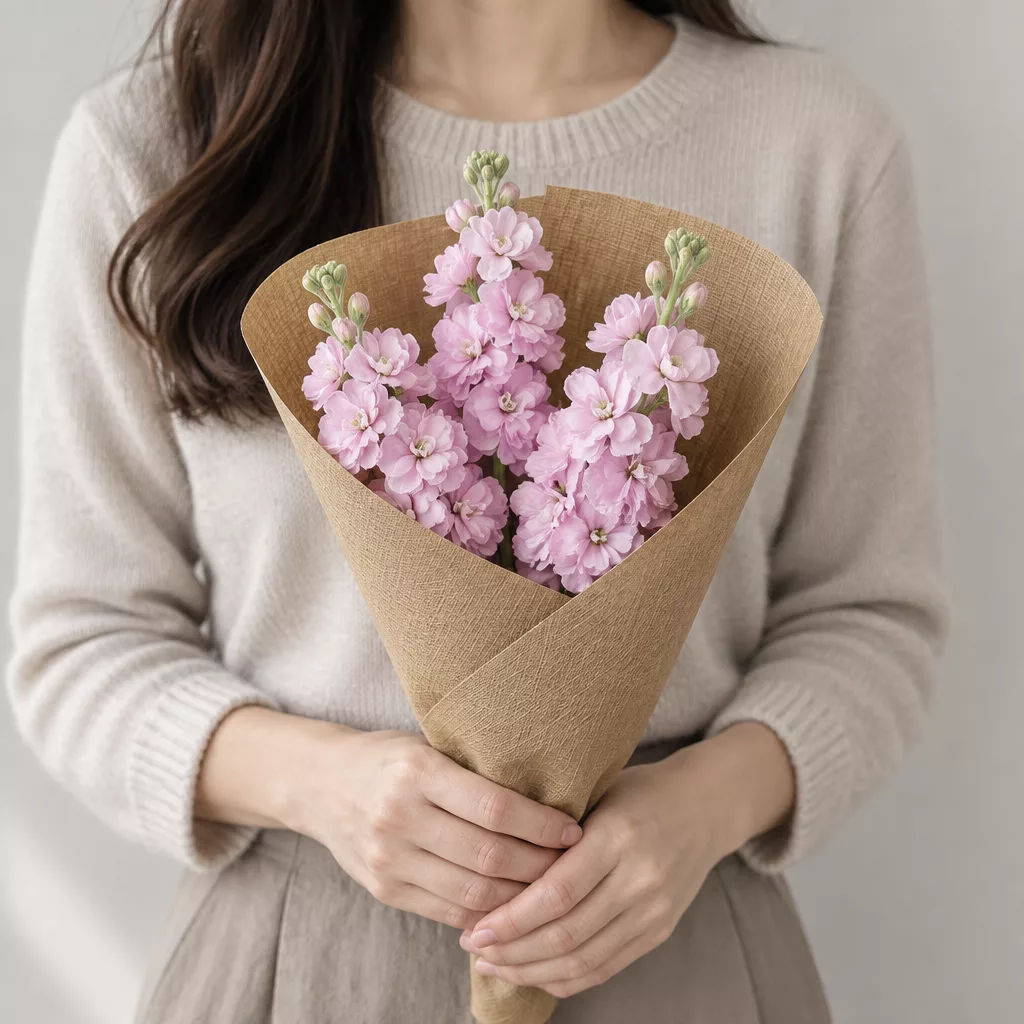
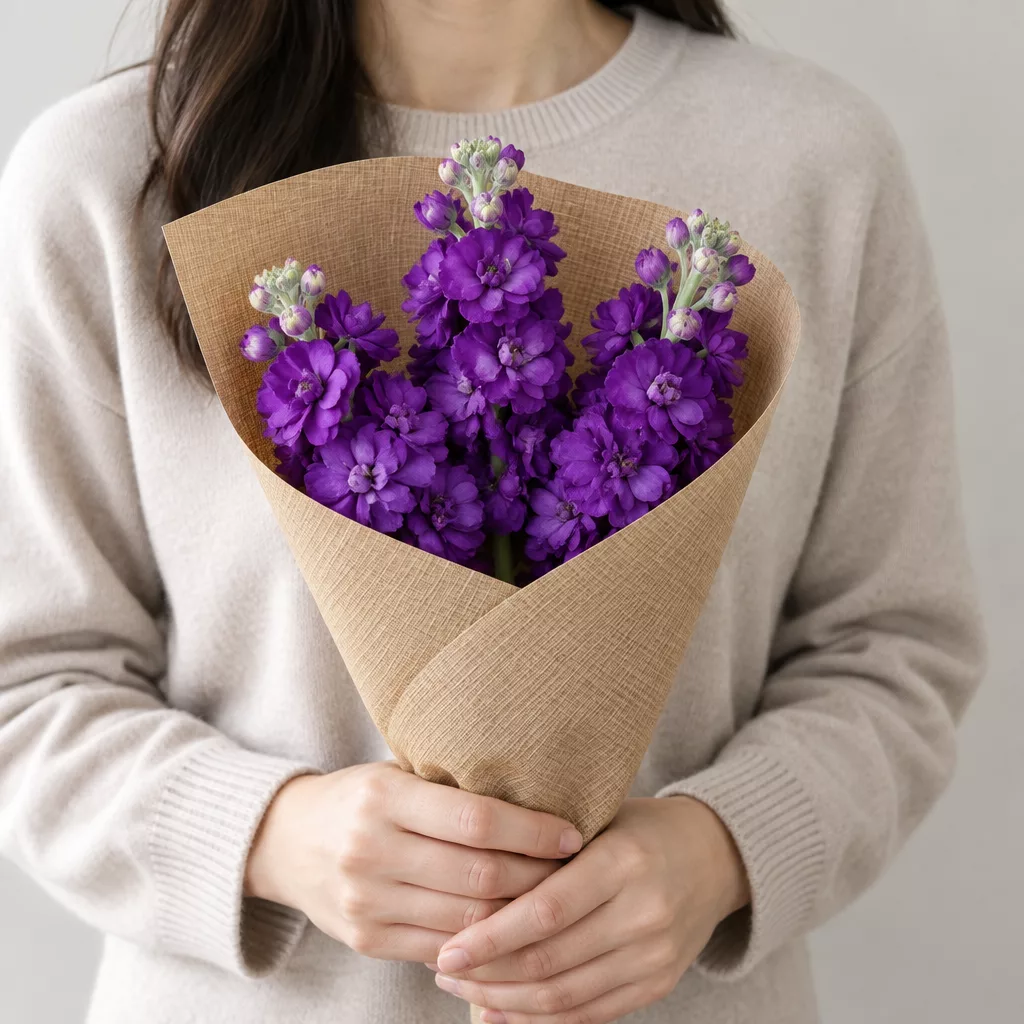
For a professional setting, such as congratulating a colleague or thanking a teacher, a more restrained composition works better. Seven to nine gerberas in a single colour, wrapped cleanly with kraft paper and a simple ribbon, communicates respect and taste without overstepping. White or soft coral are particularly good choices here because they feel considered rather than extravagant.
If you are sending to someone who lives alone or travels frequently, think about vase life from the start. A smaller bouquet of seven stems with robust companions like wax flower or statice will outlast a large arrangement of mixed soft flowers. Gerberas themselves are reasonably long-lived when cared for, but they need to be the star of the arrangement rather than an afterthought. Pairing them with flowers that have similar water needs and stem strength will keep the whole bouquet looking good for longer, which means the recipient thinks of you every time they pass the vase.
What Gerbera Bouquets Typically Cost and What Affects the Price
Gerbera daisies are among the more accessible flowers in the Russian market, which is one reason they are so popular for everyday gifting. Prices vary depending on the size of the bouquet, the rarity of the colour, the season, and the quality grade of the stems. Standard colours in peak growing season tend to be the most affordable, while unusual two-tone varieties or imported stems during periods of high demand will cost more.
The biggest factor affecting price in Russia is not the flower itself but the arrangement and presentation. A simple hand-tied bunch wrapped in paper is the most economical option. Add a decorative box, a layer of preserved moss, complementary foliage, or a handwritten card, and the price rises accordingly — but so does the perceived value of the gift. Russian recipients are accustomed to beautifully packaged flowers, so presentation is rarely wasted money.
Delivery timing also affects cost. Same-day delivery within one to two hours, which is the standard Turboflora offers across Russia, is a premium service, but it guarantees the flowers arrive at peak freshness rather than sitting in a van overnight. For flowers as moisture-sensitive as gerberas, this matters. A bouquet that arrives the same day it was made will last noticeably longer than one that spent a night in transit. Factoring delivery quality into your budget decision is as important as the flower count itself.
How to Tell Fresh Gerberas from Tired Ones
Knowing what a fresh gerbera looks like will help you evaluate any bouquet before accepting it. The stem should be firm and straight, not rubbery or bent near the head. The petals should lie flat and feel slightly waxy to the touch — not papery, wilted, or translucent at the edges. The centre disc of the flower, which is the dense round cluster in the middle, should be tight and compact. When the centre begins to loosen and individual tiny florets become visible and separate, the flower is past its prime.
The stem end is another reliable indicator. A fresh cut stem will be pale green or cream at the base. A stem that has been out of water or cut too long ago will show browning or sliminess, and the hollow centre of the stem may look discoloured. Reputable florists re-cut stems before arranging, which is why buying from a shop with high turnover and fast delivery matters.
In Russian flower shops, particularly during cold months, watch for stems that have been chilled too aggressively. Gerberas are sensitive to temperatures below four degrees Celsius and can develop dark, water-soaked patches on the petals after cold damage, even if they look fine initially. A flower damaged by cold will collapse within a day or two regardless of how well you care for it at home. Flowers delivered quickly from a temperature-controlled environment avoid this problem entirely.
Vase Life and Home Care: Making Gerberas Last
Gerberas can last seven to ten days in a vase with the right care, which is longer than many people expect. The first step is the most important: cut at least two centimetres from the bottom of each stem at a sharp angle using a clean knife rather than scissors. Scissors compress the stem tissue and restrict water uptake. Make this cut under running water or immediately plunge the stem into water so no air enters the cut end.
Use a clean vase filled with cool, not cold, water. Gerberas prefer shallow water — about eight to ten centimetres — rather than a deep vase, because the lower part of the stem can rot if submerged too deeply. Remove any leaves that would sit below the waterline, as decaying foliage will contaminate the water quickly. Change the water every two days and re-cut the stems each time you do.
Keep the bouquet away from direct sunlight, radiators, and fruit bowls. Ripening fruit emits ethylene gas, which accelerates petal drop in gerberas noticeably. A cool room, ideally between sixteen and twenty degrees Celsius, will extend vase life significantly. In Russian apartments, which are often quite warm in winter due to central heating, placing the vase in a cooler spot overnight — a hallway or near a window that is not draughty — can add two or three extra days to the life of the bouquet. These small adjustments make a real difference.
Ordering Gerberas for Delivery Across Russia: What to Expect
Ordering flowers for delivery to another city in Russia is straightforward when you understand how the process works. Turboflora delivers fresh flowers across Russia within one to two hours of ordering, which means the bouquet your recipient receives has been assembled that same day. This is particularly important for gerberas, which are sensitive to handling and benefit enormously from a short journey from workbench to vase.
When placing an order, be specific about the recipient's situation if you can. Is she at an office where a large box might be awkward? Is he at home and will have time to arrange the flowers himself? Does the recipient have a preference for wrapped bouquets over boxed arrangements? These details help the florist make choices that will delight rather than inconvenience the person receiving them.
If you are sending to a recipient in a city you are unfamiliar with, do not worry about local customs. Gerberas are universally understood and appreciated across all regions of Russia, from Saint Petersburg to Vladivostok. The gifting culture is consistent: flowers should look abundant, be presented beautifully, and arrive in excellent condition. A bouquet ordered through Turboflora meets all three criteria because the entire process — from sourcing to delivery — is managed without intermediaries. You can add a message in Russian or English, and the team will ensure it is delivered exactly as written, which matters when you are sending from abroad and want the personal touch to land correctly.
Gerbera daisies reward a little knowledge. When you choose the right colour for the person, match the bouquet size to the occasion, and know what freshness looks like, you end up with a gift that feels genuinely thoughtful rather than generic. The flower itself is forgiving and cheerful, but the difference between a bouquet that lasts three days and one that lasts ten comes down to how it was handled before it reached the vase. Ordering from a florist who controls the entire delivery process, cuts stems fresh on the day, and gets the flowers to your recipient within hours rather than overnight is the single most effective thing you can do to guarantee a beautiful result. We deliver bouquets across Russia in 1–2 hours.
Frequently asked questions
Are gerbera daisies available year-round in Russia?
Yes, gerberas are available throughout the year in Russia because the majority of supply comes from Dutch and Kenyan growers operating under controlled greenhouse conditions. Standard colours such as red, yellow, coral, and white are consistently stocked. Unusual varieties or very specific shades may require a day's advance notice, particularly around major gifting dates like March 8th when demand peaks sharply.
Is yellow an acceptable colour for a gift bouquet in Russia?
Yellow gerberas are widely given and received in Russia today, particularly among younger people and in professional contexts. The old superstition linking yellow flowers to bad luck or separation has faded considerably in urban areas. If you are sending to an older recipient in a more traditional household, a mixed bouquet combining yellow with coral or orange is a comfortable middle ground that still feels warm and celebratory.
How many gerberas should I order for a birthday bouquet?
Russian gifting culture traditionally favours odd numbers of flowers for celebratory occasions. Eleven, fifteen, or twenty-one stems are all generous and appropriate for a birthday. A bouquet of eleven gerberas in two complementary colours with some greenery looks full and festive without being overwhelming. For a milestone birthday or a significant celebration, twenty-one stems in a decorative box makes a strong and memorable impression.
Why did my gerberas wilt so quickly after delivery?
The most common cause is air in the stem. If the stems were not re-cut immediately before being placed in water, an air bubble forms and blocks water uptake. Re-cut two centimetres from the base at an angle and place immediately in clean cool water. Cold damage during transport is another cause — petals develop soft dark patches within a day or two. Flowers delivered quickly in temperature-controlled conditions are far less likely to show this problem.
Can I mix gerberas with roses or other flowers in one bouquet?
Gerberas mix well with many flowers, but some combinations work better than others. Eucalyptus, wax flower, solidago, and lisianthus are all excellent companions because they share similar water needs and do not compete visually. Roses can work alongside gerberas when the colour palette is carefully matched. Avoid combining gerberas with flowers that need very deep water, as gerberas prefer a shallow vase to prevent stem rot.
Ready to send flowers?
Pick the city, choose the bouquet, and a local florist takes it from there.
Choose a city →