Flowers for a Sick or Recovering Business Contact in Russia
When a colleague falls ill or a long-standing partner is recovering from surgery, a bouquet says something a message cannot. In Russian professional culture, sending flowers to someone who is unwell is a genuine and respected gesture — not overly personal, not intrusive, simply warm. Getting the choice right, though, takes a little thought. The wrong colour, the wrong number, or the wrong note can send an unintended signal. This article walks you through everything you need to feel confident: which flowers suit the occasion, how to frame your message, and how to make the arrangement feel considered rather than rushed.
Why Flowers Matter in Russian Professional Relationships
In Russia, the boundary between professional and personal life is softer than in many Western countries. A business relationship that has lasted years often carries genuine warmth, and falling ill is seen as a moment when that warmth should show itself. Sending flowers to a hospitalised or recovering colleague is not considered too intimate — it is considered attentive. Ignoring the situation entirely, on the other hand, can feel cold.
This matters especially for foreign partners working with Russian companies. If your counterpart has been hospitalised and you send nothing, it may register as indifference. A modest, well-chosen bouquet, even delivered to their home address after discharge, repairs that gap immediately.
The gesture also carries a practical signal: you value the relationship enough to act outside the transaction. Russian business culture places considerable weight on personal trust, and small moments like this build it steadily. A bouquet that arrives on the third day of recovery, with a handwritten note, often leaves a stronger impression than a formal email ever could.
Flowers for illness do not need to be grand. A compact, fresh arrangement in soft tones communicates care without theatrics. What matters is that it arrives, that it looks alive and well-tended, and that the note sounds like it came from a real person rather than a template. Starting from that understanding makes every other choice easier.
Bouquets we can deliver

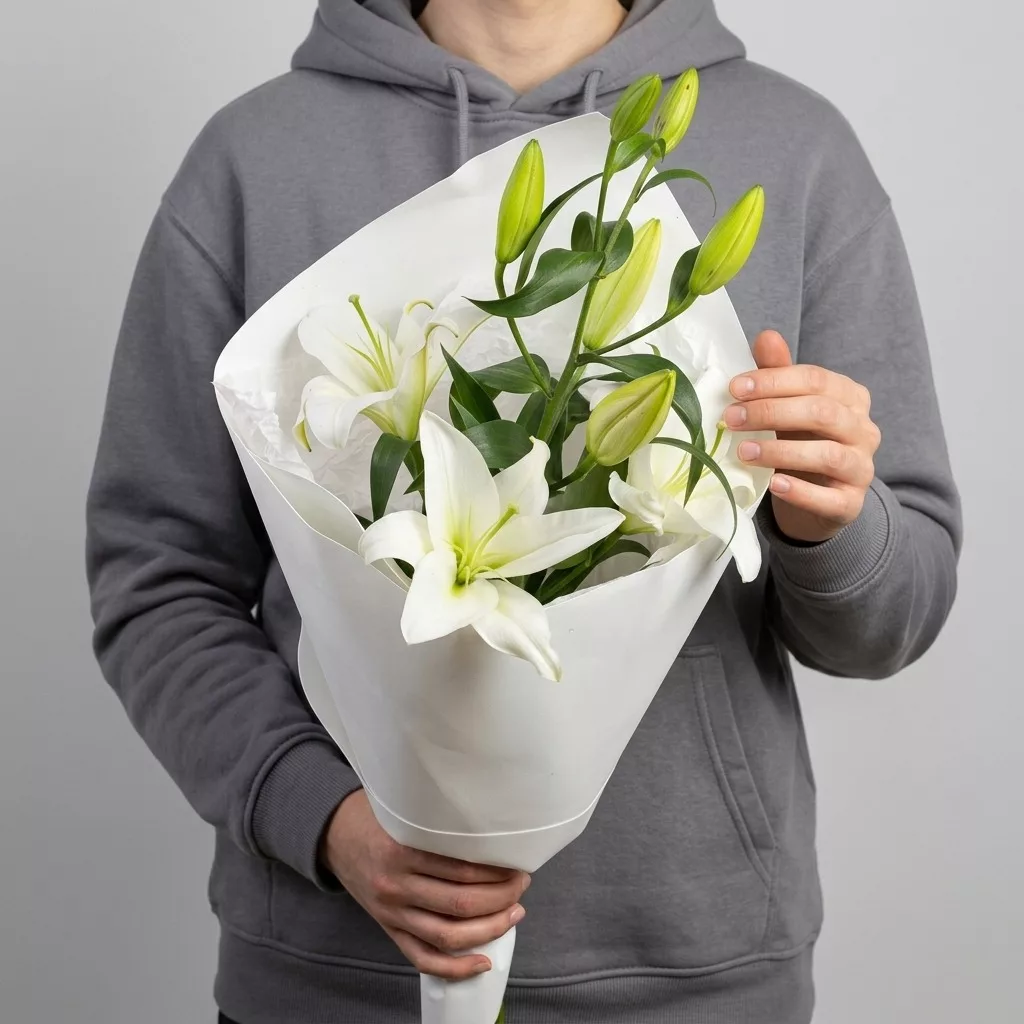
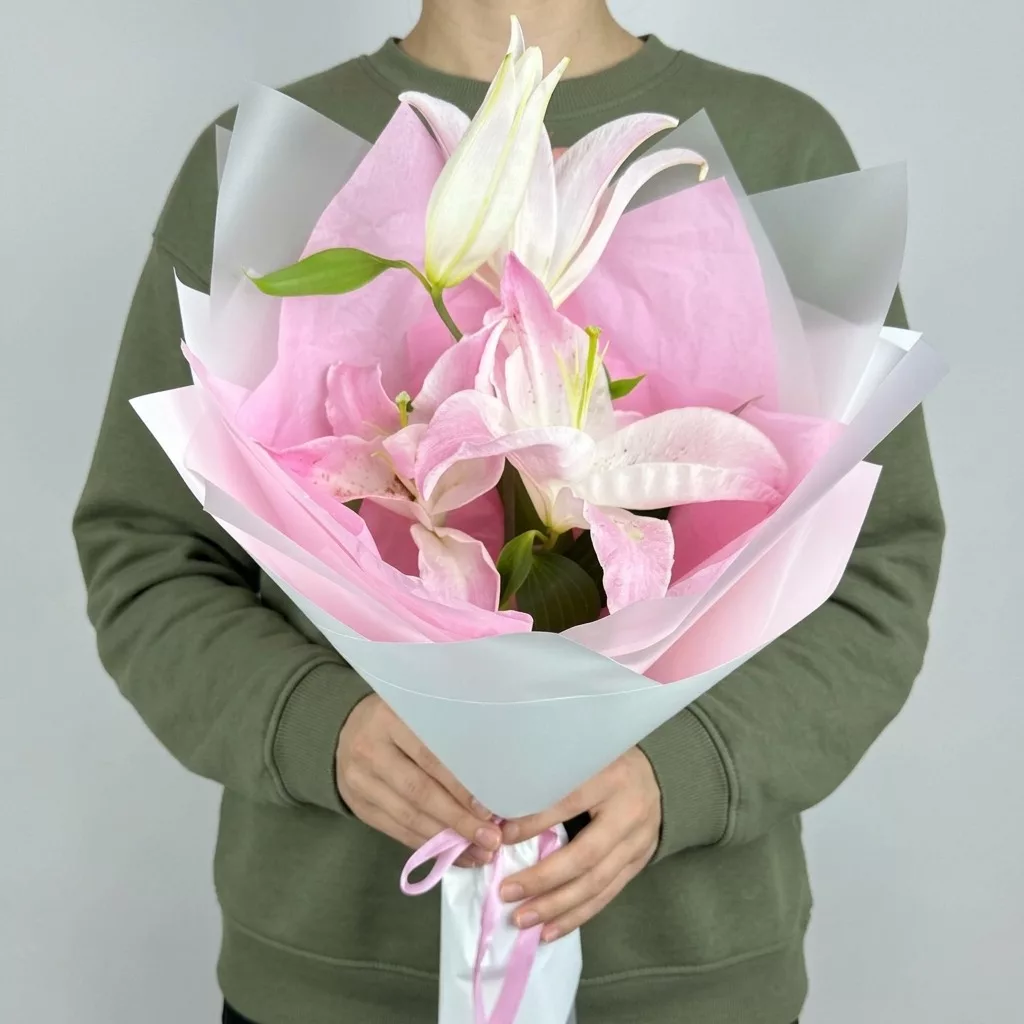
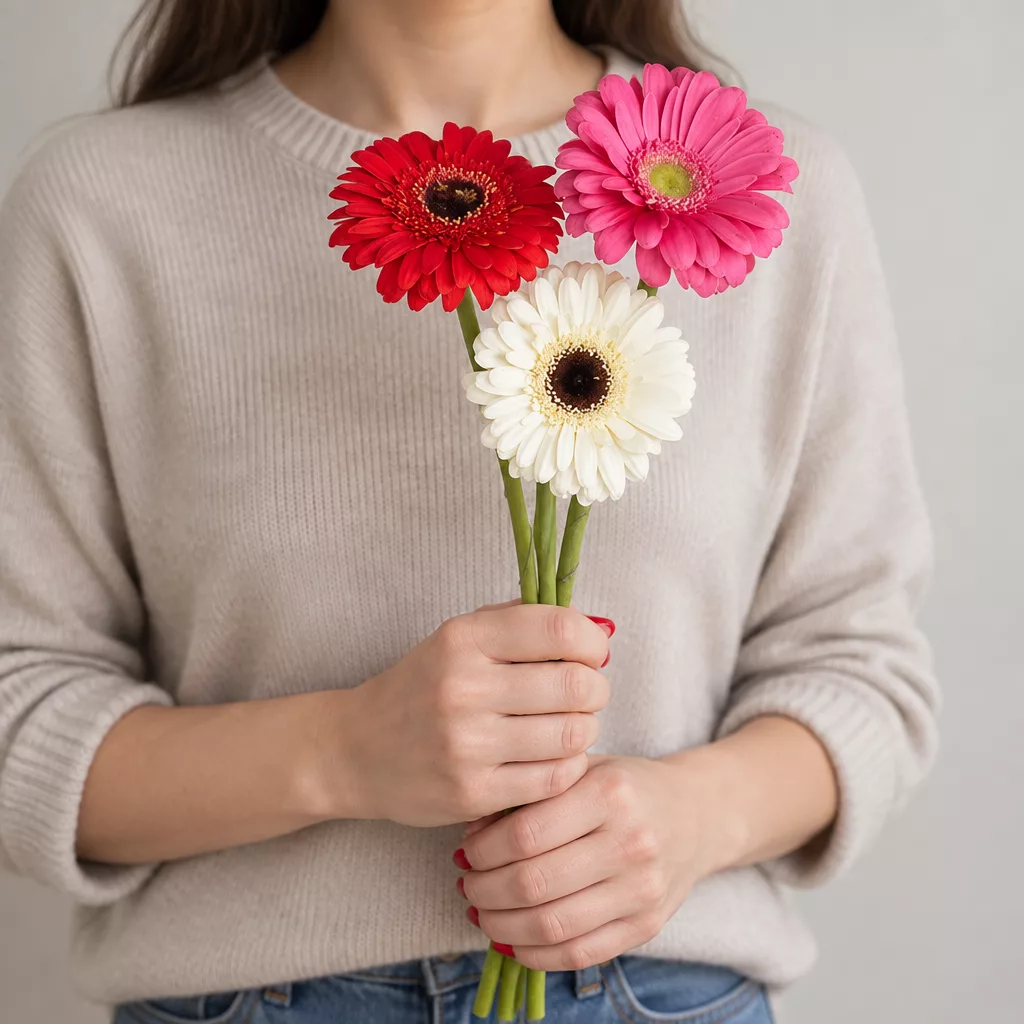
Colours and Varieties That Feel Right for Recovery
Soft, living colours are the foundation of a good get-well arrangement. White, pale yellow, peach, and light lavender all read as gentle and uplifting without any associations that might feel out of place in a recovery context. Avoid deep red roses in this setting — in Russia they carry a romantic or celebratory weight that feels mismatched when someone is unwell. Bright orange can feel too loud for a hospital room or a quiet home.
For varieties, freesia is an excellent choice. It is light, fragrant without being overpowering, and its arching stems give an arrangement natural movement. White or pale yellow freesia works particularly well. Chrysanthemums in cream or soft pink are sturdy, long-lasting, and widely respected in Russian flower culture — they are not associated with mourning in get-well contexts when chosen in light colours and combined with greenery.
Eustoma, sometimes called lisianthus, is another strong option. Its layered petals resemble a rose but with a softer, more delicate character, and it holds well for seven to ten days in a vase. Spray roses in blush or ivory add texture without the formality of a single-variety bouquet.
A combination of two or three varieties almost always looks more considered than a single-type arrangement. Pair freesia with eustoma and a few stems of eucalyptus, or combine spray roses with white chrysanthemums and soft greens. These combinations feel fresh, balanced, and genuinely suited to a room where someone is resting and recovering.
What to Avoid — and Why It Matters in This Context
A few choices that seem neutral in other contexts carry unwanted weight when flowers are sent to someone who is ill. The most important rule in Russian tradition is the number of stems: even numbers of flowers are associated with mourning and funerals. Always send an odd number — five, seven, nine, or more. This is not superstition you need to explain; it is simply the correct form, and Russian recipients will notice immediately if it is wrong.
Strong fragrance is worth reconsidering if the recipient is in hospital or recently home from one. Lilies, while beautiful, release a scent that can feel suffocating in a small room and may interfere with medication sensitivity. Tuberose and hyacinth carry the same risk. If the person is at home and you know they love fragrance, a light freesia or a single stem of garden rose can offer scent without overwhelming the space.
Yellow flowers deserve a note. In some Russian regions, yellow flowers carry associations with separation or bad luck in relationships. This is not universal and younger recipients in cities like Saint Petersburg or Moscow rarely hold this view, but for a business contact whose background you do not know well, it is safer to use yellow only as an accent rather than the dominant colour.
Finally, avoid anything that looks wilted or loosely assembled. A get-well bouquet should look alive and cared-for. It reflects directly on how much attention you gave the gesture, and in a professional relationship that impression carries weight.
Choosing by the Situation: Hospital, Home, or Office Return
Where the flowers will be received changes what you should order. A hospital room is usually small, shared, and not always flower-friendly — some wards restrict cut flowers due to allergy concerns or infection protocols. If your contact is still admitted, it is worth sending a compact arrangement rather than a large statement piece, and confirming that the hospital accepts flowers before ordering. Alternatively, timing the delivery for their return home is often the better choice.
For home delivery during recovery, you have more freedom. This is where a fuller, more generous arrangement makes sense — something that will sit on a table and bring colour to a room for a week. A medium-sized hand-tied bouquet of eustoma, spray roses, and eucalyptus, wrapped simply and delivered in water, works well here. The goal is something that feels like a room brightening up, not a formal presentation.
When a colleague is returning to the office after a longer illness, flowers at their desk on the first day back are a lovely touch. Here, a smaller, desk-appropriate arrangement is ideal — something that fits comfortably without taking over a workspace. A few stems of freesia in a simple wrap, or a compact mixed bouquet in soft tones, communicates welcome-back warmth without making the moment feel like a ceremony.
Timing matters too. Sending flowers on the first or second day of known illness shows attentiveness. Sending them on the day of discharge, or the day before an expected return, is equally thoughtful and often more practical for the recipient.
Budget Ranges and What Each Delivers
You do not need to spend extravagantly to make a strong impression with a get-well bouquet. What matters far more than scale is freshness, composition, and the care visible in how the arrangement is put together. That said, it helps to know what different investment levels actually produce.
A modest arrangement — compact in size, three to five stems of a quality variety like eustoma or freesia with greenery — is entirely appropriate for a professional acquaintance or a colleague you know less well. It arrives, it looks fresh and intentional, and it says the right thing without overstepping.
A mid-range bouquet allows for a proper mixed composition: seven to nine stems across two or three varieties, wrapped well, with a small note card. This is the right level for a regular business partner, a client you have worked with for several years, or a colleague with whom you have a warm professional relationship. It feels generous without being theatrical.
For a close partner, a senior contact, or someone whose recovery has been serious, a fuller arrangement with premium varieties — garden roses, lisianthus, and structured greenery — makes a meaningful statement. The size should still be manageable for a home environment; the quality and freshness of the flowers carry the message more than sheer volume.
In all cases, the note matters as much as the flowers. A well-worded, personal message lifts even a simple bouquet into something genuinely memorable. Never send flowers without a card.
Wording Your Message: Professional Warmth Without Overstepping
The note that accompanies a get-well bouquet is where many people get stuck. In a business context, you want to sound warm and genuine without crossing into the overly personal. Russian professional culture values sincerity, but it also values appropriate register — the tone of a message to a business contact should feel different from one to a close friend.
Keep the message short: three to five sentences is enough. Open by acknowledging the situation directly — not with elaborate phrases, but simply. Something like: 'We heard you are recovering and wanted to send our warmest wishes for a swift return to health.' This is direct, genuine, and professional.
Avoid asking detailed questions about the illness or offering medical opinions. Do not reference work deadlines or upcoming meetings in the same note — that undermines the gesture entirely. The message should be entirely about the person's wellbeing, not the business calendar.
If you know the person well enough, a brief personal touch works well: a reference to a shared project, a quality you genuinely admire, or simply the fact that their presence is missed. 'The office feels quieter without you' is the kind of line that lands warmly without overstepping.
For Russian-speaking recipients, writing in Russian is a thoughtful touch even if your Russian is limited — a short phrase like 'Желаем скорейшего выздоровления' (wishing you a speedy recovery) alongside your English message shows effort and cultural awareness. If you are ordering through a florist, ask them to include it on the card.
Keeping Flowers Fresh: Advice to Pass On to the Recipient
A bouquet that arrives fresh and is cared for correctly will last seven to ten days, sometimes longer. When you send flowers to someone who is recovering, they may not be in the best position to manage vase care immediately — so a simple note tucked with the arrangement, or a message through the florist, can help the flowers stay beautiful longer.
The most important step is clean water, changed every two days. Bacteria in the vase water is the primary reason cut flowers decline early. The vase should be rinsed each time the water is changed, and the stems trimmed at an angle by one to two centimetres with each change. This keeps the cut open and drawing water freely.
Temperature matters significantly. Flowers last longest in a cool room, away from direct sunlight, radiators, and draughts. In Russian apartments during winter, central heating can be very strong — a windowsill above a radiator is one of the worst places for a bouquet. A table in a cooler part of the room, or near a north-facing window, extends vase life noticeably.
Eustoma and chrysanthemums are among the longest-lasting varieties in a vase. Freesia will fade a little faster but remains fragrant and cheerful for five to seven days with good care. Spray roses hold well if kept cool and given fresh water regularly.
If the arrangement includes a floral foam or water-retaining wrap, it should be kept damp but not waterlogged. Passing these simple tips along — even informally — means your gesture stays visible and appreciated for much longer.
Sending flowers to a Russian business contact who is ill or recovering is one of the most human things you can do within a professional relationship — and it is noticed. The right arrangement, in soft and living colours, sent at a thoughtful moment with a genuine note, does more for a working relationship than most formal gestures ever could. Keep the number odd, keep the colours gentle, keep the message warm and brief. Turboflora delivers fresh flowers across Russia within one to two hours, so the timing is always in your hands.
Frequently asked questions
Is it appropriate to send flowers to a Russian business contact who is in hospital?
Yes, and it is genuinely appreciated. In Russian professional culture, sending flowers when a colleague or partner is ill signals care and respect for the relationship. Confirm the hospital accepts cut flowers before ordering, or time the delivery for when they return home. A compact, fresh arrangement in soft colours is ideal for a hospital setting.
How many flowers should a get-well bouquet contain for a Russian recipient?
Always choose an odd number of stems — five, seven, nine, or more. In Russian tradition, even numbers of flowers are associated with funerals and mourning. This rule applies across all gifting contexts in Russia, and most recipients will notice immediately if the count is wrong. Your florist should follow this automatically.
Are there flowers I should definitely avoid when sending to someone who is unwell?
Avoid strongly scented flowers like lilies and tuberose in small or enclosed spaces, as the fragrance can be overwhelming for someone recovering. Deep red roses carry romantic associations in Russia and feel mismatched for a get-well context. Yellow as a dominant colour can carry negative associations for some recipients, so use it as an accent rather than the main tone.
What should I write on the card when sending get-well flowers to a business contact?
Keep it short, warm, and focused entirely on the person's wellbeing — three to five sentences is enough. Acknowledge the situation simply, wish them a swift recovery, and avoid any reference to work deadlines. A brief Russian phrase like 'Желаем скорейшего выздоровления' alongside your message shows cultural awareness and is always well received.
How long will a get-well bouquet stay fresh after delivery?
With proper care, most arrangements last seven to ten days. Change the vase water every two days, trim the stems at an angle with each change, and keep the bouquet away from radiators and direct sunlight. Eustoma and chrysanthemums are particularly long-lasting varieties. Freesia will fade a little sooner but remains fragrant and cheerful for five to seven days.
Ready to send flowers?
Pick the city, choose the bouquet, and a local florist takes it from there.
Choose a city →