Graduation Flowers in Russia: Traditions at School and University
In Russia, a graduation without flowers is almost unimaginable. From the first-grade bell ceremony in September to the final university diploma day in June, bouquets mark every milestone of a student's life. If you are attending a Russian graduation for the first time, or sending flowers to someone who is, the sheer volume of blooms can feel surprising — teachers walk away with armfuls, graduates pose for photographs buried in roses and peonies, and the hall smells like a garden in full bloom. Understanding why this tradition matters, and how to participate in it well, makes the gesture far more meaningful.
Why Flowers Are Central to Russian Graduation Culture
In Russian culture, flowers are the default language of celebration and respect. They appear at birthdays, name days, anniversaries, and professional milestones — but graduation occupies a special place because it marks the end of one chapter and the beginning of another. The emotional weight of the day calls for something tangible, something a photograph cannot replace.
At school graduations, known as vypusknoj, the tradition of giving flowers to teachers is deeply rooted in gratitude. Russian students have typically spent eleven years with many of the same teachers, and a bouquet is a sincere acknowledgment of that relationship. It is not a formality — it is expected, and arriving without one would be noticed.
At university, the custom is slightly less structured but equally present. Classmates bring flowers to each other, families bring bouquets to their graduates, and department heads often receive arrangements from student groups. The scale is different from school, but the sentiment is the same: flowers signal that this moment deserves to be marked properly.
What makes Russian graduation flowers distinct is the quantity. A single flower is never enough. Bouquets tend to be generous, full, and unhurried in their composition. This is not extravagance for its own sake — it reflects a cultural belief that the person receiving the flowers is worth the effort. Choosing carefully, rather than grabbing whatever is available at the entrance to the venue, is a way of showing that you planned ahead and that the graduate or teacher genuinely matters to you.
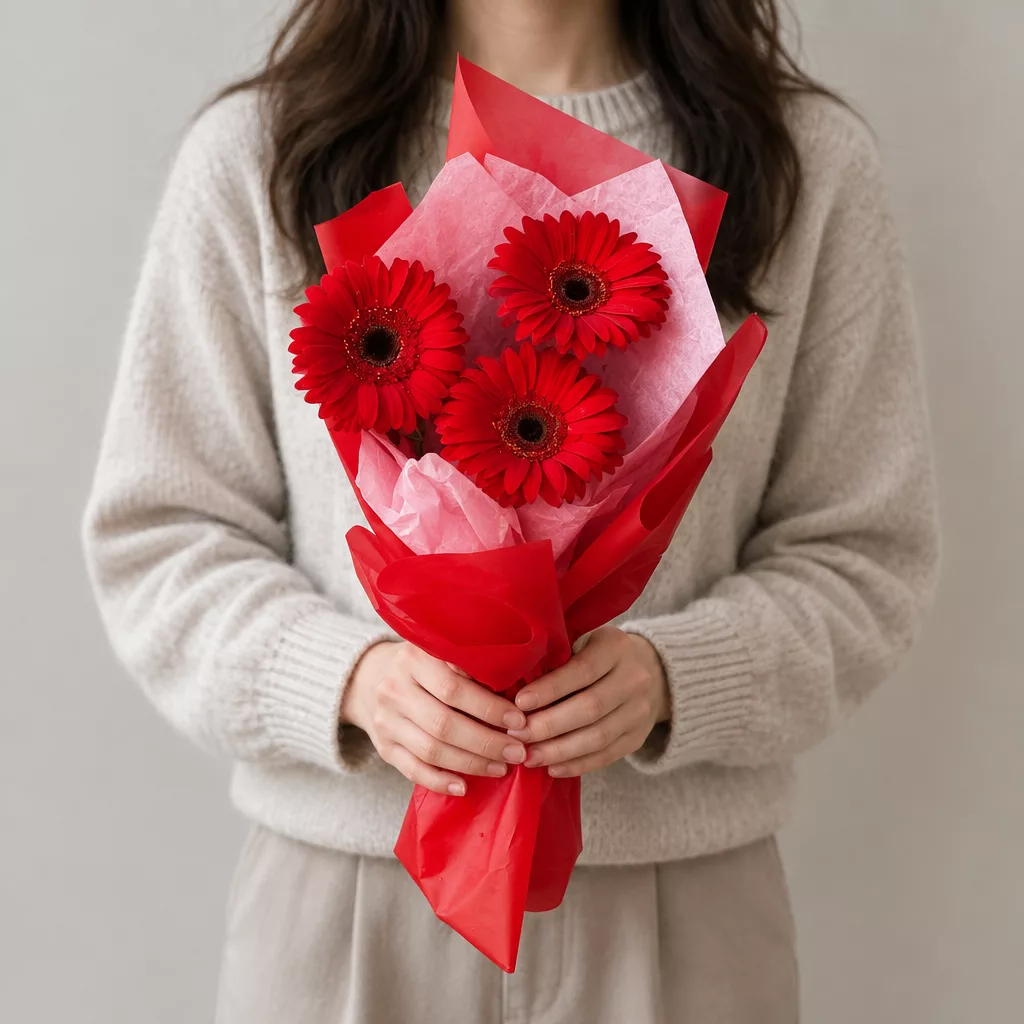
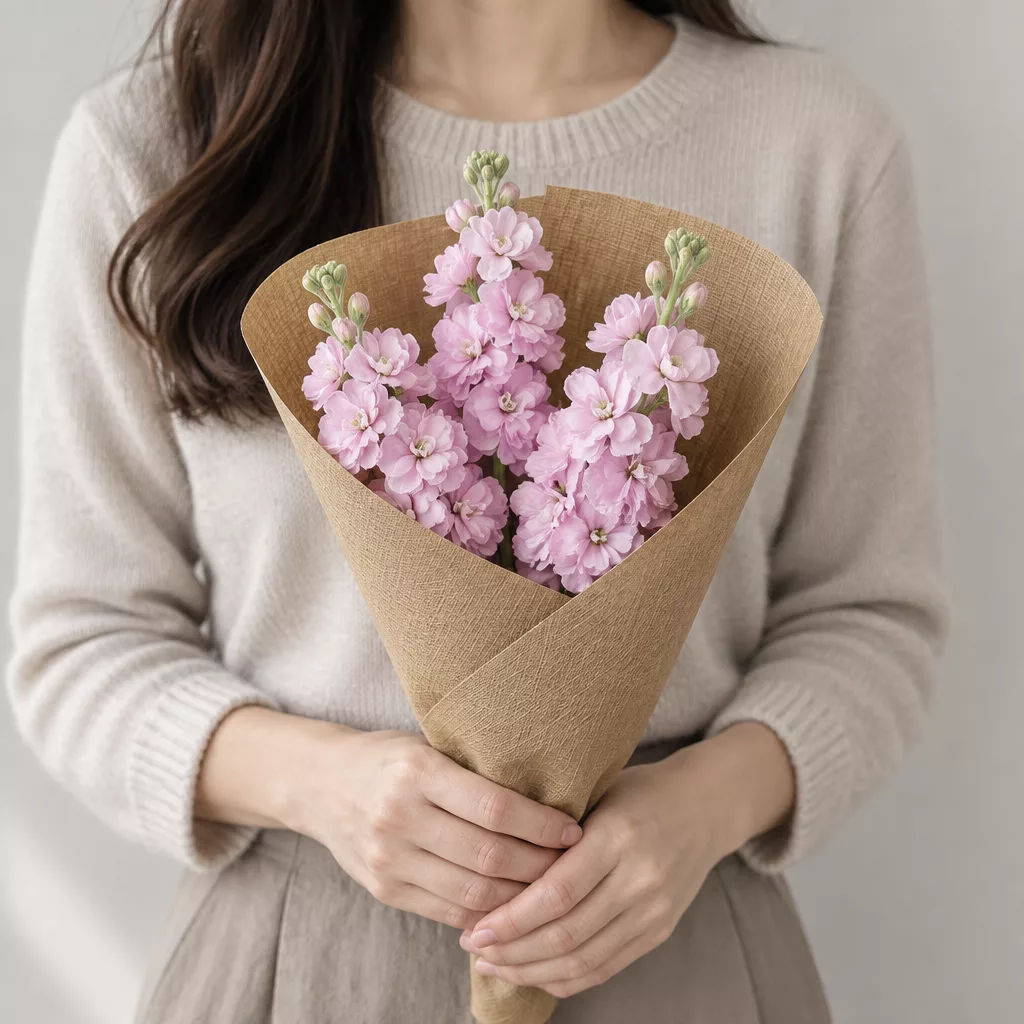
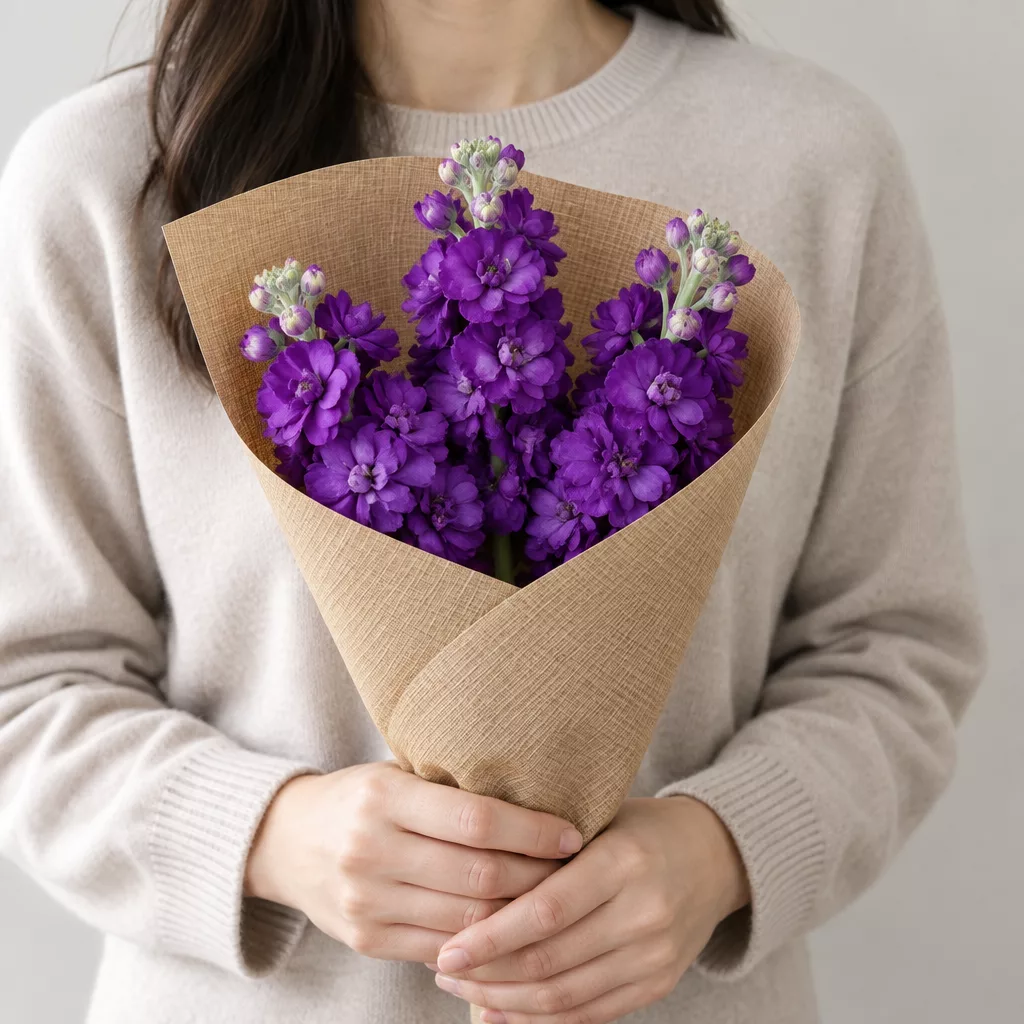
Bouquets we can deliver

School Graduation: What Graduates and Teachers Actually Appreciate
Russian school graduation ceremonies typically take place in late May or June, which is fortunate for flower lovers because the seasonal range is at its widest. Peonies are in peak season, garden roses are abundant, and lisianthus, ranunculus, and delphinium are all available in their freshest form. The warm weather means bouquets need to be kept cool until the moment of presentation, but the choice of varieties is generous.
For the graduate herself — and in Russia the majority of school graduates receiving flowers are young women — a bouquet that feels celebratory rather than formal works best. Think loose, layered compositions: blush or coral peonies mixed with white lisianthus and a few stems of eucalyptus for softness. Pastel palettes photograph beautifully and feel personal rather than corporate. Bright sunflowers with greenery are also popular for graduates who prefer something bold and uncomplicated.
For class teachers, the approach shifts slightly. These are professional women who will receive many bouquets on the same day, so something with real staying power matters. Spray roses, alstroemeria, and chrysanthemums last well in a warm hall. A compact, structured arrangement in white or soft yellow reads as thoughtful and elegant without being overwhelming.
One common mistake is buying flowers on the way to the venue from a street stall. These bouquets have often been standing in warm water for hours and will wilt within the day. Ordering ahead from a florist who can prepare and deliver the bouquet chilled on the morning of the ceremony makes a visible difference in quality — and the recipient will notice.
University Graduation: Tone, Scale, and What Sets It Apart
University graduation in Russia carries a slightly more adult atmosphere than school vypusknoj. The ceremony is often held in a large auditorium or assembly hall, and the mood is a mix of professional pride and personal relief. Students have spent four to six years reaching this point, and the flowers brought to mark the occasion tend to reflect that longer journey.
Graduates at university level often receive bouquets from parents and partners rather than classmates, and these bouquets tend to be larger and more considered. A mono bouquet of fifty red or white roses is a classic choice from a family — it photographs well, it reads clearly as a significant gift, and it holds up through a long ceremony day. For a partner giving flowers, something more intimate works better: garden roses in a single rich color like deep burgundy or dusty rose, wrapped loosely with minimal greenery.
Department supervisors and thesis advisors are also commonly given flowers, particularly by students who feel a genuine debt of gratitude. Here, a structured hand-tied bouquet in neutral tones — white roses, cream freesia, and a few stems of waxflower — conveys respect without being overly decorative.
One detail worth knowing: university ceremonies often run long and may extend into warm afternoon hours. Varieties like roses, peonies, and ranunculus are sensitive to heat. If flowers are being delivered to the venue or carried in from outside, ask the florist to wrap them in insulating paper and keep them in shade or a cool car until the moment of presentation. A wilted bouquet at the end of a three-hour ceremony tells its own story, and it is not the one you want to tell.
Choosing by Budget: From a Single Bouquet to a Group Gift
Graduation flower budgets in Russia vary widely, and there is a thoughtful option at every level. The key is matching the composition to the occasion rather than simply spending more.
At a modest budget, a hand-tied bouquet of spray roses, alstroemeria, and a few stems of statice makes a generous impression. These varieties are hardy, long-lasting, and available in a wide range of colors. For a teacher, white spray roses with pale green buttons chrysanthemum is a reliable, graceful combination that will still look fresh at the end of the day.
At a mid-range budget, you move into territory where you can mix premium varieties. A bouquet of garden roses with lisianthus and soft ruscus greenery feels considered and complete. Adding a few stems of freesia introduces fragrance, which makes the bouquet memorable in a room full of flowers. This tier also allows for better wrapping — kraft paper with a ribbon, or a structured box arrangement.
At a higher budget, mono bouquets of peonies, premium Dutch roses, or garden ranunculus make a strong visual statement. A large round bouquet of blush peonies, for example, is immediately recognizable as something special, even across a crowded hall. Group gifts from an entire class to a beloved teacher often fall here — pooling a contribution makes it possible to present something truly impressive.
Whatever the budget, avoid mixing too many colors or too many varieties in a single bouquet. A focused palette of two or three colors always looks more intentional than a random assortment, and intentionality is what the recipient will remember.
Colors and Their Meaning at Russian Graduation Ceremonies
Color carries real weight in Russian flower culture, and graduation is no exception. While there are no rigid rules, certain palettes have become associated with specific feelings and relationships, and understanding them helps you choose more confidently.
White is the most universally appropriate color for teachers. It signals respect, gratitude, and formality without coldness. White roses, white lisianthus, or white chrysanthemums are all safe and elegant choices. Adding a single accent color — soft yellow, pale peach — warms the arrangement without losing its respectful tone.
For graduates, color becomes more personal. Young women in their late teens often love blush pink, coral, and lavender — these feel celebratory and feminine without being predictable. Bright yellow sunflowers or orange gerbera are popular for graduates who have a more energetic, outgoing personality. Deep red roses are a classic choice from a romantic partner and carry their own clear meaning.
Green is increasingly present in modern graduation bouquets, not as a filler but as a design element. Eucalyptus, fern fronds, and ruscus add texture and make a bouquet feel fresh and contemporary. A bouquet that is mostly green with a handful of white or cream flowers reads as sophisticated and current.
One color to approach with care is yellow on its own. In older Russian tradition, yellow flowers were associated with separation or bad luck in a relationship. This belief is less common among younger generations but is still held by some older family members. When in doubt, mix yellow with white or orange to soften any potential concern, or simply ask the florist to guide you.
Presentation and Timing: Getting the Details Right
The moment of presentation matters as much as the bouquet itself. At Russian school graduations, flowers for teachers are typically given at the beginning of the ceremony, during a formal procession or greeting. Students carry their bouquets in and present them before the speeches begin. Arriving with a crushed or drooping bouquet because it was left in a hot car for two hours is a situation worth avoiding entirely.
For university ceremonies, the timing is more flexible. Flowers for a graduate are often given after the diploma is received, during the photographs and informal celebration that follows the official proceedings. This means the bouquet may need to survive several hours — from delivery or purchase in the morning through to the afternoon reception.
Ordering flowers for delivery on the morning of graduation, rather than the evening before, is the most reliable approach. Fresh-cut flowers are at their best within the first twelve hours after preparation. A bouquet prepared and delivered at nine in the morning for an eleven o'clock ceremony will look its best precisely when it needs to.
Presentation wrapping also plays a role. A well-wrapped bouquet feels like a gift rather than a purchase. Kraft paper with a satin ribbon is classic and suits almost every occasion. For a more modern look, a transparent sleeve with a matte paper base shows off the flowers while keeping them protected. Ask the florist to include a small card — even a few handwritten words make the bouquet feel personal in a way that a bare stem arrangement never quite achieves.
If you are sending flowers to a graduate in another city, order early and confirm the delivery window. Graduation days are among the busiest days of the year for florists across Russia.
Caring for Graduation Bouquets: Making Them Last
A graduation bouquet that lasts a week is a gift that keeps giving. After the ceremony, the flowers move into the home and continue to mark the occasion every time someone walks past them. A few simple care habits make the difference between a bouquet that fades by evening and one that stays beautiful for days.
As soon as the bouquet arrives home, trim the stems at a diagonal cut under running water. This removes any air bubbles that have formed and allows the stems to draw water immediately. Remove any leaves that would sit below the waterline in the vase — submerged leaves rot quickly and contaminate the water, shortening the life of the entire bouquet.
Peonies, which are a graduation season staple, benefit from a cool environment overnight. If the room is warm, moving the vase to a cooler spot — a hallway, a bathroom — overnight will extend their life by several days. They are sensitive to heat and will open and drop petals faster in a warm room.
Roses should have their water changed every two days. Re-trimming the stems at each water change keeps them drawing moisture efficiently. A small amount of flower food, usually included with a florist-prepared bouquet, genuinely helps — it contains sugars and a mild antibacterial agent that maintain water quality.
Lisianthus and alstroemeria are among the longest-lasting graduation flowers, often staying fresh for ten to fourteen days with basic care. If you are choosing a bouquet for someone who lives alone and may not have time to fuss over flowers, these varieties are a kind and practical choice. The bouquet will still be beautiful when the excitement of graduation week has settled into everyday life.
Russian graduation flowers are not a formality — they are one of the most genuine expressions of celebration and gratitude in the culture. Whether you are choosing a bouquet for a teacher who shaped eleven years of a child's life, or sending something to a graduate who has just crossed a finish line they worked years to reach, the flowers you choose carry real meaning. Get the timing right, pick varieties that suit the season and the person, and present them with a little care and intention. That is all it takes to get this tradition exactly right. We deliver bouquets across Russia in 1–2 hours.
Frequently asked questions
How many bouquets should a student bring to a Russian school graduation?
Most students bring one bouquet for their class teacher and sometimes a second for a subject teacher they feel especially close to. Bringing flowers for every teacher is not expected. A single well-chosen bouquet for the primary teacher is the standard, and it is the quality and care of that one bouquet that leaves the lasting impression.
Is it appropriate to send flowers to a Russian graduate who lives in another city?
Absolutely, and it is a very appreciated gesture. Order the bouquet for delivery on the morning of the ceremony so it arrives fresh. Include a short personal note on the card — a few words about pride and congratulations mean a great deal when the sender cannot be present in person. Same-day delivery services make this straightforward across most Russian cities.
What flowers should I avoid bringing to a Russian graduation?
Avoid all-yellow bouquets, as some older family members associate them with bad luck in relationships. Avoid flowers that wilt quickly in heat, such as tulips in late spring, which struggle in warm ceremony halls. Also avoid overly funereal arrangements — stark white lilies alone, for example, can feel ambiguous in tone. Stick to celebratory, seasonal varieties with color and texture.
Are mono bouquets fashionable at Russian graduations, or do people prefer mixed arrangements?
Both are genuinely popular, and the choice depends more on the recipient than on trend. A large mono bouquet of peonies or roses makes a bold, photogenic statement and is a favorite for family gifts to graduates. Mixed arrangements with two or three complementary varieties feel more personal and work especially well for teachers, where the composition can reflect a little more thought and creativity.
How far in advance should I order graduation flowers in Russia?
Ordering one to two days ahead is ideal for most occasions, but for graduation season — late May through June — ordering three to five days in advance is safer. This is the busiest period of the year for florists, and popular varieties like peonies and garden roses can sell out quickly. Early ordering also gives you more choice in composition and color palette.
Ready to send flowers?
Pick the city, choose the bouquet, and a local florist takes it from there.
Choose a city →