Hostess Gift Flowers: Sending Blooms to a Russian Family Home
You have been invited to a Russian family's home for dinner, a birthday celebration, or a holiday gathering — and you want to arrive with something beautiful. Flowers are the right instinct. In Russia, bringing a bouquet to the hostess is not just a polite gesture; it is an expected and genuinely appreciated tradition. The details, though, matter more than most guests realise. The number of stems, the choice of colour, the way the bouquet is presented — each of these carries meaning in a Russian household. Get them right and you signal warmth and respect. Get them slightly wrong and the hostess will still smile, but you will have missed an opportunity to make a real impression.
Why Flowers Matter So Much in a Russian Home
In Russian culture, the home is a deeply personal space, and an invitation inside is a genuine act of trust and hospitality. Arriving with flowers acknowledges that — it says you understand the effort the hostess has made and you are not taking it lightly. Unlike in some Western contexts where wine or chocolates might be the default, flowers remain the most emotionally resonant gift you can bring to a Russian front door.
The hostess, not the table or the occasion, is the focus of the bouquet. This is worth remembering. You are not decorating the dining room; you are honouring a person. That shift in thinking changes everything about how you choose the flowers — the scale, the colours, the mood of the arrangement.
Russian families across generations share this appreciation for flowers, from grandmothers who keep a vase on the windowsill year-round to younger hosts who follow floral trends on social media. A thoughtful bouquet lands well regardless of age or background. It is one of the few gifts that works universally, provided you follow a small number of customs that are easy to learn and simple to apply.
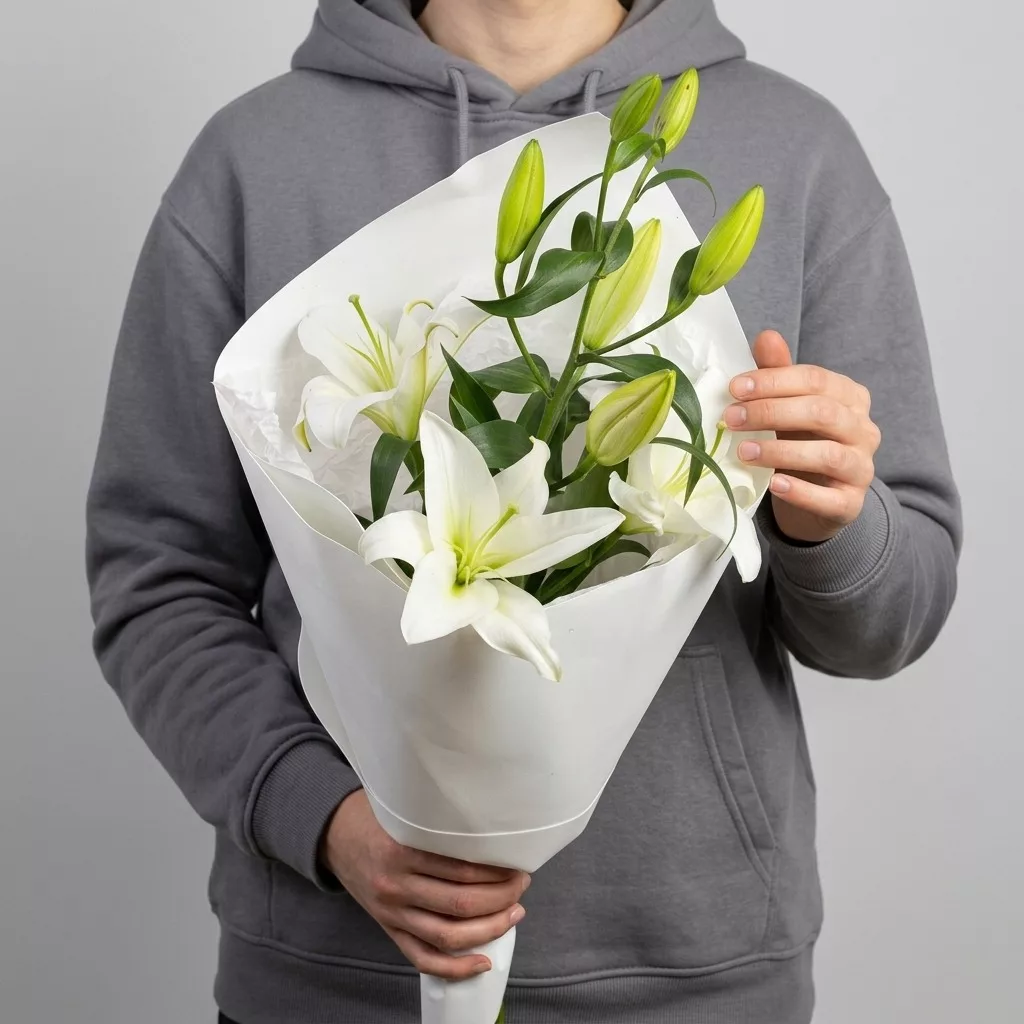
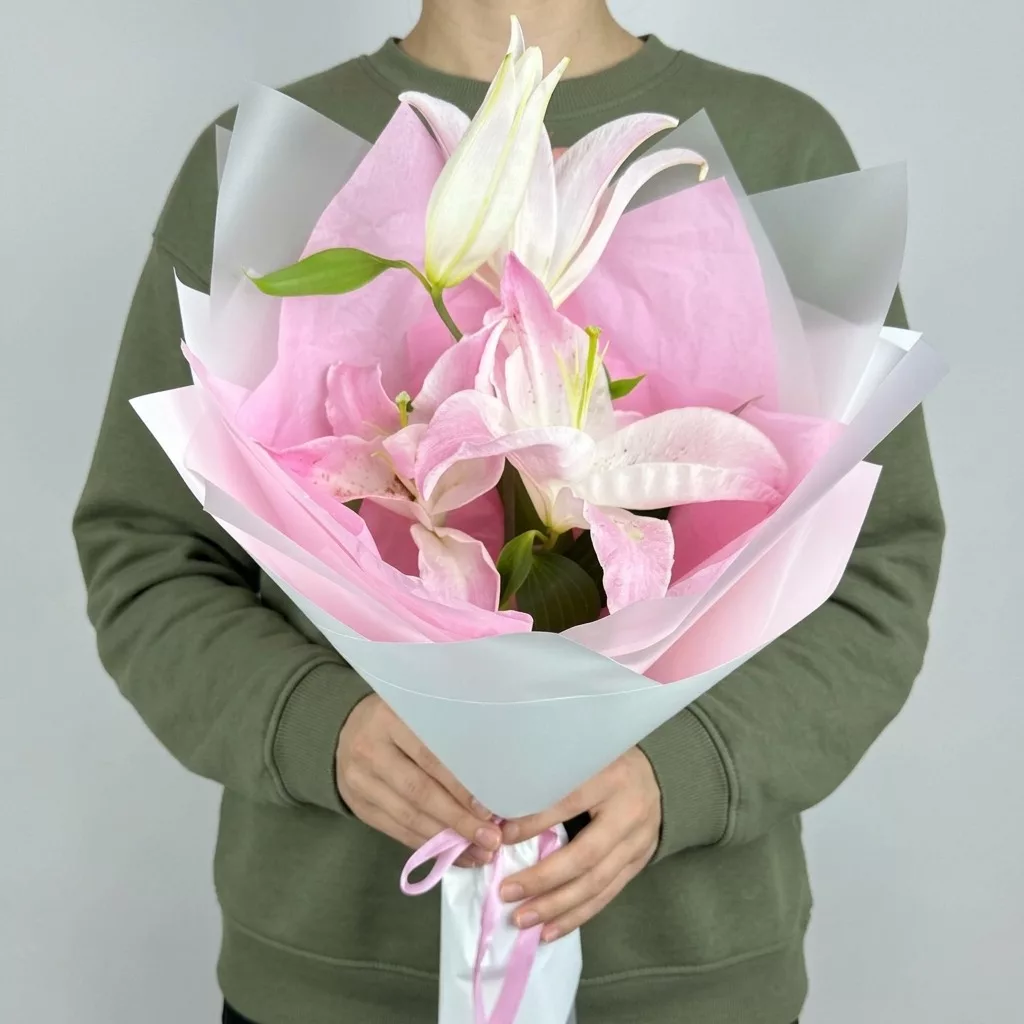
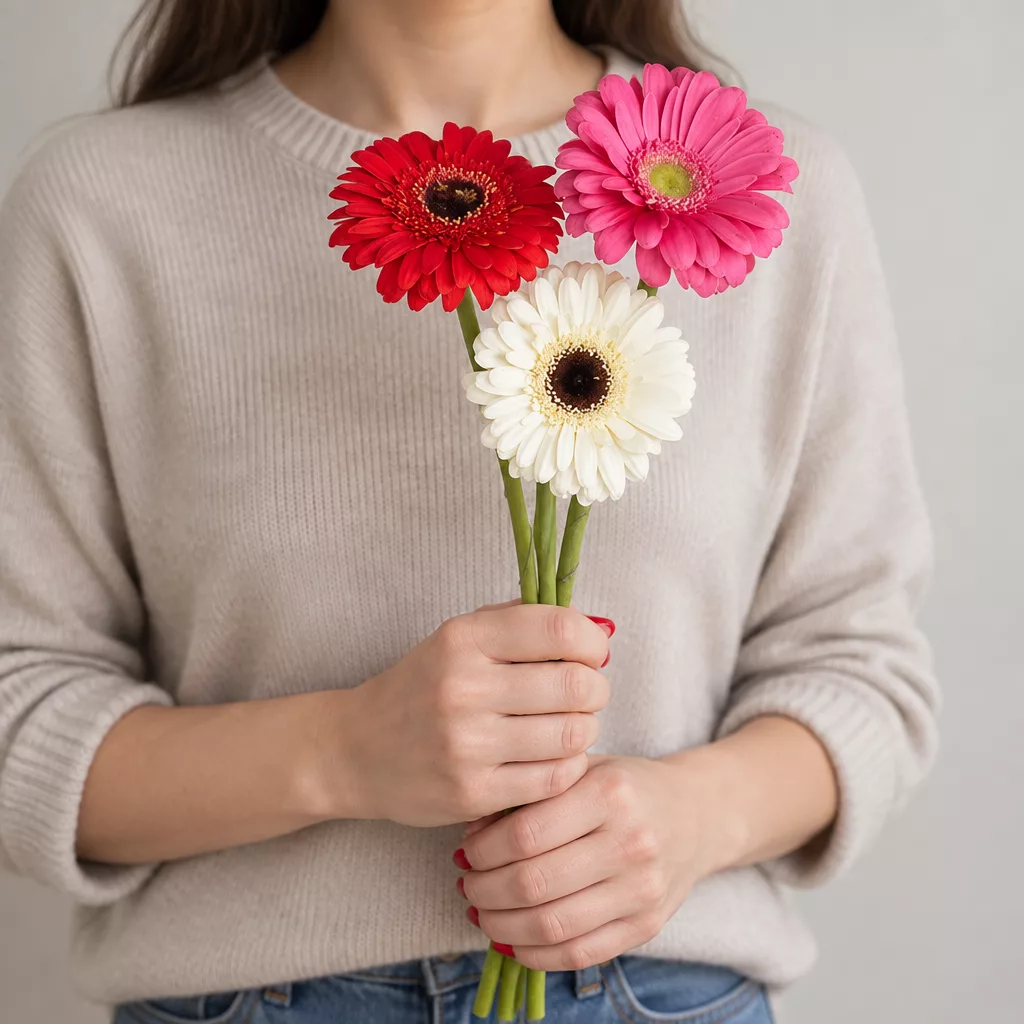
Bouquets we can deliver

The One Rule Everyone Mentions: Odd Numbers Only
If you remember nothing else from this article, remember this: in Russia, even numbers of flowers are reserved for funerals. Bringing a bouquet of ten roses or twelve tulips to a dinner party will create an awkward silence the hostess will be too polite to explain. Always give an odd number — three, five, seven, nine, eleven, or more. This rule applies whether you are carrying the flowers in person or sending them ahead of your visit.
The odd-number custom is genuinely held and widely observed across Russia, not a regional quirk or an older generation's preference. Younger Russians in Moscow and Saint Petersburg follow it just as instinctively as families in Kazan or Novosibirsk. If you are ordering online and the florist allows you to specify stem count, always confirm it comes to an odd number before completing the order.
Beyond the number, avoid all-white arrangements for a home visit. White flowers are beautiful and perfectly appropriate in mixed bouquets, but an entirely white arrangement carries associations that can feel out of place at a celebratory table. A few white blooms among pink, peach, coral, or soft yellow stems look elegant and welcoming. When in doubt, lean toward warm tones — they read as generous and joyful, exactly the mood you want to set when you walk through someone's door.
Choosing Flowers for the Occasion, Not Just the Season
A birthday dinner calls for something exuberant — garden roses in blush or deep pink, ranunculus layered with eucalyptus, or a generous peony arrangement when the season allows. The goal is abundance. Russian hospitality is famously lavish, and a modest three-stem offering can feel underwhelming against a table set for twelve.
For a more casual visit — Sunday lunch, a family gathering without a named occasion — the mood can be softer. A relaxed hand-tied bouquet of alstroemeria, spray carnations, and seasonal greenery is cheerful without being theatrical. Alstroemeria is particularly practical: it lasts ten to fourteen days in a vase, so the hostess enjoys the gift long after you have gone home.
If you are invited to a name-day celebration, which Russians observe with the same warmth as a birthday, treat it with the same generosity as you would a birthday bouquet. Name days are significant in many Russian families, especially those with Orthodox traditions, and arriving with a full, well-composed bouquet shows you understand the occasion.
For New Year gatherings, which are the most important holiday celebration in Russia, consider arrangements that include deep red roses, white gypsophila, or pine and spruce accents. These feel festive without being heavy. Avoid Christmas-specific imagery — the Russian New Year aesthetic is distinct, and a skilled florist will know how to compose something that feels seasonal and celebratory rather than borrowed from another tradition.
Bouquets by Budget: What to Expect at Each Level
A smaller budget does not mean a lesser gift — it means a smarter edit. Three or five long-stemmed roses wrapped in kraft paper with a ribbon is a classic that never reads as cheap. The key is clean presentation: no cellophane fuss, no filler that overwhelms the focal flower, and stems cut to a consistent length. A tight, well-wrapped bouquet of five roses looks more intentional than a loose bundle of fifteen mixed stems thrown together without thought.
At a mid-range spend, you can begin to layer textures. Think garden roses paired with lisianthus, which has a similar ruffled look to a peony but is available year-round and holds its shape beautifully in a vase. Add a few stems of waxflower or pittosporum for contrast and the bouquet starts to feel genuinely composed rather than assembled.
At a more generous budget, peonies in season, David Austin roses, or a structured arrangement of orchids and tropical greenery make a statement. These are appropriate for milestone occasions — a significant birthday, a housewarming, or a thank-you for exceptional hospitality. Orchid arrangements, particularly phalaenopsis, last three to four weeks with minimal care, which many Russian hostesses quietly appreciate as much as the beauty of the flowers themselves.
Whatever your budget, prioritise freshness above variety. A few perfectly fresh stems will always outperform a large bouquet of flowers that were cut several days ago. Ask when the flowers were delivered and choose accordingly.
Sending Flowers Ahead: Timing and Presentation for Delivery
Sending flowers before you arrive — or when you cannot attend in person — is a warm and increasingly common gesture in Russia. The timing matters. Aim for delivery one to two hours before the gathering begins, giving the hostess time to find a vase, trim the stems, and enjoy the arrangement before guests arrive. A bouquet that lands in the middle of a busy kitchen during the final cooking rush is still appreciated, but it adds to the chaos rather than the joy.
In Saint Petersburg, where temperatures can drop to minus fifteen or lower in winter, fresh flowers need to be protected during transit. Reputable florists wrap bouquets in insulating sleeves for cold-weather deliveries, but it is worth confirming this when you order. Flowers exposed to extreme cold, even briefly, can develop translucent, water-soaked patches on petals that will not recover. Roses and tulips are particularly sensitive; chrysanthemums and carnations handle the cold somewhat better.
Include a handwritten-style card message with your delivery. In Russian custom, a few warm words addressed directly to the hostess — using her name and a specific reference to the occasion — carry more weight than a generic greeting. Something like 'For Irina, with gratitude for your wonderful table' lands far better than 'Happy birthday.' It shows attention, and in a culture where personal warmth is prized, that detail is noticed and remembered long after the flowers have faded.
Colours and Their Meanings in a Russian Context
Russians are fluent in the language of flower colour in a way that can surprise visitors. Red roses signal romantic love and are generally not appropriate for a hostess gift unless you are in a romantic relationship with the hostess — bringing them to a family dinner can create unintended awkwardness. Save deep red roses for romantic occasions and reach instead for pink, coral, peach, or cream when you want to express warmth and admiration.
Yellow flowers carry complicated associations in some older Russian traditions — they were once linked to separation or infidelity — though this belief has faded significantly among younger generations in cities. To be safe with guests of mixed ages, keep yellow as an accent rather than the dominant colour. A few yellow ranunculus tucked into a predominantly pink or white bouquet reads as cheerful rather than symbolic.
Purple and violet tones — lavender roses, lisianthus in deep plum, statice — are elegant and well-received as hostess gifts. They feel sophisticated without being cold. Orange is joyful and energetic, a good choice for a younger hostess or a casual celebration. Soft peach and apricot tones are universally flattering and carry no complicated associations whatsoever, which is why florists often recommend them when a customer is uncertain. They photograph beautifully on a dining table and feel genuinely warm in a home setting.
Vase Life and Care Tips to Pass Along with the Bouquet
Part of giving a great bouquet is giving the hostess the best chance of enjoying it for as long as possible. A few care instructions tucked into the wrapping or mentioned casually as you hand over the flowers shows you thought about the gift beyond the moment of giving.
Fresh-cut stems should be re-cut at a forty-five degree angle before going into water — this increases the surface area for water uptake and makes a noticeable difference in longevity. The vase should be clean, filled with cool water, and placed away from direct sunlight and heat sources. In a Russian home, this often means keeping the bouquet away from the radiator, which runs warm through the long winter months and will shorten vase life significantly.
Remove any leaves that fall below the waterline, as they decompose quickly and cloud the water with bacteria that block the stems. Change the water every two days and re-cut the stems each time. With this routine, roses will last seven to ten days, alstroemeria ten to fourteen days, and lisianthus seven to ten days. Tulips are shorter-lived at five to seven days but continue to open and move in the vase in a way that many people find charming.
If your bouquet includes a flower food sachet — the small packet of powder that florists sometimes include — encourage the hostess to use it. It is not a gimmick; it genuinely extends vase life by providing sugars and an antibacterial agent that tap water alone cannot supply.
Bringing flowers to a Russian family home is one of the most gracious things a guest can do, and it is simpler than it might seem once you know the customs. Choose an odd number of stems, lean toward warm colours, match the scale of the bouquet to the significance of the occasion, and think about the hostess as a person rather than a house to decorate. Whether you carry the flowers yourself or send them ahead with a warm note, the gesture will be received with genuine pleasure. Russian hospitality runs deep, and meeting it with a beautiful, thoughtfully chosen bouquet is a way of speaking the same language — even if you are new to the culture.
Frequently asked questions
Is it rude to arrive at a Russian home without flowers?
It is not considered rude, but arriving with flowers is so customary that it will always be noticed and appreciated. If you are invited to a meal or a celebration, a bouquet for the hostess is the warmest possible gesture. Wine or chocolates are also acceptable, but flowers carry a particular warmth in Russian tradition that other gifts rarely match.
Can I send flowers to the home the day before the event?
You can, though same-day delivery one to two hours before the gathering is ideal. Flowers sent the day before will still be fresh if properly cared for, but the hostess will be busy with preparations and may not have time to arrange them well. Timing your delivery to arrive just before guests is a more considered approach and ensures the bouquet looks its best on the day.
Are potted plants a good alternative to cut flowers as a hostess gift?
Potted plants are a generous and lasting gift, particularly orchids or small rose bushes. They are generally well-received in Russian homes. The only consideration is practicality — a large pot can be awkward to carry on public transport or hand over at a doorway. For a delivery gift, a potted plant works beautifully. For carrying in person, a hand-tied bouquet is easier and equally meaningful.
How many flowers should I bring for a large family gathering?
For a gathering of eight or more people, a bouquet of eleven to fifteen stems looks appropriately generous. The goal is not to overwhelm the hostess but to match the scale of the occasion. A well-composed arrangement of eleven roses or a mixed bouquet of thirteen stems with greenery reads as a serious gift without being excessive. Always confirm the final count is an odd number before ordering.
What flowers should I avoid as a hostess gift in Russia?
Avoid even numbers of stems, all-white arrangements, and bouquets dominated by yellow if your hosts are older. Chrysanthemums are sometimes associated with formal or solemn occasions in certain Russian regions, so they are safer as a secondary flower than a focal bloom. Beyond these points, most fresh, seasonal flowers are warmly received — freshness and presentation matter far more than the specific variety.
Ready to send flowers?
Pick the city, choose the bouquet, and a local florist takes it from there.
Choose a city →