How Flowers Are Packaged to Stay Fresh During Shipping
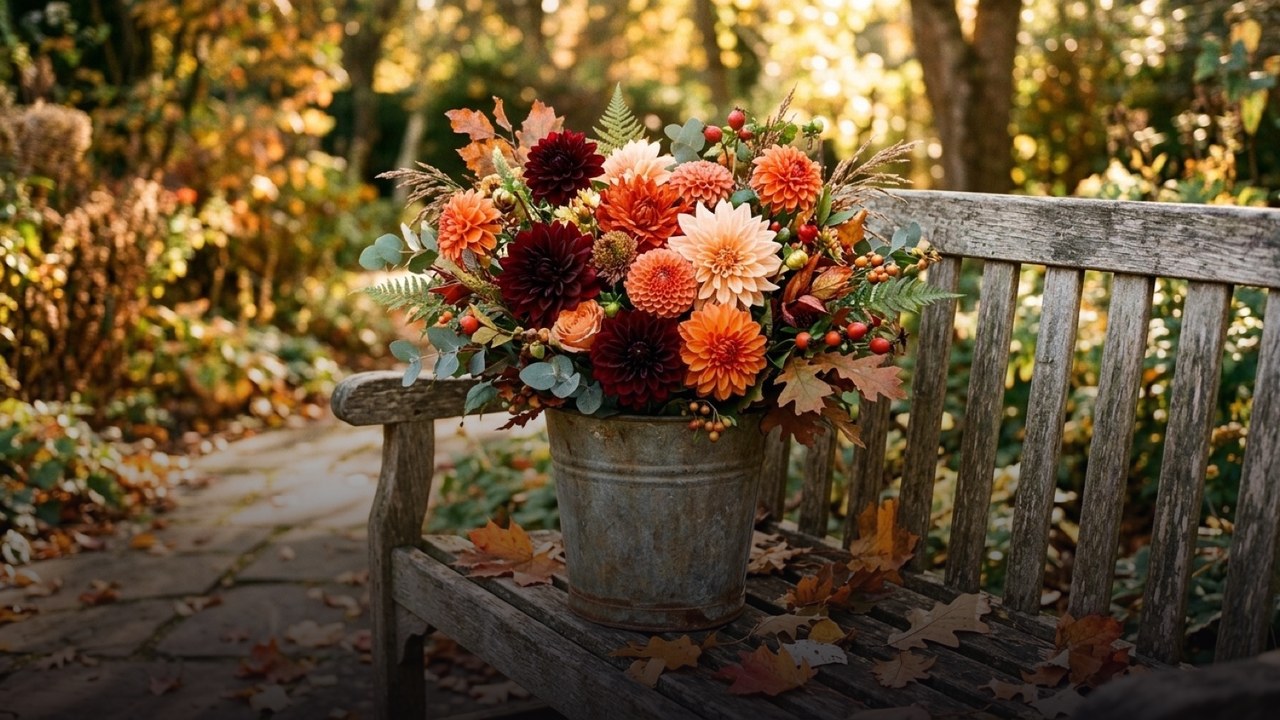
Flowers are packaged to stay fresh during shipping by protecting the blooms from pressure, securing the stems against movement and, where the journey requires it, providing moisture at the cut ends. Sleeves, supportive boxes and suitable protective layers serve different purposes; the right combination depends on the flowers, the weather and the time in transit.
Packaging helps preserve the condition of cut flowers, but it cannot replace careful handling or prompt care after arrival. If you are arranging a bouquet for someone in Russia from abroad, it helps to distinguish general flower-shipping methods from the arrangements confirmed for your particular order. Here is what each layer does, what to ask before delivery and what your recipient should do when the flowers arrive.
What flower packaging needs to protect
A fresh bouquet has several vulnerable parts: delicate petals, leaves that can become trapped in folds and stems that can bend or rub during movement. An outer sleeve helps keep the arrangement together and shields the flower heads from light contact. It should support the bouquet without squeezing the blooms into a tight bundle, especially where open flowers sit beside firmer buds.
For flowers travelling in a box, internal support matters as much as the outer cardboard. Stems need to be held so that the bouquet cannot slide from one end to the other whenever the box changes position. Empty space can allow movement, while excessive pressure can bruise petals. A sturdy-looking box alone therefore tells you little about how well the flowers are protected inside.
Presentation wrapping and transport protection have different jobs. Decorative paper may make a bouquet attractive, but it does not establish that the stem ends have moisture or that the flowers are protected from weather exposure. When discussing a delivery, ask about the actual journey and packaging rather than judging freshness by the number of layers visible in a photograph.
How moisture reaches the stems during transit
Cut flowers continue to lose water after they are harvested. Depending on the shipping method, stem ends may travel in a temporary water reservoir, individual water tubes or moisture-retaining wrapping enclosed to limit leakage. These are general packaging options, not a description of every bouquet delivery. The appropriate method depends on the arrangement and how long it will remain out of a vase.
Some cut flowers are also transported without a water supply for part of their journey, with hydration managed before and after that stage. This does not make dry transport suitable for every flower or every journey. Equally, a visible water pouch is not a promise of lasting freshness: clean water, sound stems, suitable handling and the duration of transport all matter.
Moisture belongs at the cut stem ends; wet petals are not a substitute for stem hydration. Do not assume that spraying a delivered bouquet will revive it, and avoid soaking the flower heads while unpacking. If the base has a sealed water pack, keep it upright and remove it carefully over a sink before placing the stems in a clean vase.
Bouquets we can deliver




Why weather and journey length affect the wrapping
Protective layers can reduce direct exposure to outdoor air, wind and sudden changes in conditions, but packaging cannot maintain suitable conditions indefinitely. Flowers should spend as little unnecessary time as possible outside or in an unsuitable waiting area. In cold weather, more decorative paper is not automatically better protection; the material and the way it surrounds the bouquet matter.
Heat creates a different problem: flowers can lose water more quickly, and a wrapped bouquet left in direct sun can become warm. Insulation may slow temperature changes, but it does not actively cool an arrangement. Avoid assuming that every flower shipment includes refrigerated transport, cooling packs or insulated boxes unless those details have been confirmed for that order.
The practical question is how the bouquet will travel and when someone can receive it. A short courier delivery and a parcel spending much longer in transit require different planning. Our guide to flower shipping to Russia offers further context; for your own order, confirm the receiving arrangements so that the flowers can be brought indoors promptly.
What to confirm when ordering flowers to Russia
Turboflora delivers flowers across Russia. Start with the recipient's city, full address and a realistic receiving time, then choose from the bouquets catalogue. City delivery costs 500 RUB; for remote districts and suburbs, the operator confirms the delivery price when confirming the order. Check those details before planning the rest of your gift.
Express delivery in large cities is available in 1–2 hours after the order is confirmed. You can also arrange delivery at an exact time with a tolerance of plus or minus 30 minutes, choose a window of 09–12, 12–15, 15–18 or 18–21, or pre-order 1–30 days ahead. If you are ordering from another country, make clear which date and time you intend in the recipient's city.
Contact a manager on WhatsApp for help choosing a bouquet, agreeing the time and address, arranging card text or requesting a photo before delivery. If transport packaging is a particular concern, raise it when agreeing the details rather than assuming a specific method. Online checkout uses CloudPayments; check the payment options displayed there, as acceptance of every foreign card cannot be promised.
Plan the handover so the bouquet reaches water sooner
Even carefully packed flowers benefit from a smooth handover. The courier calls the recipient about 15 minutes before arrival, so choose a receiving time when they are likely to be available. For an office or building with controlled access, provide clear address details and explain the receiving arrangements when confirming the order. This helps avoid uncertainty at the entrance.
If the recipient is absent, we agree a second delivery the same day or hand the flowers to a neighbour or concierge with the sender's consent. If you expect the recipient to be difficult to reach, discuss that possibility in advance. Anyone accepting the bouquet should be able to bring it indoors and pass it on promptly, rather than leave it in an exposed doorway.
Delivery is anonymous by default: the courier does not name the sender. A card with your text is free, so sign it if you want the recipient to know who sent the flowers. For a surprise, a short practical message can sit alongside your greeting, such as asking them to put the bouquet in water. Consider whether they will have a vase available, especially at work or while travelling.
How to unpack flowers and help them recover after delivery
Prepare a clean vase and fresh water before opening the bouquet. Set it on a stable surface, support the stems and remove the outer transport protection gently. Do not pull flower heads through a tight sleeve; open the sleeve along its seam if necessary, keeping scissors away from petals and stems. If the bouquet feels very cold, keep it away from radiators and other direct heat while unpacking.
For a hand-tied bouquet intended for a vase, remove temporary stem-end packaging and any leaves that would sit below the waterline. Recut the stem ends with a clean, sharp tool before placing them in water. You can usually leave the binding in place if it holds the design together without constricting the stems. For an arrangement fixed into a container, check its care needs before dismantling it.
Use flower food according to its packet instructions if supplied, and check the water regularly because stems may take up a noticeable amount after arrival. Replace cloudy water, remove fallen leaves and keep the bouquet away from direct sun, heaters and ripening fruit. Our cut-flower care guide explains the routine in more detail. Packaging protects the journey; consistent care supports the flowers once they are home. We deliver bouquets across Russia in 1–2 hours.
Frequently asked questions
Are all flowers shipped with water around the stems?
No. Flowers may travel with a temporary water supply or without one for part of the journey, depending on the flowers and transport method. Confirm the arrangements for your order rather than assuming that every bouquet includes a water pack.
Does a cardboard box keep flowers fresh by itself?
A box provides physical protection, but freshness also depends on stem condition, hydration, handling and time in transit. Internal support is needed to prevent the flowers from sliding or pressing against the sides.
Should the recipient remove all the wrapping immediately?
Remove transport protection carefully so the bouquet can be placed in a vase, including any temporary packaging around the cut ends. A hand-tied bouquet's binding can usually remain if it supports the arrangement without constricting the stems.
Can I see my bouquet before it is delivered in Russia?
You can contact a manager on WhatsApp to arrange a photo of the bouquet before delivery. A photo helps you see the arrangement, while questions about transport packaging should be discussed separately with the manager.
Can delivery be arranged for a specific time?
You can arrange an exact time with a tolerance of plus or minus 30 minutes, or choose a delivery window of 09–12, 12–15, 15–18 or 18–21. Orders can also be placed 1–30 days ahead.
Ready to send flowers?
Pick the city, choose the bouquet, and a local florist takes it from there.
Choose a city →