How to Tell Whether Your Bouquet Needs Water or a Fresh Stem Cut
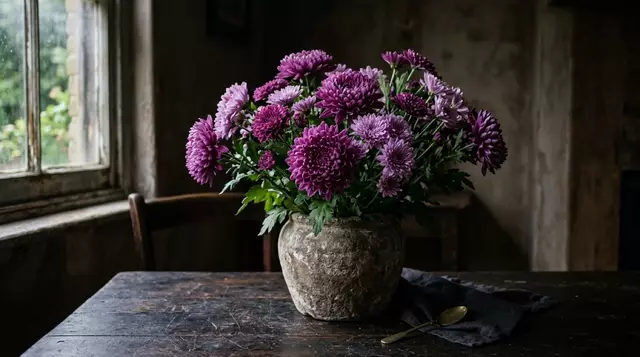
Check the waterline first: if any cut stem ends are above it, add clean water immediately; if the water is cloudy or smells unpleasant, replace it and wash the vase. If the ends are submerged but the flowers remain limp, or the stems have dried out during handling, a fresh stem cut is a sensible next step. Drooping alone cannot tell you which treatment is needed, and ageing or damaged flowers may not recover with either.
Think of the vase and the stems as two separate checks. The vase tells you whether water is available; the condition of each stem helps you judge whether the flower can take it up. A mixed bouquet may need both treatments at once, particularly when shorter stems sit above the water while longer ones remain submerged. Work through the checks below before repeatedly trimming the whole arrangement.
Start with the waterline, not the flower heads
Look through the side of the vase, or gently lift the bouquet just enough to see where the stems end. Every cut end should sit below the waterline, including short stems tucked into the centre. A vase can look adequately filled while leaving some flowers dry. If wrapping hides the water or makes the stems difficult to inspect, remove it before assessing the bouquet.
If the water is clear and the vase looks clean, top it up until all the cut ends are comfortably submerged. Keep leaves out of the water: remove any that would sit below the new level. You do not need to fill the vase to the rim. The useful level is one that covers the stem ends without immersing foliage or allowing water to spill when you move the arrangement.
A falling waterline shows that water is leaving the vase through uptake and evaporation, but it does not prove that every stem is drinking well. Check individual flowers as well as the level. If one flower droops while the others remain firm, inspect its stem separately rather than assuming that the whole bouquet needs more water. Make checking the vase a daily habit, especially after the first arrangement.
Recognise when fresh water and a recut make sense
Cloudy water, an unpleasant smell or a slippery coating inside the vase calls for a full water change. Adding fresh water to dirty water leaves the underlying problem in place. Lift out the flowers, empty and wash the vase, and rinse it thoroughly. Remove fallen leaves and loose plant material before refilling; these can deteriorate in the water and encourage microbial growth.
Inspect the stem bases while the bouquet is out. Ends that have dried in air, become crushed or developed soft, deteriorating tissue are reasons to make a fresh cut. A firm stem can still have impaired water uptake, so appearance alone is not a reliable test. Recutting exposes a fresh surface, but it cannot repair extensive decay or damage farther up the stem.
If the water was already clean and all stems were submerged, persistent limpness makes a recut worth trying after you check for heat and physical damage. Do not keep adding water to an already adequate level. For the underlying explanation, read how water reaches cut flowers through their stems; the practical aim is to keep both the water and the uptake pathway in good condition.
Bouquets we can deliver




Reset the vase and trim the stems carefully
Prepare a clean vase with fresh water before you start cutting, so the flowers can go straight back in. Use clean, sharp secateurs or a suitable sharp knife, with a stable surface and your fingers clear of the blade. Ordinary blunt scissors can squeeze the stem instead of cutting it cleanly. Handle the bouquet by its stems and avoid pressing or pulling on the flower heads.
Remove roughly 1–2 cm from each stem as a starting point, cutting above a damaged end where necessary. A slight angle is useful, particularly where a flat end might rest against the vase base; an extreme angle is unnecessary. Keep enough length to support the flower in its vase. Our guide to cutting flower stems for freshness explains the technique in more detail.
Return each stem to water promptly, then arrange the bouquet so the stems are supported without being tightly jammed together. Remove submerged leaves, but retain healthy foliage above the waterline. If the bouquet came with flower food, follow its dilution instructions rather than guessing. Do not smash woody stems or improvise mixtures of household chemicals: these can injure stems or create avoidable handling risks.
Read the response without expecting an instant recovery
After topping up or resetting the vase, leave the flowers somewhere cool in the ordinary household sense, away from direct sun, heaters and strong draughts. Give them several hours before judging the result. Improvement may show as firmer leaves or a better-supported head, but there is no dependable recovery deadline for every bouquet. Avoid lifting the flowers out repeatedly to inspect the cuts.
Judge each type of flower by its own structure. A naturally arching stem is different from a stem that has suddenly lost firmness, and flowers can change position as they open. In a mixed arrangement, compare the affected flower with how it looked earlier rather than expecting every head to stand upright. Water uptake also varies, so a small change in vase level is not a diagnosis on its own.
If one flower remains limp, look along its full stem for a kink, split or crushed section. A fresh cut at the bottom will not correct a break near the head. You may be able to shorten a flower below a damaged section and display it in a smaller clean vessel, provided healthy stem remains. Petals that are dry, bruised or deteriorating will not become undamaged simply because hydration improves.
Separate dehydration from ageing and prevent another slump
Loss of firmness can suggest a hydration problem, while persistent papery edges, falling petals and widespread deterioration can reflect ageing or damage. These signs sometimes occur together, so avoid treating any single symptom as proof. A bouquet that has been displayed for some time may contain flowers at different stages. Remove deteriorating flowers individually so you can care for the remaining stems without disturbing them unnecessarily.
Check water daily and replace it whenever it becomes cloudy or develops an odour. Inspect the vase and stem ends during the change, rather than automatically removing a large amount of stem every day. Repeated trimming gradually makes the bouquet too short for its container. If you use flower food, prepare replacement water according to the packet directions; extra concentrate is not a substitute for cleaning.
Keep the vase accessible enough that topping up is easy. A narrow opening can hide the level, while a tall decorative container can conceal a much smaller water reservoir inside. If someone else is caring for the bouquet, leave a specific instruction: check that every stem end is covered and change dirty water. That is more useful than simply saying to water the flowers, which can mean different things to different people.
Make bouquet care easy when sending flowers to Russia
If you are ordering from abroad, a short care message can help the recipient settle the bouquet into a vase. Suggest checking the waterline on arrival, trimming stems before arranging them and keeping leaves above the water. Phrase it as a helpful extra alongside your greeting. Turboflora delivers flowers across Russia, and you can start by browsing the bouquets catalogue before arranging the delivery details.
City delivery costs 500 RUB; for remote districts and suburbs, the operator confirms the price when confirming the order. In large cities, express delivery is available 1–2 hours after order confirmation. You can also arrange an exact time with a tolerance of 30 minutes either way, choose a 09–12, 12–15, 15–18 or 18–21 window, or preorder 1–30 days ahead. Choose timing that suits the recipient's availability.
Use WhatsApp to agree the address, delivery time and card text with a manager, get help choosing, or arrange a photo of the bouquet before delivery. A card with your text is free, and the courier does not name the sender by default, so sign your message if you want the recipient to know who sent it. Online checkout uses CloudPayments; check the payment options displayed there when placing your order. Check our delivery information; confirm the timing for your order.
Frequently asked questions
Should I add water or cut the stems first?
If the water is clean but too low, restore the level first so every cut end is submerged. If the stems have been left dry or their ends are damaged, prepare fresh water, recut them and return them promptly to the vase.
Does clear vase water mean the stems are taking up enough water?
No: clear water tells you little about the condition of an individual stem. Check that its end is submerged, inspect for damage and consider a fresh cut if the flower remains limp.
How long should I wait after recutting a drooping bouquet?
Allow several hours in a suitable spot away from direct sun and heat before assessing firmness again. Recovery varies with the flower and the cause of wilting, and some stems will not recover.
Do I need to recut every stem if only one flower droops?
Start by checking that flower's water access and stem condition. If the rest of the bouquet is firm and the water is clean, you can attend to the affected stem individually; dirty water calls for cleaning the whole vase.
Can a fresh stem cut revive brown or damaged petals?
A fresh cut may help water uptake, but it cannot reverse dead or bruised petal tissue. Judge any improvement by renewed firmness in healthy parts of the flower, rather than expecting damaged areas to disappear.
Ready to send flowers?
Pick the city, choose the bouquet, and a local florist takes it from there.
Choose a city →