How Fast Can Flowers Be Delivered in Russia?
You have just remembered an anniversary. Or a friend called with news worth celebrating, and you want flowers in her hands before the evening is over. In Russia, that kind of urgency used to mean a frantic trip to a street kiosk and whatever was left at the end of the day. Today it means something different — a curated bouquet, wrapped properly, at the door within one to two hours. Here is exactly how that works, what can slow things down, and how to make sure your order arrives when it needs to.
What the 1–2 Hour Window Actually Means
When Turboflora says one to two hours, that clock starts the moment your order is confirmed — not when you begin browsing. The window covers three stages: assembling the bouquet in the workshop, packaging it so it survives transit in good condition, and driving it to the address. Each stage has its own pace, and florists here work with that rhythm every day.
Assembly typically takes fifteen to thirty minutes depending on the complexity of the arrangement. A single-variety bouquet of spray roses moves faster than a mixed composition with garden ranunculus, eucalyptus, and lisianthus, where stem lengths need balancing and textures need thought. Packaging adds another ten minutes — flowers travel in water-retaining wrapping or a sealed box to protect blooms from wind and temperature changes, which matter a great deal in Saint Petersburg's climate.
The drive itself depends on distance within the city. A central address takes less time than a destination near the city limits, and that is reflected in the estimated window given at checkout. Two hours is the outer edge, not the average. Most deliveries inside central districts land closer to the one-hour mark. Understanding this helps you set realistic expectations and, more importantly, order at the right moment — thirty minutes before you need the flowers is not enough; ninety minutes usually is.
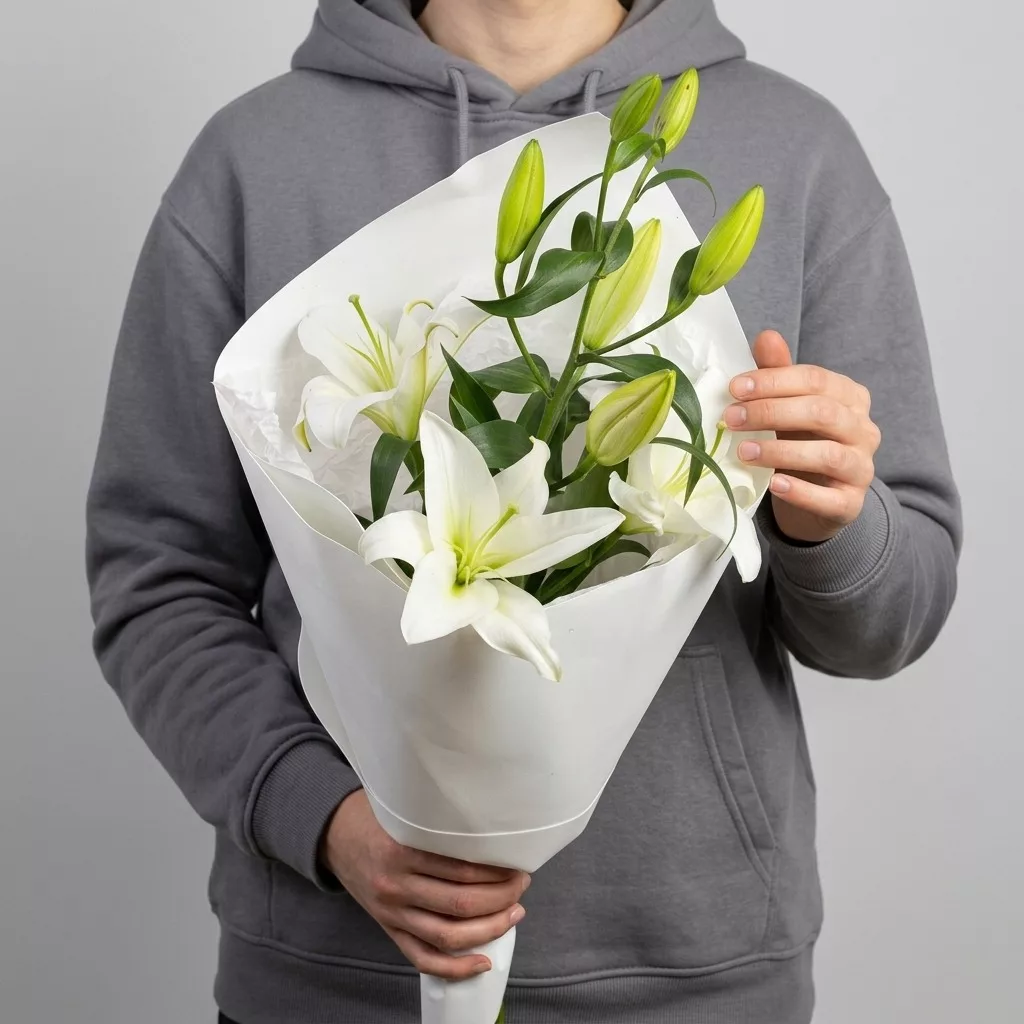
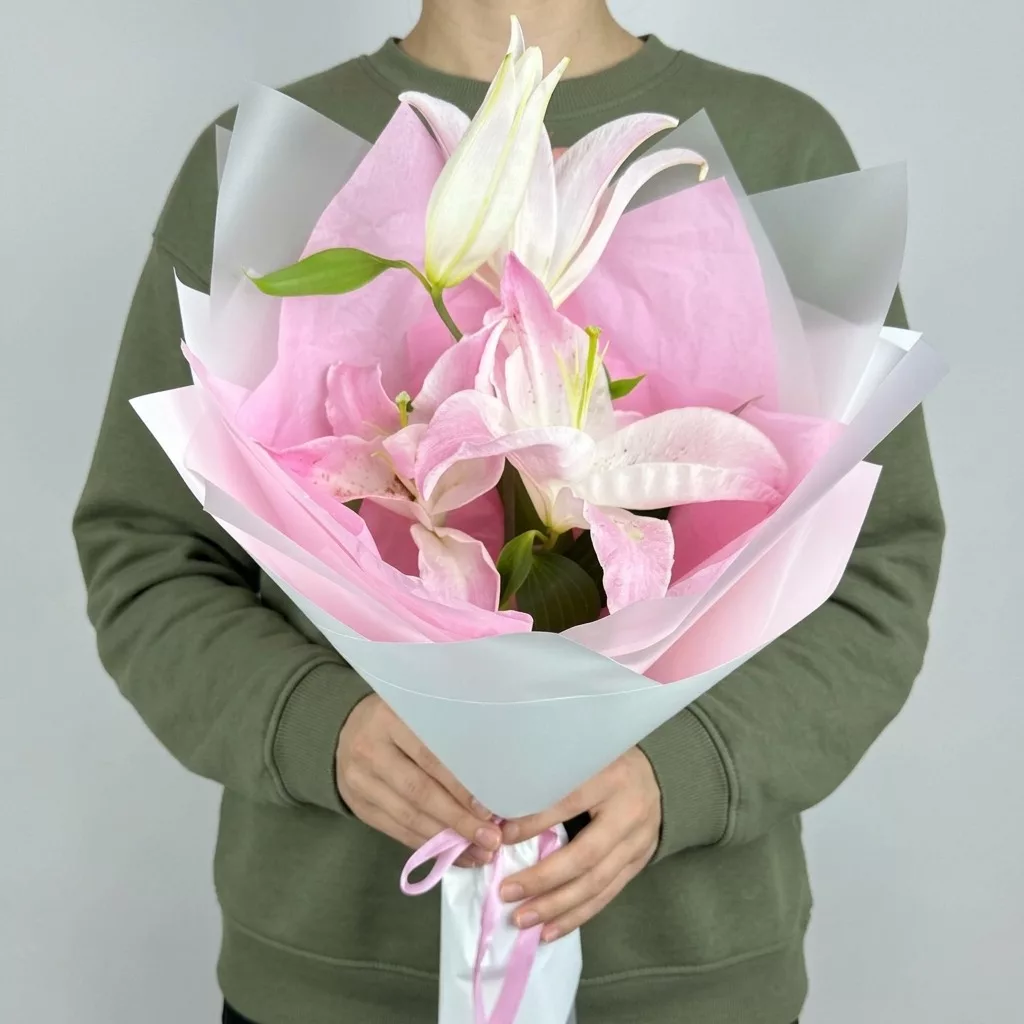
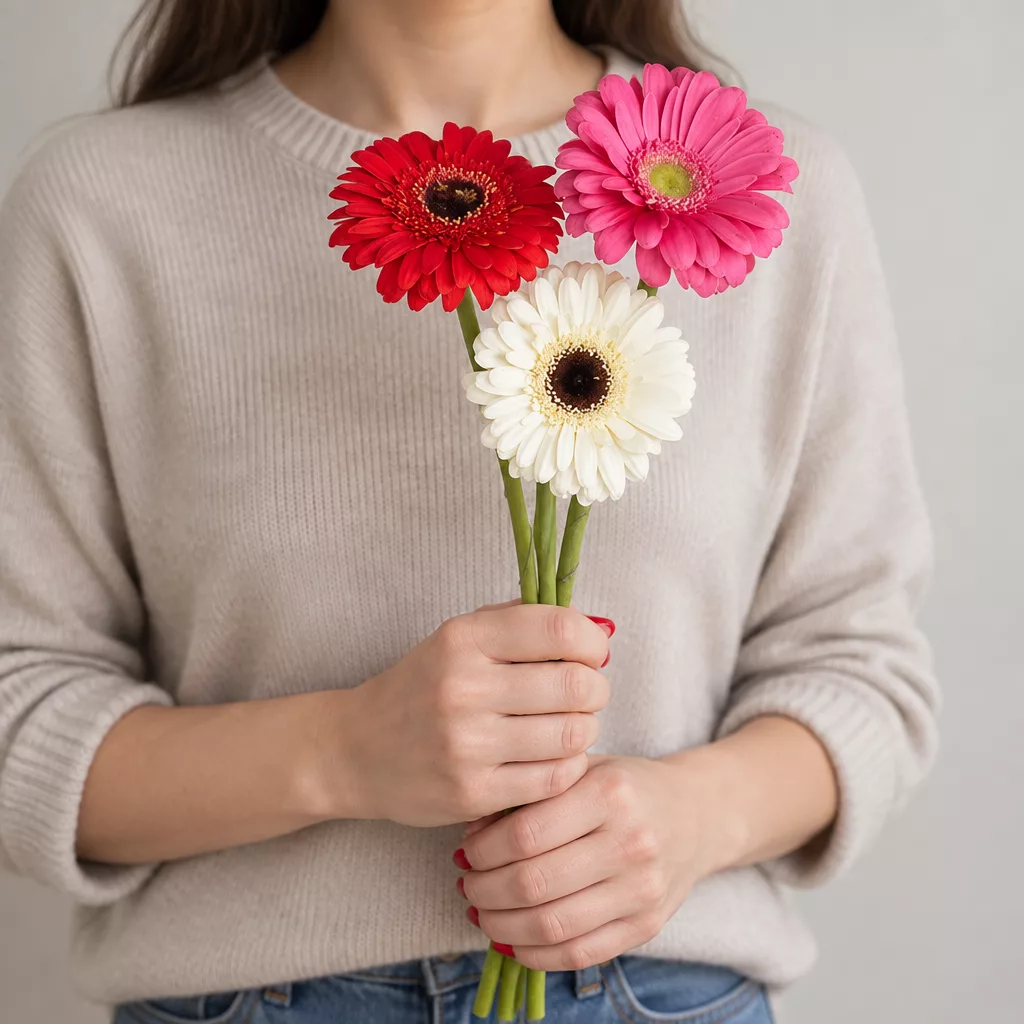
Bouquets we can deliver

What Affects Delivery Speed Most
Distance is the most obvious factor, but it is rarely the only one. Time of day matters considerably. Orders placed between ten in the morning and two in the afternoon tend to move fastest because road traffic in Saint Petersburg is lighter and the workshop is fully staffed. Evening orders, particularly those placed after seven, can run closer to the two-hour ceiling, especially on weekends when demand spikes around birthdays and date nights.
Season plays a role that customers sometimes overlook. Around the eighth of March — International Women's Day, which is the single largest flower-giving occasion in Russia — demand across the city is extraordinary. Tulips, mimosa, and roses move in volumes that would be unimaginable on an ordinary Tuesday. Ordering a day ahead during that period is not overcaution; it is simply how experienced gift-givers handle it. The same applies to Valentine's Day and the first of September, when schoolchildren traditionally receive flowers from parents.
The bouquet itself is a variable. Compositions that include delicate open peonies or fully bloomed garden roses need careful handling and slightly more packaging time than tighter, sturdier stems like chrysanthemums or alstroemeria. If you are ordering something elaborate — a large mixed arrangement or a hatbox design — building in the full two-hour window is wise. Simpler bouquets of fifteen to twenty-five stems in a single variety are the fastest to prepare and the safest choice when time is genuinely tight.
How Russian Gifting Occasions Shape Urgency
Flowers in Russia are not reserved for romantic moments. They appear at graduations, job promotions, first and last days of school, housewarming visits, and as a thank-you after a dinner invitation. Guests arriving at a Russian home for the first time almost always bring flowers — showing up empty-handed would feel noticeably bare. This cultural habit means that the need for fast delivery can arise from a social situation, not just a planned celebration.
Birthdays are the most common trigger for urgent orders. In Russian tradition, it is common to congratulate someone at the very start of their birthday — sometimes at midnight, sometimes first thing in the morning — which means a morning delivery is often the most meaningful. If you are sending flowers to a colleague or a friend you will see at a specific time, working backwards from that moment tells you exactly when to place your order.
New baby congratulations are another frequent urgency. Flowers for a new mother are typically sent within the first day or two after birth, and the recipient is often at home or at a maternity clinic with visiting hours that create a narrow delivery window. Knowing the address and the visiting schedule in advance makes the order straightforward. The point is that Russian gifting has its own rhythm, and fast delivery exists to meet real social moments — not just forgotten anniversaries.
How to Request Express Delivery Correctly
The most important thing you can do is be precise with the address. In Saint Petersburg, many residential buildings have multiple entrances, and the entrance number — podezd in Russian — is a detail that separates a smooth delivery from a ten-minute delay while the courier searches. Include the floor number and the intercom code if there is one. If the recipient lives in a newer development on the city's edges, a landmark or a note about parking access helps considerably.
Choose your bouquet before you think about the message card. Customers who spend time composing the card text after selecting flowers sometimes lose fifteen minutes that could have been used for assembly. Write the message first, then complete the order. It sounds small, but it genuinely affects how quickly the process moves.
Contact availability matters too. If the recipient is not answering the door and there is no way to reach them or you, the courier must wait or return — and that disrupts the schedule for everyone. If you know the recipient will be in a meeting, note that in the order comments and specify a window when they will be free. Turboflora's team reads those notes and times dispatch accordingly. Express delivery works best as a collaboration between you and the workshop — the more clearly you communicate the situation, the more precisely the flowers can be timed.
Keeping Flowers Fresh After a Fast Delivery
Speed of delivery does not mean the flowers arrive stressed. The wrapping used for transit is designed to keep stems hydrated and petals protected, but what happens in the first hour after unwrapping determines how long the bouquet lasts. Roses delivered in tight bud — which is how good florists send them — will open over two to three days in a warm room, giving the recipient a changing, living display rather than a static one.
The first step is always a fresh diagonal cut on each stem, about two centimetres up from the base, made with a sharp knife rather than scissors. Scissors crush the vascular tissue; a clean cut keeps water flowing. Vase water should be cool and clean, changed every two days. Strip any leaves that would sit below the waterline — they decompose quickly and cloud the water, shortening vase life noticeably.
Temperature in the room matters more than most people expect. Flowers last significantly longer away from direct sunlight and heating radiators. In a Russian apartment in winter, radiators can be very warm, and a bouquet placed on a windowsill above one will open and fade within a day. A cool hallway or a spot on a table away from heat sources can add three to four days to the life of a mixed bouquet. Tulips prefer cool rooms almost above everything else and will droop quickly in warmth. Chrysanthemums and alstroemeria are the most forgiving and will hold their shape for ten days or more with basic care.
When to Order Ahead and When Same-Day Is Fine
Same-day delivery is genuinely reliable for most occasions in Saint Petersburg, but there are situations where ordering ahead removes any uncertainty. If the event has a fixed time — a dinner party starting at seven, a birthday celebration at a specific restaurant — placing the order the morning of the event gives the workshop time to source the exact varieties you want. Some flowers, particularly peonies in late spring or garden dahlias in summer, move quickly on high-demand days, and an advance order secures them.
For everyday gifting — a spontaneous thank-you, a mood-lifting surprise for a friend who is having a hard week — same-day ordering works beautifully. This is exactly what the one-to-two-hour system is built for. You do not need a reason that is weeks in the making. The impulse to make someone feel seen is reason enough, and the infrastructure exists to act on it immediately.
A practical rule: if the occasion is fixed and formal, order the day before. If the occasion is spontaneous or emotional, order now and trust the process. The one mistake to avoid is ordering with less than ninety minutes to spare for a time-sensitive delivery, particularly during peak hours or on major gifting dates. Ninety minutes is a comfortable buffer; sixty is tight; thirty is a gamble. Give the flowers — and the people handling them — the time they need to arrive looking exactly as they should.
Fast flower delivery in Russia is not a workaround for poor planning — it is a genuine service built around the way people actually celebrate and connect. Whether you are sending tulips to a new mother, roses to someone who deserves a surprise, or a lush mixed arrangement to mark a promotion, the one-to-two-hour window exists so that the feeling you want to create can happen today, not next week. Order clearly, give a precise address, and let the bouquet do the rest.
Frequently asked questions
Can I get flowers delivered in under an hour in Saint Petersburg?
For central districts, delivery often arrives closer to the one-hour mark rather than two. The exact timing depends on your address, the complexity of the bouquet, and traffic at the time of order. Placing your order as early as possible and providing a precise address with entrance number gives the best chance of the fastest delivery.
What happens if the recipient is not home when the flowers arrive?
The courier will attempt to contact the recipient and, if you have provided your number, will reach you as well. It helps to note in your order comments whether the recipient has a concierge, a neighbour who can accept the delivery, or a specific time window when they will be available. Clear communication in advance prevents most missed-delivery situations.
Is same-day delivery available on major Russian holidays like March 8th?
Same-day delivery is available, but demand around International Women's Day is exceptionally high across the city. Ordering a day ahead is strongly recommended for that date. For other holidays such as Valentine's Day and September 1st, ordering the morning of the occasion rather than the afternoon gives you a much more comfortable delivery window.
Which flowers travel best for a fast delivery in cold weather?
Roses, chrysanthemums, alstroemeria, and carnations handle cold transit well and arrive in good condition even in Saint Petersburg's winters. Tropical varieties and fully open blooms are more sensitive. Bouquets are wrapped in insulating packaging for cold weather, but choosing sturdier varieties for winter deliveries is always a sensible approach if the journey is longer.
How do I make sure the bouquet arrives at a specific time, not just within the window?
At checkout, you can specify a preferred delivery time. Adding a note explaining the occasion and why timing matters — for example, before a dinner guest arrives at seven — helps the team schedule dispatch precisely. The more context you provide, the more accurately the delivery can be timed. Avoid specifying a window narrower than thirty minutes for the most reliable results.
Ready to send flowers?
Pick the city, choose the bouquet, and a local florist takes it from there.
Choose a city →