How Fast Do Flowers Die, and How Can You Help Them Last?
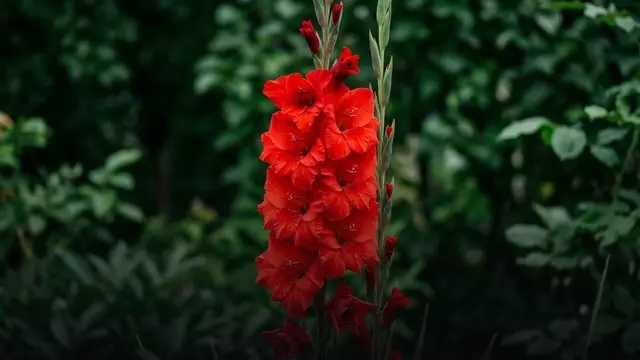
Cut flowers often stay attractive for about five to ten days in a vase, although some fade sooner and others last longer. Without water, delicate flowers may start wilting within hours; the pace depends on the flower, its condition, and its surroundings. Wilting does not always mean a flower is dead, but dry, brown or translucent petals usually will not recover.
A bouquet has no single expiry date: different stems can age at different speeds, even when they share a vase. Your most useful checks are whether the flowers can take up water, whether the vase is clean, and whether the bouquet sits near heat or direct sun. If you are sending flowers to someone in Russia, sensible arrival timing also gives the recipient a better chance to unpack and care for them promptly.
How long different cut flowers usually last
Use vase-life estimates as planning guides, rather than promises. Roses commonly remain attractive for roughly five to ten days, while tulips often offer around five to seven. Carnations and chrysanthemums can last closer to two weeks with suitable care. Variety, maturity at cutting, handling and the conditions in your home can all shift these ranges considerably.
A mixed bouquet will rarely fade evenly. One open rose may lose its shape while a neighbouring chrysanthemum still looks firm, so judge the stems individually. Remove flowers as they deteriorate and rearrange the healthy ones in a smaller vase if necessary. You do not need to throw away an entire bouquet because its shortest-lived flower has finished.
Flowers also change naturally before they deteriorate. Tulips may lengthen and curve towards light, roses may open wider, and some flowers shed pollen as they mature. These changes alone do not show that a bouquet is dying. Look instead for persistent limpness, spreading brown patches, collapsing petals or soft, decaying stem tissue.
Why flowers sometimes wilt within a day
Early wilting often starts with a water problem. A stem may have spent too long out of water, its cut end may be blocked, or the vase may simply have run low. Large arrangements can hide the water level, so check it directly rather than assuming there is enough. Flower heads can look thirsty even while the lower part of the stem appears normal.
Heat and moving air increase water loss. A sunny windowsill, a radiator, an air-conditioning outlet or a warm kitchen can shorten the display life of an otherwise healthy bouquet. Choose a cooler place with indirect light and space around the flowers. Our guide to why bouquets wilt indoors explains how household conditions affect them.
Dirty water creates another common problem: microbial growth can interfere with water uptake. Leaves submerged below the waterline also break down and foul the vase. Ripening fruit is best kept elsewhere because it releases ethylene, which speeds ageing in sensitive flowers. Several small stresses can act together, so there may be no single cause for a bouquet fading early.
Bouquets we can deliver




What to do as soon as your bouquet arrives
Prepare a thoroughly washed vase before arranging the flowers. Remove any packaging that prevents you from separating the stems or placing them properly in water, while leaving structural supports alone if you are unsure what they do. Strip off leaves that would sit below the waterline. Keep the remaining healthy foliage, which contributes to the appearance of the arrangement.
With a clean, sharp blade or suitable flower scissors, trim about one to two centimetres from the stem ends and place them promptly in fresh water. Avoid crushing the stems with blunt household scissors. Use flower food if it is supplied, following the packet's dilution instructions; a stronger mixture is not a shortcut to a longer-lasting bouquet.
Check the water level every day and refresh it regularly, sooner if it becomes cloudy or smells unpleasant. Wash the vase when changing the water, rinse the stems gently and remove deteriorating material. Follow any flower-specific care instructions supplied with the arrangement. Flowers in floral foam need a different approach: keep the foam moist and avoid pulling stems out merely to inspect them.
Can you revive wilted flowers?
You can sometimes improve flowers that have lost firmness through dehydration. Start by cleaning the vase, replacing the water and making a fresh cut at the stem ends. Remove submerged foliage and move the bouquet to a cool place away from direct sun. Give it a few hours before judging the result; improvement is possible, but depends on the cause and extent of the damage.
Check individual stems rather than treating every drooping head alike. A bent or broken stem may no longer support its flower properly, while a soft, slimy base suggests decay rather than simple thirst. Cut away damaged tissue only if enough healthy stem remains for a smaller vase. Remove mouldy flowers promptly so they are not left touching healthy blooms.
Avoid improvised rescue recipes involving bleach, alcohol, sugar or very hot water. Incorrect concentrations and unsuitable treatments can damage flowers, and different species respond differently. Clean equipment, fresh water and appropriate placement are safer first steps. Once petals have dried, browned or become mushy, focus on preserving the sound stems instead of trying to reverse that damage.
When to send flowers so the recipient can enjoy them
For a birthday, anniversary or family visit, think about when the recipient can put the bouquet in water. Delivery shortly before they leave for a weekend may be less useful than delivery when they return. If the flowers are meant for a table or gathering, allow time for unpacking and arranging. There is no universal best arrival day because the flower choice and stage of opening matter.
Turboflora delivers flowers across Russia. In large cities, express delivery is available in one to two hours after the order is confirmed. You can also arrange an exact time with a tolerance of plus or minus 30 minutes, choose a 09–12, 12–15, 15–18 or 18–21 window, or pre-order one to 30 days ahead. Agree the destination's local date and time when planning from abroad.
The courier calls the recipient about 15 minutes before arrival. If the recipient is absent, we agree a second delivery the same day or, with the sender's consent, hand the flowers to a neighbour or concierge. For a surprise, consider who can receive and care for the bouquet. Read the delivery and payment details when choosing the most practical arrangement.
How to order flowers to Russia with care in mind
Start with the recipient's habits as well as the occasion. Someone who enjoys arranging flowers may appreciate a mixed bouquet that changes as individual stems open; someone leaving home soon may prefer to receive flowers after their trip. Browse the bouquets catalogue, then ask about suitable choices if longevity is a priority. No flower type can guarantee a particular vase life in every home.
Contact a manager on WhatsApp for help choosing a bouquet and agreeing the address, delivery time and card text, or to arrange a photo of the bouquet before delivery. A photo helps you see its appearance at that point, although it cannot establish how long the flowers will last. City delivery costs 500 RUB; for remote districts and suburbs, the operator confirms the delivery price when confirming the order.
Delivery is anonymous by default: the courier does not name the sender. A card with your text is free, so include your name if you want the recipient to know whom to thank; a short, personal message is enough. Online checkout uses CloudPayments. If you are paying from abroad, check the options displayed at checkout, as acceptance of every foreign card cannot be guaranteed.
Frequently asked questions
How fast do flowers die without water?
Delicate cut flowers can start wilting within hours without water, especially in warm or dry surroundings. There is no reliable universal limit, so put them in water promptly and keep any journey without water as short as possible.
Does a drooping flower mean it is dead?
A drooping flower may be dehydrated and can sometimes recover after a fresh stem cut and time in clean water. Brown, dry or mushy petals indicate damage that watering will not reverse.
Which cut flowers tend to last longer?
Carnations and chrysanthemums generally offer a longer vase display than many more delicate flowers. Their actual lifespan still depends on their starting condition, clean water and the environment where you keep them.
Should I change flower water every day?
Check the water daily, top it up as needed and replace it regularly, especially if it turns cloudy or develops an odour. Wash the vase when refreshing the water and follow any supplied flower-food instructions.
Can I arrange flower delivery in Russia while living abroad?
Yes, Turboflora delivers flowers across Russia, and a manager can help agree the bouquet, address, timing and card text. Payment uses CloudPayments at checkout; check the displayed options rather than assuming your foreign card will be accepted.
Ready to send flowers?
Pick the city, choose the bouquet, and a local florist takes it from there.
Choose a city →