Why Heated Indoor Air Wilts Your Flowers Faster Than You Think
You unwrap a beautiful bouquet, trim the stems, fill the vase, and set everything on the windowsill. Three days later the roses are drooping and the petals feel papery at the edges. The flowers were fresh when they arrived — so what happened? In most Russian apartments from October through April, central heating runs at full power and the air inside becomes drier than a summer desert. That invisible dryness is one of the biggest threats to cut flowers, and almost nobody talks about it.
What Central Heating Actually Does to the Air Around Your Flowers
Russian district heating systems, known as tsentralnoye otopleniye, push hot water through radiators from a central boiler station. The system is designed for warmth, not comfort, and it runs on a fixed schedule controlled by the city rather than the household. Apartments can reach 24 to 26 degrees Celsius by mid-winter, and the relative humidity often drops to 20 or 25 percent. For context, most cut flowers prefer humidity between 60 and 80 percent.
When the air is that dry, flowers transpire water through their petals and leaves far faster than the stems can draw it up from the vase. The result is a moisture deficit inside the plant tissue. Petals lose their turgidity, which is the internal water pressure that keeps them firm and upright. Edges curl, colours fade, and what should last eight days lasts four.
This is not a problem with the flowers themselves. A rose or a ranunculus that arrives in perfect condition can be destroyed by a week next to an active radiator just as surely as it would be by being left out of water entirely. The damage is slower and less obvious, but the biology is the same. Understanding this is the first step to doing something about it, and the adjustments required are genuinely small once you know where to focus.
Bouquets we can deliver

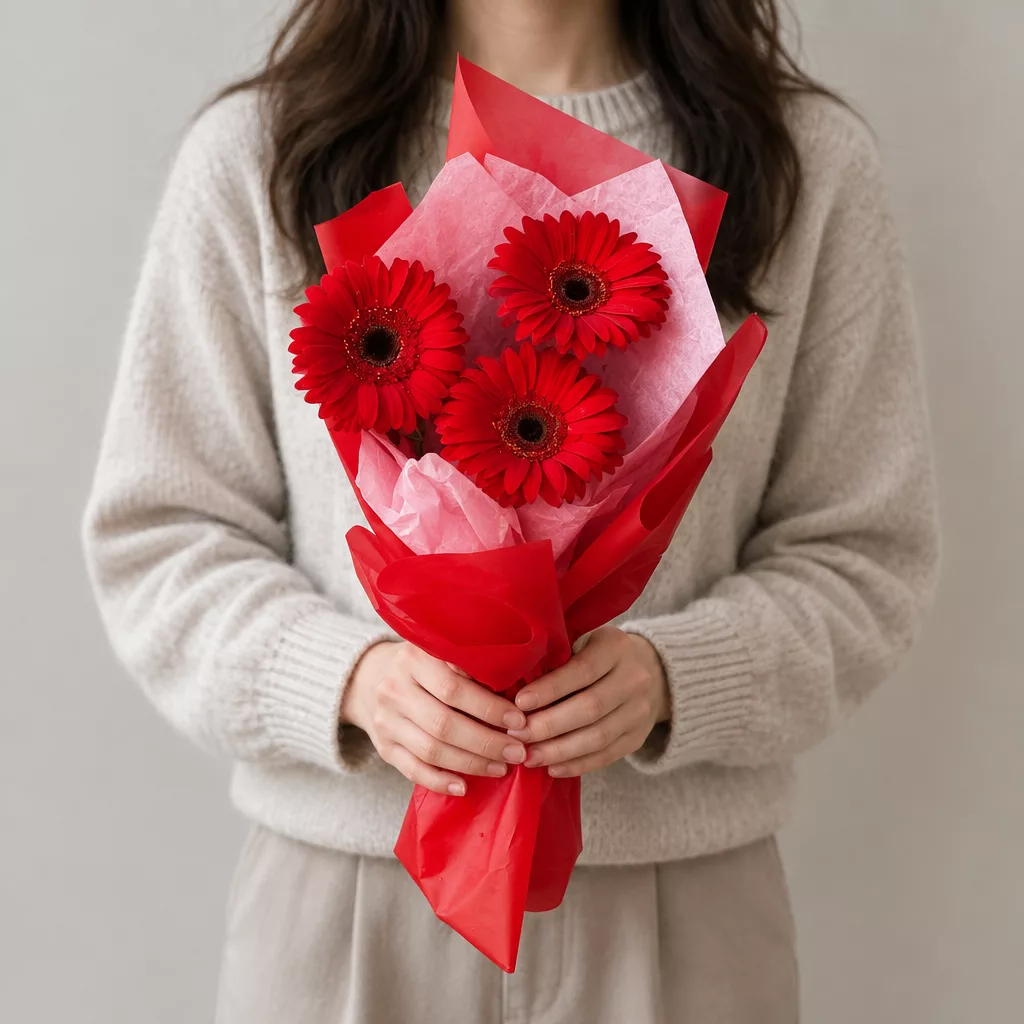
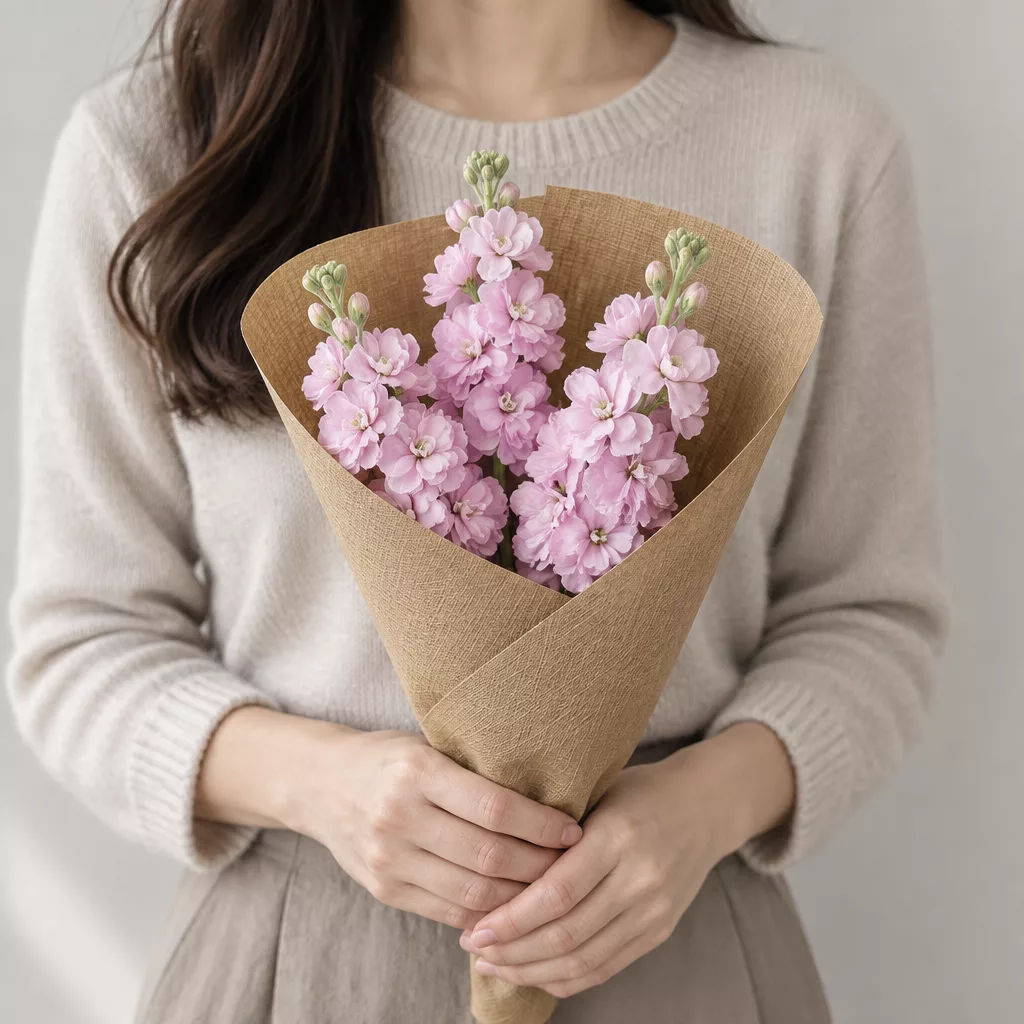
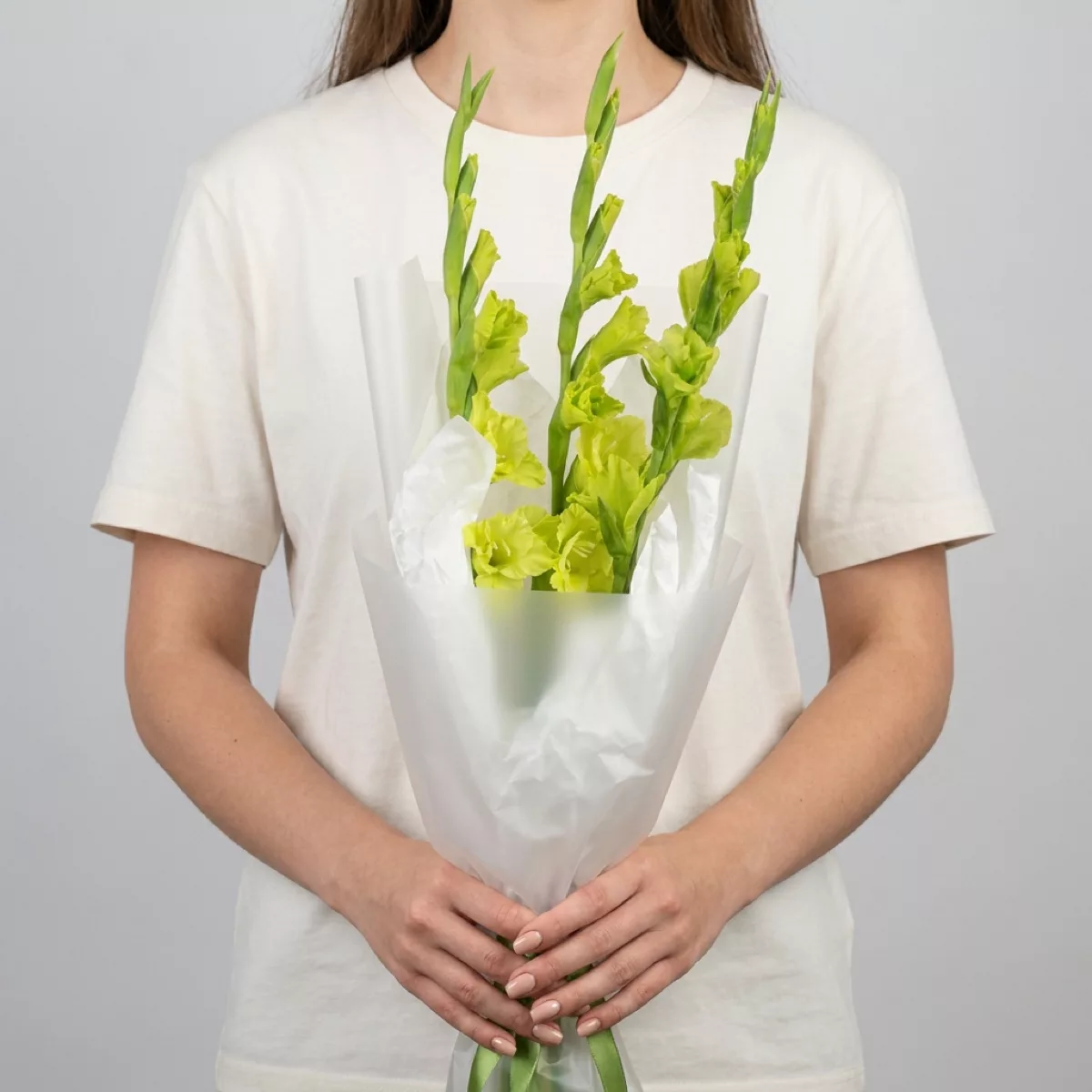
The Varieties That Suffer Most in Dry, Warm Rooms
Not all flowers respond to dry heat the same way, and knowing which ones are most vulnerable helps you place and care for them with more attention. Sweet peas are among the most sensitive — their delicate petals desiccate within hours in a heated room without extra humidity. Anemones, with their thin, papery petals, follow closely. Lisianthus, which looks robust because of its ruffled layers, actually loses moisture quickly through all those petal surfaces and can collapse from the outside in.
Tulips behave differently. They continue to grow after cutting and will stretch dramatically toward any light source, but they also drink heavily and wilt at the stem bend when the water supply cannot keep up with the rate of evaporation in a warm room. Keeping tulips in a cooler spot genuinely extends their life by several days.
Roses are more resilient than their reputation suggests, but varieties with many petals — garden roses with a hundred petals or more, for example — lose water across a much larger surface area than a simple single-headed spray rose. Hydrangeas are notorious for wilting in dry air because they absorb water through their flower heads as well as their stems, so low humidity hits them from two directions at once. Knowing these tendencies means you can make smarter choices about placement and give the most fragile stems the best position in the room.
Temperature Zones in a Typical Apartment and Where to Place Your Vase
Most apartments have a clear temperature gradient that people rarely think about deliberately. The area directly above or beside a radiator can be five to eight degrees warmer than the centre of the room, and the floor near an exterior wall can be noticeably cooler. Windowsills are a popular spot for flowers because of the light, but in winter they sit directly above the radiator in most Russian building layouts, making them one of the worst possible locations for a bouquet.
The ideal spot is away from the radiator, away from direct sunlight, and away from draughts from doors and windows. A kitchen table away from the stove, a hallway shelf, or a living room surface on an interior wall are all better choices than the windowsill. Aim for a spot where the temperature stays consistently between 16 and 20 degrees Celsius. Every degree above 20 shortens vase life noticeably.
At night, when heating sometimes eases slightly and rooms cool down, flowers genuinely recover. If you can move the vase to a cooler room or a hallway overnight, you will see a real difference in how the petals look in the morning. This is standard practice in professional flower storage — cold rooms exist for a reason. You do not need a cold room, just a cooler corner. Even moving the vase away from the radiator by two metres makes a measurable difference to how long the arrangement holds its shape and colour.
Simple Ways to Raise Humidity Around Your Bouquet
You do not need a humidifier to protect your flowers, though if you have one it is genuinely worth running it in the same room. A few practical habits make a real difference. The first is misting. Fill a clean spray bottle with room-temperature water and mist the petals and leaves lightly once or twice a day, avoiding the flower centres of roses and peonies where trapped moisture can encourage mould. Hydrangeas in particular respond well to misting because they drink through their petals.
A second approach is grouping. Flowers placed close together create a small microclimate where the humidity is slightly higher than the surrounding air. A single stem in a bud vase on a shelf dries out faster than a full bouquet in a wide vase where the foliage and petals create a canopy. This is one reason a well-composed arrangement with mixed foliage tends to last longer than individual stems separated around a room.
Placing a shallow dish of water near the vase adds a little ambient moisture as it evaporates. It is a modest effect, but in a very dry room every small measure adds up. Keeping the vase topped up with fresh cool water is also more important than it sounds — a vase that is only half full exposes more stem to air above the waterline, and the stems above water dry out and crack, reducing the flower's ability to drink. Check the water level daily and refill to within a few centimetres of the top.
Stem Cutting, Water Quality, and the Vase Itself
The way you prepare stems when the bouquet arrives sets the ceiling for how long the flowers can last, no matter how well you manage the environment afterward. Cut stems at a 45-degree angle with a sharp knife rather than scissors, which crush the vascular tissue. Make the cut under running water or while the stem is submerged to prevent an air bubble from entering the stem and blocking water uptake. This matters more in a dry, warm room because the flower is working harder to pull water up.
Water temperature is worth paying attention to. Most cut flowers prefer cool water, around 15 degrees Celsius. Warm water encourages bacterial growth in the vase and also speeds up the flower's metabolism, which shortens life. Tulips are an exception — they can handle slightly warmer water and will open faster in it, which can be useful if you want them open for an event.
Change the water every two days and rinse the vase when you do. Bacteria accumulate quickly in the warm conditions of a heated apartment, and they block the stem ends, cutting off the water supply. If you received flower food sachets with your bouquet, use them — they contain a mild acidic agent that inhibits bacteria and a small amount of sugar to feed the flowers. Remove any leaves that would sit below the waterline because they rot quickly and accelerate bacterial growth throughout the vase. A clean vase with fresh water is one of the highest-impact things you can do.
Signs Your Flowers Are Suffering from Dryness Versus Other Problems
It helps to know what you are actually looking at when a bouquet starts to decline, because the remedy depends on the cause. Dryness from low humidity shows up first at the petal edges, which become slightly translucent, then papery, then brown and crisp. The stem itself usually remains firm and the flower head may still look largely intact while the edges deteriorate. This is the signature of moisture loss through evaporation rather than stem blockage.
Stem blockage, which happens when bacteria clog the vascular tissue, looks different. The flower head droops heavily while the stem below it remains rigid. The whole head hangs as if the neck has given way. This is sometimes called bent neck in roses and it can be partially reversed by re-cutting the stem and placing it in fresh cool water for a few hours. It is not always dryness — it is often a combination of warmth speeding up bacterial growth and the stem losing its ability to drink.
Yellow leaves are usually a sign of ethylene exposure. Ethylene is a gas produced by ripening fruit, so keeping your bouquet away from the fruit bowl is genuinely important, not just a florist's habit. In a warm kitchen where fruit sits on the counter, flowers deteriorate noticeably faster. Soft, translucent petals that feel wet rather than dry often indicate a fungal issue, which can develop when misting is overdone on flowers that prefer to stay dry at their centres, such as roses and carnations. Reading these signs correctly lets you respond with the right adjustment.
Choosing Flowers That Last Well in Russian Apartment Conditions
If you know a bouquet will be living in a centrally heated apartment for a week or more, choosing varieties with natural resilience to dry air makes the whole experience better. Chrysanthemums are genuinely tough — they handle warm, dry conditions better than almost any other cut flower and can last two weeks with basic care. Alstroemeria, sometimes called Peruvian lily, has a similar durability and holds colour well even as the air dries around it.
Carnations, despite their old-fashioned reputation, are excellent in dry conditions because their thick, waxy petals lose moisture slowly. A mixed bouquet that includes some carnations alongside more delicate flowers like lisianthus or ranunculus will hold together longer overall because the carnations anchor the arrangement while the others age. Gerbera daisies are cheerful and long-lasting but need a clean vase more than most — their hollow stems harbour bacteria quickly in warm water.
For a recipient who lives in a particularly warm apartment, a bouquet built around spray roses, alstroemeria, and seasonal greenery is a practical and beautiful choice. Spray roses have smaller heads than standard roses, which means less surface area losing moisture, and they are generally more compact and resilient. Seasonal foliage like eucalyptus also holds well in dry air and adds fragrance that intensifies slightly as the room warms. Thinking about the environment the flowers will live in is part of choosing well, and it is something a thoughtful florist considers alongside colour and occasion.
Central heating is a fact of life in Russian apartments for most of the year, and there is no need to fight the system — just work around it with a few deliberate habits. Place the vase away from the radiator, mist the petals lightly each day, change the water every two days, and choose varieties that suit the conditions. A bouquet that arrives looking beautiful can stay that way for a week or more when the environment is managed thoughtfully. The flowers do the rest. We deliver bouquets across Russia in 1–2 hours.
Frequently asked questions
How often should I change the water in a heated apartment?
Every two days is a reliable routine in a warm room. Bacteria multiply faster in warm water, and they block the stem ends quickly. When you change the water, rinse the vase thoroughly and re-cut the stems by about one centimetre. This keeps the uptake channel open and gives the flowers the best chance of drinking properly throughout their vase life.
Can I put my bouquet near a humidifier?
Yes, and it genuinely helps. A humidifier running in the same room raises the ambient humidity, which slows moisture loss through the petals. Keep the mist output directed into the room rather than directly at the flowers, and make sure there is good air circulation so the flower centres do not stay wet long enough to develop mould, particularly on roses and peonies.
Why do my tulips keep bending toward the window?
Tulips are phototropic, meaning they grow toward light even after cutting. In a heated apartment with a bright window, they can bend dramatically within a day or two. Rotating the vase by 180 degrees each morning helps balance the effect. Keeping them in a cooler, evenly lit spot also slows their growth rate and keeps the stems straighter for longer.
Is misting bad for any flowers?
Misting is helpful for most flowers but can cause problems on a few. Roses, carnations, and gerberas are prone to petal spotting or mould if water sits in their centres. Mist lightly across the outer petals and foliage, and let the flowers dry naturally before the room cools at night. Hydrangeas and tropical varieties like anthuriums actually benefit from more generous misting.
Does the fruit bowl really affect my flowers?
It does, more than most people expect. Ripening fruit releases ethylene gas, which accelerates ageing in cut flowers. Bananas and apples are among the highest producers. In a small kitchen where both sit on the same counter, flowers can lose two or three days of vase life. Moving the bouquet to a different room or storing fruit in a closed cupboard makes a noticeable difference.
Ready to send flowers?
Pick the city, choose the bouquet, and a local florist takes it from there.
Choose a city →