How long do fresh cut flowers last once you bring them home?
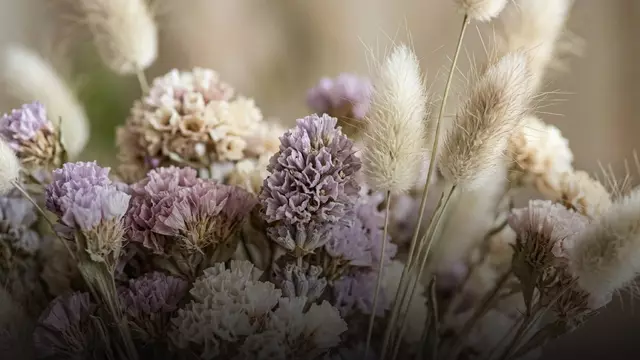
Most fresh cut flowers last about 5–10 days in a vase, although the variety, condition at arrival and care can move that range considerably. Some delicate blooms fade sooner, while carnations and chrysanthemums can remain attractive for two weeks or longer under suitable conditions. Treat these figures as planning ranges, rather than a countdown or a promise for an individual bouquet.
A bouquet also changes as it ages: tight buds open, stems bend towards the light and individual flowers finish at different times. The useful question is how long it will look good in your recipient’s home, with their room conditions and care routine. Here is how to judge that, help the flowers last and choose a delivery date when you are sending them to Russia from abroad.
Typical vase life: what different flowers can give you
For everyday planning, roses commonly give around 5–10 days, while tulips often look their best for roughly 5–7 days. Carnations and chrysanthemums frequently last 10–14 days and sometimes longer. These ranges overlap: a well-conditioned rose in a cool room may outlast a carnation kept beside a radiator. Variety names alone cannot tell you the remaining life of a stem.
Lilies often provide about 7–14 days of display because their buds open in sequence, rather than all at once. An individual lily flower will finish before the whole stem does. If you are buying for a home with cats, choose a different flower: true lilies and daylilies are highly toxic to cats, including their pollen and vase water. Keep all bouquets away from pets that chew plants.
In a mixed bouquet, expect the most delicate flowers to fade before the sturdier stems. Removing those spent flowers can leave an attractive smaller arrangement for several more days. Think about the recipient’s habits as well as the occasion: someone who enjoys tending a vase may welcome a changing mix, while someone with little time may prefer fewer flower types and straightforward care.
Why two apparently similar bouquets can last differently
Vase life depends partly on what happened before the flowers reached you. Harvest stage, hydration and handling all affect how well stems take up water and how much display time remains. You cannot reliably calculate a bouquet’s age from one photograph. Instead, assess several signs together: firm stems, hydrated foliage and petals without widespread browning or collapse.
An open bloom is not automatically an old bloom, and a tight bud is not automatically a better purchase. Some flowers are meant to arrive partly open; some buds cut too early may never develop properly. For a gift that needs to look full on arrival, discuss the desired appearance rather than asking for every flower to be tightly closed. There is a balance between immediate impact and watching buds unfold.
The room matters after delivery. Direct sun, heating appliances and warm air currents speed up water loss and ageing. Ripening fruit can release ethylene, which hastens deterioration in sensitive flowers. Choose a stable spot away from a fruit bowl and strong draughts, with enough space that petals are not pressed against a wall or window. There is no single room setting that suits every flower.
Bouquets we can deliver




The first hour: give the stems a clean start
Prepare a clean vase before unwrapping the bouquet. Wash it with washing-up liquid, rinse thoroughly and add fresh water. Remove any leaves that would sit below the waterline, because submerged foliage breaks down and encourages bacterial growth. Keep enough healthy foliage above the water to preserve the arrangement, and avoid scraping or stripping the stems unnecessarily.
With a clean, sharp tool, remove roughly 1–2 cm from each stem before placing it in water. A slight angled cut is useful for many stems, but a clean cut matters more than a dramatic angle; crushing the end can interfere with water uptake. Work promptly so the newly cut ends do not sit drying on the counter. Follow any flower-specific instructions supplied with the bouquet.
If you have a sachet of commercial cut-flower food, dilute it using the amount of water stated on the packet. Guessing the concentration can work against you. Plain clean water is a reasonable fallback when you have no suitable product; avoid improvising mixtures of sugar, bleach or household cleaners. Our step-by-step flower care guide explains the routine in more detail.
A short daily routine that protects the remaining vase life
Check the water level every day, especially during the first couple of days, when thirsty stems may drink noticeably. Keep the cut ends submerged without letting leaves soak in the water. Top up as needed, but do not treat topping up as cleaning: old water still contains the material released by stems and leaves. A large bouquet in a narrow vase can run low surprisingly quickly.
As a practical starting routine, replace the water every two days, sooner if it becomes cloudy or smells unpleasant. Wash and rinse the vase, remove decaying material and refresh flower food according to its instructions. Inspect stem ends and make a fresh cut if needed. Support the flowers while you work so heavy heads do not bend under their own weight or knock against the sink.
Remove flowers as they finish instead of waiting for the entire bouquet to fail. Soft, slimy stems and mouldy petals belong out of the vase immediately. Healthy remaining stems can go into a smaller clean vase, making the arrangement look intentional again. Roses sometimes need their own assessment when heads droop; see our guide to rose vase life for the signs to check.
When flowers can recover, and when to let them go
A newly drooping flower may be struggling to take up enough water, particularly if the vase ran dry. Start with the basics: clean the vase, replace the water and trim the stem with a sharp tool. Return it to a cool place away from direct sun and give it time to respond. This may improve hydration, but it cannot reverse natural ageing or repair damaged petals.
Judge recovery by the flower itself, not by a rigid deadline. A stem that firms up and holds its head again may still offer useful display time. Persistent collapse, spreading brown patches, a mushy stem or an unpleasant smell suggest it is time to remove it. Do not keep every failing stem in the arrangement simply because a different flower of the same type lasted longer before.
Avoid dramatic rescue tricks such as boiling stem ends or putting a whole mixed bouquet in a household freezer. Different flowers respond differently, and a treatment that damages tissue can shorten the display. If the remaining flowers are sound, rearranging them is usually more useful than repeatedly treating the whole bunch. A smaller vase with a few healthy stems can still make a thoughtful bedside or desk arrangement.
Choose a delivery date that gives your recipient time to enjoy them
For a birthday or anniversary, delivery on the day gives the recipient the pleasure of receiving the gift at the right moment. For a dinner or gathering, consider when someone will be available to put the flowers in water before guests arrive. If the recipient is travelling, arranging delivery after their return is more useful than leaving a bouquet waiting through an empty weekend.
You can browse our bouquets and send flowers across Russia. City delivery costs 500 RUB; for remote districts and suburbs, the operator confirms the price when confirming the order. In large cities, express delivery is available 1–2 hours after confirmation. Other options include an exact time within ±30 minutes, the windows 09–12, 12–15, 15–18 or 18–21, and pre-ordering 1–30 days ahead.
Use WhatsApp to agree the address, timing and card text, get help choosing a bouquet or request a photo before delivery. Delivery is anonymous by default: the courier does not name the sender, so sign the free card if you want to be recognised. The courier calls about 15 minutes before arrival. Online checkout uses CloudPayments; check the payment options displayed there, as acceptance of every foreign card is not guaranteed. Availability and timing of delivery across Russia are confirmed for the chosen city, address, date and bouquet.
Frequently asked questions
Can fresh cut flowers last two weeks?
Yes, some can: carnations and chrysanthemums often reach around two weeks with suitable care. That is a possibility for particular stems, rather than a reliable lifespan for every bouquet.
Does changing the water every day make flowers last longer?
Fresh water and a clean vase help reduce contamination, particularly if the water becomes cloudy quickly. Check daily and replace dirty water promptly; clean the vase too, rather than only pouring fresh water over residue.
How long can a bouquet stay out of water?
There is no dependable safe duration for every bouquet because flower type, heat and exposure vary. Keep the time as short as possible and put the stems into a clean vase promptly after receiving them.
Should I remove the whole bouquet when one flower wilts?
Remove the failing stem and inspect the others for softness, mould or decay. If the remaining flowers are healthy, refresh the water and arrange them in a smaller clean vase.
What happens if the recipient is out when the flowers arrive?
We agree a second delivery the same day or, with the sender’s consent, handing the flowers to a neighbour or concierge. The courier calls the recipient about 15 minutes before arrival to help coordinate the handover.
Ready to send flowers?
Pick the city, choose the bouquet, and a local florist takes it from there.
Choose a city →