How long until flowers die, and how can you help them last?
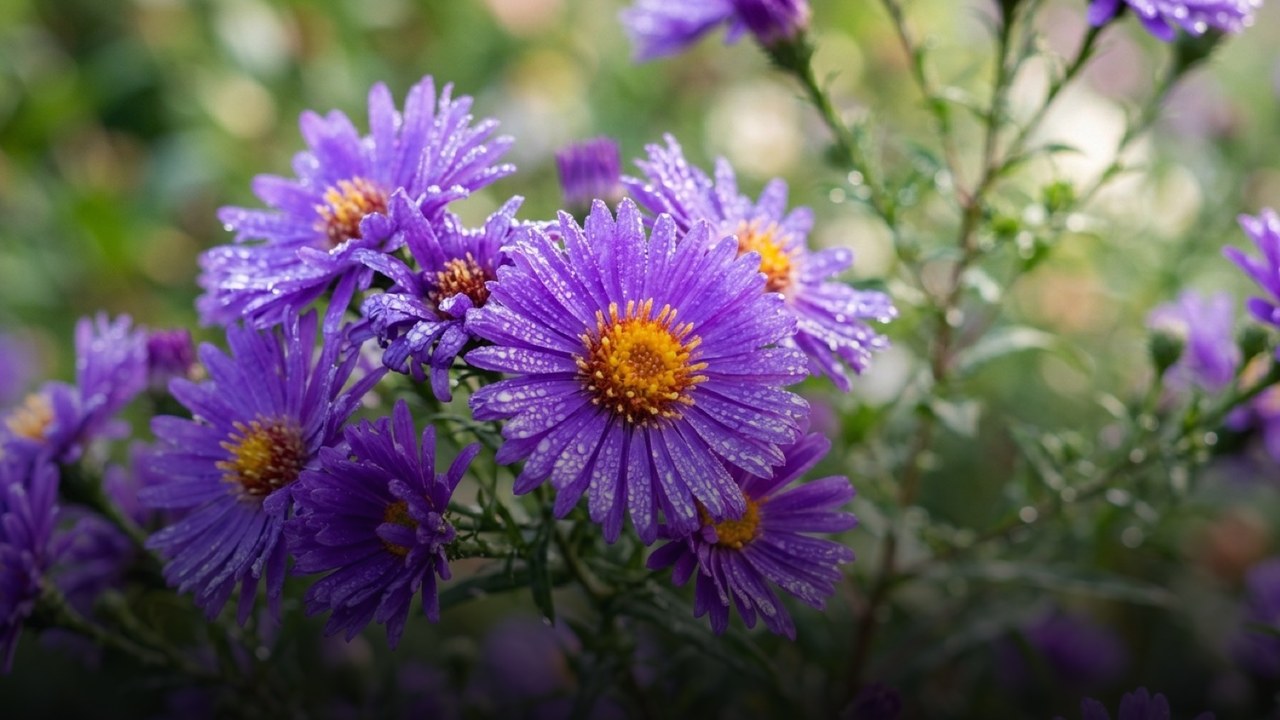
Most cut flowers stay attractive for about 5–10 days in a vase, although some fade sooner and others can last two weeks or longer. The variety, condition when received and care at home all affect that window; flowers left without water may wilt much sooner.
There is no single moment when an entire bouquet dies. A soft petal edge, a drooping head and a rotten stem mean different things, and mixed bouquets often fade one variety at a time. You can usually keep the arrangement looking better by supporting the healthy stems and removing spent ones. These guidelines concern cut flowers: a flowering plant with roots follows a different cycle, and losing its blooms does not necessarily mean the plant has died.
1. Estimate vase life by the flowers in your bouquet
Use the shortest-lived flowers as your guide if you need a mixed bouquet to look its best on a particular day. Roses and tulips often give you roughly a week of display, while carnations and chrysanthemums can remain attractive longer under good conditions. These are planning ranges, not expiry dates: the same variety can behave differently depending on its maturity and what happened before it reached your vase.
Look at the stage of opening as well as the flower name. A fully open bloom gives an immediate effect but has less of its flowering life ahead of it. Buds may develop gradually, although a tightly closed bud is not a guarantee that it will open successfully. When choosing flowers for an occasion, consider whether you want a full display on arrival or the pleasure of watching the bouquet develop.
Some changes are normal growth rather than decline. Cut tulips may lengthen and lean towards the light, and flowers can open into a wider, looser shape. Judge their condition by several signs together: firm stems, petals that still hold their shape and an absence of slime or an unpleasant smell. A curved stem alone is a poor reason to throw a flower away.
2. Give cut flowers a clean start
Prepare the vase before you unwrap the bouquet. Wash it thoroughly with detergent, rinse it well and add fresh water. A vase that looks clear can still have residue inside, particularly around the base and waterline. Choose one that supports the stems without packing them tightly together; crowding makes it harder to remove damaged material and inspect the water.
Remove any leaves that would sit below the waterline, keeping healthy foliage above it. Submerged leaves decay and make the water dirty more quickly. With clean, sharp scissors or secateurs, trim a small amount from each stem and place it promptly into water. Make a clean cut without crushing the end, since damaged tissue can interfere with water uptake.
If flower food comes with the bouquet, mix it according to the packet instructions and the amount of water you are using. More concentrate is not automatically better. If you have no suitable flower food, start with clean water and maintain it carefully. Avoid improvised combinations of sugar, household cleaners or other additives: uncertain proportions can damage flowers or make the vase harder to manage.
Bouquets we can deliver




3. Make a small daily care routine
Check the water level every day, especially during the first few days. A tall vase can conceal a surprisingly low level, and a large bouquet may drink enough to leave some stem ends exposed. Top up as needed so that every cut end remains submerged. If you use flower food, follow its directions when preparing additional solution rather than repeatedly adding undiluted powder.
Replace the water regularly, and sooner whenever it becomes cloudy or develops a smell. During a change, rinse the vase, remove fallen leaves and inspect the submerged stems. If the ends have deteriorated, trim back to sound tissue with clean tools. This is also a useful time to remove individual fading flowers instead of waiting for the whole bouquet to lose its shape.
Display flowers in a cool part of the room, away from direct sunshine, radiators and strong draughts. Avoid placing them beside ripening fruit, which releases ethylene that can hasten ageing in sensitive flowers. Think about the actual position throughout the day: a table that is shaded in the morning may sit in a hot patch of afternoon sun. Move the vase if the spot becomes warm.
4. Know when a wilted flower may recover
A drooping flower is not always beyond saving. If the vase ran dry or the bouquet spent time out of water, the stem may have lost more moisture than it could replace. Refresh the water, clean the vase if necessary, recut the stem and move the flowers to a cooler position. Give them time to take up water, then judge whether their firmness improves; recovery depends on the damage.
Separate dehydration from decay. A flexible stem with limp leaves may respond to better hydration, while a slimy stem, a mushy flower base or a persistent rotten smell points to deterioration. Remove affected stems rather than leaving them among healthy flowers. Petals that are dry and papery will not become fresh again, even if the rest of the flower takes up water.
Avoid dramatic rescue tricks such as boiling stem ends, burning them or immersing an unfamiliar bouquet in very hot water. Care methods can differ between flowers, and a treatment suited to one type may harm another. If a few stems recover while others do not, rearrange the survivors in a smaller clean vase. A shorter arrangement can still look deliberate once damaged flowers and foliage are removed.
5. Time a gift for the recipient and the occasion
For a birthday, anniversary or dinner, aim for a delivery time when the recipient can put the flowers into water reasonably soon. Sending them several days early uses part of their display life before the occasion. Equally, arrival during a commute or just before someone leaves for a trip can make care inconvenient. Their schedule matters as much as the date written on the calendar.
Choose the message with the occasion in mind, particularly if you are sending flowers across cultures. Flower colours and varieties can carry different associations between families and individuals, so avoid relying on a supposedly universal meaning. A simple card explaining your intention makes a romantic, congratulatory or supportive gesture clearer. For someone grieving, a brief expression of care usually asks less of them than a message expecting a reply.
When you are ordering from abroad, check the recipient's local date and time before choosing delivery. Turboflora offers express delivery in large cities in 1–2 hours after order confirmation, delivery at an exact time within a ±30-minute allowance, or windows of 09–12, 12–15, 15–18 and 18–21. You can also pre-order 1–30 days ahead. Choose the option that fits the recipient's day.
6. Arrange flower delivery to Russia with Turboflora
You can start with the bouquets catalogue and contact a manager on WhatsApp for help choosing a bouquet. The manager can agree the delivery time, address and card text, and provide a photo of the bouquet before delivery. If vase life matters to your choice, explain the occasion and when the recipient will be able to enjoy the flowers.
We deliver flowers across Russia. City delivery costs 500 RUB; for remote districts and suburbs, the operator confirms the price when confirming your order. You can review delivery and payment before checkout. Online payment uses CloudPayments; check the options displayed at checkout for your card, as acceptance of every foreign card cannot be assumed.
Delivery is anonymous by default: the courier does not name the sender, and a card with your text is free. Sign the card if you want the recipient to know who sent it. The courier calls about 15 minutes before arrival. If the recipient is absent, we agree a second delivery that day or, with the sender's consent, hand the flowers to a neighbour or concierge.
Frequently asked questions
How long can flowers last without water?
There is no reliable time limit for every bouquet: flower type, heat and exposure all affect how quickly stems wilt. Keep time without water as short as possible and place the flowers in a prepared vase promptly.
Does changing the water every day make flowers last longer?
Clean water and a clean vase help reduce the build-up of microorganisms that can interfere with water uptake. Check daily, replace cloudy or smelly water promptly, and follow any supplied flower-food instructions.
Are flowers dead as soon as they are cut?
Cut flowers are separated from the plant's roots, but their tissues can remain alive and their buds may continue opening. Their vase life ends gradually as they lose the ability to maintain healthy stems, leaves and petals.
Should I throw away a bouquet when one flower dies?
Remove the spent flower and inspect the remaining stems and water. Healthy flowers can stay on display, and moving them into a smaller vase often makes the remaining arrangement easier to support.
Can I order flowers to Russia while living abroad?
You can choose a bouquet online and agree the address, timing and card text with a manager. Checkout uses CloudPayments; check the payment options shown there rather than assuming your foreign card will be accepted.
Ready to send flowers?
Pick the city, choose the bouquet, and a local florist takes it from there.
Choose a city →