Mixed Bouquets in Russia: Tasteful or Tacky?
You have picked out a beautiful arrangement of garden roses, lisianthus, and eucalyptus, and then someone tells you Russians prefer single-variety bouquets. Now you are second-guessing everything. The truth is more nuanced than any rule of thumb, and understanding it will help you send something that lands exactly right — whether the recipient is a colleague in Moscow, a grandmother in Novosibirsk, or a close friend celebrating a milestone in Saint Petersburg.
Why Single-Variety Bouquets Became the Russian Default
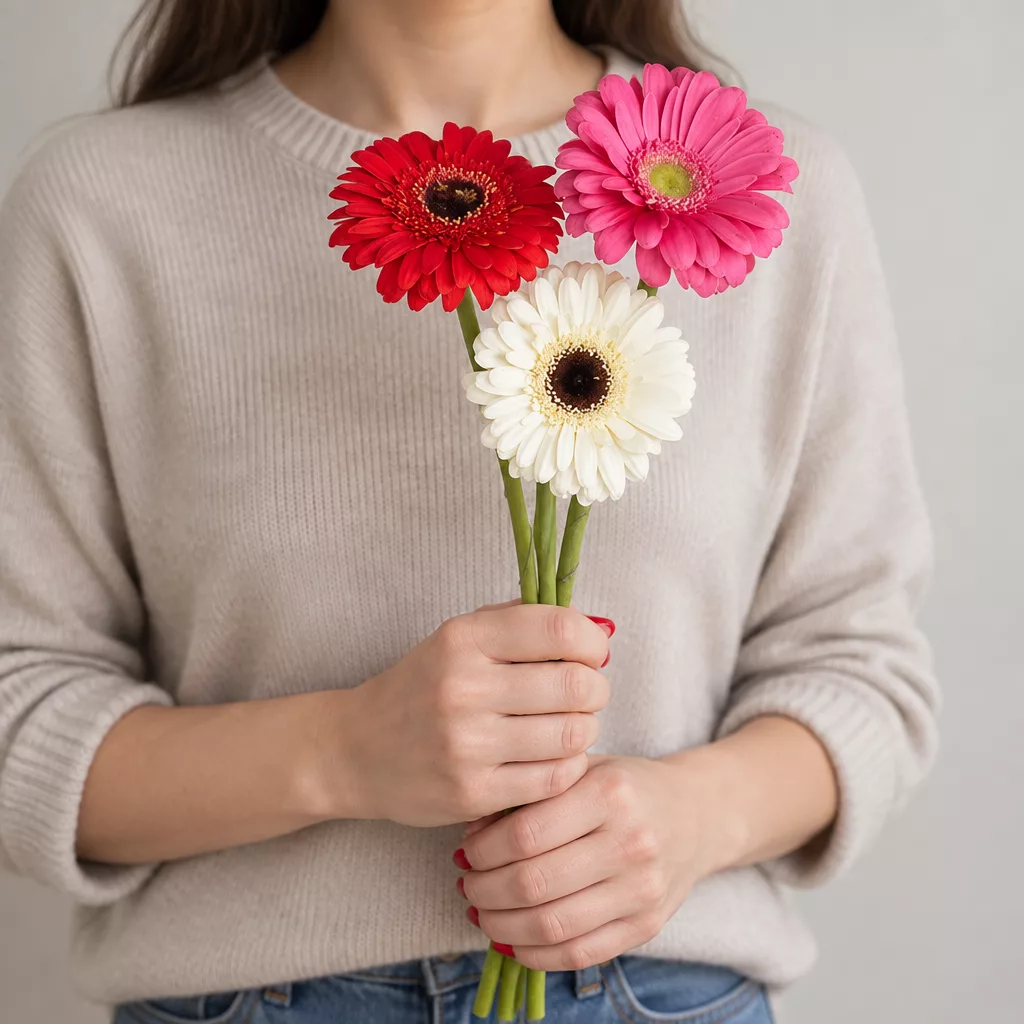
The Soviet era left a lasting mark on flower culture across Russia. For decades, the most reliably available flowers were carnations, gladioli, and gerberas, almost always sold in single-variety bunches at metro station kiosks. Giving a bouquet meant giving one type of flower, and that simplicity became associated with sincerity and directness — qualities Russians tend to value highly in social gestures.
This is not merely nostalgia. A bouquet of twenty identical red roses still reads as a bold, unambiguous statement. There is no visual noise, no need to interpret what the giver meant by pairing this flower with that one. The message is clear before the recipient even leans in to smell them.
Single-variety arrangements also dominated formal occasions for generations. Presenting a teacher with a bunch of chrysanthemums on the first of September, or handing a performer a sheaf of tulips after a concert, felt correct precisely because it was legible. The flower itself carried the meaning, and nothing competed with it.
For someone sending flowers from outside Russia, this context matters. A recipient over fifty, or one who grew up in a smaller city, may instinctively read a single-variety bouquet as more respectful and considered, not less creative. Knowing this helps you choose rather than guess.
Bouquets we can deliver


When Mixed Arrangements Became Acceptable — and Even Expected
The shift began in the late 1990s and accelerated through the 2000s as Dutch flower imports flooded the Russian market and European floral aesthetics spread through magazines, social media, and wedding culture. Younger urban Russians, particularly in Saint Petersburg and Moscow, began to see mixed bouquets not as confused but as sophisticated.
Weddings drove much of this change. Bridal arrangements in Russia today are overwhelmingly mixed — garden roses paired with ranunculus, sweet peas threaded through peonies, dusty miller adding a soft grey edge to blush tones. The wedding industry normalised the idea that combining species creates something richer than any single flower can achieve alone.
Birthday culture followed. A woman in her thirties receiving a thoughtfully composed bouquet of spray roses, lisianthus, and seasonal foliage now reads it as a florist's craft, not a compromise. The combination signals that someone paid attention — to colour, to texture, to what she actually likes.
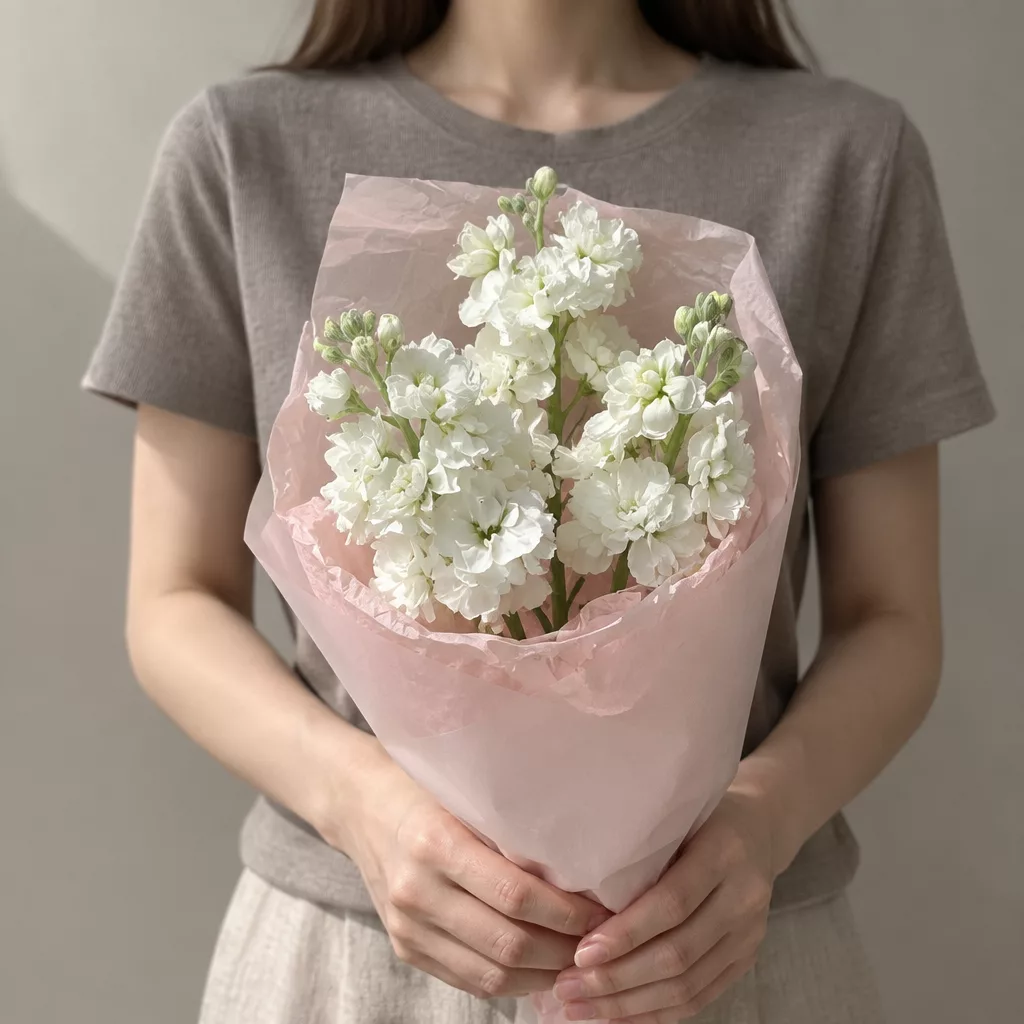
The key word is thoughtfully. What separates a tasteful mixed arrangement from a tacky one in Russian perception is usually coherence. A bouquet that mixes five unrelated colours with three clashing textures feels careless. A bouquet that combines white peonies, pale lilac waxflower, and silvery eucalyptus feels intentional. Russians respond to intention, even if they cannot always articulate why.
Reading the Recipient Before You Choose
The single most reliable guide to choosing between mixed and single-variety is the person receiving the flowers, not the occasion itself. Age, city, and personal style all shift the calculation more than any calendar date.
A woman in her sixties who has spent her life in a mid-sized Russian city will likely receive a classic bunch of roses or peonies with genuine warmth. She knows what those flowers mean, she knows how to care for them, and she will not feel that something is missing. Sending her a garden-style arrangement with cotton stems and dried grasses might puzzle her, even if it is objectively beautiful.
A woman in her early thirties who follows interior design accounts and buys her own flowers at weekend markets is a different recipient entirely. She will notice if the bouquet feels generic. For her, a mixed arrangement with clear colour logic — say, coral charm peonies, apricot ranunculus, and copper-toned foliage — feels personal in a way that a dozen identical stems does not.
For male recipients, which is less common but increasingly normal in Russia, single-variety tends to feel less fussy and more direct. A tight bunch of deep burgundy dahlias or architectural anthuriums reads as considered without veering into territory that might feel awkward. When in doubt about a male recipient's taste, lean toward strong forms and a single dominant species rather than a mixed garden style.
Occasions That Call for One Approach Over the Other
Professional settings in Russia still favour restraint. Sending flowers to a business partner, a senior colleague, or someone you do not know well personally is almost always safer with a single-variety arrangement. A generous bunch of white or cream roses, or a clean presentation of calla lilies, communicates respect without overstepping. Mixed arrangements in professional contexts can read as either too casual or too intimate, depending on the combination.
The first of September — Knowledge Day, when children bring flowers to teachers — is one of the most flower-intensive days in the Russian calendar. The traditional gift is a single-variety bunch, often gladioli, chrysanthemums, or asters. Sending a mixed bouquet on this day is not wrong, but it sits slightly outside the expected script. If you want to honour the tradition, lean toward one dominant flower in a school-appropriate colour.
Romantic occasions are where mixed arrangements earn their place most naturally. Valentine's Day in Russia has grown significantly, and anniversary bouquets increasingly feature combinations — roses with gypsophila is a classic, while more contemporary choices pair garden roses with lisianthus and trailing jasmine vine for texture and scent.
Birthday bouquets for close friends and family are the most flexible category. Here you can follow the recipient's taste most freely. If she loves wildflower aesthetics, a mix of cornflowers, sweet Williams, and scabiosa feels exactly right. If she is a classicist, twenty long-stemmed roses remain unbeatable.
Combinations That Work Well and Common Mistakes to Avoid
Certain pairings have proven themselves across Russian taste preferences and practical vase life. Roses combined with lisianthus are reliable because both flowers last well in water and the lisianthus adds frilled texture without competing for attention. Peonies with ranunculus share a similar rounded form but different scale, creating depth without visual conflict. Tulips with muscari in early spring feel seasonal and intentional — a combination that tells the recipient someone thought about what is actually in bloom right now.
The mistakes that make mixed bouquets look cheap rather than curated are usually about colour or proportion. Mixing red, orange, yellow, and purple in roughly equal quantities looks like a market bin rather than a considered gift. Pairing flowers with very different vase lives is also a problem — lilies can last ten days in cool water while sweet peas may fade in three, meaning half the bouquet will look tired long before the other half is finished.
Another common error is over-filling with filler. Baby's breath — gypsophila — has a complicated reputation in Russia. Older recipients associate it warmly with classic bouquets, while younger recipients often find it dated. Eucalyptus, ruscus, and pittosporum read as more contemporary foliage choices and tend to be received well across age groups.
Temperature matters too. Flowers delivered in Russian winters — and Saint Petersburg winters are genuinely cold — should be wrapped properly. Delicate mixed arrangements with open blooms are more vulnerable than tight single-variety bunches, so good packaging is not optional.
Colour Logic: How Russians Read Flower Colour in Combinations
Russians pay close attention to flower colour, and this attention intensifies when multiple species are combined. A mixed bouquet in a single colour family — all whites, or all shades of pink from blush to deep rose — is almost universally read as elegant and deliberate. It demonstrates that someone made choices rather than grabbing whatever was available.
Contrast combinations work when they follow an internal logic. Burgundy and dusty pink together feel intentional. Burgundy, hot orange, and electric purple together feel accidental. The difference is whether the colours share an undertone or a mood. Warm tones — peach, coral, amber, cream — mix naturally. Cool tones — lavender, ice blue, white, soft green — create a coherent palette. Mixing warm and cool tones requires a skilled hand and a clear focal flower to anchor the arrangement.
White flowers occupy a special place in Russian culture that is worth understanding. White roses, white chrysanthemums, and white lilies are all associated with memorial occasions in Russia. This does not mean you should avoid white entirely — a bouquet of white peonies with green foliage is beautiful and widely given for celebrations. But a bouquet that is predominantly white, especially with no warm accent, may give some recipients pause. Adding a warm cream, blush, or soft yellow element shifts the reading entirely.
Yellow flowers also carry a folk superstition in Russia — some people believe they bring separation or bad luck in relationships. This belief is fading among younger generations but persists among older recipients. In a mixed bouquet, a few yellow ranunculus among other colours rarely triggers concern, but an all-yellow arrangement sent romantically may land awkwardly.
Keeping a Mixed Bouquet Looking Fresh Longer
A mixed arrangement has more moving parts than a single-variety bunch, which means care instructions matter more, not less. The first thing to do when a bouquet arrives is cut the stems at a diagonal under cool running water and place them immediately in a clean vase. Diagonal cuts maximise the surface area drawing water up the stem, which matters especially for thirsty flowers like hydrangeas and gerberas.
Keep mixed bouquets away from direct sunlight and heating radiators, which are common in Russian apartments from October through April. Central heating is very dry and warm, and it shortens vase life significantly. A cool room — ideally between fifteen and eighteen degrees Celsius — will add several days to the arrangement's life. Many Russians instinctively put flowers near a window for light, but in winter that position can mean cold drafts, which are equally damaging to open blooms.
Change the water every two days and re-cut the stems each time. Remove any leaves that fall below the waterline immediately, as they decay quickly and cloud the water with bacteria that block stem uptake. Adding a small amount of the flower food sachet that comes with the bouquet genuinely helps — it contains a mild acidifier and sugar that feeds the blooms.
In a mixed arrangement, different flowers will fade at different rates. Removing spent blooms promptly keeps the remaining flowers looking intentional rather than neglected. A bouquet of seven species that loses two early can still look beautiful as a smaller, tighter arrangement if you refresh it rather than waiting for everything to decline together.
Mixed bouquets in Russia are neither universally tasteful nor universally tacky — they are read through the lens of the recipient, the occasion, and the coherence of the arrangement itself. The florist's job, and yours as the person choosing, is to make the combination feel like a decision rather than a default. When you choose flowers that share a colour story, complement each other in texture and vase life, and suit the person who will receive them, the arrangement speaks clearly regardless of how many species it contains. That clarity is what Russians respond to, whether the bouquet holds one flower or ten. We deliver bouquets across Russia in 1–2 hours.
Frequently asked questions
Is it rude to send a mixed bouquet to an older Russian woman?
Not rude, but it may feel unfamiliar. Older recipients often associate single-variety bouquets with sincerity and tradition. If you want to include mixed elements, keep the colour palette simple and choose a clear focal flower — roses or peonies — so the arrangement reads as intentional rather than assembled from leftovers.
Can I send yellow flowers to a Russian friend without offending them?
For most recipients under forty, yellow flowers are simply cheerful and seasonal. The folk belief that yellow brings bad luck in relationships is fading but not gone. In a romantic context, avoid an all-yellow bouquet to be safe. A few yellow ranunculus or mimosa within a mixed arrangement rarely causes concern and reads as a considered colour choice.
What is the most universally safe flower choice for a Russian recipient you do not know well?
White or cream roses in a generous, single-variety bunch remain the most broadly accepted choice across ages, cities, and occasions. They read as respectful and considered without requiring detailed knowledge of the recipient's personal taste. For spring, a classic bunch of pink or white tulips achieves the same universal legibility.
How do I know if a mixed bouquet will arrive looking fresh after delivery across Russia?
Reputable florists compose mixed arrangements with vase life in mind, choosing species with compatible water needs and durability. Flowers should be delivered wrapped in insulating packaging, especially in cold months. Ask whether the bouquet is made fresh on the day of delivery — arrangements prepared to order hold up significantly better than those sitting in a refrigerator.
Are there specific flower combinations that feel distinctly modern versus traditional in Russia?
Garden roses with eucalyptus and lisianthus read as contemporary and European-influenced. Roses with gypsophila or gladioli with chrysanthemums feel classic and traditional. Peonies sit comfortably in both worlds depending on presentation. Dried elements, cotton stems, and proteas signal a very current aesthetic that younger urban recipients appreciate but older recipients may find puzzling.
Ready to send flowers?
Pick the city, choose the bouquet, and a local florist takes it from there.
Choose a city →