How Many Roses Should You Send in Russia? A Number Guide
If you have ever paused before typing a number into a flower order and wondered whether seven roses means something different from eight in Russia, you are asking exactly the right question. Stem count carries real social weight here. A Russian recipient will notice the number before they notice the variety, and the meaning attached to that number is surprisingly specific. This guide walks you through every count from one stem to a full dozen, so your bouquet says precisely what you intend it to say.
Why Stem Count Matters More in Russia Than You Might Expect
In many Western countries, the size of a bouquet is mostly about budget and visual impact. In Russia, the number of stems carries a layer of meaning that goes well beyond aesthetics. The single most important rule for a newcomer to know is this: even numbers of flowers are traditionally associated with mourning and are brought to funerals or left at graves. An odd number is the standard for any living recipient, any celebration, and any romantic gesture. This is not a rigid superstition that every Russian follows to the letter, but it is deeply embedded in social expectation. If you send an even-numbered bouquet to a birthday or an anniversary, the recipient will almost certainly notice, and it can create an awkward moment even if no one says anything aloud. The rule applies specifically to whole flowers with stems — a mixed arrangement where blooms are tucked into greenery and the count is genuinely unclear gets a pass. But a clean presentation of roses, where stems are visible and countable, will be counted. Florists working in Russia learn this on their first week. When a customer asks for ten red Explorer roses arranged simply, the professional response is to gently suggest eleven or nine. It is not about being superstitious yourself — it is about understanding what the person receiving the flowers will feel when they unwrap them. Starting from that feeling is always the right place to begin.
Bouquets we can deliver


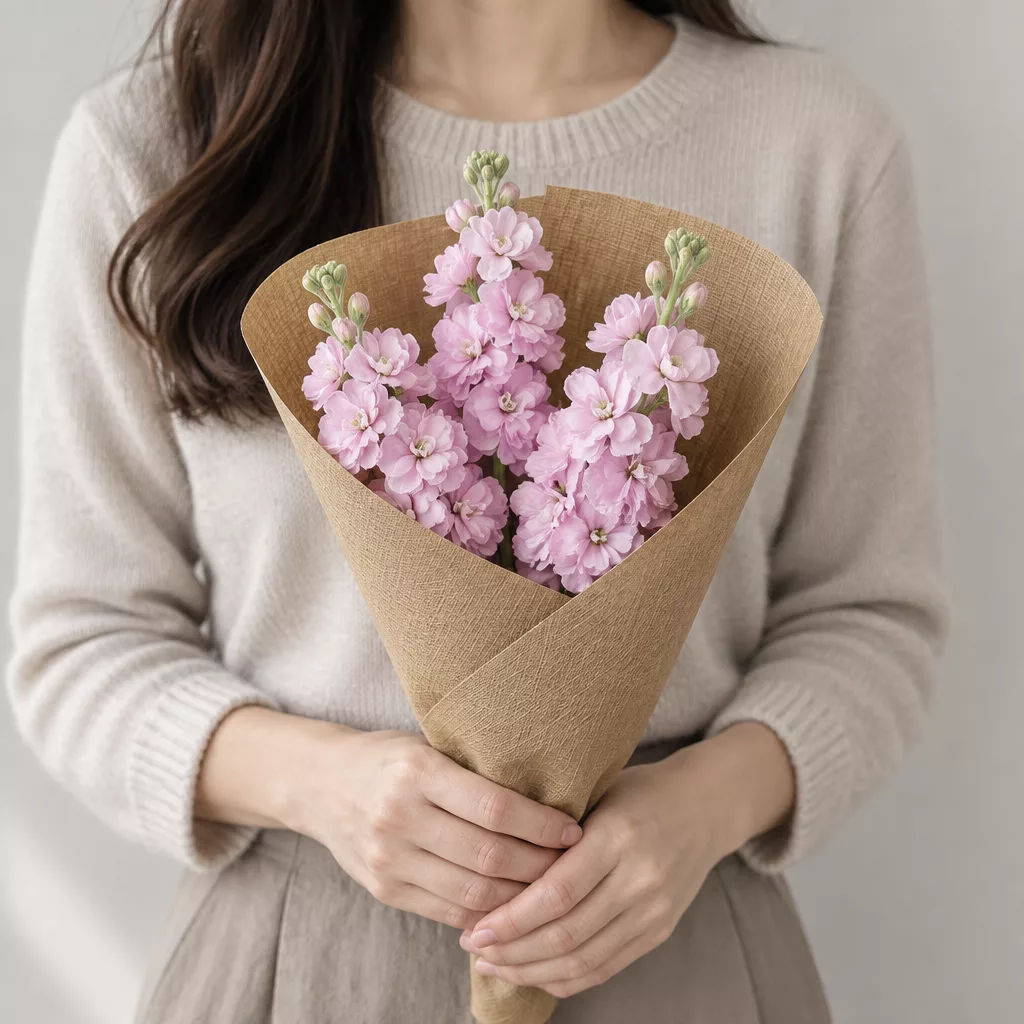
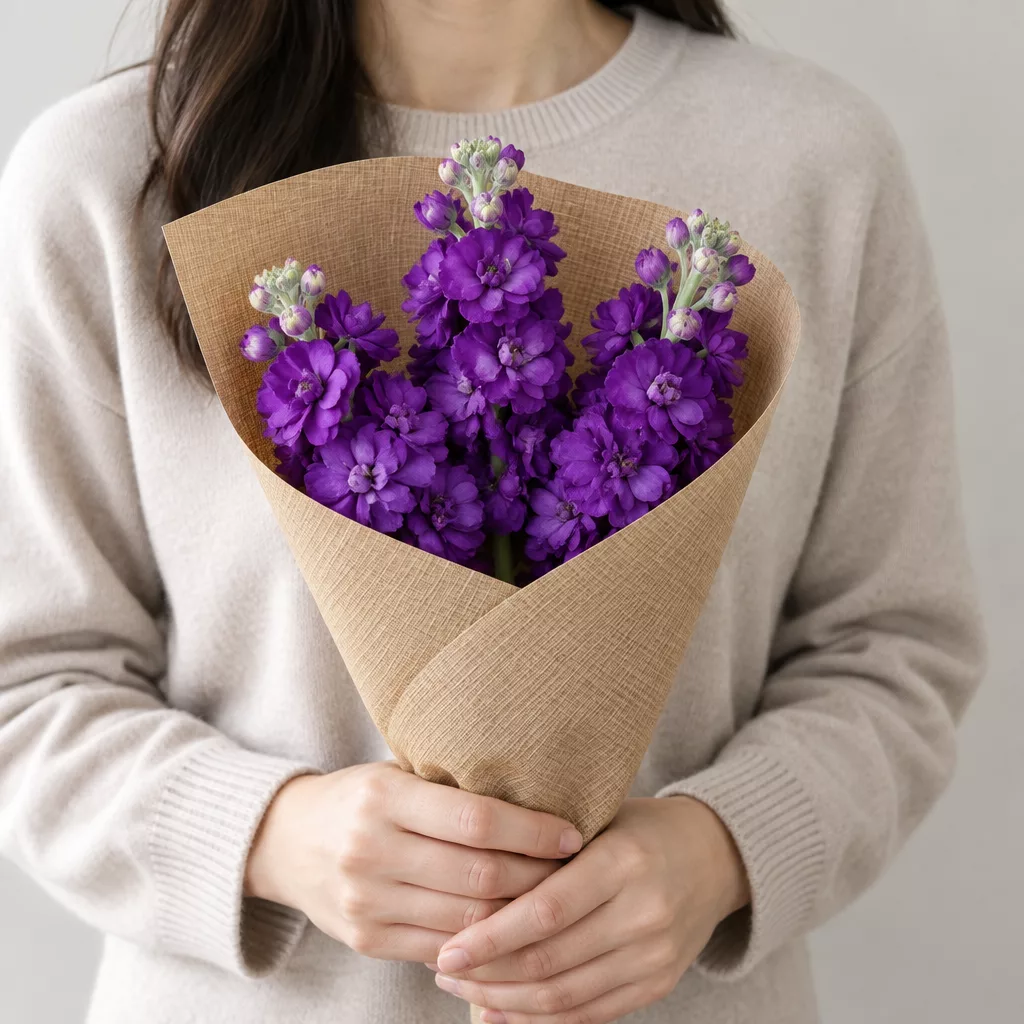
One Rose: When a Single Stem Says Everything
A single rose is one of the most deliberate gestures you can make. It is not a budget choice — it is a statement of intention. In Russian romantic culture, one rose given at the right moment reads as focused, confident, and personal. It says: this is specifically for you, and I chose it carefully. The variety and color carry enormous weight when there is only one stem. A long-stemmed red Grand Prix rose, fully opened, handed to someone at the door feels cinematic. A single white Avalanche rose in a slim kraft sleeve feels elegant and restrained. One peach or coral rose — something in the Tiffany or Sahara range — lands as tender and thoughtful rather than declarative. The practical side matters here too. A single stem should be cut fresh that morning, ideally from a batch that has been hydrated for at least four hours after arrival at the shop. The stem should be long — forty-five centimeters or more — because proportion is everything when there is nothing else in the arrangement. Wrap it simply. A single rose drowning in excessive packaging loses its point entirely. This gesture works beautifully for a first date, for an apology that needs no drama, or for a quiet anniversary when you want to say something intimate rather than impressive. It also works when you are sending to someone who lives alone and does not have a large vase — one stem in a simple glass is genuinely beautiful and easy to care for.
Three and Five Roses: The Everyday Warmth of Small Odd Numbers
Three roses are the starting point for what most Russian recipients think of as a proper bouquet. It is the minimum for a birthday, a small thank-you, or a spontaneous gesture to a colleague or neighbor. Three stems give a florist enough to work with — a little greenery, a sprig of wax flower or eucalyptus, and the bouquet has shape and presence without demanding a large vase. For three roses, a mix of one fully open bloom and two in bud creates movement and means the recipient gets to watch the arrangement evolve over several days. Five roses step up the warmth considerably. Five is a generous small bouquet — it suits a close friend, a mother on an ordinary Tuesday, or a partner when you want to say something affectionate without the formal weight of a larger arrangement. Five red or deep pink roses, something like a Red Naomi or a Hot Lady variety, wrapped in matte paper with a single ribbon, look genuinely luxurious despite the modest count. The key with both three and five is freshness over size. Roses at these counts need to be absolutely perfect specimens because every stem is visible. A single drooping head in a bouquet of three ruins the whole thing. Ask for stems that are firm to the touch, with petals that have not yet begun to separate at the edges. In warmer months — June through August in Saint Petersburg — roses at these counts should be delivered in an insulated sleeve if transit time is more than thirty minutes.
Seven Roses: The Number With the Most Romantic History
Seven is the number that comes up most often when Russian florists talk about romance. It sits in a sweet spot — larger than a small gesture, not yet at the formal scale of eleven or fifteen — and it has a warmth that feels personal rather than ceremonial. Seven red roses is one of the most classic Valentine's Day and anniversary choices in Russia. The count is old enough to feel traditional and specific enough to feel considered. Seven also gives a florist real creative room. You can mix two varieties at this count — say, five deep red Explorer roses and two blush Pink Floyd roses — and the combination reads as intentional rather than random. You can add a few stems of white gypsophila or a couple of silvery eucalyptus branches and the bouquet becomes full without looking padded. The presentation options open up: a round hand-tied bouquet, a loose garden-style wrap, or a more structured cone shape all work well at seven stems. For the recipient, seven roses in good condition should last seven to ten days in a cool room. Saint Petersburg apartments in winter can be very warm — central heating runs high from October through April — so placing the vase away from radiators is the single most important care instruction to include with the bouquet. Change the water every two days and re-cut the stems at an angle each time. A sachet of flower food makes a meaningful difference at this count because each stem has room to drink properly.
Nine and Eleven Roses: When the Occasion Deserves More
Nine roses mark a genuine step up in intention. This is the count for a significant birthday, a promotion celebration, or a romantic gesture that you want to feel substantial. Nine also has a specific meaning that some Russian recipients know: it is associated with the wish for a long and lasting relationship, though this is more of a folk association than a universal rule. What matters practically is that nine roses make a bouquet that fills a standard vase beautifully and photographs well — something that matters in an era when every gift gets shared on social media. Eleven is the number that says I am serious. Eleven roses, particularly in a single strong color — a deep red like Red Naomi, a pure white like Avalanche, or a rich burgundy like Black Baccara — make a statement that is unmistakably romantic and deliberate. In Russian gifting culture, eleven has a reputation as the count for a declaration: a first I love you, a proposal of dating, a significant anniversary. The odd number rule is satisfied, the quantity is generous, and the symmetry of ten-plus-one carries its own quiet meaning for many recipients. At nine and eleven stems, the bouquet benefits from a consistent stem length of fifty centimeters or more. Shorter stems at this count make the arrangement look crowded rather than abundant. A simple monochromatic presentation — all one variety, all one color, wrapped in a single sheet of quality paper — is almost always more impressive than mixing varieties at this scale.
A Dozen Roses: The Exception to the Even-Number Rule
Twelve roses occupy a unique position. Technically an even number, a dozen has become so internationally recognized as a romantic gesture that many Russian recipients read it as a Western-style declaration rather than applying the traditional even-number association. It is the one even count that florists in Russia regularly sell for romantic occasions without hesitation, particularly for recipients who are younger, who have lived abroad, or who work in international environments. That said, if you are uncertain about your recipient's sensibility, eleven is always the safer and more culturally fluent choice. Twelve gives you one more stem and removes any ambiguity entirely. A dozen roses is also the standard count for corporate gifting and formal thank-you bouquets in a business context, where the romantic connotation softens and the gesture reads as respectful and generous. For a dozen roses, presentation becomes even more important than at smaller counts. Twelve identical stems of one premium variety — Mondial white roses, for example, or the rich salmon of a Tara variety — wrapped in structured packaging with a satin ribbon is a classic that works across every context. At this volume, freshness and uniformity matter enormously. All twelve stems should be at the same stage of opening, ideally in tight bud with the outer petals just beginning to loosen. A dozen roses where three are fully open and nine are still closed looks like an afterthought, not a considered gift. Refrigerated storage right up until delivery is non-negotiable for a bouquet at this count.
Choosing the Right Count for Your Specific Situation
The number you choose should come from two places: what you want the recipient to feel, and what the occasion calls for socially. A romantic first gesture calls for one, three, or seven — numbers that feel personal and warm rather than grand. A significant anniversary or a declaration of love calls for eleven or a dozen. A cheerful birthday for a friend lands best at five or seven, where the bouquet is generous but not overwhelming. A thank-you to a teacher or a colleague reads most naturally at three or five stems in a soft color — blush, peach, or white — rather than the red that carries romantic weight at any count. Temperature and season should also shape your thinking. In summer, when roses are under stress from heat even in transit, a smaller bouquet of five or seven perfect stems is a better gift than a large arrangement of twelve that may arrive wilted. In winter, the cold is actually an advantage — roses travel well in Saint Petersburg's January air — and a larger bouquet of eleven or twelve will hold up beautifully. One last note on color and count together: red roses at any number read as romantic in Russian culture. If you are sending to a friend, a family member, or a professional contact and you want the gesture to feel warm but not romantic, choose white, peach, yellow, or a soft pink variety and the message shifts regardless of stem count. The combination of color and number is your full vocabulary — use both deliberately.
Choosing how many roses to send is one of the most genuinely meaningful decisions in the gifting process, and in Russia it carries more cultural weight than most senders realize. Start from the person receiving the flowers and what you want them to feel in the moment they unwrap the bouquet. Let that feeling guide you to the right count, then trust that a well-chosen number of fresh, beautiful roses — delivered at the right moment — will land exactly as you intend. We deliver bouquets across Russia in 1–2 hours.
Frequently asked questions
Is it really true that even numbers of roses are bad luck in Russia?
It is not exactly bad luck — it is a strong cultural association with mourning. Even-numbered bouquets are traditional for funerals, so sending an even count to a living recipient can feel jarring or confusing to them. Most Russian florists automatically suggest switching to an odd number. The one exception most people accept is a full dozen roses, which carries enough international romantic meaning to override the association.
What is the most popular rose count for a birthday in Russia?
Seven and eleven are the most common choices for birthdays among Russian senders. Seven feels warm and personal for a close friend or partner. Eleven reads as a more substantial celebration gift for a significant birthday. For a colleague or acquaintance, five roses in a soft color is a gracious and appropriately scaled gesture that avoids any romantic misreading.
Do Russian men receive roses, and does the count change for them?
Men do receive roses in Russia, though less frequently than women. The same odd-number rule applies. A single stem or three roses are the most common counts when giving roses to a man — the gesture is kept simple and the variety tends toward something structured and unfussy, like a deep red or white rose rather than a frilly or pastel variety. The cultural norm is to keep the bouquet understated.
How long will a bouquet of eleven roses last after delivery?
With proper care, eleven fresh roses should last seven to ten days. The key steps are re-cutting the stems at an angle immediately on arrival, placing them in clean water with flower food, keeping the vase away from radiators and direct sunlight, and changing the water every two days. In a warm Russian apartment during heating season, the cooler a spot you can find, the longer the roses will hold.
Can I mix rose varieties within one bouquet, or is one variety better?
Both approaches work, but they communicate differently. A single variety in one color looks intentional, formal, and luxurious — ideal for romantic gestures or significant occasions. A mix of two complementary varieties, such as a red and a blush pink, feels warmer and more personal. At counts of three or five, stick to one variety so each stem stands out. At seven or above, a thoughtful mix adds depth without looking confused.
Ready to send flowers?
Pick the city, choose the bouquet, and a local florist takes it from there.
Choose a city →