How Quick Do Flowers Die? What to Expect from Your Bouquet
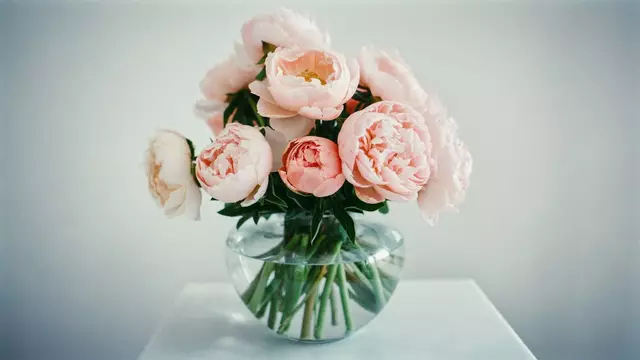
Most fresh cut flowers last roughly five to ten days in a vase, although the variety, their condition when you receive them and your care can shorten or extend that range. Without water, delicate flowers may start wilting within a few hours, especially in heat. A drooping head does not always mean a flower is dead: thirsty stems sometimes recover after prompt care.
The useful question is whether your flowers are temporarily dehydrated, damaged or simply reaching the end of their vase life. Those situations need different responses. If you are carrying a bouquet home, preparing flowers for an occasion or sending a gift to someone in Russia, a little attention to water, placement and timing can prevent avoidable losses.
What determines how long a bouquet lasts?
Different flowers age at different speeds. Carnations and chrysanthemums often stay presentable longer than delicate blooms such as irises, while roses and tulips vary considerably with their starting condition. Treat any vase-life estimate as a guide rather than a countdown. Even two stems of the same variety can open and fade on different days.
Check the whole stem rather than judging freshness by a tight flower head alone. Look for firm petals appropriate to the variety, healthy foliage and a stem without slime or a sour smell. Some flowers are supplied more open than others, so a fully open bloom is not automatically old. Brown, soft or translucent areas deserve closer attention.
A mixed bouquet will rarely finish all at once. Remove individual stems as they deteriorate and rearrange the healthy flowers in a smaller vase when necessary. This keeps decaying material out of the water and lets you enjoy the remaining blooms. You do not need to discard a whole arrangement because its most delicate flower has faded.
How fast do flowers wilt without water?
There is no dependable number of safe hours for every bouquet. Cut stems continue losing moisture through their leaves and petals, but cannot replace it while dry. Sun, moving air and a warm room speed that loss. A bouquet that looks fine at the start of a journey may become limp before you arrive, so minimise time away from water.
For a short trip, keep the bouquet shaded, protect the flower heads from crushing and take it straight to its destination. Decorative wrapping should not be assumed to contain a water supply. If the stems have a water pouch, keep it upright and check for leaks; once home, transfer the flowers to a suitable vase rather than leaving them packed.
A parked car is a poor holding place because its conditions can change quickly. Heat accelerates dehydration, while freezing conditions can injure petals and leaves even if they initially look intact. Do not judge safety by the weather outside alone. Our guide to flowers left in a car explains the practical risks.
Bouquets we can deliver




The first vase routine: clean, trim and hydrate
Start with a thoroughly washed vase and fresh water. Remove any leaves that would sit below the waterline, since submerged foliage breaks down and encourages bacterial growth. Choose a vase that supports the stems without squeezing them together. Keep the flower heads above the rim, with enough space for air to circulate between the blooms.
Use clean, sharp scissors or secateurs to remove a small section from each stem base, then place the stems in water promptly. A clean cut helps water uptake; crushing or hammering the ends damages tissue. If flower food is supplied, follow its dilution instructions. Extra powder is not extra protection, and an improvised mixture is unnecessary.
Check the water level daily, especially during the first day when thirsty stems may drink noticeably. Replace cloudy water promptly and wash away any slippery residue from the vase before refilling it. Keep the bouquet away from direct sun, radiators, heating vents and ripening fruit. Comfortable indoor conditions help more than moving it repeatedly between hot and cold places.
Can you revive drooping flowers?
If the flowers have only recently become limp, first check whether the vase has run low or the stem ends are sitting above the water. Refill or replace the water, clean the vase if needed and recut the bases with a sharp tool. Leave the bouquet somewhere cool and shaded for a few hours, then assess whether the stems and petals have regained firmness.
Recovery depends on the cause. Dehydrated tissue may firm up, but brown petal edges, crushed stems and soft, decaying patches will not become fresh again. Remove a damaged outer petal only when it comes away cleanly and the rest of the bloom is sound. Repeatedly stripping petals or cutting stems shorter will not reverse natural ageing.
Some movement is normal: tulips continue to grow and bend after cutting, while gerbera heads may droop for several reasons. Diagnose the individual flower before treating the whole bouquet. For that particular problem, see why gerberas droop in a vase. Avoid boiling-water treatments or household chemicals unless you have reliable guidance for the specific flower.
Time your gift for when the recipient can enjoy it
For a birthday, dinner or family celebration, arrange arrival when someone can receive the flowers and put them in water. A bouquet delivered before a long absence may spend its best days unattended. If flowers are intended for a table or presentation, allow time to unwrap and arrange them, while remembering that tightly closed buds may not open on your schedule.
When sending flowers to Russia from abroad, use the recipient's local date and time when agreeing delivery details. Turboflora delivers across Russia. Express delivery in large cities is available in one to two hours after the order is confirmed; other options are an exact time within plus or minus 30 minutes, windows of 09–12, 12–15, 15–18 or 18–21, or pre-ordering one to 30 days ahead.
A surprise works best when the recipient is available. The courier calls about 15 minutes before arrival, and delivery is anonymous by default: the courier does not name the sender. A card with your text is free, so sign it if you want your identity to be clear. For a recipient who follows Russian flower-giving customs, an odd number of stems is customary for a celebratory gift.
Order to suit the occasion and the recipient's routine
Begin with the occasion and the recipient's preferences, then consider their routine. Someone who enjoys arranging flowers may welcome a mixed bouquet; someone leaving home soon may prefer delivery on their return. Browse the bouquets catalogue, and ask about a suitable choice if you are unsure how different flowers will open or age. No bouquet has an identical lifespan in every home.
You can contact a manager on WhatsApp for help choosing a bouquet and agreeing the time, address and card text, as well as a photo of the bouquet before delivery. City delivery costs 500 RUB; for remote districts and suburbs, the operator confirms the price when confirming the order. Online checkout uses CloudPayments: check the payment options displayed there, as acceptance of every foreign card cannot be assumed.
If the recipient is absent, we agree a second delivery the same day or handing the flowers to a neighbour or concierge with the sender's consent. For a gift that may need such arrangements, discuss the details in advance. Once the bouquet arrives, the most useful care advice is simple: unwrap it, use a clean vase, keep leaves out of the water and check the water each day. Check our delivery information; confirm the timing for your order.
Frequently asked questions
Can cut flowers die overnight?
Flowers can deteriorate overnight if they run out of water, become overheated or suffer freezing damage. If they are simply limp, try clean water and freshly trimmed stem ends; soft, decaying tissue will not recover.
How long can flowers survive without water?
There is no safe universal limit: delicate flowers may wilt within a few hours, and heat can shorten that time. Keep dry transport brief and place the stems in water promptly when you arrive.
Does changing the water make flowers last longer?
Fresh water and a clean vase help reduce the buildup of bacteria that can interfere with water uptake. Check the level daily, replace cloudy water promptly and remove submerged leaves or decaying stems.
Should I put a bouquet in the fridge overnight?
A household fridge may be too cold in places, crowd the flowers or expose them to ripening produce. For ordinary home care, choose a cool room away from sunlight and heating, with the stems standing in clean water.
How quickly can you deliver flowers in Russia?
Express delivery in large cities is available in one to two hours after the order is confirmed. You can also agree an exact time within plus or minus 30 minutes, choose an available delivery window or pre-order one to 30 days ahead.
Ready to send flowers?
Pick the city, choose the bouquet, and a local florist takes it from there.
Choose a city →