How to Rehydrate Cut Flowers After a Dry Delivery
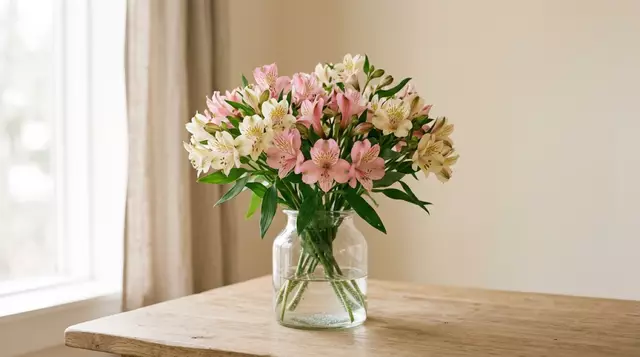
To rehydrate a cut flower bouquet after delivery, remove the transport wrapping, trim the stem ends with a clean, sharp tool and place the flowers promptly in a clean vase of fresh water. Add cut-flower food if supplied, following its directions, then let the bouquet rest somewhere cool, away from direct sun and heating. Check its progress over the next few hours; mild wilting may improve, but damaged or dried petals may not recover.
A bouquet can look tired after a temporary dry period without every stem being beyond recovery. Start with the stems and water before trying to reshape the arrangement or remove every drooping flower. Different flowers may respond at different speeds, so judge the bouquet stem by stem and give it a quiet place to stand while you prepare its longer-term display.
1. Unwrap the bouquet and prepare its vase
Set a clean vase beside the sink before opening the bouquet so the cut stems can go straight into water. Wash the vase with detergent, rinse it thoroughly and remove any residue from an earlier arrangement. Choose a vessel that holds the stems comfortably without crushing them together, with enough height to support a bouquet that is temporarily leaning.
Remove paper, film and any transport material covering the stem ends. Check whether a water pouch or damp wrapping is attached, and take it off before arranging the flowers in the vase. If the bouquet has a tie holding its shape, you can keep it while inspecting the stems, but loosen it if it compresses them or prevents you from reaching the ends.
Use fresh, room-temperature water as a practical starting point for a mixed bouquet, unless it came with specific care instructions. Follow the packet directions if flower food is included; a stronger solution is not better. Without flower food, begin with clean water rather than delaying hydration while you search for a homemade substitute.
2. Recut the stems and remove submerged leaves
With a clean, sharp knife or suitable flower snips, remove roughly 1–2 cm from each stem end. Make a neat cut rather than crushing or fraying the stem with a blunt tool. Work in small groups and put each group into the prepared water promptly. If an end is visibly damaged, cut above that part where the remaining stem is sound.
Strip off leaves that would sit below the waterline, taking care not to tear the stem surface. Keep healthy foliage above the water where it contributes to the arrangement. Submerged leaves can deteriorate and dirty the vase water, so this small preparation step matters more than making every flower face the right way immediately.
Fill the vase so all cut ends remain submerged and the bouquet has a useful water supply. Do not immerse the flower heads or leave lower petals resting in the water. With a clear vase, check that a short stem has not slipped above the surface; with an opaque one, lift the bouquet gently to check its shortest stems before settling it back.
Bouquets we can deliver




3. Give the flowers a calm recovery period
Place the vase in a cool part of the room, away from a sunny windowsill, radiator, heater or direct air from a vent. A kitchen counter beside an oven is also a poor recovery spot. Leave enough space around the flower heads so they are not pressed against a wall or shelf, particularly if some petals are already creased from transport.
Let the bouquet stand for a few hours before deciding how much it has recovered. Look for firmer leaves, steadier stems and flower heads that hold themselves more comfortably. These are useful observations, not a recovery deadline: flower type, condition before delivery and the circumstances of the dry period all affect what you see.
Check the water level during this first rest and top it up if needed, keeping any flower-food mixture at the packet's recommended concentration. Avoid repeatedly taking the stems out to rearrange them. Once the flowers are standing more firmly, you can adjust their positions and move the vase to a suitable display spot away from heat and direct sun.
4. Recognise what hydration can and cannot repair
Soft foliage and a generally limp appearance can be consistent with water loss, but they do not tell you exactly how long the bouquet was dry. Bruised petals, snapped stems and dry, brittle edges are separate problems that fresh water cannot reverse. Inspect gently: squeezing flower heads or repeatedly bending a weak stem can add damage while you assess it.
If one flower is collapsing while the others improve, examine that stem separately. A crease or break may leave it unable to support its head; where enough healthy stem remains, a shorter cut and a smaller vase may make it usable. Remove flowers that have become mushy or show visible mould, rather than leaving them crowded among the rest.
Avoid boiling water, flame, crushed stem ends or a whole-bouquet bath as a general rescue method. Some conditioning techniques are specific to particular flowers and are unsuitable as blanket advice for a mixed arrangement. If you know the flower names, use their care instructions; otherwise, stay with clean cuts, clean water and a cool resting place.
5. Keep the bouquet hydrated after its first recovery
Check the vase daily rather than waiting for flowers to droop again. Make sure every cut end stays below the surface, and change the water promptly if it becomes cloudy or develops an unpleasant smell. When changing it, wash and rinse the vase, remove loose plant debris and mix any fresh flower food according to its instructions.
At a water change, inspect the lower stems and refresh the cuts where needed, particularly if the ends have deteriorated. Remove spent flowers as the arrangement ages and resize the display when useful: a smaller vase can support the remaining stems better than a large vessel with only a few flowers left. Keep leaves out of the new waterline.
For a gift recipient, a short care message is often more useful than an elaborate set of rescue instructions: prepare a vase, recut the stems and keep the flowers away from heat. If you want more context about dry periods, read our guide to how long flowers can stay out of water. Use any timeline as context, since the bouquet's actual condition still matters.
6. Plan delivery in Russia so the recipient can use a vase promptly
When you are sending flowers from abroad, choose a delivery time when the recipient is likely to be available and able to put the bouquet in water. Turboflora delivers across Russia. In large cities, express delivery is available 1–2 hours after order confirmation; you can also arrange an exact time with a tolerance of ±30 minutes, or one of the windows 09–12, 12–15, 15–18 or 18–21.
You can pre-order 1–30 days ahead and agree the address, timing and free card text with a manager on WhatsApp. You can also discuss a photo of the bouquet before delivery. City delivery costs 500 RUB; for remote districts and suburbs, the operator confirms the price when confirming the order. See delivery and payment details when planning your gift.
The courier calls the recipient about 15 minutes before arrival. If the recipient is absent, we agree a second delivery the same day or, with the sender's consent, hand the flowers to a neighbour or concierge. Delivery is anonymous by default: the courier does not name the sender, so include your name in the card if you want it known. Online checkout uses CloudPayments; check the payment options displayed there.
Frequently asked questions
How soon should I put a delivered bouquet in water?
Prepare its vase and put the freshly trimmed stems into water promptly after unpacking. Leave detailed rearranging until the flowers have had time to rest and you have checked that all stem ends are submerged.
Should I use hot or cold water to revive the flowers?
For a mixed bouquet without special instructions, start with fresh, room-temperature water. Avoid very hot water or ice-water treatments unless you have reliable instructions for the particular flowers involved.
Will every wilted flower recover after rehydration?
No; mild wilting may improve, but hydration cannot repair snapped stems, bruised petals or tissue that has dried out. Check for changes over the next few hours and assess individual stems rather than expecting the whole bouquet to respond together.
Should I mist or soak the flower heads?
Start by supplying water through freshly cut stems; misting does not replace a vase of water. Avoid soaking a mixed bouquet's heads, since wet petals can mark or deteriorate and individual flowers have different care needs.
What should I do if the bouquet still looks poor after resting?
Check the water level, submerged stem ends and any visible stem damage, then remove flowers that are deteriorating. Contact the manager with clear photos and the delivery details so you can discuss the bouquet's condition and appropriate care.
Ready to send flowers?
Pick the city, choose the bouquet, and a local florist takes it from there.
Choose a city →