Why should you cut flower stems before placing them in water?
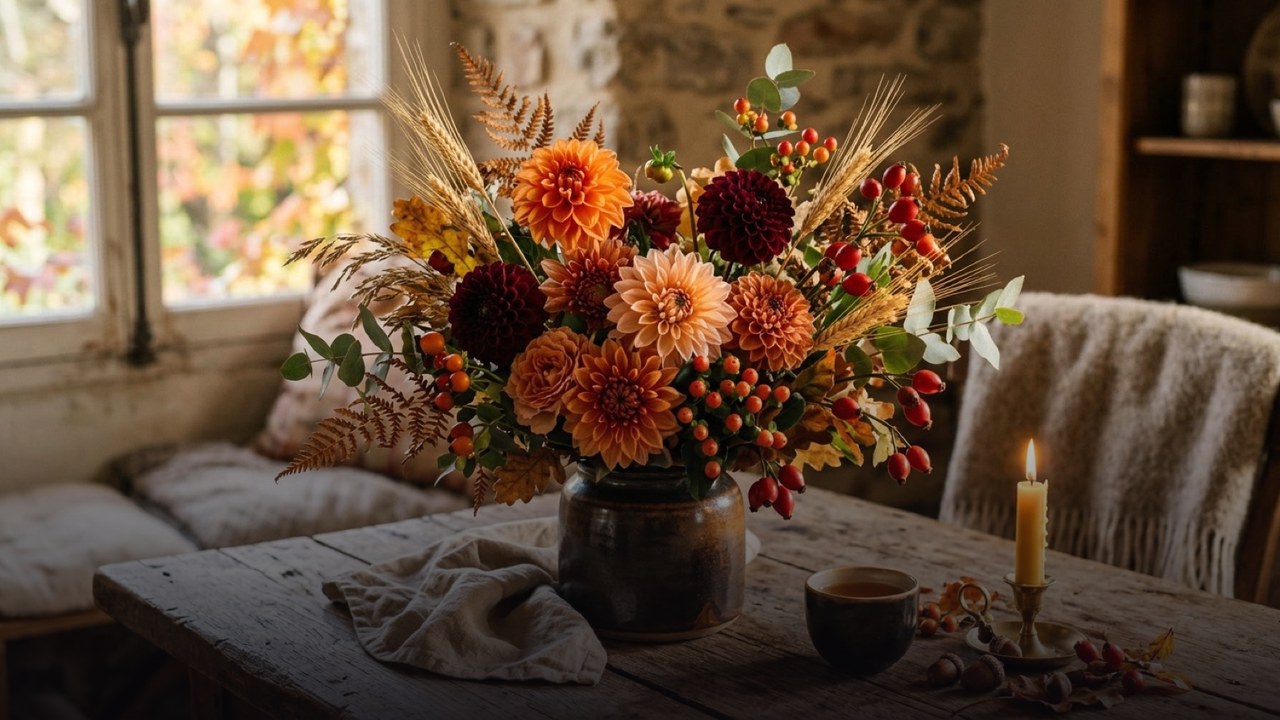
You should cut flower stems before placing them in water because the exposed ends can dry out, become dirty or suffer damage that restricts water uptake. Trimming away the bottom section exposes fresh tissue and opens the water-conducting vessels, helping your flowers replace moisture lost through their leaves and petals. Put each stem into clean water promptly after cutting.
This small step matters when flowers have travelled, waited out of water or spent time in their wrapping. A fresh cut cannot reverse every cause of wilting, but it gives healthy stems a better starting point. The useful routine is simple: prepare a clean vase, remove submerged leaves, trim with a sharp tool and keep the water clean afterwards.
What happens at the end of a cut flower stem?
Inside a flower stem, tiny vessels called xylem carry water towards the leaves and flower head. Once a stem is cut from the plant, its exposed base becomes the entry point for vase water. If that base dries, gets crushed or becomes coated with microbial growth, water movement can be restricted even though the stem is standing in a full vase.
Air can also enter the water-conducting system while flowers are out of water and contribute to interrupted uptake. However, it is too simple to say that every flower develops an air bubble that a single cut will fix. Fresh cutting helps remove a compromised end; its success also depends on the flower's condition, clean water and the absence of damage farther up the stem.
Think of recutting as restoring a usable entrance for water, rather than feeding the flower or restarting its life. You still need enough water to cover the stem ends throughout the day. For a closer explanation of the internal plumbing, read how water reaches cut flowers.
How much should you cut off, and at what angle?
For most ordinary bouquet stems, removing roughly 1–2 cm is a practical starting point. Check the base before deciding: if it is visibly bruised, split, slimy or dried, cut above the affected section into firm tissue. Also check the vase height first, so that you do not shorten a stem beyond the length needed to support its flower head.
A modest diagonal cut is useful because it helps prevent the end from resting flush against the bottom of the vase. You do not need to measure a perfect 45-degree angle. A clean, open cut matters more than a dramatic slant, and some soft or hollow stems are better handled with a small angle that leaves their base intact.
Avoid making several tiny snips or a long, thin point. Both can leave fragile tissue that bends or tears as you arrange the flowers. Make one controlled cut where possible, then place the stem straight into the prepared vase. Our guide to cutting flower stems for freshness explains the technique in more detail.
Bouquets we can deliver




Prepare the vase and tools before you unwrap the bouquet
Wash the vase with detergent, rinse it thoroughly and check for residue around the base and neck. Simply topping up yesterday's cloudy water leaves the underlying problem in place. Prepare fresh water before you start trimming so the newly cut ends spend as little time exposed to air as possible. Ordinary clean tap water is suitable for many common bouquet flowers.
Use a sharp, clean floral knife, secateurs or scissors capable of cutting the stem without flattening it. Blunt household scissors can squeeze soft stems shut or leave ragged edges. Choose a tool you can control safely, keep your fingers away from the blade and clean it before use, especially if it has previously cut garden material or deteriorating stems.
Remove every leaf that would sit below the waterline. Submerged foliage breaks down and adds material that encourages microbial growth, making clean stem ends harder to maintain. Keep healthy leaves above the water where practical, and remove packaging or ties only as needed to reach the bases and arrange the bouquet without forcing or snapping its stems.
Use a gentle technique and respect different stem types
Support each stem near the cutting point rather than holding it by the flower head. Cut in a stable position, then lower the stem into water without scraping the fresh end along the vase. Work through the bouquet in manageable groups. If arranging takes a while, keep the trimmed flowers in a clean container of water while you finish the others.
Do not routinely hammer woody stems, crush their bases or split them deeply in the hope of increasing absorption. These methods damage tissue and can make the water harder to keep clean. For firm stems, use secateurs strong enough to make a clean cut. For tender stems, use a sharp blade or suitable scissors with minimal pressure.
Cutting every bouquet underwater is not essential for routine home care. Promptly transferring freshly cut stems into clean water is a practical approach, while cutting in a dirty sink can introduce contamination. Flowers with milky sap or unusual stem structures may need species-specific handling; follow any care instructions supplied rather than applying one treatment to every flower.
When to recut stems and what to do about drooping
Check the vase daily, because thirsty flowers can lower the water level faster than you expect. Replace water when it becomes cloudy or develops an odour, and wash away residue before refilling. Inspect the stem bases at the same time. A fresh trim is useful if they have deteriorated or the bouquet has been left out of water; you do not need to keep removing large sections from healthy stems.
If a flower droops, first check whether its stem end is actually submerged. Then look for a kink, soft patch or damaged neck that could interrupt water movement. Clean the vase, replace the water and recut a firm stem above any affected base. Give it time to take up water in a cool place away from direct sun and heating; recovery depends on the cause and condition.
Keep the bouquet away from ripening fruit, which can release ethylene that hastens ageing in sensitive flowers. If flower food is supplied, mix it according to its instructions rather than guessing the dose. Avoid improvised mixtures of sugar, bleach or other household products. For ongoing care, see how often to change vase water.
Sending flowers to Russia: make arrival and care easier
When you send flowers to someone in Russia, choose an arrival time when they can receive the bouquet and put it in water. You can browse our bouquets catalogue and contact a manager on WhatsApp to agree the address, timing and card text, get help choosing flowers or request a photo of the bouquet before delivery. A brief care reminder is useful if the recipient rarely keeps cut flowers.
We deliver across Russia. City delivery costs 500 RUB; an operator confirms the price for remote districts and suburbs when confirming the order. In large cities, express delivery is available 1–2 hours after confirmation. Other timing options include an exact time with a tolerance of plus or minus 30 minutes, windows of 09–12, 12–15, 15–18 or 18–21, and pre-ordering 1–30 days ahead.
The courier calls the recipient about 15 minutes before arrival. Delivery is anonymous by default, so add your name to the free card if you want the recipient to know who sent the flowers. Online checkout uses CloudPayments; check the payment options displayed there. Once the bouquet arrives, the recipient can prepare a clean vase, trim the stems and place them promptly in water. We deliver bouquets across Russia in 1–2 hours.
Frequently asked questions
Do freshly delivered flowers still need their stems cut?
It is usually helpful to give them a fresh trim before putting them in a vase, especially if they have spent time out of water. Follow any specific care instructions supplied with the bouquet.
Can I put flowers in water without cutting the stems?
Yes, and putting them in water promptly is better than leaving them dry while you search for tools. Trim the bases with a clean, sharp tool as soon as practical to improve access to fresh tissue.
Must flower stems be cut at exactly 45 degrees?
No, an exact angle is unnecessary. A modest diagonal cut helps keep the opening from sitting flat against the vase base, while a clean cut avoids crushing the stem.
Should I recut flower stems every day?
Daily recutting is not a universal requirement. Check water levels and stem condition each day, and trim when the bases deteriorate or after the flowers have been out of water.
Will cutting the stems revive every wilted flower?
A fresh cut may help when restricted water uptake is causing the problem. It cannot reliably reverse advanced ageing, broken stems or severe tissue damage.
Ready to send flowers?
Pick the city, choose the bouquet, and a local florist takes it from there.
Choose a city →