Choosing Flowers That Offer Comfort During a Difficult Time
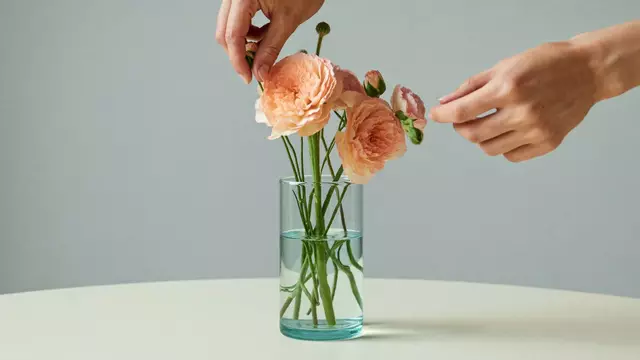
Choose flowers that suit the recipient’s preferences, feel manageable to care for and match the situation: grief, illness or everyday strain. A modest bouquet, a gentle card message and delivery at a convenient time can express support without creating another task.
Start with what you know about the person. Their favourite flowers or colours are usually a better guide than a list of symbolic meanings; if you are unsure whether flowers would be welcome, a brief message asking is thoughtful.
Match the flowers to the person and the situation
For someone grieving, consider a restrained mix of colours if you do not know their tastes. White, cream and soft pink can create a quiet arrangement, but brighter flowers may be more personal if the recipient loves them. There is no colour that makes a bouquet appropriate for every bereavement.
For illness or recovery, check for fragrance sensitivity, allergies and any restrictions where the person is staying. Lilies, hyacinths and some other flowers can have a noticeable scent. Ask before sending flowers to a hospital, since individual wards may restrict them.
For job loss, a breakup or prolonged stress, choose something that feels familiar and personal. Avoid romantic-looking arrangements unless that meaning fits your relationship. A small bouquet in their favourite colours may feel more comfortable than a large, elaborate gift.
Choose a manageable size and check household needs
Think about where the flowers will go and who will look after them. Someone who is exhausted or caring for a relative may appreciate a bouquet that fits an ordinary vase. Before choosing an oversized arrangement, consider whether they have the space and energy to handle it.
Ask about pets when the household is unfamiliar to you. Lilies are highly toxic to cats, including their pollen and vase water, so exclude them from a cat household. Keep all bouquets and their water out of pets’ reach, and ask about the suitability of other stems if needed.
You can start with the bouquets catalogue, then narrow your choice by size, colour and the recipient’s preferences. Treat flower meanings as a secondary consideration: personal memories and cultural associations can matter more than traditional symbolism.
Bouquets we can deliver




Observe Russian etiquette without confusing support with mourning
In Russia, an odd number of flowers is customary for a gift to a living person, while even numbers are traditionally associated with mourning. This distinction matters especially when the stems are easy to count. Explain whether your bouquet is a personal gift for someone grieving or flowers intended for a funeral.
If flowers are meant for a funeral or memorial, check the family’s wishes and the ceremony details first. Some families request donations or another form of remembrance instead. For a support bouquet sent to someone’s home, follow the recipient’s preferences rather than assuming it must resemble a funeral tribute.
Write a card that leaves room for their feelings
Keep your message brief, specific and free of pressure to respond. For bereavement, you might write: “I’m thinking of you and remembering Anna with affection. No need to reply.” For illness: “Sending you love as you recover. I’m here when you feel like talking.”
Avoid instructions such as “stay positive”, predictions about recovery or claims that you know exactly how they feel. Offer practical help only if you can follow through: “I can call on Sunday if you’d like some company.”
Our delivery is anonymous by default: the courier does not name the sender. A card with your text is free, so include your name in the message if you want the recipient to know who sent the flowers.
Arrange delivery to Russia at a considerate time
Choose a time around rest, appointments and family commitments. A surprise is less helpful if the recipient has to interrupt sleep or leave an appointment. The courier calls about 15 minutes before arrival, so consider whether they will be able to answer.
We deliver flowers across Russia. City delivery costs 500 RUB; for remote districts and suburbs, the operator confirms the price when confirming the order. In large cities, express delivery takes 1–2 hours after order confirmation. You can also arrange delivery at an exact time with a tolerance of ±30 minutes, choose a window of 09–12, 12–15, 15–18 or 18–21, or pre-order 1–30 days ahead.
Contact a manager on WhatsApp for help choosing a bouquet and agreeing the time, address and card text, or to arrange a photo of the bouquet before delivery. If the recipient is absent, we agree a second delivery that day or, with the sender’s consent, hand the flowers to a neighbour or concierge.
Online checkout uses CloudPayments; check the payment options displayed there when ordering from abroad. You can also review our delivery and payment information before placing the order.
Frequently asked questions
What if I do not know their favourite flowers?
Choose a modest bouquet in a restrained colour palette and check for fragrance sensitivities or pets. If you are close enough to ask, a simple “Would some flowers be welcome?” removes the guesswork.
How can the recipient keep the flowers fresh with little effort?
Use a clean vase, remove leaves below the waterline and trim the stem ends before placing them in water. Refresh the water regularly and keep the bouquet away from direct sunlight, radiators and ripening fruit.
Ready to send flowers?
Pick the city, choose the bouquet, and a local florist takes it from there.
Choose a city →