How to Keep Flowers Alive Overnight
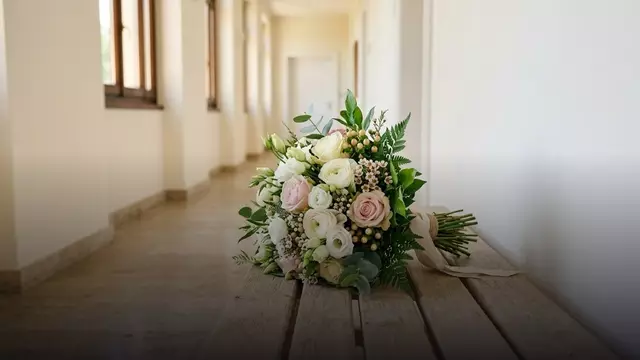
To keep cut flowers alive overnight, put them in a clean vase with fresh water, remove leaves below the waterline and trim the stem ends with a clean, sharp tool. Leave the bouquet in a cool room away from sunlight, heaters, draughts and ripening fruit; use flower food according to its packet instructions if you have it.
The main job is to keep the stems supplied with water while avoiding unnecessary heat and contamination. A bouquet that looks tired after a journey may recover with proper hydration, but flowers with crushed stems, browning petals or advanced decay may not. These steps suit most mixed bouquets; flowers arranged in floral foam need their water supply checked without being pulled out.
1. Prepare the vase before you unwrap the bouquet
Wash the vase with washing-up liquid, paying attention to the inside walls and base, then rinse it thoroughly. A quick rinse of a vase left from an earlier bouquet can leave a slippery film behind. Choose a container that supports the stems without squeezing them together, and set it on a stable surface before you start handling the flowers.
Fill it with fresh, cool to lukewarm water. There is no need to add ice or use hot water for an ordinary mixed bouquet. If flower food came with the flowers, follow the dilution instructions: a packet intended for more water should not be concentrated into a small vase. Plain clean water is a sensible overnight option when you have no flower food.
Keep sugar, coins, aspirin and improvised household mixtures out of the vase. Sugar alone does not provide the balanced treatment found in commercial flower food, and guessing quantities can make care less reliable. If your vase has narrow corners or stubborn residue, our guide to cleaning a flower vase explains how to prepare it properly.
2. Give the stems clear access to water
Remove any transport covering around the stem ends and check whether the bouquet has a temporary water pouch. Work over a sink because it may spill. Loosen outer wrapping enough to inspect the stems and let the bouquet sit comfortably in the vase. You can leave a supporting tie in place if it is loose and does not prevent the stems from reaching water.
Strip off leaves that would sit beneath the waterline, while keeping healthy foliage higher up. Submerged leaves break down and make the water dirty. With clean, sharp secateurs or a suitable knife, remove roughly one to two centimetres from each stem end, cutting without crushing it. Put the stems into water promptly rather than leaving the trimmed bouquet on the counter.
Use enough water to keep every cut end submerged, then check again once the stems settle. A wide vase can look full while some shorter stems remain above the surface. Do not force open buds, bruise petals while removing packaging or strip away healthy outer petals merely because they look different from the centre; some flowers naturally have protective outer petals.
Bouquets we can deliver




3. Choose a cool resting place, with care around refrigerators
For one night, a cool indoor room is usually the most practical choice. Keep the vase away from radiators, fireplaces, sunny windows and appliances that release heat. A kitchen may stay warm long after cooking has finished, so a quieter room can be a better resting place. Avoid putting the bouquet directly beneath an air-conditioning vent or in a strong draught.
A household refrigerator is not automatically a safe flower cooler. Petals can touch a freezing back wall, food can crowd or damage the bouquet, and some tropical flowers are sensitive to chilling. Without knowing the varieties and the conditions inside the appliance, choose a cool room instead. Do not put flowers in a freezer or press an ice pack against their petals.
Keep the bouquet separate from ripening fruit, which can release ethylene and speed ageing in sensitive flowers. An open balcony, garage or car is also an uncertain overnight location: conditions can change while you sleep. Avoid guessing what outdoor temperatures a mixed bouquet can tolerate. Stable indoor conditions are easier to manage than an exposed spot that simply feels cold now.
4. Adjust the routine for the flowers and arrangement
For roses, remove foliage below the water and make sure the stem ends remain submerged overnight. A drooping head can have several causes, including poor water uptake or stem damage, so recutting and hydrating is a reasonable first step rather than a guaranteed rescue. Avoid internet remedies involving boiling water or submerging the whole bouquet, especially when several flower types are mixed together.
Tulips can continue to grow and bend after cutting, so a supportive vase and room above the bouquet help prevent damage. With lilies, leave space for buds to open and keep exposed pollen away from fabrics. If you have cats, lilies are highly toxic to them and should not be kept where exposure is possible. See our lily care guide for more advice.
If the flowers arrive in floral foam, keep them in their arrangement and follow any supplied care instructions. Check the foam gently and add water slowly where you can reach it, protecting the table beneath; do not flood a decorative box. For a hand-tied bouquet with mixed varieties, specific instructions supplied with the flowers take priority over general overnight advice.
5. Check the bouquet in the morning before gifting it
Look at the water level first: flowers may have taken up enough water overnight to leave shorter stems exposed. Top up with fresh water as needed. If the water has become cloudy or smells unpleasant, remove the bouquet, wash and rinse the vase, and refill it. Remove fallen leaves and visibly decaying material so they do not remain against healthy stems or in the water.
Inspect the stem ends and trim again if they have dried out or you need to move the bouquet into another vase. Judge recovery cautiously: petals that are already brown, translucent or badly bruised will not become fresh again through hydration. Gently remove clearly damaged material where possible, but avoid repeatedly rearranging the bouquet, which can create more bruising and broken stems.
If you are giving the flowers later that day, keep them in water until shortly before leaving and protect them from heat during the journey. Restore any dry decorative wrapping without trapping water against the flower heads. A short note telling the recipient to put the stems into a clean vase is useful; choose the card wording for your relationship and occasion rather than relying on a universal meaning for each colour.
6. Plan delivery in Russia if overnight storage is avoidable
If you are arranging a gift from abroad, delivery on the intended day can reduce the need for someone to store it overnight. Turboflora delivers flowers across Russia, and you can start with the bouquets catalogue. City delivery costs 500 RUB; for remote districts and suburbs, the operator confirms the price when confirming your order. Give the delivery date and time in the recipient's local time.
Express delivery in large cities is available one to two hours after order confirmation. You can also arrange delivery at an exact time with a margin of plus or minus 30 minutes, select a 09–12, 12–15, 15–18 or 18–21 window, or pre-order one to 30 days ahead. Use WhatsApp to get help choosing flowers, agree the address, timing and card text, and arrange a photo of the bouquet before delivery.
Delivery is anonymous by default: the courier does not name the sender, so sign the free card if you want the recipient to know who sent it. The courier calls about 15 minutes before arrival. If the recipient is absent, we agree a second delivery that day or a handover to a neighbour or concierge with the sender's consent. Online checkout uses CloudPayments; check the displayed payment options, as acceptance of every foreign card is not guaranteed. Availability and timing of delivery across Russia are confirmed for the chosen city, address, date and bouquet.
Frequently asked questions
Can I leave a bouquet without water overnight?
Avoid it: cut flowers continue to lose moisture, and dry storage can leave them wilted by morning. If you have no vase, use a clean, stable jug or another suitable container that keeps all the cut ends in water.
Should I spray the flowers with water before bed?
For most mixed bouquets, supplying water through the stems is the better priority. Misting is not a substitute for a vase, and wet petals can develop marks or encourage decay in susceptible flowers.
Can I keep the wrapping on overnight?
You can retain loose decorative wrapping if the stems reach the water and the flowers have space. Remove transport packaging from the stem ends and loosen anything that crushes the bouquet or becomes soaked in the vase.
Will flower food revive a wilted bouquet overnight?
Flower food supports vase care when correctly diluted, but it cannot reverse every cause of wilting. Clean water, freshly cut stem ends and a cool resting place may help dehydrated flowers; damaged or ageing blooms may remain tired.
Is overnight delivery the same as keeping flowers overnight?
No: storing a bouquet overnight means caring for flowers already in your possession, while delivery timing must be arranged separately. For a gift in Russia, agree the intended local delivery date and available time option when confirming the order.
Ready to send flowers?
Pick the city, choose the bouquet, and a local florist takes it from there.
Choose a city →