How to know if flowers are dead: signs worth checking
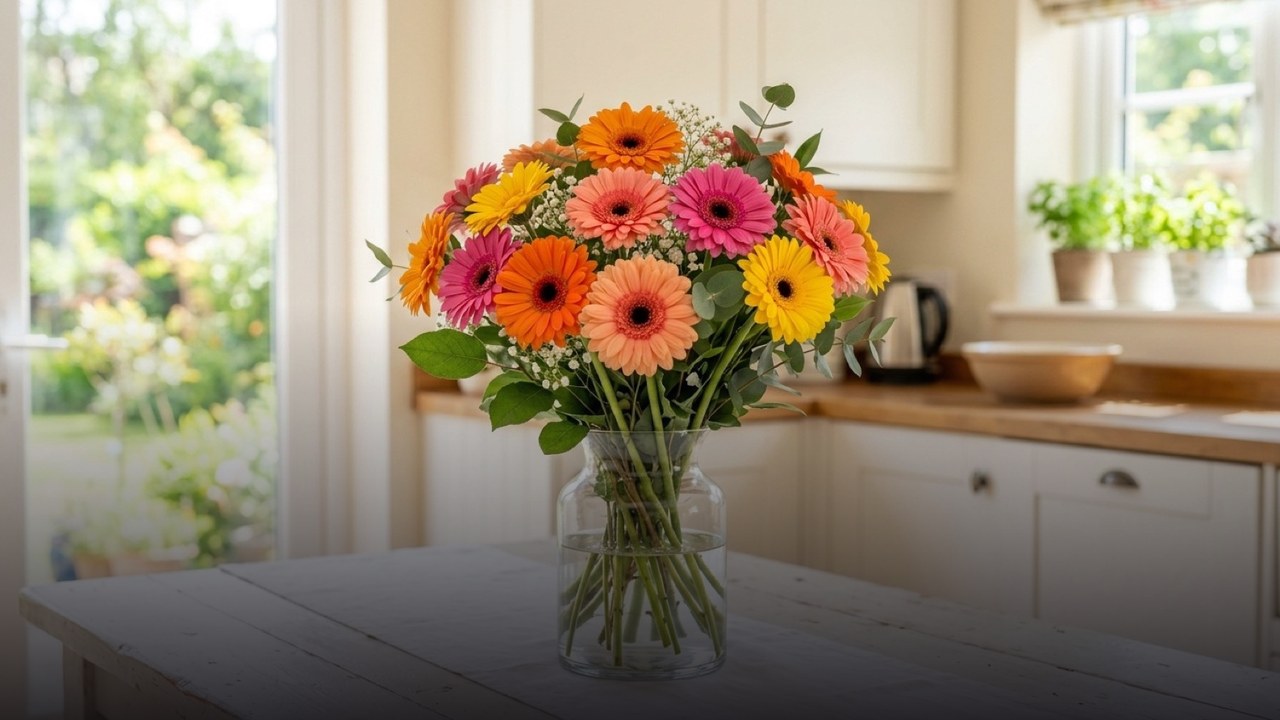
To know if flowers are dead, look for several signs together: dry, brittle petals, soft or rotting stems, mould, and flower heads that have collapsed beyond recovery. Drooping alone does not prove a flower is dead; if its stem is still firm and its petals remain flexible, fresh water and a fresh cut may help.
Start by checking individual stems rather than judging the whole bouquet at once. Flowers age at different speeds, and one exhausted bloom can sit beside several healthy ones. This guide focuses on cut flowers in a vase, with a separate check for potted plants, because a fading blossom does not necessarily mean that the plant itself has died.
Read the petals, flower head and stem together
Healthy-looking petals usually hold their shape and feel supple when touched gently. Petals that have become papery, brittle or extensively brown are showing irreversible damage. A small brown edge or a bruised outer petal is less conclusive: inspect the centre of the flower and the supporting stem before deciding to discard it.
Check the stem where it meets the flower head and where it sits below the waterline. A firm stem can still support a bloom that is temporarily short of water. A mushy, slippery or collapsing section suggests tissue breakdown. If that damage reaches the base of the flower head, adding water will not rebuild the damaged support.
Consider the flower's natural shape, too. Tulips can bend as they grow in a vase, while some flowers naturally face downwards. An open flower is not automatically an old one, and a closed bud is not proof of freshness. Compare changes over time: sudden collapse, spreading discolouration and weakening stems are more useful clues than posture alone.
Separate temporary wilting from irreversible damage
A flower may wilt when it loses water faster than it can take it up. You might see a drooping head, limp leaves or softer petals while the stem remains structurally sound. This gives you a reason to try basic care, especially if the vase ran low. It does not guarantee recovery, because ageing flowers can show similar symptoms.
Look for what is still intact. Flexible petals without extensive browning and a firm stem make a hydration attempt reasonable. Crispy petals, a snapped neck or a soft, decaying flower head will not become healthy tissue again. Water may improve the remaining undamaged parts, but it cannot reverse those visible injuries.
Smell can help you assess the vase, although it is not a test on its own. Stale-smelling water, submerged leaves and a slippery stem surface suggest that cleaning is overdue. Some flowers have a strong natural scent, so judge an unfamiliar smell alongside the water's condition and any visible decay rather than using scent alone.
Bouquets we can deliver




Try a simple vase reset before giving up
Take the flowers out and empty the vase. Wash it thoroughly, rinse away cleaning residue and refill it with fresh water. Remove any leaves that would sit below the new waterline. If you have a sachet of cut-flower food, follow its instructions and use the stated amount of water; a stronger mixture is not a better rescue treatment.
With a clean, sharp tool, remove a short section from the bottom of each sound stem and return it promptly to water. Avoid crushing the stems with blunt scissors. Set aside flowers with mould or extensive soft rot. If you identify a flower that needs different care, use guidance for that species instead of applying elaborate treatments to the whole bouquet.
Place the vase somewhere away from direct sunlight, radiators and drying draughts, then reassess over the next few hours. A lifting flower head or firmer leaves suggests that water uptake has improved. If there is no change, check again later that day, but do not repeatedly cut away long sections of stem or expect already brown petals to recover.
Skip boiling water, improvised chemical mixtures and internet remedies involving coins or sugary drinks. Treatments that appear to help one type of flower may damage another or leave the vase harder to keep clean. A clean container, suitable flower food and fresh water give you a straightforward starting point without adding unnecessary variables.
Know which flowers to remove and which to keep
Remove stems with visible mould, extensive slime or a decaying flower head promptly. Inspect neighbouring stems and refresh the water rather than assuming the entire arrangement must go. Do not spray mouldy petals with water to make them look fresher: surface moisture does not repair decay, and the affected flower is better removed.
A few faded flowers do not have to end the display. Keep the stems that remain firm and attractive, shorten them if necessary and arrange them in a smaller clean vase. On stems with several flowers, you can carefully remove individual spent blooms while leaving healthy buds and open flowers in place, provided the supporting stem remains sound.
For an important dinner, visit or photograph, judge appearance as well as possible recovery. A flower may still contain living tissue while looking too damaged for the occasion. If you want to save a meaningful bloom, drying it is a separate choice: start while it still has a shape you like, because drying will preserve rather than undo existing damage.
Check a potted plant beyond its faded flowers
If your flowers are growing in a pot, a dead blossom says little about the survival of the whole plant. Many plants finish flowering and continue growing through their leaves and roots. Remove spent blooms where appropriate for the species, then inspect the rest of the plant before changing its watering routine or throwing it away.
Look at the leaves, growing points, stems and potting mix together. Firm growth or new shoots are encouraging signs. Widespread soft decay and roots that are mushy or falling apart are more concerning. Root colour varies between plants, so colour alone is unreliable; texture and the condition of the rest of the plant provide useful context.
Do not automatically water a drooping potted plant. Both dry roots and waterlogged, damaged roots can leave leaves limp, so check moisture below the surface first. Dormancy can also make some plants look lifeless. If you are unsure, identify the plant and check its seasonal growth pattern before cutting back bare stems or deciding that recovery is impossible.
Send a fresh bouquet to Russia when the occasion calls for one
If you are abroad and checking flowers through a relative's photograph, ask for a close view of the petals, stems and vase water. A single picture cannot establish freshness or explain every drooping head. When a new gift is appropriate, choose it for the recipient and occasion; you do not need to frame it as a correction to a bouquet they have enjoyed.
You can choose from our bouquets catalogue for delivery across Russia. City delivery costs 500 RUB; for remote districts and suburbs, the operator confirms the delivery price when confirming the order. To agree the address, timing and card text, or arrange a photo of the bouquet before delivery, contact a manager on WhatsApp.
In large cities, express delivery is available 1–2 hours after the order is confirmed. Other timing options include an exact time with a tolerance of 30 minutes either way, the windows 09–12, 12–15, 15–18 and 18–21, or pre-ordering 1–30 days ahead. Agree the timing for your order before telling the recipient when to expect it.
A card with your text is free, and delivery is anonymous by default: the courier does not name the sender. Sign the card if you want the recipient to know who sent it. The courier calls about 15 minutes before arrival. Online checkout uses CloudPayments; check the payment options displayed at checkout and see delivery and payment for further information.
Frequently asked questions
Can a drooping flower still be alive?
Yes. A firm stem and flexible petals suggest that a drooping flower may benefit from fresh water and a fresh cut, although recovery is not certain.
Do brown petals mean the whole flower is dead?
Not necessarily: a small brown patch may be bruising or damage confined to one petal. Extensive dry browning or soft decay across the flower head is a stronger reason to remove the bloom.
How long should I wait after trying to revive flowers?
Look for improved firmness over the next few hours and reassess later that day. Remove flowers with mould or soft rot immediately rather than leaving them in the vase while you wait.
Should I throw away the bouquet when one flower dies?
Usually, you can remove the affected stem and keep the healthy flowers. Clean the vase, replace the water and inspect the remaining stems for decay.
Is my potted plant dead if all its flowers have fallen off?
Flowering can end while the plant remains alive. Check its leaves, stems, roots and normal seasonal cycle before deciding that the whole plant has died.
Ready to send flowers?
Pick the city, choose the bouquet, and a local florist takes it from there.
Choose a city →