How to properly cut flower stems for a fresh vase arrangement
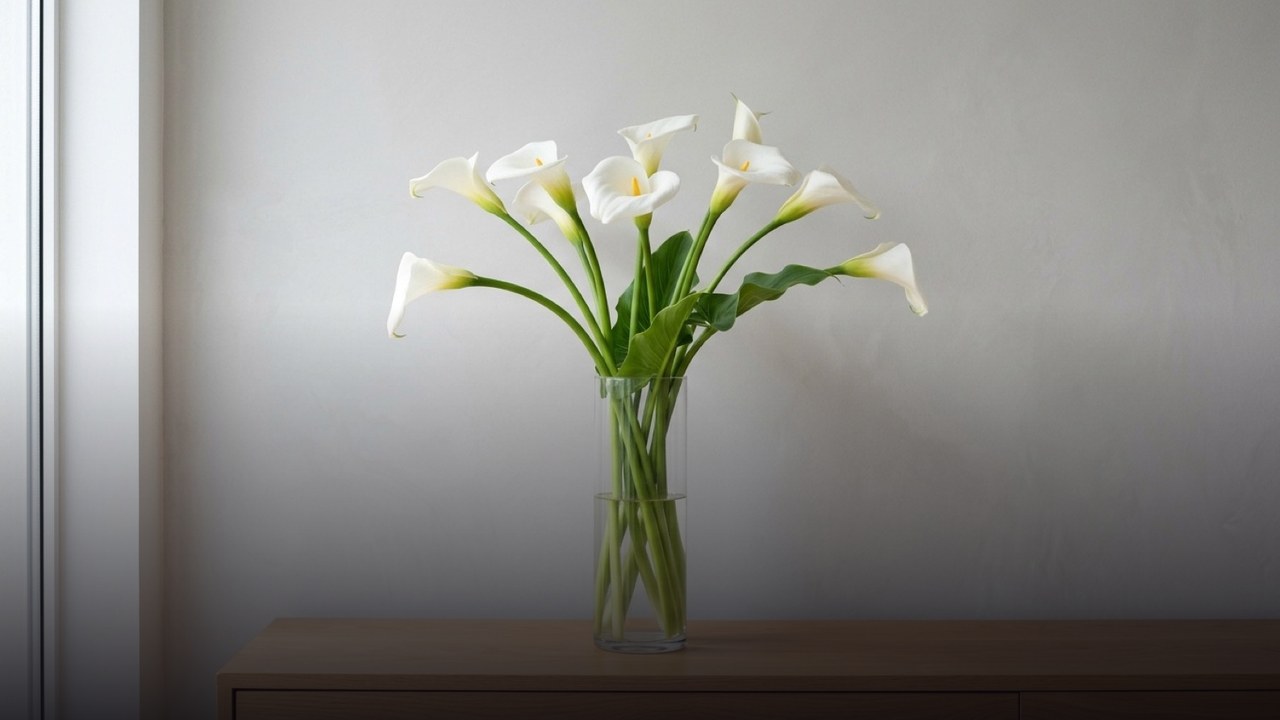
To properly cut flower stems, use a clean, sharp blade or secateurs to remove about 1–2 cm from each stem, then place it promptly in a clean vase of fresh water. For most firm stems, make a slanted cut and remove any leaves that would sit below the waterline; use a gentler, straight cut for soft stems such as tulips.
The aim is to expose a fresh stem end without crushing the tissue that carries water to the flower. Your tools, the condition of the vase and the time between cutting and placing the stems in water all matter. Whether you are arranging flowers yourself or sending a bouquet to someone in Russia, these steps give the recipient a useful starting point without complicated treatments.
Prepare the vase and tools before you cut
Wash your vase with detergent, rinse it thoroughly and fill it before you start trimming. An old ring of residue inside the vase needs cleaning even if the glass looks clear above it. Use fresh drinking-quality water; room-temperature water is a practical starting point for a mixed bouquet unless the flowers arrive with more specific care instructions.
Choose sharp secateurs for firm or woody stems and sharp scissors suitable for flowers for softer ones. Wash the blades, remove any plant residue and dry them before use. If the tool flattens a stem before cutting through it, change to a sharper or more suitable tool. A clean cut should leave a clear edge rather than a crushed, frayed end.
Set the vase close to your work area and unwrap the bouquet enough to reach the stems comfortably. Remove packaging that would enter the water, while supporting the flower heads so they do not catch on the wrapping. Check the intended vase height before shortening anything: you can always remove more stem, but you cannot restore length after cutting.
Make the cut in one controlled movement
Hold each stem securely below the bloom and remove roughly 1–2 cm from the bottom in one clean movement. If the end is visibly dry, bruised or discoloured, cut above that portion until the remaining tissue looks sound. Keep your fingers clear of the blade and avoid sawing repeatedly through the stem, which can leave a ragged surface.
For most firm flower stems, a slanted cut of roughly 45 degrees is useful because it helps prevent the cut end from sitting flat against the vase base. You do not need to measure the angle. The important details are a fresh, uncrushed surface and access to water. Cutting an elaborate point or shaving away the sides offers no useful advantage for routine bouquet care.
Place each stem in water promptly after trimming instead of leaving the whole cut bouquet on the table. Cutting under water is sometimes suggested, but it is awkward to do safely with a full bouquet, and dirty water can contaminate the fresh surface. For everyday care, prepare everything first, make a clean cut and transfer the stem directly to its vase.
Bouquets we can deliver




Adjust your technique to the type of stem
Roses and other firm-stemmed flowers usually suit a slanted cut with sharp secateurs. Remove leaves that would be submerged, but keep healthy foliage above the water. There is no need to strip every thorn from a rose for vase care; scraping and gouging the stem can create unnecessary wounds. Handle thorny stems carefully and trim only what interferes with safe arranging.
Tulips have soft, fleshy stems, so use a sharp blade or suitable scissors and make a straight cut without squeezing the stem flat. They can continue to lengthen and bend towards light after arranging, so allow space for their shape to change. This movement does not automatically mean they need another cut or an attempt to force the stems straight.
For woody branches, use secateurs that can cut through the stem cleanly. Do not hammer or crush the base: damaged tissue can deteriorate in the vase. Some flowers need separate handling; freshly cut daffodils release sap that can affect other flowers. Keep them in their own vase initially and seek flower-specific guidance before mixing them into an arrangement.
Remove submerged leaves and give the stems room
Before placing a stem, check where the waterline will fall and remove the leaves below it. Submerged foliage breaks down and makes the water dirty more quickly. Pinch or snip leaves off carefully without peeling long strips of the stem surface. Keep foliage that sits comfortably above the water, where it can remain part of the arrangement.
Choose a vase that supports the bouquet without squeezing the stems into a tight plug. Each cut end should reach the water, including shorter stems tucked into the middle. If the bouquet is too crowded to check this, divide it between two clean vases. A flower can look well positioned at the top while its stem ends above the water below.
If a flower-food sachet is supplied, follow its stated dilution and use the amount of water it specifies. Adding extra powder does not make it work better. Avoid improvised mixtures of sugar, bleach, coins or kitchen ingredients: measuring them by guesswork can create unsuitable conditions. Clean water, suitable flower food and careful handling give you a more manageable care routine.
Refresh the water and know when to recut
Check the water level daily, especially during the first day after arranging, and top it up before any stem ends become exposed. Change the water promptly if it becomes cloudy or develops an odour. When changing it, wash the vase and rinse the stems gently so you do not put them straight back into the residue you have just removed.
Recut the stems when refreshing the arrangement, particularly if the ends feel slimy or have been left out of water. Remove a small amount with clean tools, taking care to retain enough length for every stem to reach the water. You do not need to keep removing large sections on a fixed schedule; the condition of the stems and water should guide you.
Keep the vase away from direct sun, radiators and ripening fruit, and remove fading flowers as the bouquet changes. If one bloom droops, check its water access and inspect the stem for a crease before cutting again. A fresh cut cannot repair a snapped stem. Our guide to bent or damaged flower stems explains how to assess the problem.
Send flowers to Russia with useful care details
If you are ordering from abroad, choose from the bouquets catalogue and agree a delivery time that suits the recipient. We deliver flowers across Russia. City delivery costs 500 RUB; for remote districts and suburbs, the operator confirms the price when confirming the order. A recipient who can put the bouquet into water soon after arrival has an easier start with its care.
Express delivery in large cities is available 1–2 hours after order confirmation. You can also arrange an exact time with a tolerance of plus or minus 30 minutes, select a 09–12, 12–15, 15–18 or 18–21 window, or pre-order 1–30 days ahead. Contact a manager on WhatsApp for help choosing a bouquet, agreeing the address, time and card text, or arranging a photo before delivery.
A card with your text is free, so you can include a short personal message and a useful reminder to trim the stems and use a clean vase. Delivery is anonymous by default: the courier does not name the sender, so sign the card if you want the recipient to know who sent it. The courier calls about 15 minutes before arrival. Online checkout uses CloudPayments; check the payment options displayed there. We deliver bouquets across Russia in 1–2 hours.
Frequently asked questions
Should I cut flower stems straight or at an angle?
Use a slanted cut for most firm stems to help keep the cut surface from resting flat against the vase base. Soft stems such as tulips suit a clean, straight cut; in either case, avoid crushing the stem.
How much should I cut off flower stems?
Start with about 1–2 cm, allowing for the height of your vase. If the base is damaged or discoloured, cut above that area while keeping enough length for the stem to reach the water.
Can I use ordinary kitchen scissors?
Only if they are clean, sharp and able to cut the stem without flattening it. Use suitable secateurs for thick or woody stems rather than forcing them through scissors.
Do I need to cut flower stems under water?
For routine home care, cutting with clean tools and placing the stem promptly in fresh water is a practical approach. Prepare the filled vase first so the freshly cut ends do not sit exposed while you organise the arrangement.
Will recutting revive every drooping flower?
Recutting may help when a dried or deteriorating stem end is restricting water uptake. It cannot repair a broken stem or reverse every cause of wilting, so also check the water level, cleanliness and condition of the flower.
Ready to send flowers?
Pick the city, choose the bouquet, and a local florist takes it from there.
Choose a city →