Hydrangeas in Russia: Which Colors to Choose and When
There is something almost theatrical about a hydrangea. One stem fills a vase the way a whole bouquet of roses might not, and the person receiving it feels it immediately — the generosity of the gesture, the softness of the bloom. In Russia, hydrangeas have moved from occasional luxury to a flower you can reliably send year-round, but the colors available, the quality you can expect, and the occasions they suit best shift considerably depending on the month. This guide walks you through all of it, from a florist's perspective.
Why Hydrangeas Work So Well as a Gift in Russia
Russians tend to give flowers with intention. A bouquet is rarely casual — it marks something, acknowledges someone, says something that words alone might not carry. Hydrangeas fit this culture well because they feel abundant and considered at the same time. A single large head reads as a statement rather than an afterthought.
The flower also translates beautifully across generations. A grandmother in her seventies finds them familiar and elegant. A woman in her thirties sees them as modern and romantic. A colleague receiving them on a professional occasion reads them as tasteful rather than overly personal. Very few flowers manage that range.
In terms of presentation, hydrangeas are forgiving for the sender and impressive for the recipient. They hold their shape during delivery, they do not drop petals the moment the wrapper comes off, and they open slowly over several days so the person receiving them gets to watch the bouquet evolve. For same-day delivery across a city like Saint Petersburg or Moscow, that resilience matters enormously. A flower that arrives looking exactly as it should, hours after you ordered it, is a flower that does its job.
Bouquets we can deliver


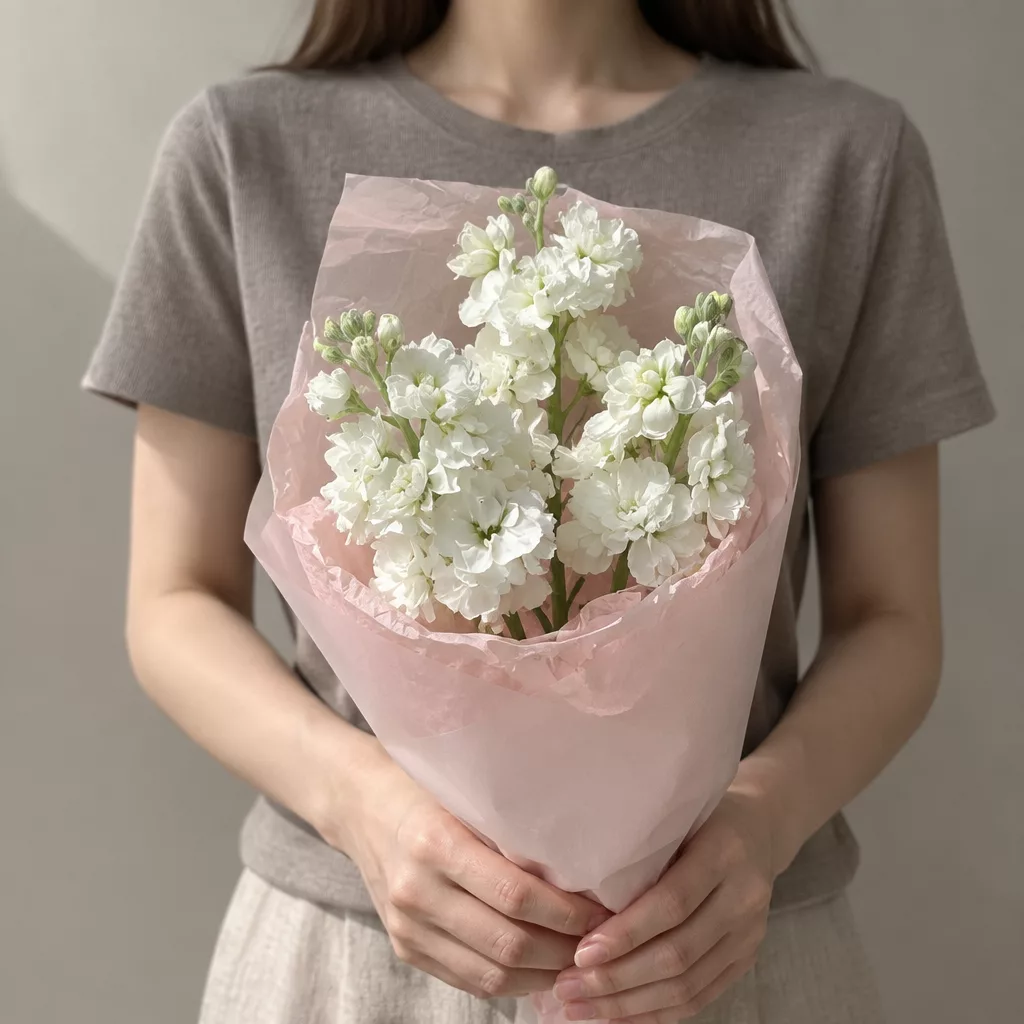
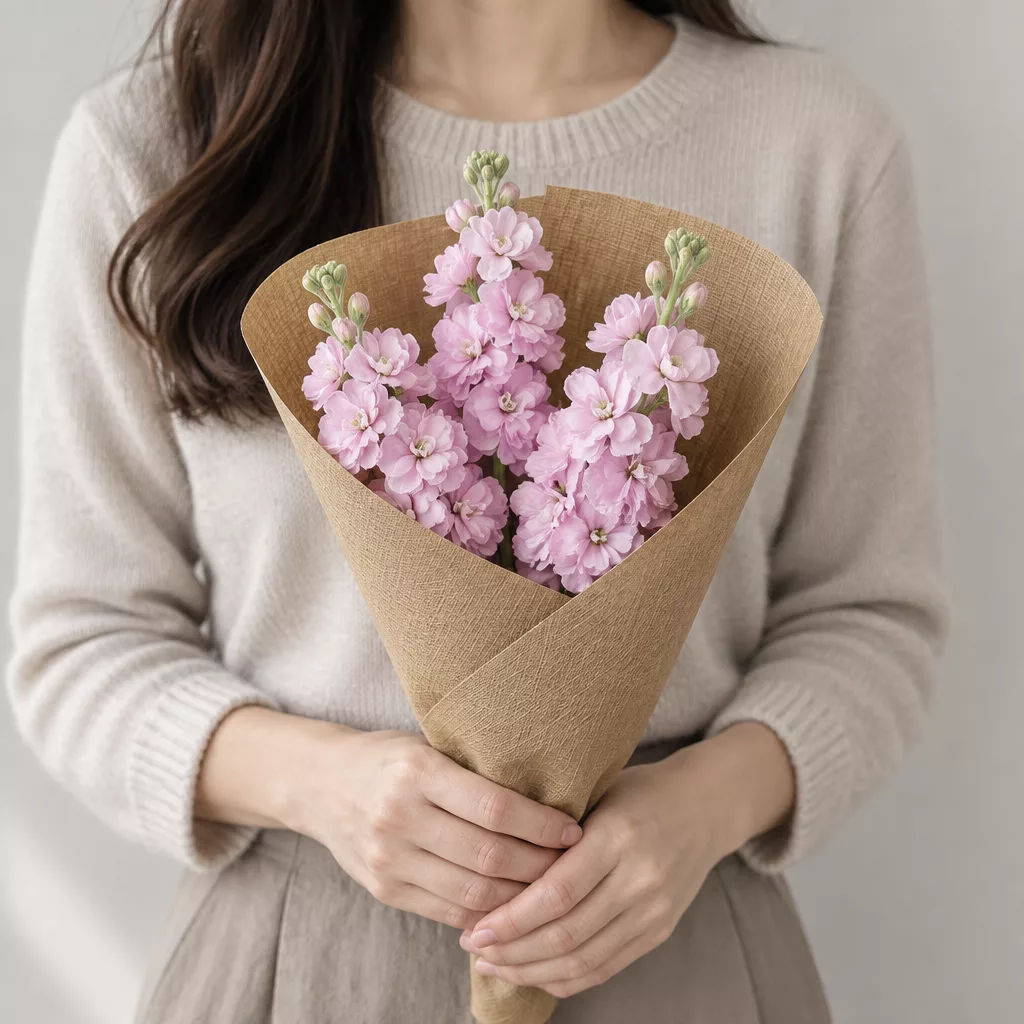
Which Colors Are Commonly Stocked Across Russia
The Russian wholesale flower market, fed primarily through the Netherlands and supplemented by domestic greenhouse production, keeps a reliable core of hydrangea colors in circulation. White is the most consistently available shade all year. It is neutral enough to suit almost any occasion and pairs with virtually every other flower in a mixed arrangement.
Blue and purple hydrangeas — specifically the varieties in the Magical and Incrediball families grown for the cut-flower trade — appear regularly and are among the most requested. In Russian gift culture, blue flowers carry a certain romantic weight, and blue hydrangeas benefit from that association without feeling as formal as blue irises or delphiniums.
Pink is widely available and peaks in spring and early summer when domestic greenhouse cuts come to market. The range within pink is broad: from the pale blush of varieties like Sweet Fantasy to the deeper rose tones of Strong Annabelle cuts. Green hydrangeas, particularly Annabelle and Limelight types, have grown steadily in popularity over the past several years and are now stocked by most serious florists.
Red and deep burgundy hydrangeas are harder to source consistently. They appear most reliably in autumn, which is also when demand for them rises ahead of the September school season and October celebrations. If you want a red hydrangea for a specific date, ordering a day or two in advance is wise rather than expecting same-day availability.
Seasonal Peaks and What to Expect Month by Month
Hydrangeas do not have a single Russian season — they have several, each with its own character. From January through March, the market runs almost entirely on imported Dutch cuts. Quality is high but the color range is narrower, leaning toward white, blue, and purple. Prices reflect the import cost and the short days of a Saint Petersburg winter.
April and May bring the first domestic greenhouse production online, and this is when pink and green varieties become more plentiful and more affordable. The stems are often shorter in early spring greenhouse cuts, but the heads are full and the flowers are fresh in a way that imported stock sometimes is not.
June through August is peak season. Outdoor and semi-outdoor Russian production supplements greenhouse supply, and the full color palette is available simultaneously. This is the best time to request unusual combinations — mixing three or four hydrangea colors in a single arrangement becomes straightforward rather than a special order.
September is a critical month in Russia because of the first day of school on September 1st, a national occasion when enormous quantities of flowers are purchased. Hydrangeas sell extremely well during this period, particularly white and pink, because they look generous without being ostentatious.
October through December sees supply tighten again as domestic production winds down. White remains reliable. Blue and purple hold on through November. Green hydrangeas often disappear from stock by late October. Planning ahead by even 24 hours during this window makes a real difference.
Matching Hydrangea Colors to Occasions
White hydrangeas are the most versatile and the safest choice when you are uncertain about the recipient's taste. They suit birthdays, professional milestones, congratulations on a new home, and any celebration where you want the gesture to feel warm but not presumptuous. In mixed bouquets, white hydrangeas act as a base that makes every other color around them more vivid.
Pink hydrangeas carry a clear romantic and affectionate tone. They are ideal for anniversaries, for Valentine's Day, for a gesture to a mother or close friend. Deep rose tones feel more passionate; pale blush reads as tender and gentle. Choosing between them depends entirely on the relationship you are expressing.
Blue and purple hydrangeas are the most distinctly Russian in their appeal. Blue flowers hold a special place in the Russian romantic imagination — think of the blue rose as a symbol of the impossible and the longed-for. A blue hydrangea does not carry that melancholy weight but it does carry some of that poetic quality. These colors work beautifully for romantic gestures and also for congratulations to men, where blue sidesteps the worry some senders have about pink feeling too feminine.
Green hydrangeas, especially Limelight, are the designer's choice. They read as contemporary and considered, and they work particularly well in corporate gifting or for someone with strong aesthetic sensibilities. Pair them with white ranunculus or eucalyptus and the result looks like something from an editorial shoot.
Combining Hydrangeas with Other Flowers
A hydrangea on its own is already a complete gesture, but the combinations it enables are where florists have the most creative freedom. The key is understanding that hydrangeas are a structural flower — they provide volume and a soft texture that other flowers sit against rather than compete with.
With roses, hydrangeas create the classic lush arrangement that reads as romantic and abundant. The best pairings use roses that are similar in tone rather than contrasting sharply: blush hydrangeas with peach or cream roses, white hydrangeas with white or ivory roses, blue hydrangeas with lavender roses. Contrasting colors can work but require more care to avoid looking chaotic.
With peonies, hydrangeas create the most extravagant spring arrangement possible. Both flowers are full and rounded, so the combination works best when the stems are varied in height and the peonies are given slightly more prominence. This pairing suits a significant birthday or anniversary where you want the bouquet to be genuinely memorable.
With greenery — eucalyptus, ruscus, or Italian pittosporum — hydrangeas become more relaxed and botanical. This style suits someone who prefers a natural aesthetic over a formal florist's arrangement. It also photographs extremely well, which matters in an era when recipients often share flowers on social media.
Avoid pairing hydrangeas with very delicate small flowers like lily of the valley unless you are working with a skilled florist who understands proportion. The hydrangea will simply overwhelm them visually, and the smaller flowers will be lost.
Keeping Hydrangeas Fresh After Delivery
Hydrangeas have a reputation for wilting quickly, and that reputation is not entirely undeserved — but it is mostly a care problem rather than a flower problem. With the right handling, a fresh hydrangea stem will last seven to ten days in a vase, sometimes longer.
The most important thing is water. Hydrangeas drink heavily, far more than roses or carnations. The vase should be filled generously and checked every day. If the stem has been out of water for any time during delivery — which in a well-run same-day delivery operation should be minimal — cut the bottom of the stem at a sharp angle before placing it in the vase. This reopens the vascular tissue and allows the flower to drink immediately.
Keep hydrangeas away from direct sunlight and away from heat sources. In a Russian apartment in winter, this means keeping them away from the radiators that run along most exterior walls. A cool room, ideally between 15 and 20 degrees Celsius, extends vase life noticeably.
If a hydrangea head droops despite being in water — a common problem — submerge the entire head in cool water for 30 to 45 minutes. This rehydrates the petals directly and usually revives the bloom completely. It is a trick professional florists use and it works reliably.
Change the water every two days and trim the stems slightly each time. Remove any leaves that fall below the waterline, as they decompose and cloud the water. Done consistently, these small steps make the difference between a flower that lasts four days and one that lasts ten.
Hydrangeas have earned their place as one of the most dependable and expressive flowers available in Russia today. They suit a wide range of recipients, they hold up well in transit, and they give the person receiving them something that feels genuinely generous. Whether you are sending a single large stem in a simple wrap or a full mixed arrangement built around several hydrangea heads, the flower carries the weight of the occasion well. The key is matching the color to the moment, timing the order to what is in season, and trusting that the bloom itself will do most of the communicating once it arrives.
Frequently asked questions
Can I order a specific hydrangea color for same-day delivery in Russia?
White, pink, and blue hydrangeas are available for same-day delivery most of the year. Red and deep burgundy are less consistent and may require ordering a day in advance, particularly outside of autumn when they are at their seasonal peak. If you have a specific color in mind, placing your order in the morning gives the best chance of fulfillment the same day.
Are hydrangeas an appropriate gift for a man in Russia?
Yes, particularly in blue, purple, or green tones. Blue flowers carry a strong poetic association in Russian culture and are not considered feminine. A blue or green hydrangea paired with structured greenery and perhaps some white matthiola makes a sophisticated gift for a male colleague, mentor, or partner that sidesteps any concern about color conventions.
How many hydrangea stems do I need for a full-looking bouquet?
Because each stem carries one large flower head, three to five stems already create a substantial arrangement. A bouquet of five hydrangeas looks as full as a dozen roses. For a truly impressive gift — a significant birthday or anniversary — seven stems arranged with some eucalyptus or Italian ruscus will fill a large vase and make a strong visual impression when the recipient opens the door.
Do hydrangeas have a particular meaning in Russian gift-giving culture?
Hydrangeas do not carry the strict symbolic language that roses or tulips do in Russia, which is actually an advantage. They read as generous and aesthetically considered without sending a coded message that might be misread. This makes them a safe and beautiful choice for occasions where you want warmth and elegance without the weight of a heavily symbolic flower.
What is the best way to revive a hydrangea that has wilted after delivery?
Submerge the entire flower head in cool water for 30 to 45 minutes. This rehydrates the petals directly through the surface rather than relying solely on the stem. At the same time, recut the stem at a sharp angle and place it in fresh water. Most wilted hydrangeas recover fully with this treatment and go on to last several more days without any further problems.
Ready to send flowers?
Pick the city, choose the bouquet, and a local florist takes it from there.
Choose a city →