How to Ask Your Florist for a Bouquet Without Lilies or Roses
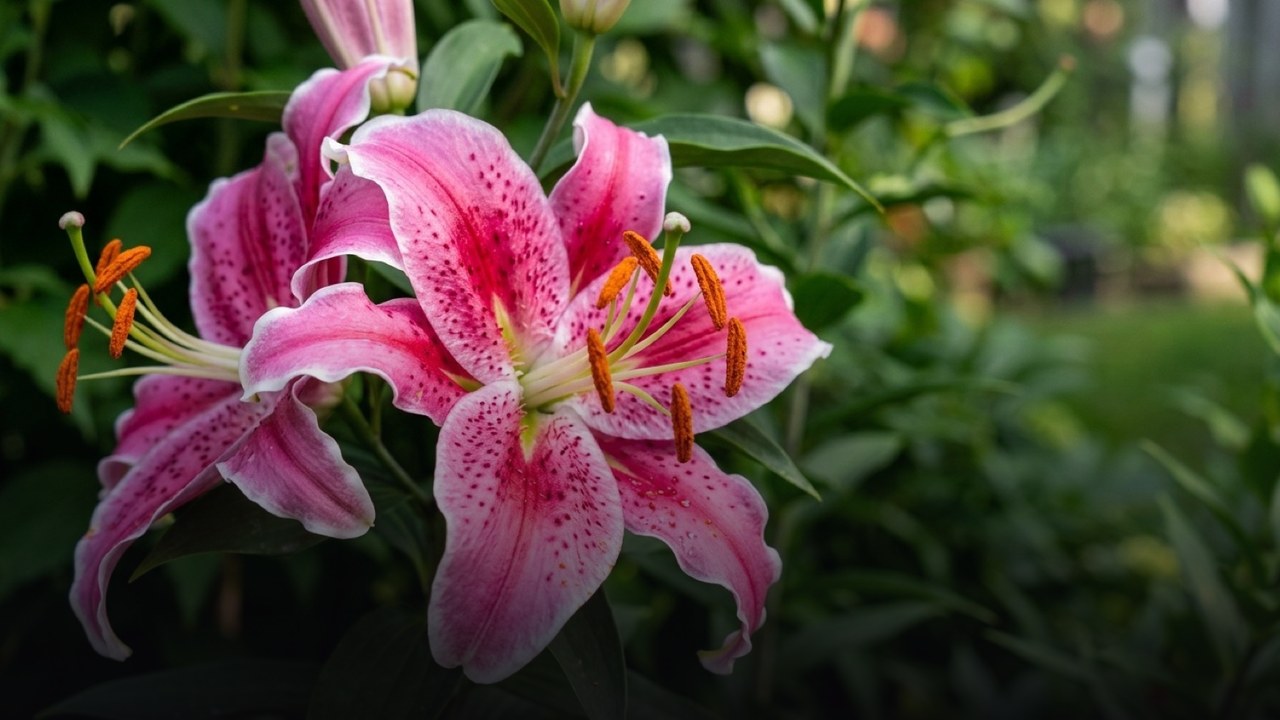
You are not imposing on a florist by asking for no lilies or roses from the outset: clear exclusions are a useful part of a bouquet brief. Say, “Please leave out both lilies and roses, including spray roses,” then describe the colours, shape and occasion you have in mind. If the exclusion concerns an allergy or a pet, explain that before discussing alternatives.
The phrase “no lilies and roses initially” could also mean that you want to avoid those flowers in the first design but might consider them later. Make that distinction explicit: either they must stay out of the finished bouquet, or you would like to see other possibilities first. A firm boundary and an open preference give a florist different instructions, so a few precise words can prevent an awkward misunderstanding.
Set the exclusions before choosing the design
Put your restrictions in the first message, before discussing a particular arrangement. “A birthday bouquet in peach and cream, with no lilies or roses” gives a clearer starting point than choosing a rose-heavy design and asking for changes afterwards. You can use pictures to explain the mood, but identify which parts you like: the colours, the rounded outline or the loose, airy arrangement.
If roses are completely excluded, mention spray roses as well. Their smaller flowers and branching stems can look quite different from a single large rose, but they are still roses. With lilies, explain whether your concern is the flower itself, its fragrance or pollen. These are different requirements, and removing visible pollen does not resolve every reason someone might need lilies excluded.
A useful brief separates essentials from preferences. For example: “No roses or lilies is essential; pale pink is preferred; the exact flower varieties are flexible.” That leaves room to discuss an achievable design without weakening your main instruction. Ask for the proposed flowers to be described before you agree, especially when you are ordering in English for a recipient in Russia.
Choose alternatives by shape, colour and purpose
Think about what you wanted roses or lilies to contribute. For a soft, full appearance, you might ask whether lisianthus, carnations or seasonal ranunculus could suit the design. For a more open, daisy-like face, discuss gerberas or suitable chrysanthemums. Treat these as possibilities to check with the manager, since naming a flower here does not establish its availability for your order.
Build the colour palette independently of the flower names. Cream and green can feel restrained; peach and pink can feel gentle; orange and yellow can make a lively combination. Ask for two or three main colours if you want a cohesive result. A clear palette gives the florist another way to preserve your intention when the exact stems you first imagined are unavailable.
Scale matters as much as variety. A bouquet intended for a desk should be manageable beside a screen, while one carried to dinner needs to be comfortable to hold. Tell the florist where the flowers will go and whether the recipient already has a suitable vase. Browse the bouquets catalogue for visual references, then confirm which design details can work with your exclusions.
Bouquets we can deliver




Explain allergies, fragrance concerns and pets separately
If you dislike lilies because of their scent, say that you want a bouquet with little fragrance as well as no lilies. Excluding one flower does not tell the florist how you feel about other scented stems. Fragrance perception varies between people, so avoid relying on a flower's reputation alone when the recipient is particularly sensitive.
For a known allergy, give the specific information the recipient has shared rather than asking for a generally “allergy-free” bouquet. Different people react to different materials, and a florist cannot establish medical suitability from a colour or style request. If the trigger is uncertain, check with the recipient before choosing flowers; a surprise is less important than getting that detail right.
If the household has cats, flag that immediately: true lilies and daylilies are highly toxic to cats, including their pollen and vase water. Do not assume that a bouquet becomes suitable for pets simply because lilies and roses are absent. Ask about every proposed plant, including foliage, and check suitability for the animal concerned before confirming your choice.
Match the gesture to the recipient and occasion
You do not need roses to make a romantic gift, and you do not need lilies to make a formal one. The recipient's preferences, the colour palette and your message can carry the intention together. If someone has told you they dislike a flower, respecting that preference is more thoughtful than choosing it because it is traditionally associated with the occasion.
When sending flowers to Russia, consider stem count if the design consists of a small, clearly countable group of flowers. Odd numbers are customary for celebratory gifts, while even numbers are associated with mourning. Counting becomes less straightforward in mixed bouquets with branching stems, so explain the occasion and ask how the proposed arrangement will read.
Use the card to make your meaning clear rather than depending on a fixed language of flowers. A short, personal sentence can explain gratitude, affection or congratulations without ambiguity. Turboflora includes a card with your text free of charge. Delivery is anonymous by default, so sign the message if you want the recipient to know who sent the flowers.
Turn your brief into an order to Russia
Turboflora delivers flowers across Russia. Contact a manager on WhatsApp to discuss a bouquet without lilies or roses, agree the address and delivery time, and provide your card text. Include the recipient's city, the occasion, your exclusions and any flexibility about colours or flower varieties. You can also arrange a photo of the bouquet before delivery.
For advance planning, you can pre-order 1–30 days ahead. In large cities, express delivery is available 1–2 hours after the order is confirmed; timing starts from confirmation, so allow for the details to be agreed first. Other options are an exact time with a tolerance of plus or minus 30 minutes, or the windows 09–12, 12–15, 15–18 and 18–21.
City delivery costs 500 RUB. For remote districts and suburbs, the operator confirms the delivery price when confirming the order. Online checkout uses CloudPayments; if you are paying from abroad, check the options displayed at checkout rather than assuming your card will be accepted. The delivery and payment information is a useful reference while you organise the gift.
Prepare for arrival and help the flowers settle
Choose a delivery window that fits the recipient's likely whereabouts. The courier calls about 15 minutes before arrival, which helps coordinate the handover but may reveal that something is coming. If the recipient is absent, we agree a second delivery the same day or, with the sender's consent, handing the flowers to a neighbour or concierge.
Once the bouquet arrives, the recipient should use a clean vase and remove any leaves that would sit below the waterline. Recut the stem ends with a clean, sharp tool before placing them in water. If flower food is supplied, follow its dilution instructions. Keep the arrangement away from direct heat and strong sunlight, and check the water level daily.
Care needs can differ between the flowers eventually chosen, so ask for guidance for the actual bouquet instead of following instructions intended for roses or lilies. Remove fading material and refresh the water regularly. For the final order check, confirm that your exclusions, agreed design, delivery details and card text are all clear; this is the moment to resolve any remaining ambiguity.
Frequently asked questions
Is it rude to ask a florist for no lilies or roses?
No. State the restriction politely at the beginning and explain which other details are flexible, such as colour or shape. A clear request helps the florist understand what you will be happy to send.
What should I write if I only want to exclude them initially?
Write, “Please suggest options without lilies or roses first; I may consider them later.” If they must never be included, say, “Please do not include lilies or roses in the finished bouquet.”
Can a bouquet without roses still be romantic?
Yes: choose colours and a style the recipient enjoys, then add a personal message. Romance does not depend on a particular flower, especially when you are respecting someone's stated preferences.
Can I check the bouquet before it is delivered?
You can arrange a photo of the bouquet before delivery with the manager on WhatsApp. Agree your exclusions and the proposed design beforehand so the photo can be checked against a clear brief.
Can I pay for flowers to Russia with a foreign card?
Online checkout uses CloudPayments. Check the payment options displayed at checkout; acceptance of every foreign card is not guaranteed.
Ready to send flowers?
Pick the city, choose the bouquet, and a local florist takes it from there.
Choose a city →