Irises in Russia: Spring Window and What Makes Them Special
For about six weeks every spring, irises take over the front buckets of Russian flower shops and turn ordinary bouquets into something that actually stops people in the street. They are cheaper than roses, more dramatic than tulips, and they carry a kind of wild, painterly quality that no other spring flower quite matches. If you have been wondering whether irises are the right choice for your next delivery — and whether they will survive the journey and the vase — this is the florist's answer.
When Irises Actually Appear in Russian Shops
The Russian iris season is real but short. In most years, cut irises begin arriving in Saint Petersburg and Moscow wholesale markets somewhere between late March and the first week of April. The exact timing shifts by one to two weeks depending on the winter, but by mid-April the supply is usually at its peak. By late May the season is effectively over, and what you find after that tends to be expensive imported stock rather than the abundant, affordable spring flush.
The flowers that fill Russian shops during this window come from several sources. Dutch greenhouse irises are available almost year-round through import, but they are a different commercial proposition — consistent but often less fragrant and priced higher. The spring window is when domestically grown and regionally sourced irises arrive in volume, which is why prices drop noticeably and florists start building whole arrangements around them rather than using them as accent stems.
For someone ordering a delivery, this timing matters practically. If you are planning a gift for a birthday, anniversary, or the Russian holiday of May 9th — Victory Day, when many families bring flowers to veterans — irises in late April or early May are both seasonally perfect and genuinely affordable. Outside that window you can still order them, but ask your florist whether the stems in stock that day are fresh arrivals or have been in the cooler for several days, because that will change the vase life significantly.
Bouquets we can deliver


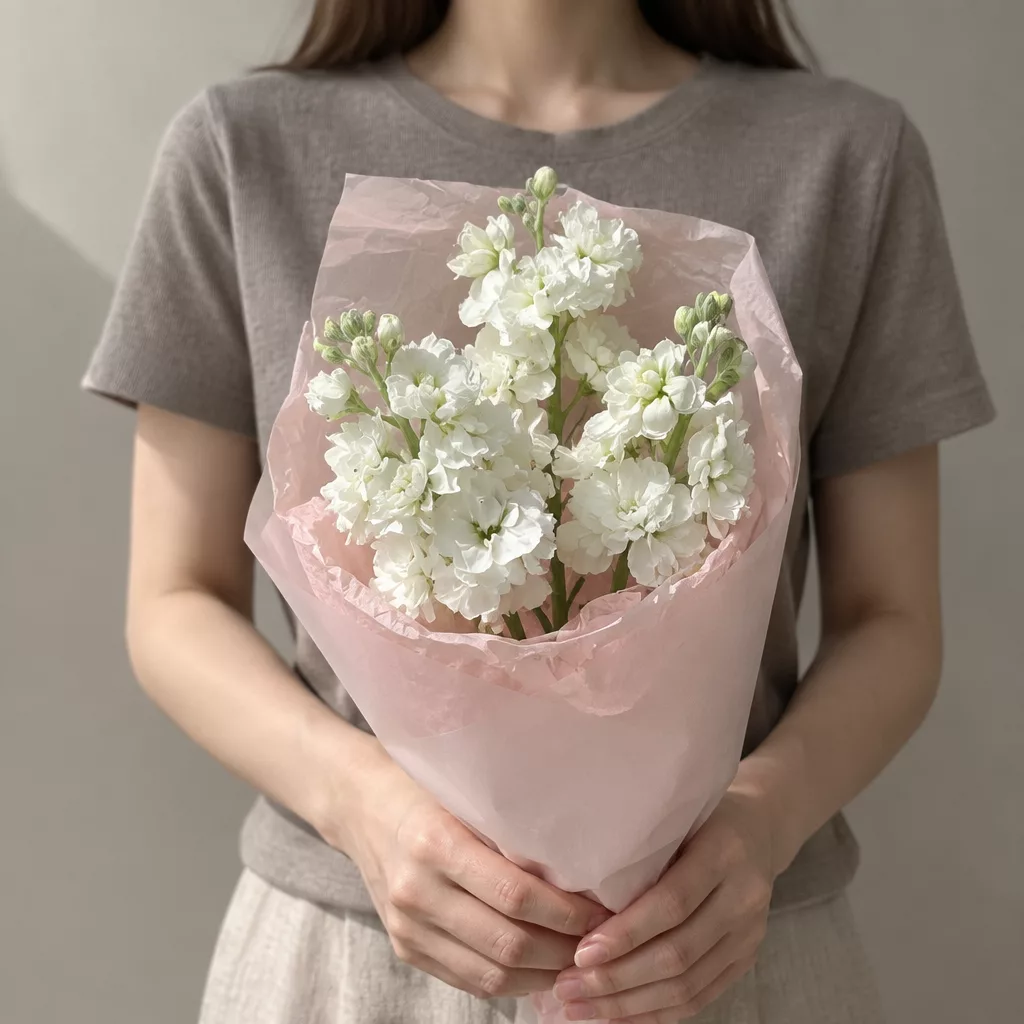
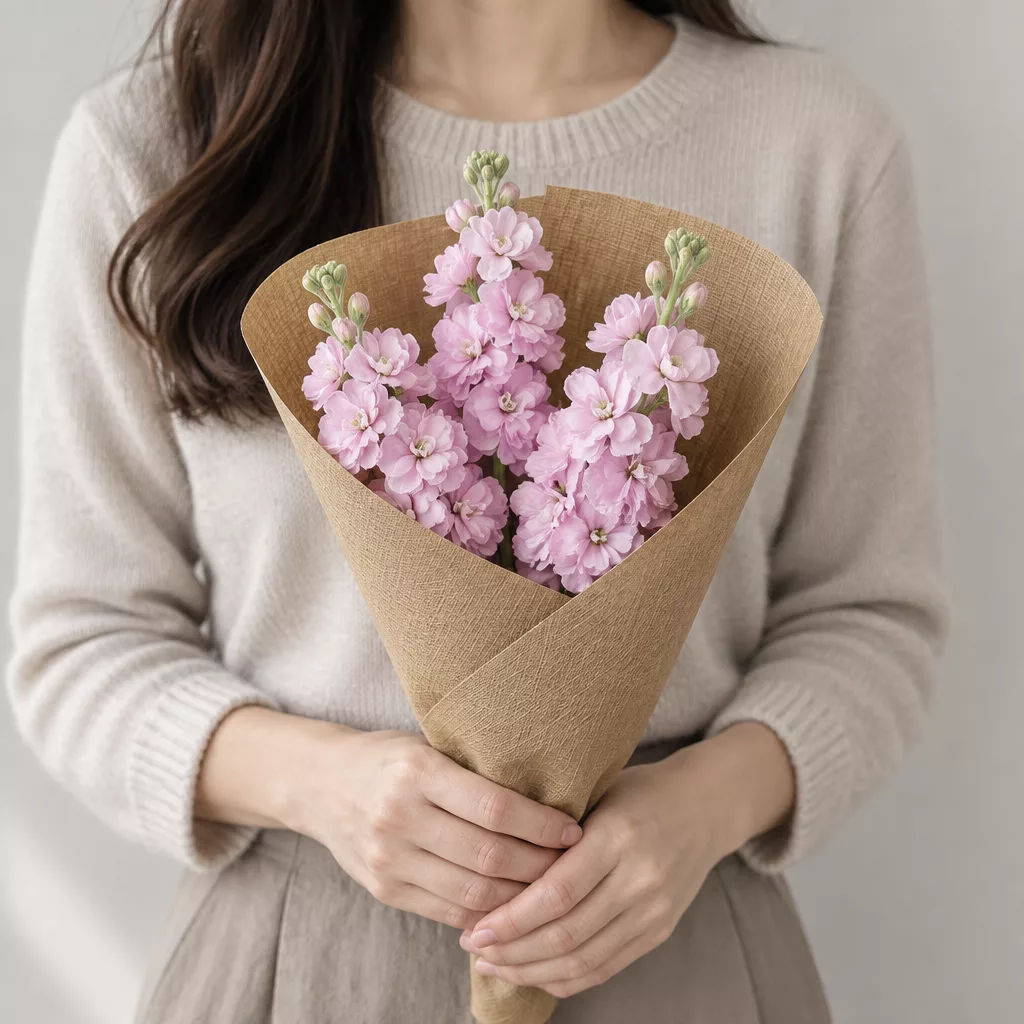
What Sets Irises Apart from Tulips at This Time of Year
Tulips dominate Russian spring gifting so completely that many buyers never look past them. That dominance is understandable — tulips are everywhere, they are associated with March 8th (International Women's Day, the single biggest flower-giving day in Russia), and they are instantly legible as a spring gift. But irises offer something tulips cannot, and it is worth knowing what that is before you choose.
The visual scale is the first difference. A single iris bloom is large enough to anchor a bouquet on its own. The petals have a texture that catches light differently depending on the angle — that velvety, almost crumpled surface is what makes irises look expensive even when they are not. Tulips are smooth and graphic; irises are complex and a little theatrical.
The colour range is also different in character. The classic varieties you will find in Russian shops during spring run from deep violet and blue-purple through softer lavender, white, and yellow. True blue is rare in the flower world, and irises come closer to it than almost anything else available at this price point. That blue-violet range is particularly striking when paired with white flowers — ranunculus, white tulips, or spray roses — because the contrast is sharp without being harsh.
Finally, irises have a light, clean fragrance that tulips lack entirely. It is not heavy like a lily or sweet like a freesia, but it is present, and in a warm room it becomes noticeable. For a recipient who finds strong floral scents overwhelming, that subtlety is genuinely welcome.
Choosing Irises by the Occasion and the Recipient
Irises work best when the recipient has some personality behind them — they are not a neutral, safe choice the way a mixed bouquet of roses might be. That is actually their strength. Giving irises says something specific, and most recipients read it as a sign that the sender thought carefully rather than reaching for the default.
For a teacher, a colleague, or a mentor — the kind of person Russians often call an uvazhayemy chelovek, a respected person — irises carry exactly the right register. They feel considered and slightly formal without being stiff. A bouquet of fifteen deep violet irises with a few stems of white alstroemeria is the kind of thing a teacher puts in a vase on her desk and shows to colleagues.
For a younger recipient, especially someone with a creative or artistic sensibility, the colour drama of irises lands well. Pair them with something unexpected — eucalyptus, a few stems of muscari, or even dried pampas grass — and the bouquet reads as genuinely stylish rather than conventional.
For romantic occasions, irises are underused and underrated. The Victorian language of flowers assigned them meanings connected to faith and hope, and in Russian tradition purple flowers are associated with admiration and depth of feeling rather than romantic urgency. If you want to send something that says more than roses do without the risk of roses feeling clichéd, a monochrome bouquet of lavender and violet irises with silver-green foliage is a strong choice.
They are also excellent for housewarming gifts. A new home needs colour, and irises provide it immediately.
Budget Ranges and What You Get at Each Level
One of the most practical things about irises during the spring window is that you get a lot of visual impact per stem compared to most other flowers at the same price. A single iris stem is long — typically fifty to seventy centimetres — and the bloom itself is large. That means a bouquet of eleven or fifteen stems looks genuinely full and generous without requiring the kind of budget that a comparable rose bouquet would demand.
At the more modest end of the budget, a simple mono-bouquet of irises in a single colour is the right call. Seven or nine stems of deep violet iris, cut to the same length and wrapped cleanly in kraft paper, is a gift that looks intentional and costs less than most people expect. The key is keeping it simple — irises do not need to be surrounded by filler to look complete.
In the middle range, combining irises with one or two complementary flowers elevates the arrangement without complicating it. White ranunculus adds softness. Yellow mimosa — which overlaps with the iris season in early spring — adds warmth and contrast. A few stems of white freesia add fragrance without competing visually.
At the higher end, irises become the dramatic spine of a larger arrangement. Think of a wide, loose bouquet where violet and white irises are combined with garden roses, eucalyptus branches, and perhaps some white lisianthus. The irises provide the height and the colour statement; the other elements add texture and roundness. This kind of bouquet photographs beautifully, which matters if the recipient is likely to share it.
In all cases, the number of stems follows Russian gifting custom: odd numbers for living recipients, even for memorial occasions.
Vase Life and the Mistakes That Shorten It
Irises have a reputation for being short-lived, and that reputation is partly earned — but mostly it reflects avoidable mistakes. Handled correctly, a fresh iris stem will give you five to seven days in the vase, with individual blooms opening in sequence over that period. Each stem typically carries several buds, so the display actually improves over the first two or three days as new blooms open.
The single most common mistake is putting irises in a warm room immediately after delivery. Irises are cool-weather flowers, and they deteriorate quickly in temperatures above twenty degrees Celsius. The ideal vase position is away from direct sunlight, away from radiators, and away from fruit bowls — ethylene gas from ripening fruit shortens the life of almost every cut flower, and irises are particularly sensitive to it.
Water temperature matters too. Use cool or room-temperature water, never warm. Change the water every two days and recut the stems at an angle each time, removing about one centimetre. This keeps the cut end open and able to drink. If the stems have been out of water for any time during delivery — which a good florist will minimise — give them a fresh cut before putting them in the vase.
Irises do not need flower food as urgently as roses do, but if a sachet comes with the bouquet, use it. The sugar in the solution helps the buds that have not yet opened to develop fully. Without it, tightly closed buds sometimes fail to open at all, which is the most frustrating outcome for both the sender and the recipient.
Keep the vase clean. Bacterial buildup in dirty vases is the fastest way to cut the life of any flower.
Ordering Irises for Delivery Across Russia: Practical Details
Sending irises across a long distance — from Saint Petersburg to Kazan, or from Moscow to Novosibirsk — raises a reasonable question about whether they will arrive in good condition. The answer depends almost entirely on how the flowers are packed and how quickly they are delivered. Irises travel well when they are kept cool, kept upright, and not crushed against other stems.
For a one to two hour delivery window within a city, irises are an excellent choice precisely because that timeframe is short enough that temperature and handling are controllable. The florist cuts the stems fresh, wraps them properly, and the recipient receives them in the same condition they left the shop. The buds should be closed or just beginning to open at the point of delivery — that is the sign of a fresh stem, not a problem.
If you are ordering for a specific time — a birthday dinner, a morning surprise, a workplace delivery before a meeting — irises are reliable because they do not wilt dramatically in transit the way some delicate flowers do. They hold their form well for several hours outside water as long as the temperature is reasonable.
One practical note for spring orders: irises are highly seasonal, and the specific colour you want may not always be available on a given day. Deep violet is almost always in stock during peak season. Yellow and white are common. Blue-purple bicolour varieties come and go. When you place your order, mention your colour preference and ask the florist to confirm availability — or give them permission to choose the best stems available that day, which often produces a better result than a rigid specification.
The occasion, the recipient, and the season are all aligned in spring. Irises are the flower that fits all three at once.
Irises ask a little more attention than tulips and last a little less time than roses, but during their spring window they offer something neither of those can match: a combination of scale, colour depth, and quiet elegance that makes a bouquet feel genuinely chosen rather than grabbed off a shelf. Whether you are sending them across the city for a birthday or ordering them for a colleague's last day before a long holiday, they land with the kind of warmth that people remember. The season is short. When the irises are there, it is worth using them.
Frequently asked questions
Are irises available in Russian flower shops outside of spring?
Yes, but the situation changes considerably. Dutch greenhouse irises are imported year-round, so you can order them in October or January, but the selection is narrower, the price is higher, and the fragrance is often less pronounced than spring-season stems. If irises are important to you, spring is when they are at their best and most affordable.
How many iris stems make a decent bouquet for a gift?
Seven stems is the minimum for a bouquet that looks intentional rather than sparse, because each stem is large and holds multiple buds. Eleven or fifteen stems make a genuinely impressive gift. Russian custom calls for odd numbers when giving flowers to a living person, so count accordingly when you place your order.
Can irises be combined with other spring flowers, or do they work better alone?
They work beautifully both ways. A mono-bouquet of irises in one colour is elegant and strong. For combinations, the best partners are white ranunculus, freesia, mimosa in early spring, and eucalyptus for greenery. Avoid mixing irises with lilies — the lily fragrance overwhelms the iris, and the two bloom forms compete rather than complement each other.
My irises arrived with closed buds. Is something wrong?
Closed buds are actually what you want at delivery — they indicate the stems were cut fresh and have not been sitting in a shop cooler for days. Place them in cool water in a bright room, not in direct sun, and the buds will open over the next twenty-four to forty-eight hours. Each stem carries several buds that open in sequence, so the display improves over time.
Are irises an appropriate gift for a man in Russian culture?
Yes, though it is less common than giving them to women. Deep violet or dark purple irises, arranged simply without soft wrapping or pastel accents, read as strong and considered rather than feminine. In Russian culture, flowers for men are given on birthdays and professional milestones, and irises fit those occasions well when the presentation is kept clean and graphic.
Ready to send flowers?
Pick the city, choose the bouquet, and a local florist takes it from there.
Choose a city →