Is Aspirin Good for Cut Flowers? A Practical Vase-Care Guide
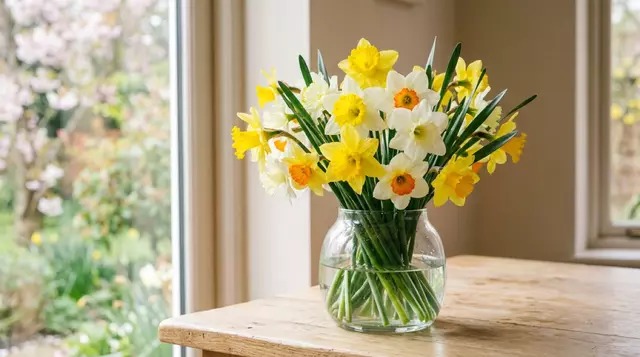
Aspirin is not a dependable treatment for cut flowers, so we do not recommend adding it to your vase. It can change the water’s acidity, but that alone does not make it a complete flower preservative or establish a useful dose for your bouquet. Use cut-flower food as directed, or start with clean water and careful vase hygiene.
The tablet trick is appealing because it sounds easy: crush something from the medicine cupboard and give a bouquet extra life. The difficulty is that roses, tulips and mixed arrangements do not all respond identically, and tablets differ in strength and formulation. Your most useful steps are more straightforward: prepare the vase, keep submerged leaves out of the water, maintain the water level and protect the flowers from heat.
Why aspirin is an unreliable vase additive
Aspirin contains acetylsalicylic acid, which is why advice about it often focuses on acidifying vase water. Water chemistry can affect a cut stem’s ability to take up water, but changing acidity is only one part of flower care. A tablet does not give you controlled acidity, suitable nourishment and reliable microbial control in one balanced treatment.
There is also no sensible universal instruction such as “one tablet per vase”. A narrow bud vase and a large jug contain very different amounts of water, while tablets may contain different amounts of aspirin and other ingredients. Without a flower-specific formulation and dilution instructions, you are guessing at the concentration rather than following a tested care method.
A bouquet looking better after a water change does not prove that aspirin caused the improvement. Fresh water, a newly cut stem end and a cooler position may all have changed at the same time. For everyday care, choose actions with a clear purpose instead of treating an encouraging result from one vase as a rule for every flower.
What to use instead of a crushed tablet
If you have a sachet of cut-flower food, read its instructions and measure the water it requires. These products are formulated to support cut flowers through a combination of ingredients, commonly including a sugar source, an acidifier and a component that limits microbial growth. Their value is the formulation at the intended dilution, not simply making the water acidic.
Do not pour a full sachet into a small vase unless its instructions call for that volume. Too much or too little changes the intended concentration. Prepare the solution in a measuring jug if the vase has no volume markings, and keep any product label so you can mix fresh solution correctly when you next change the water.
If no flower food is available, use clean water in a thoroughly washed vase. Avoid improvising a cocktail of aspirin, sugar, vinegar and household cleaners: an uncertain mixture adds variables without giving you a dependable preservative. Our guide to keeping cut flowers fresh explains the practical care routine in more detail.
Bouquets we can deliver




Set up the bouquet so the stems can drink
Wash the vase with washing-up liquid, rinse it thoroughly and remove residue from the base and sides. A quick splash of water can leave an old film behind, especially in a narrow-necked vase. Choose a vessel that holds the bouquet securely without squeezing the stems into a tight bundle, and make sure you can reach inside to clean it properly.
Remove leaves that would sit below the waterline. Submerged foliage breaks down and makes the water harder to keep clean; aspirin cannot compensate for that. Keep healthy leaves above the water, and remove any wrapping that would become soaked. If the bouquet has a water pouch for transport, transfer the stems to a suitable vase rather than leaving them in that temporary supply.
Using clean, sharp secateurs or a suitable knife, trim a small section from each stem end and put the flowers into the prepared water promptly. Make a clean cut without crushing the stem. Follow any care instructions supplied for particular flowers, since a mixed bouquet may contain stems with different needs; avoid hammering, splitting or scalding stems as a general treatment.
Make daily checks that actually help
Check the water level every day, particularly during the first day after arranging the flowers. A vase can still look partly full while shorter stems no longer reach the water. Keep all cut ends submerged, and replenish with correctly mixed solution if you are using flower food. Do not add extra powder each time you top up unless the instructions specifically tell you to.
Change the water promptly if it becomes cloudy, develops an unpleasant smell or contains fallen petals and leaves. Lift out the bouquet, wash and rinse the vase, then refill it with clean water or fresh flower-food solution. Trim stem ends if needed with a clean tool. Repeatedly adding aspirin to old water leaves the underlying cleanliness problem unresolved.
Place the vase away from radiators, direct sun, hot appliances and strong draughts. Keep it away from ripening fruit, which releases ethylene that can shorten the display life of sensitive flowers. Remove fading blooms as the arrangement changes. Different flowers age at different rates, so taking out one spent stem can help the remaining bouquet look tidy without unnecessary handling.
If the flowers droop, diagnose before adding anything
First check whether the stems are reaching the water and whether the vase has run low. Then look for crushed stem ends, submerged leaves or dirty water. Move the bouquet out of heat, clean the vase and refresh the cut ends where appropriate. These checks address common care problems directly; another tablet does not tell you why the flowers are struggling.
Separate a mechanically damaged stem from one that is simply bending under the weight of its flower. A sharply creased or broken stem may not recover through hydration, although shortening it below the damaged area can sometimes let you display the flower in a smaller vessel. Our guide to bent stems helps you assess what can reasonably be rescued.
If you have already added aspirin, there is no need to keep experimenting with the dose. Empty the vase, wash and rinse it, and replace the mixture with clean water or correctly diluted flower food. Watch the flowers after correcting their conditions, but do not expect every bloom to recover: age, damage and the flower type all affect what is possible.
Sending flowers to Russia: arrange the timing and care
If you are ordering from abroad, browse our bouquets catalogue and plan delivery around when the recipient can receive the flowers and put them in water. We deliver across Russia. City delivery costs 500 RUB; for remote districts and suburbs, the operator confirms the price when confirming the order. Online checkout uses CloudPayments; check the payment options displayed there for your card.
Express delivery in large cities is available in 1–2 hours after order confirmation. You can also arrange an exact time with a margin of ±30 minutes, choose a 09–12, 12–15, 15–18 or 18–21 window, or pre-order 1–30 days ahead. Contact a manager on WhatsApp to agree the address, timing and card text, get help choosing, or arrange a photo before delivery.
Delivery is anonymous by default: the courier does not name the sender, and a card with your text is free. Sign the card if you want the recipient to know who sent it. The courier calls about 15 minutes before arrival. If the recipient is absent, we agree a second delivery that day or, with the sender’s consent, handover to a neighbour or concierge. A simple care reminder is useful too: clean vase, fresh water, no aspirin required. Check our delivery information; confirm the timing for your order.
Frequently asked questions
Is aspirin good for cut flowers?
It is not a dependable general treatment for a bouquet. Use correctly diluted cut-flower food when available, and prioritise a clean vase, fresh stem cuts and adequate water.
How much aspirin should I put in flower water?
We do not recommend a household aspirin dose for vase water. Tablet formulations, water volume and flower types vary, so a fixed number of tablets is not a reliable care instruction.
Can aspirin replace flower food?
No: aspirin is not a complete substitute for a formulated cut-flower preservative. Changing acidity alone does not provide the balanced treatment that flower food is designed to deliver at its stated dilution.
What should I do if I already put aspirin in the vase?
Replace the mixture, wash and rinse the vase, and refill it with clean water or correctly prepared flower-food solution. Check the stem ends and remove any leaves below the waterline.
Can I use plain water if I have no flower food?
Yes, clean water is a practical option when flower food is unavailable. Keep the vase clean, check the level daily and refresh the water promptly if it becomes cloudy or develops a smell.
Ready to send flowers?
Pick the city, choose the bouquet, and a local florist takes it from there.
Choose a city →