Is Cold Water Better for Flowers in Your Vase?
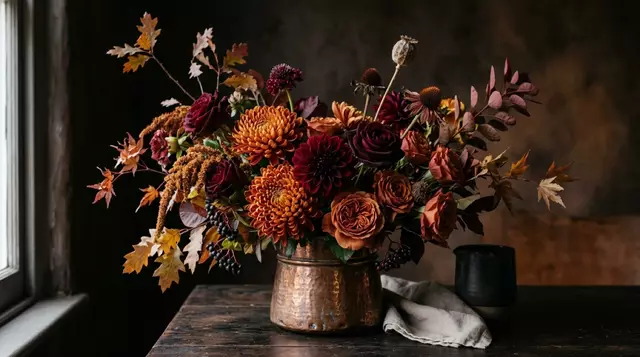
Cold water is not automatically better for cut flowers: fresh, cool or room-temperature water is a sensible choice for most bouquets. You usually do not need ice, and very cold water is not a reliable way to revive drooping stems. A clean vase, clear water and a position away from heat matter more than making the water as cold as possible.
The useful distinction is between comfortably cool water and water chilled with ice. Different flowers can have different handling needs, so follow any care instructions supplied with your bouquet before applying a general rule. For everyday care at home, concentrate on helping the stems take up water and keeping leaves and debris out of the vase.
What “cold water” should mean when you fill the vase
For a mixed bouquet, start with fresh drinking-quality water that feels cool or neutral to your hand. There is no need to refrigerate it or measure out ice cubes. If the cold tap runs exceptionally icy, let the water stand briefly before using it. Equally, avoid water that feels hot: heat is not an all-purpose treatment for cut flowers.
Water temperature is only one part of hydration. A stem with a damaged cut end, a vase crowded with submerged foliage, or water that has become dirty will not be fixed simply by making the water colder. Think of temperature as a starting condition; the condition of the stems and the cleanliness of the vase still need your attention.
Some professional conditioning methods use warmer water for particular flowers and situations. That does not mean every bouquet benefits from a warm soak at home. Unless you have specific instructions for the flowers in front of you, keep the approach straightforward. Our guide to warm or cold water for flowers explains that choice in more detail.
Match your care to the flowers in the bouquet
Tulips and other spring flowers are commonly placed in cool water and kept away from warmth. This is a useful everyday approach, but it does not call for an ice bath. Check their water level regularly: a vase can look full of flowers while holding surprisingly little water, especially when stems are packed closely together.
For roses, clean water and a freshly trimmed stem end are more useful first steps than adding ice. Remove foliage that would sit underwater and check that every stem reaches the water. If a rose head bends, inspect the stem for damage and the vase for a low water level before assuming that a different temperature will solve the problem.
With a mixed bouquet, avoid treating every stem according to advice intended for one variety. Use cool or room-temperature water, add flower food according to its packet, and follow any supplied instructions. Flowers arranged in floral foam need the foam kept moist; do not pull the stems out for routine trimming, because reinserting them can damage the arrangement.
Bouquets we can deliver




The first vase fill: a practical routine that matters more than ice
Wash the vase with washing-up liquid, rinse it thoroughly and remove any residue from the previous bouquet. Fill it with fresh water before you start arranging the flowers. If flower food is supplied, use the dilution printed on the packet rather than guessing: a small vase does not necessarily need a whole sachet, and extra powder is not automatically helpful.
Unwrap the bouquet enough to inspect the stems, handling delicate heads gently. Use a clean, sharp tool to trim the cut ends, then place the stems promptly in water. Remove leaves that would be submerged, but keep healthy foliage above the waterline. Avoid crushing or hammering the stems; damage creates another problem instead of improving routine hydration.
Choose a vase that supports the bouquet without squeezing the stems tightly together. Add enough water to keep the cut ends submerged, allowing space at the top so the vase does not spill when you insert the flowers. For tap-water questions, see tap water versus filtered water for flowers; chilling unsuitable water does not make it suitable.
Keep the bouquet cool without repeatedly chilling its water
Stand the vase away from radiators, direct sunlight and hot appliances. A bright windowsill may look attractive, but sunlight can warm the flowers and water during the day. Choose a stable place where the bouquet has room to open and cannot easily be knocked over. Keep it away from ripening fruit, which releases ethylene that can hasten ageing in sensitive flowers.
Check the water level every day and top it up before any cut ends become exposed. Refresh the water regularly, and sooner if it turns cloudy, smells unpleasant or contains fallen plant material. When you change it, rinse the vase and remove decaying leaves. If you use flower food again, mix it at the stated strength in the replacement water.
Adding ice throughout the day creates a task without addressing the usual causes of decline. It also changes the water volume as the ice melts, which matters if you have mixed in flower food. A cool room and consistent care are more practical than trying to keep a domestic vase at a particular cold temperature. Avoid a household fridge containing fruit and food.
If flowers droop, check the cause before changing temperature
Start with the water level: all stem ends must reach it. Next, look for trapped leaves, cloudy water, bent stems or a position beside a heat source. If the flowers have been out of water, put them into a clean vase with fresh water after trimming the ends. Give them time to take up water in a cool room before deciding whether the initial care has helped.
If only one stem droops while the others remain firm, inspect that stem individually. A crease or break below the flower head cannot be repaired by an ice cube. You may be able to shorten a damaged stem below the affected section and display it separately in a small vase, provided enough healthy stem remains. Remove visibly decaying material from the main bouquet.
Avoid escalating to hot-water dips, sugary kitchen mixtures or whole-bouquet baths based on general internet advice. These methods are not suitable for every flower, and wetting delicate petals can mark them. Age, damage and time spent without water affect recovery, so no temperature change can guarantee revival. Ask for advice specific to the variety if ordinary care does not help.
Sending flowers to Russia: plan the handover and the care
If you are ordering from abroad for someone in Russia, choose a delivery time when the recipient is likely to be available to put the bouquet in water. You can browse our bouquets catalogue and contact a manager on WhatsApp for help choosing flowers, agreeing the address and timing, arranging your card text, and a photo of the bouquet before delivery.
We deliver across Russia. City delivery costs 500 RUB; an operator confirms the price for remote districts and suburbs when confirming the order. In large cities, express delivery is available in 1–2 hours after confirmation. You can also arrange an exact time with a margin of plus or minus 30 minutes, select 09–12, 12–15, 15–18 or 18–21, or pre-order 1–30 days ahead.
The courier calls the recipient about 15 minutes before arrival. If they are absent, we agree a second delivery that day or, with your consent, hand the flowers to a neighbour or concierge. Delivery is anonymous by default, so the courier does not name you; a card with your text is free. Online checkout uses CloudPayments: check the payment options displayed there, as acceptance of every foreign card is not guaranteed. Check our delivery information; confirm the timing for your order.
Frequently asked questions
Is cold water better for flowers than room-temperature water?
Not as a general rule. Fresh, cool or room-temperature water suits most mixed bouquets; cleanliness, stem condition and keeping the flowers away from heat are more useful priorities than extra chilling.
Should I put ice cubes in a flower vase?
Ice is usually unnecessary for routine cut-flower care. Use fresh water and keep the vase in a cool place instead of repeatedly adding ice.
Can cold water bring wilted flowers back to life?
Fresh water may help flowers that have become dehydrated, especially after you trim the stem ends. Very cold water is not a guaranteed rescue, and it cannot reverse a broken stem or normal ageing.
Do I need to replace the water even if it still looks clear?
Yes, refresh vase water regularly and check the level daily. Clear-looking water can still contain microorganisms, so also clean the vase and remove submerged leaves or fallen debris.
What care message should I include when sending a bouquet?
Keep it simple: “Put the flowers in a clean vase with fresh water, remove any leaves below the waterline, and keep them away from heat.” If the bouquet has specific care instructions, ask the recipient to follow those first.
Ready to send flowers?
Pick the city, choose the bouquet, and a local florist takes it from there.
Choose a city →