What does “ja bitte” mean, and when should you use it?
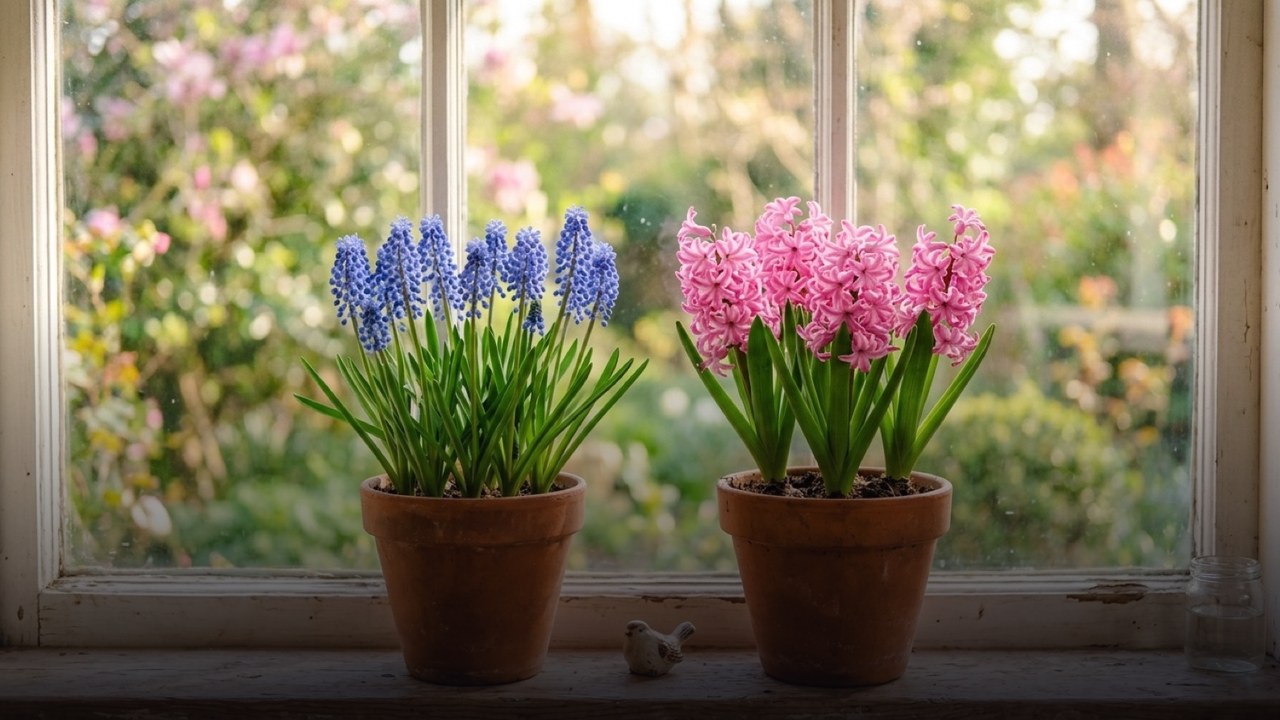
“Ja, bitte” is German for “yes, please” when you accept an offer, such as a drink, help or a gift bag for flowers. In other situations, especially as “Ja, bitte?” with a questioning tone, it can mean “Yes?” or invite someone to speak. The words stay the same, but the situation and your tone determine what the listener understands.
If you are checking the phrase before replying to a German speaker or writing a message to accompany flowers, start with its purpose: it is usually a response, rather than a greeting or a declaration of affection. Below, you will find practical examples, advice on choosing a clear card message, and the details you need if your flowers are going to someone in Russia.
How to pronounce and write “ja, bitte”
A useful English approximation is “yah, BIT-uh”. The German j sounds like the English y in “yes”, and the stress in bitte falls on its first syllable. Keep the final sound light rather than pronouncing it as “ee”. You do not need an exaggerated accent: a clear, relaxed delivery makes this short phrase easier to understand.
In a complete written reply, use “Ja, bitte.” The comma separates the affirmative answer from the polite addition. You will also see “ja bitte” without punctuation in searches and informal messages. If you are writing a card or a carefully worded note, the punctuated version is a sensible choice; at the start of a sentence, Ja takes a capital letter.
The closest everyday opposite is “Nein, danke”, meaning “no, thank you”. If someone offers something and you want to accept, “Ja, bitte” is appropriate; if you want to acknowledge something you have already received, use “Danke” instead. That distinction matters with gifts: accepting an offer and thanking someone for a bouquet are different moments.
Why context changes the translation
Imagine someone asks, “Möchtest du Blumen?”—“Would you like flowers?” Your answer, “Ja, bitte”, means “Yes, please”. The same reply works when someone offers to add a card or carry a vase. It accepts the specific offer already made, so it is clearest when both people know exactly what you are saying yes to.
Now imagine approaching a reception desk. A person looks up and says, “Ja, bitte?” In that setting, a natural English equivalent is “Yes?” or “How can I help?” The speaker is inviting your request, rather than accepting something. You may also hear the phrase as an invitation to continue when someone has paused before asking a question.
Do not assume that bitte always translates as “please”. On its own, it can also mean “you’re welcome”, accompany the act of handing something over, or ask someone to repeat what they said. These uses explain why translating each word separately can be misleading. Read the preceding message or consider the action before choosing an English equivalent.
Bouquets we can deliver




Using German naturally in a flower message
“Ja, bitte” rarely works as a complete flower-card message because it leaves the recipient wondering what offer you are accepting. It can be charming if it refers to a private conversation you both remember. Without that shared context, write the sentiment directly: a birthday wish, a thank-you, congratulations or a simple expression of affection.
For a German-speaking recipient, “Alles Gute zum Geburtstag!” means “Happy birthday!” and “Danke für alles” means “Thank you for everything”. “Ich denke an dich” means “I’m thinking of you” and suits a personal relationship. Choose words you would comfortably say in person; borrowing a language should help your message feel more personal and clear.
If you are unsure whether the recipient prefers German, English or Russian, use the language you normally share. Keep a short card focused on one thought, and check the spelling of their name before submitting it. A free card with your text is available with our flower delivery, so a few carefully chosen words can travel with the bouquet.
Choose flowers for the person and the occasion
Start with what the recipient actually likes: a favourite colour, a flower they have mentioned or a style you have seen in their home. Flower symbolism varies between cultures and individuals, so it should support your choice rather than dictate it. Red roses often suggest romance, for example, but the message on your card can make your intention clearer.
For delivery in Russia, an odd number of stems is customary in many everyday gift bouquets, while even numbers are traditionally associated with mourning. This is particularly relevant when choosing a small bouquet with an obvious stem count. If you are unsure how the custom applies to your choice, ask the manager before confirming the order.
Think about where the flowers will go. A bouquet for a desk needs a suitable place to stand, while a gift taken to a restaurant may need carrying home afterwards. If you know the recipient is sensitive to fragrance, mention that when seeking help with your choice. Browse the Bouquets catalogue with those practical details in mind.
How to arrange flower delivery to Russia from abroad
We deliver flowers across Russia. City delivery costs 500 RUB; for remote districts and suburbs, the operator confirms the price when confirming the order. Prepare the recipient’s name, phone number, full delivery address and card text. When ordering from another country, check the calendar date and intended time in the recipient’s city before agreeing the delivery details.
Express delivery in large cities is available within 1–2 hours after the order is confirmed. You can also arrange delivery at an exact time with a tolerance of plus or minus 30 minutes, choose a window of 09–12, 12–15, 15–18 or 18–21, or pre-order 1–30 days ahead. Choose a time when the recipient is likely to be available.
Contact a manager on WhatsApp for help choosing a bouquet, agreeing the time, address and card text, or arranging a photo of the bouquet before delivery. Online checkout uses CloudPayments; check the payment options displayed there for your card. You can also consult Delivery and payment while preparing your order.
Plan the handover and help the flowers last
Delivery is anonymous by default: the courier does not name the sender. If you want the recipient to know the flowers are from you, sign your card clearly. The courier calls the recipient about 15 minutes before arrival, so plan the surprise around that contact. Anonymous delivery refers to the sender’s identity; the recipient still receives an arrival call.
If the recipient is absent, we agree a second delivery the same day or, with the sender’s consent, hand the flowers to a neighbour or concierge. Consider that possibility when choosing the delivery time, especially if the recipient works away from home. Share useful access details with the manager so the address and intended handover are clear.
Once the flowers arrive, use a clean vase, remove leaves that would sit below the waterline and trim the stem ends with a clean, sharp tool. Follow any care instructions supplied for the particular flowers, refresh the water regularly and keep the bouquet away from direct sun and heat sources. Vase life varies with the flowers and their condition.
Frequently asked questions
Does “ja bitte” mean “yes, please” or “you’re welcome”?
“Ja, bitte” normally means “yes, please” when accepting an offer. Bitte on its own can mean “you’re welcome” in response to thanks; context determines the translation.
Is “ja, bitte” polite enough to use with a stranger?
Yes, it is a normal polite response to an offer from a stranger as well as someone you know. Use a friendly tone and make sure the offer you are accepting is clear.
Can I put “ja bitte” on a flower card?
You can, especially if it refers to a conversation the recipient will recognise. Otherwise, a direct message such as “Thank you for everything” or “I’m thinking of you” will communicate your intention more clearly.
Can I send flowers to Russia without naming myself?
Yes, delivery is anonymous by default, and the courier does not name the sender. Leave your name off the card if you want to keep your identity private.
Can I pay for flowers with a card issued outside Russia?
Online checkout uses CloudPayments, but acceptance of every foreign card is not guaranteed. Check the payment options displayed at checkout for your card.
Ready to send flowers?
Pick the city, choose the bouquet, and a local florist takes it from there.
Choose a city →