Your Flowers Are Drying Out — Here Is How to Stop It This Winter
A bouquet arrives looking perfect — roses plump, tulips upright, greenery glossy — and within two days it looks like it spent a week in a sauna. If you live in a Russian apartment with central heating running from October through April, this is not bad luck and it is not the florist's fault. The culprit is the air itself: dry, relentlessly warm, and almost impossible to escape in a standard panelka or newer build alike. The good news is that a few deliberate habits, applied from the moment the flowers come through the door, can double or even triple how long they stay beautiful.
Why Central Heating Is So Hard on Cut Flowers
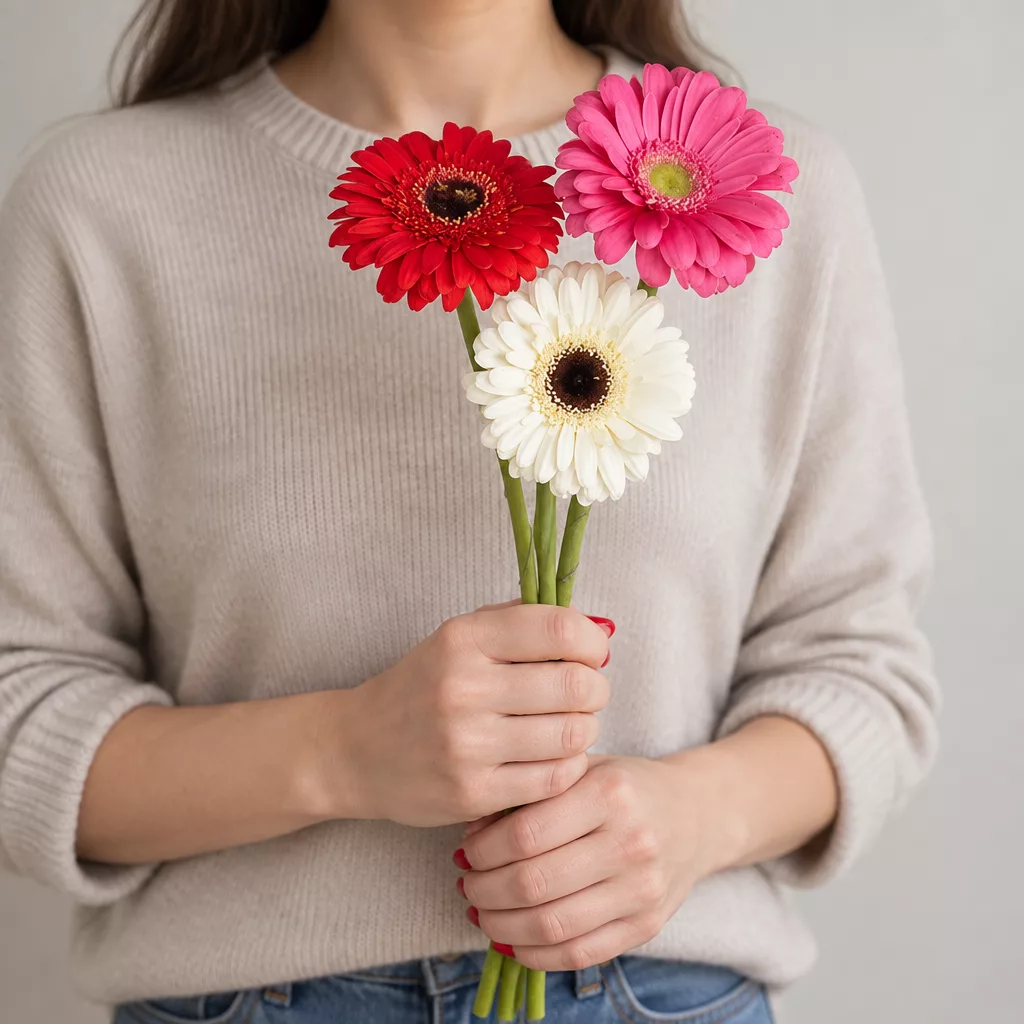
Russian district heating, known as tsentralnoye otopleniye, is a legacy Soviet system that pumps hot water through radiators in every room from roughly mid-October until late April. Residents cannot turn it off or meaningfully turn it down. Indoor temperatures typically sit between 22 and 26 degrees Celsius, and relative humidity in a heated apartment often drops to 20 to 30 percent — levels closer to a desert than a living room. Cut flowers evolved to drink through their stems and breathe through tiny pores in their petals called stomata. When the surrounding air is very dry and warm, those pores stay wide open, moisture evaporates from the petals far faster than the stem can replace it, and the flower wilts even when the vase is full of water. Roses are particularly vulnerable because their petals are large and thin. Gerberas lose their disc centres first, turning papery and brown. Tulips, which are actually quite cold-tolerant, collapse dramatically in overheated rooms because they continue to grow and drink unevenly once cut. Lisianthus and alstroemeria handle dry air somewhat better because their petals are thicker and waxy, which is worth knowing when you are choosing a bouquet for a warm apartment. Understanding the mechanism — rapid transpiration in dry warm air — is what makes every tip below make sense rather than feel like a list of random chores.
Bouquets we can deliver


The First Ten Minutes After the Bouquet Arrives
What you do in the first few minutes after unwrapping a bouquet matters more than almost anything else you do later. Start by filling a clean vase or bucket with cool water — around 15 to 17 degrees Celsius is ideal, which is roughly what comes out of a cold tap in winter. Do not use icy water for tropical flowers like anthuriums or orchids, which prefer slightly warmer conditions around 20 degrees, but for roses, chrysanthemums, carnations and most European-grown stems, cool water slows bacterial growth and reduces the rate of transpiration immediately. Before placing the stems in water, cut each one at a 45-degree angle with a sharp knife or clean scissors, removing at least two centimetres. A diagonal cut increases the surface area for water uptake and prevents the stem from sitting flat against the bottom of the vase and sealing itself off. Strip any leaves that would sit below the waterline — they rot within a day in heated conditions and the bacterial bloom they create will clog the stem and shorten vase life dramatically. If the flowers came wrapped in paper and look slightly tired from the delivery journey, stand them in water in a cool corridor or near a window away from the radiator for an hour before moving them to their display spot. This initial rehydration period is especially important for roses that have been in transit and for peonies, which drink enormous amounts of water when they first open.
Placement: Where You Put Them Changes Everything
In a heated Russian apartment, choosing where to put a bouquet is almost as important as watering it. The single worst position is directly on or beside a radiator. Radiators in Russian apartments are usually cast-iron or panel convectors running along the outer walls beneath windows, and the air directly above and around them is the driest and hottest in the room. Even a distance of half a metre is not enough — roses placed near a radiator can drop from fresh to wilted in under 24 hours. The windowsill above a radiator, which looks like a logical and attractive place for flowers, is essentially the worst possible microclimate in the apartment. The best positions are on a table or shelf in the middle of the room, away from both the radiator and any direct sunlight coming through the glass. In winter the sun is low and can be surprisingly intense through south-facing windows even when temperatures outside are minus fifteen. Direct sun heats the petals and accelerates moisture loss even further. A north-facing room or a shaded corner of a well-lit room is genuinely the friendliest environment for a bouquet in January or February. If you want to display flowers somewhere specific for a dinner or a gathering, move them back to a cooler spot overnight — hallways in Russian apartments are often significantly cooler than living rooms, and an overnight rest there can add a full day of life to a bouquet.
Misting: When It Helps and When It Backfires
Misting flowers with a fine water spray is one of the most recommended tips in flower care, and in the context of a dry heated apartment it genuinely helps — but only when done correctly. A fine mist of cool water on the petals and leaves raises the local humidity around the flower for a short period, reduces the rate of transpiration, and can visibly revive petals that are beginning to feel papery at the edges. Do this once or twice a day, in the morning and in the early evening, using a clean spray bottle filled with plain cool water. The key word is fine: a heavy spray that leaves large droplets sitting on petals can cause spotting, particularly on roses, gerberas, and any flower with velvety or deeply pigmented petals. Dark red roses are especially prone to water spots that look like bleached marks once they dry. To avoid this, hold the bottle at least 30 centimetres from the bouquet and use a nozzle set to the finest mist it produces. Never mist flowers in direct sunlight or near a heat source, as the water will evaporate almost instantly and the brief temperature change can actually stress the petals. Flowers that benefit most from misting are eucalyptus and other foliage, gypsophila, and tightly budded roses that you want to encourage to open. Flowers to mist with caution include open gerberas, fully open roses with many petals, and any flower with a powdery or dusty coating on its petals, as the water will disturb the coating and create an uneven appearance.
Humidity Strategies Beyond the Spray Bottle
Misting addresses the immediate microclimate around the flower, but raising the general humidity of the room gives you a more stable base to work from. The most effective tool is a humidifier — even a small ultrasonic model placed in the same room as the flowers will raise relative humidity from 25 percent to 50 or 55 percent, which is genuinely transformative for vase life. At 50 percent humidity, roses that might last four days near a radiator can last eight to ten days. If you do not own a humidifier, a bowl of water placed near the radiator evaporates slowly and adds some moisture to the air, though the effect is modest compared to a proper device. Wet towels draped over the radiator are a traditional Russian household trick that genuinely works — the towel acts as a large evaporative surface and can noticeably soften the air in a room within an hour or two. This is a common practice in Russian homes during winter for general comfort, and it doubles as a flower-care strategy. Another underused approach is grouping plants together near the flowers. Houseplants release moisture through their leaves in a process called transpiration, and a cluster of three or four potted plants near a bouquet creates a slightly more humid microclimate than bare shelving. This will not replace a humidifier, but in combination with daily misting it makes a real difference. Change the vase water every one to two days rather than waiting for it to cloud over — fresh water at the right temperature reduces bacterial load and keeps the stems drawing moisture efficiently.
Water Temperature, Additives, and Daily Maintenance
The water in the vase is the flower's only source of hydration, so getting it right is not a small detail. Cool water — between 14 and 18 degrees Celsius — slows the growth of bacteria that block the cut end of the stem and prevents water uptake. In a heated apartment, vase water warms up faster than you might expect, so checking it daily and replacing it with fresh cool water is genuinely necessary rather than optional. Every time you change the water, recut the stems by one to two centimetres. This removes the sealed or bacteria-coated section of the cut and opens a fresh drinking surface. It takes less than a minute and extends vase life measurably. Many bouquets from florists come with a small sachet of flower food, which typically contains a sugar for energy, an acidifier to lower the pH of the water and improve uptake, and a biocide to slow bacterial growth. Use it — dissolve it in the water at the first fill and do not add more when you change the water, as overdosing can actually burn the stems. If you do not have flower food, a very small amount of sugar dissolved in the water — roughly half a teaspoon per litre — provides some benefit, though it also feeds bacteria, so combine it with frequent water changes. Avoid placing coins, aspirin or bleach in the vase: these are folk remedies with inconsistent results and some can damage delicate stems. The combination of cool fresh water, clean cuts, and a clean vase is more effective than any additive.
Which Flowers Hold Up Best and How to Extend the Ones That Do Not
When you know a bouquet is going into a hot dry apartment, choosing varieties with natural resilience gives you a head start. Carnations are exceptional in this regard — they are waxy, closed-pore flowers that handle low humidity and warmth better than almost any other common cut flower, and they can last two weeks in a heated room with basic care. Chrysanthemums are similarly robust and hold their form and colour well even when the air is dry. Alstroemeria, sometimes called Peruvian lily, has thick petals and a strong stem and is a reliable choice for longevity in winter conditions. Statice and dried elements in an arrangement obviously do not suffer from dry air at all and can anchor a mixed bouquet visually even after fresher elements have faded. Roses are the most popular cut flower in Russia by a wide margin — they are the default gift for birthdays, anniversaries, the eighth of March which is International Women's Day and one of the biggest flower-giving occasions of the year, and many other moments — but they need the most attention in heated conditions. If roses are non-negotiable, choose varieties with tighter, denser heads rather than garden-style open roses, as they are more tolerant of dry air. Tulips in winter need cool nights to perform well; moving them to the hallway or even a cool bathroom overnight genuinely helps. Peonies, which are beloved and available in Russia from late spring, are less common in winter but when they do appear they need maximum humidity and cool temperatures to open properly without browning at the edges.
Winter in a Russian apartment is a genuine challenge for cut flowers, but it is not an insurmountable one. The combination of cool water changed regularly, a placement away from radiators and direct sun, daily misting with a fine spray, and some attention to room humidity adds up to a meaningful difference — not a marginal one. A bouquet that might last three days untended near a radiator can last eight to ten days with these habits in place. The flowers themselves are worth the effort: they were grown carefully, travelled to reach you, and they carry whatever feeling prompted someone to send them or you to buy them. Treating them well is simply a way of honouring that. We deliver bouquets across Russia in 1–2 hours.
Frequently asked questions
How often should I change the water in winter when the heating is on?
Change the water every one to two days in a heated apartment — more frequently than you would in summer. Warm indoor air raises the water temperature in the vase quickly, which accelerates bacterial growth. Each time you change the water, recut the stems slightly to keep the drinking surface open and clean.
Can I put flowers near a window in winter to keep them cool?
Only if the radiator is not directly beneath the window, which it usually is in Russian apartments. A windowsill above a radiator is actually the worst spot in the room. If you have a window without a radiator beneath it, the cooler air near the glass can help, but avoid direct winter sunlight, which is lower in the sky and can be intense even in January.
Does misting actually work or is it just something florists say?
It works when done correctly. A fine mist of cool water raises humidity around the petals and slows moisture loss. The key is using a fine nozzle, keeping the bottle at least 30 centimetres away, and avoiding heavy droplets on petals, which cause spotting. Mist once or twice a day, not in direct sunlight, for a noticeable improvement in how long petals stay fresh.
Which flowers should I avoid ordering if my apartment is very warm and dry?
Large open garden roses, fully open peonies, and tulips struggle most in hot dry conditions. If your apartment runs above 24 degrees Celsius and you cannot humidify the room, lean toward carnations, chrysanthemums, or alstroemeria — they are naturally more tolerant of low humidity and warm air and will reward you with significantly longer vase life.
Is a humidifier really worth it just for flowers?
A humidifier benefits the whole apartment, not just the flowers — dry air affects skin, sleep, and wooden furniture as well. For flowers specifically, raising humidity from 25 percent to around 50 percent can genuinely double vase life. If you already have one, running it in the room where flowers are displayed is one of the most effective single steps you can take in winter.
Ready to send flowers?
Pick the city, choose the bouquet, and a local florist takes it from there.
Choose a city →