Lisianthus meaning: what this flower says when you give it
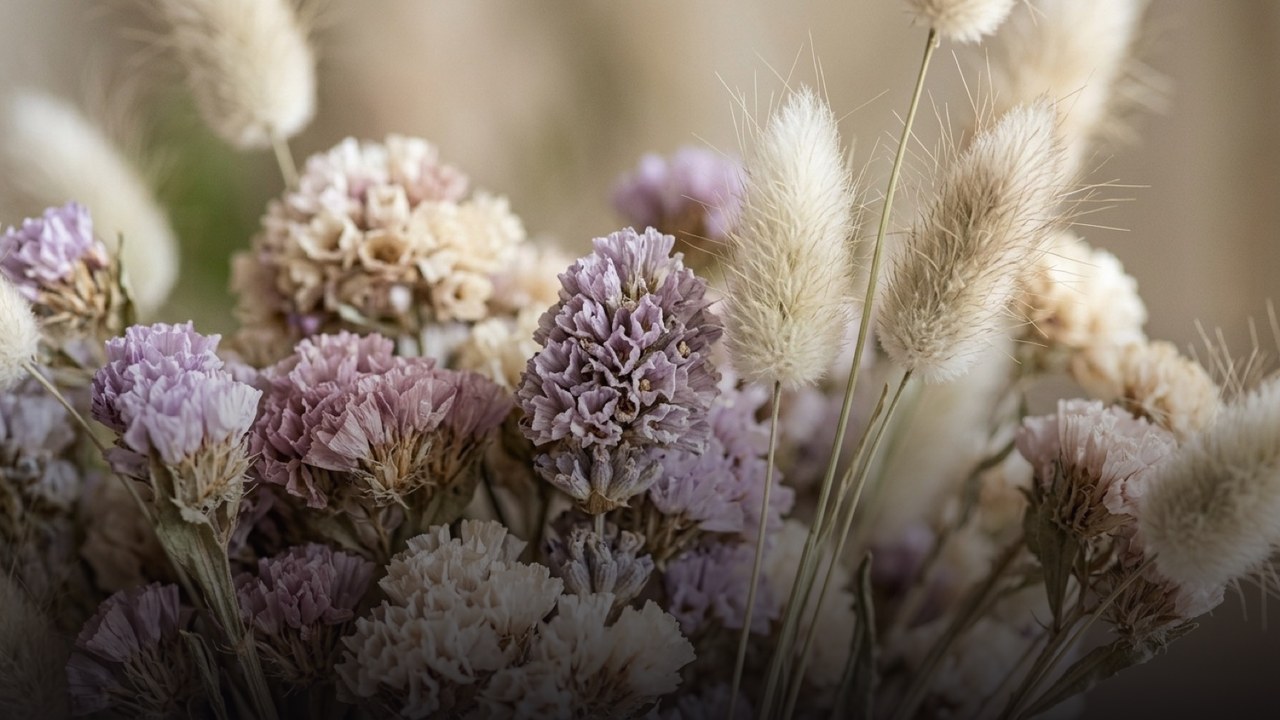
Lisianthus meaning is most often associated with appreciation, gratitude and lasting affection. Also called eustoma, this flower makes a thoughtful choice when you want to say thank you, express tenderness or recognise a relationship that matters to you. These associations are conventions of flower giving, so your message should make the personal meaning clear.
Its softly folded petals can look romantic, but lisianthus does not have to carry a declaration of love. You can give it to a partner, parent, friend or colleague by choosing a suitable colour and card text. The useful question is what you want the recipient to understand: appreciation for their help, affection across a distance or a simple wish to brighten their day.
What lisianthus symbolises, and how to make it personal
Appreciation is a useful starting point for understanding lisianthus symbolism. A bouquet can acknowledge patient support, a generous welcome or the quiet effort someone puts into caring for others. If you are thanking a person for something specific, name it in the card: “Thank you for looking after Mum while I was away” says much more than an unexplained bunch of flowers.
Lisianthus is also associated with enduring affection and commitment, which makes it suitable for anniversaries and gifts between close friends. That does not mean every bouquet implies a lifelong promise. The occasion, your relationship and the words you include all shape how the flowers are received; symbolism gives you a starting point rather than a fixed translation.
Eustoma and lisianthus are names you will encounter for the same flower in bouquet descriptions. You do not need to choose between them as if they expressed different sentiments. If you want more detail about the names and the flower itself, read our guide to eustoma flowers, care and vase life.
Choosing a colour without relying on a secret flower code
White lisianthus often suggests simplicity, sincerity and elegance. It can suit a restrained thank-you gift or a celebration with a pale colour scheme. However, white flowers can also carry associations with mourning, depending on the recipient's customs and the context. For a celebration, mention the occasion clearly and consider the recipient's preferences before choosing an entirely white bouquet.
Pink is a useful choice for warmth, fondness and gentle romance. It works for a parent or close friend as well as a partner, especially when the card explains your intention. Purple can give a bouquet a richer, more formal appearance and is sometimes associated with admiration. Neither colour establishes the nature of your relationship on its own.
Green lisianthus can add a fresh, understated note, while mixed colours help you build a gift around someone's taste. Treat colour meanings as optional guidance: there is no universal code that every recipient will recognise. If you know they love purple or dislike pink, that knowledge is more useful than a symbolic interpretation found online.
Bouquets we can deliver




When to give lisianthus, and what to write on the card
For a thank-you bouquet, connect the flowers to the action you appreciate. “Your help made a difficult week easier” is clear and personal without sounding formal. For a birthday, move the focus to the recipient: “Wishing you a lovely birthday and plenty of time for the things you enjoy.” Lisianthus suits both messages because its meaning can express care without demanding a romantic reading.
For an anniversary or a gift to your partner, use words that belong to your relationship. “I still look forward to our evenings together” is more expressive than a list of flower meanings. If you are sending flowers after an argument, include a direct apology where one is needed. A bouquet can accompany that conversation, but it cannot explain what you regret or resolve the issue by itself.
For a colleague, teacher or someone you do not know closely, keep the wording warm and proportionate to the relationship. Consider whether receiving flowers at work would feel comfortable for them. In Russia, bouquets for happy occasions are traditionally given with an odd number of flowers; if you are unsure how that applies to your choice, raise it when agreeing the bouquet details.
How to care for cut lisianthus at home
Start with a clean vase and fresh water. Remove any leaves that would sit below the waterline, then trim the stem ends with a clean, sharp tool before arranging the flowers. Submerged leaves encourage the water to become dirty, while crushed stem ends can make water uptake more difficult. Leave enough space between stems to inspect them and remove damaged material easily.
Place the vase away from direct sun, radiators and draughts, and keep it separate from ripening fruit. Check the water level daily because a full arrangement can use more water than you expect. Refresh the water regularly, washing the vase if you see residue, and follow the label directions if you use cut-flower food rather than guessing the concentration.
Remove faded flowers and leaves as they appear, taking care around the delicate petals and side branches. Some buds may develop after cutting, but tightly closed buds are not certain to open. Vase life varies with the condition of the stems, handling and conditions at home, so use the appearance of the flowers and the cleanliness of the water as your daily guide.
Choosing a bouquet for someone you cannot visit
When you are abroad and the recipient is in Russia, start with their taste and the reason for the gift. Decide whether you want a soft, romantic impression, a restrained thank-you or a colourful birthday arrangement. Browse the bouquets catalogue for a starting point, then explain any preference for lisianthus when discussing your choice; a flower's meaning does not establish its availability.
You can contact a manager on WhatsApp for help choosing a bouquet and agreeing the delivery time, address and card text. A photo of the bouquet before delivery can also be arranged there. Give the occasion and your preferred colours, and mention any important flower preferences so the discussion stays focused on what the recipient would enjoy.
A card with your text is free, and delivery is anonymous by default: the courier does not name the sender. If you want the recipient to know the gift is from you, sign the card explicitly. This is especially useful when you live abroad, since the recipient may otherwise have several possible senders in mind. Keep the message self-contained rather than relying on the courier to explain it.
Arranging delivery to Russia: timing, cost and checkout
We deliver flowers across Russia. City delivery costs 500 RUB; for remote districts and suburbs, the operator confirms the price when confirming the order. Express delivery in large cities takes 1–2 hours after the order is confirmed. Count that interval from confirmation when planning your gift, and check the available arrangement for the destination before building the occasion around a particular arrival time.
You can arrange delivery at an exact time with a margin of plus or minus 30 minutes, or choose a window: 09–12, 12–15, 15–18 or 18–21. Pre-orders can be placed 1–30 days ahead. When ordering from another country, state the intended date and recipient's city clearly, and agree the delivery time for that destination to avoid confusion between your time zone and theirs.
The courier calls the recipient about 15 minutes before arrival. If they are absent, we agree a second delivery that day or a handover to a neighbour or concierge with your consent. Online checkout uses CloudPayments; check the payment options displayed there, as acceptance of every foreign card is not guaranteed. See delivery and payment when preparing your order.
Frequently asked questions
What does lisianthus mean as a gift?
Lisianthus is commonly associated with appreciation, gratitude and lasting affection. A short card naming the occasion or the reason for your thanks makes the gift's meaning clearer.
Are lisianthus and eustoma the same flower?
Yes, both names are used for the same flower in floristry. Seeing eustoma in a bouquet description does not indicate a different symbolic meaning.
Is lisianthus a romantic flower?
It can be, particularly when given to a partner with an affectionate message. It is also suitable for friends, relatives and thank-you gifts, so the relationship and card text matter.
What does white lisianthus symbolise?
White lisianthus is often associated with sincerity, simplicity and elegance. White flowers can also have mourning associations in some contexts, so consider the occasion and the recipient's customs.
Can I order flowers to Russia while living abroad?
You can arrange delivery to a recipient in Russia and agree the bouquet, address, timing and card text with a manager. Checkout uses CloudPayments; check the displayed payment options without assuming that every foreign card will be accepted.
Ready to send flowers?
Pick the city, choose the bouquet, and a local florist takes it from there.
Choose a city →