Your Bouquet Can Last Much Longer — Here Is What Actually Helps
The flower food sachet that came with your bouquet ran out on day two, or it never arrived at all. Now you are standing at the kitchen counter wondering whether the old tricks your grandmother swore by — a copper coin, a spoonful of sugar, a crushed aspirin — are real science or just folklore. Some of them genuinely work. Some make things worse. A few depend entirely on what flowers you have in the vase. This article walks through each method the way a florist would explain it to a customer picking up roses on a Friday afternoon: honestly, specifically, and with enough detail to actually make a difference.
Why Flowers Die Faster Than They Should
Before any additive makes sense, it helps to understand what is happening inside the stems. Cut flowers are still alive. They are still drawing water, still respiring, still trying to open their buds. The problem is that the moment a stem is cut, bacteria begin colonising the wound and the water in the vase. Those bacteria multiply quickly, forming a biofilm that blocks the tiny vessels — called xylem — through which water travels up into the petals and leaves. Once that pathway is blocked, the flower wilts even if it is sitting in a full vase. Temperature accelerates bacterial growth dramatically. A vase sitting near a radiator or on a sunny windowsill can turn clean tap water into a cloudy bacterial soup within twenty-four hours. Ethylene gas, which is released by ripening fruit and by the flowers themselves, speeds up ageing at the cellular level. This is why keeping flowers away from a fruit bowl is not a decorating suggestion — it is basic preservation. Most commercial flower food sachets address three things at once: they lower the pH of the water to slow bacterial growth, they add a small amount of sugar as an energy source, and they include a biocide to kill existing bacteria. Any household substitute needs to do at least two of those three things to be genuinely effective. Knowing this framework makes it much easier to evaluate every tip you will read below with clear eyes.
Bouquets we can deliver


Sugar: The Energy Source That Can Backfire
Sugar is the most intuitive household additive because flowers do use carbohydrates for energy. After cutting, a stem can no longer photosynthesise efficiently, so a small external sugar source can help buds continue opening and petals hold their colour longer. The dose matters enormously. One teaspoon of white granulated sugar per litre of water is a reasonable starting point for most mixed bouquets. Roses, lisianthus, and alstroemeria respond well to a light sugar solution. Chrysanthemums and carnations are less sensitive and manage without it. The danger with sugar is that it also feeds bacteria. If you add sugar without also lowering the bacterial load in the water, you are essentially fertilising the very organisms that are blocking the stems. This is why sugar alone, without any antimicrobial element, often produces disappointing results after the first day or two — the water turns murky and smells sour. The solution is to pair sugar with one of the antimicrobial options described in later sections, or to change the water every single day when using a sugar solution. Daily water changes are genuinely effective but require commitment. If you know you will forget, a lower sugar dose with a small amount of aspirin is more forgiving. Avoid brown sugar, honey, or any sweetener with strong flavour compounds — they introduce additional organic matter that accelerates bacterial growth rather than controlling it. Plain white sugar, used lightly and combined with clean practices, is a legitimate tool.
Aspirin: The pH Trick That Florists Actually Respect
Crushed aspirin — standard acetylsalicylic acid, the kind sold in any pharmacy — lowers the pH of vase water, making it slightly acidic. This matters because bacteria prefer a neutral to mildly alkaline environment. Acidic water also travels up the xylem more efficiently, meaning stems absorb moisture faster and the flowers hydrate more completely. One regular aspirin tablet, around 300 to 500 milligrams, crushed and dissolved per litre of water is the right proportion. More than that and you risk damaging the cellular tissue in softer stems like tulips or ranunculus. The effect is subtle but measurable over a three-to-five day period compared to plain tap water. Aspirin works particularly well in cities where tap water is naturally alkaline. Saint Petersburg tap water, for example, tends to be on the softer and slightly acidic side, which means the benefit of aspirin is more modest there than in regions with hard, alkaline water. If you live somewhere with noticeably hard water — water that leaves limescale on your kettle — aspirin is one of the most practical household interventions available. Aspirin does not provide any nutritional benefit to the flower, so combining it with a small amount of sugar gives you both the antimicrobial pH effect and an energy source. This two-ingredient combination is the closest a household remedy gets to replicating commercial flower food. Dissolve both in a small amount of warm water before adding to the vase so nothing settles undissolved at the bottom.
Vodka and Bleach: The Antimicrobial Options
Vodka works as a vase additive because alcohol is antimicrobial. A small amount — roughly one tablespoon per litre — inhibits bacterial growth without immediately harming the flower tissue. The key word is small. Alcohol at higher concentrations is toxic to plant cells and will cause wilting far faster than bacteria would. One tablespoon is genuinely the ceiling. Plain, unflavoured vodka is the right choice. Flavoured varieties contain sugars and other compounds that introduce more variables than you want. In Russia, vodka is a genuinely common household item, so this is a practical suggestion rather than a novelty. The effect is real but mild — think of it as a light disinfectant rather than a preservative. Household bleach is a more powerful antimicrobial option and is used in professional cold-storage facilities in very dilute concentrations. A quarter teaspoon per four litres of water is the standard dilution. This sounds alarming but at that concentration it is effective against bacteria without visibly harming most flowers. Roses, gerbera, and sunflowers tolerate it well. Delicate flowers like sweet peas or anemones are more sensitive and can show bleached edges on petals at even modest concentrations. If you go the bleach route, measure carefully and change the water every two days using a fresh dilution each time. Both vodka and bleach are most effective when the vase itself is clean. A vase with old biofilm on the glass will recontaminate fresh water within hours regardless of what additive you use. Scrub the vase with a bottle brush before filling it.
Copper Coins: Folklore With a Kernel of Truth
Dropping a copper coin into a vase is one of the oldest flower preservation tips in circulation. The science behind it is real, even if the effect is modest. Copper ions are naturally antimicrobial — they disrupt bacterial cell membranes and slow reproduction. This property has been used in agriculture and water treatment for centuries. The problem is that modern coins in most countries, including Russia, contain very little actual copper. A one-ruble or two-ruble coin is primarily steel with a thin copper-nickel alloy coating. The copper content is low enough that the antimicrobial effect is minimal. Older coins, genuinely high in copper content, work better — but sourcing them for a vase feels impractical for most people. If you happen to have older coins or a small piece of copper pipe fitting from a hardware project, those will release more ions into the water. A two-centimetre piece of copper pipe in a litre of water is a more effective version of the coin trick. The effect builds over the first twenty-four hours as the copper slowly dissolves. This is not a fast-acting intervention, so it works best as a preventive measure added from the start rather than a rescue treatment on day four when the water is already compromised. Combine a copper element with a light sugar solution and you have a surprisingly effective two-part system. Think of the copper as handling the bacterial side while the sugar supports the flower's energy needs. Neither element is doing the whole job alone.
The Practices That Matter More Than Any Additive
Every additive in this article becomes significantly more effective when paired with good basic practices, and those practices alone will extend vase life more reliably than any single ingredient. Recutting stems is the most important step. Use a sharp knife — not scissors, which crush the xylem — and cut at a forty-five-degree angle under running water or submerged in a bowl. This prevents an air bubble from forming at the cut end before the stem reaches the water. Remove any leaves that sit below the waterline. Submerged leaves decompose quickly and dramatically accelerate bacterial growth. Even one yellowing leaf in the water can shorten the life of the entire bouquet by a day or more. Temperature is the factor most people underestimate. Flowers last longest between twelve and sixteen degrees Celsius. A cool hallway or a north-facing room is genuinely better than a warm living room, regardless of how beautiful the bouquet looks on the coffee table. If you want the flowers on display during the day, move them somewhere cooler at night. Professional cold storage runs at four to six degrees, which is why flowers at a florist look so fresh. You cannot replicate that at home, but a few degrees of difference still matters. Change the water every two days, rinse the vase each time, and recut the stems by one centimetre with each water change. This alone — no additives at all — will keep most bouquets looking good for seven to ten days. Additives are the refinement on top of this foundation, not a substitute for it.
Matching the Method to the Flowers in Your Vase
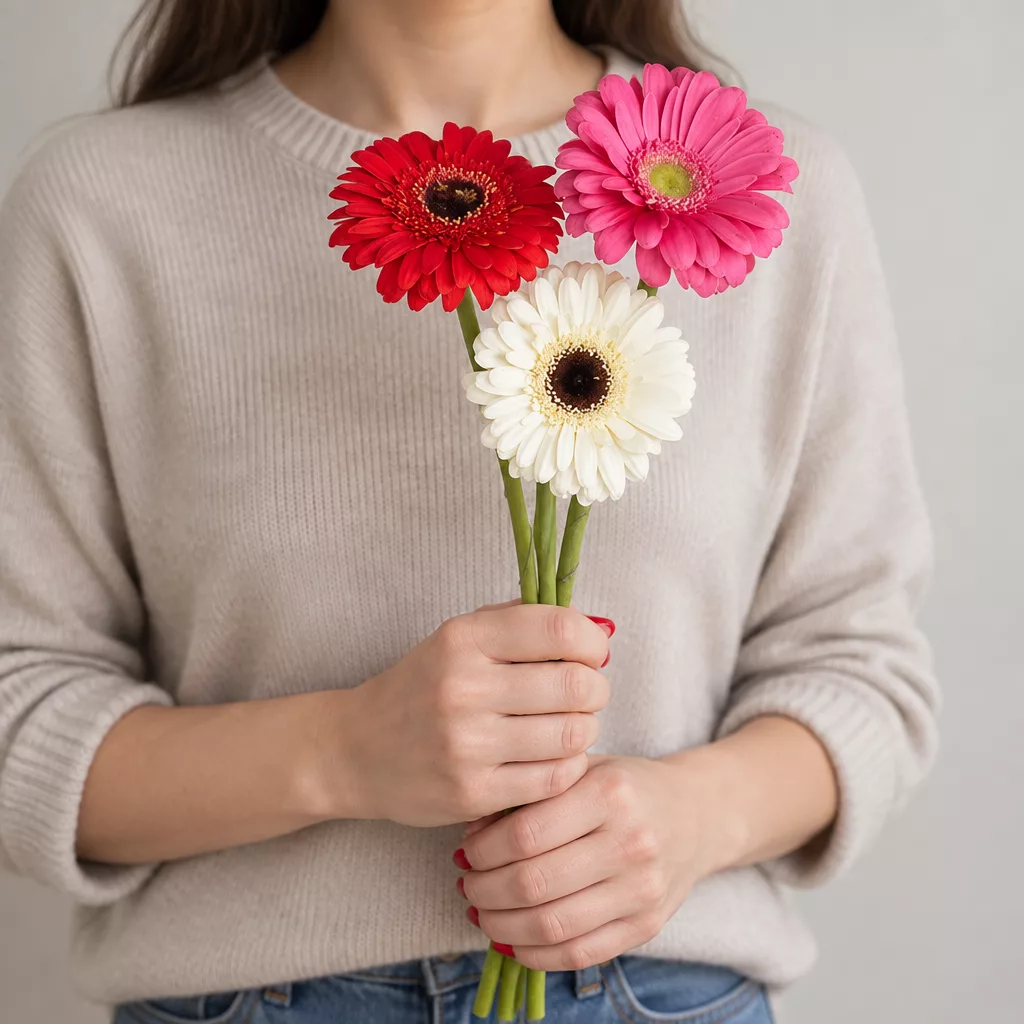
Not every flower responds to additives the same way, and a mixed bouquet means you are always compromising toward the most sensitive variety in the arrangement. Roses are the most forgiving and respond well to the aspirin-and-sugar combination. They tolerate mild bleach solutions and benefit clearly from recutting every two days. Tulips are unusual because they continue growing after cutting — sometimes by several centimetres — and they drink a large volume of water. Keep tulip water plain and very clean, change it daily, and avoid sugar, which can make tulip stems go soft. Gerbera are prone to stem rot at the waterline. Keep gerbera stems short in a shallow vase with just a few centimetres of clean water rather than a full vase. This reduces the length of stem exposed to bacterial activity. Lisianthus and alstroemeria are long-lasting by nature and benefit from sugar but need clean water to avoid the bacterial overgrowth that sugar encourages. Peonies and hydrangeas are heavy drinkers and wilt dramatically when under-hydrated. For these, the priority is maximum water uptake — fresh cuts, clean water, and a mild aspirin solution to improve absorption. Carnations are genuinely tough and will outlast most other flowers with minimal intervention. If your bouquet contains carnations alongside more delicate varieties, the carnations will likely outlast everything else regardless of what you put in the water. Focus your care routine on the most vulnerable flowers in the arrangement — usually the largest-headed blooms — and the whole bouquet benefits.
Fresh flowers are a living thing you are hosting in your home for a week or two, and they respond to attention in very direct ways. The household methods here — sugar for energy, aspirin for pH, a touch of vodka or dilute bleach for bacteria, a copper element as a slow antimicrobial — are not magic, but they are grounded in the same science that commercial flower food is built on. Used together, in the right doses, combined with clean practices and cooler temperatures, they genuinely extend what your bouquet can do. The biggest shift is thinking of vase care as a daily two-minute habit rather than a one-time setup. Recut, rinse, refill — and the flowers you received will still look like themselves a week later. We deliver bouquets across Russia in 1–2 hours.
Frequently asked questions
Can I use lemon juice instead of aspirin to lower the pH of vase water?
Yes, a few drops of lemon juice will acidify the water in a similar way to aspirin. Use roughly half a teaspoon per litre. The effect is genuine but lemon juice also introduces sugars and organic compounds that can encourage bacterial growth, so change the water more frequently — every day if possible — when using it.
How often should I change the water if I am using a sugar solution?
Every day, without exception. Sugar feeds bacteria as effectively as it feeds the flower, so the water turns cloudy and smells sour faster than plain water would. Rinse the vase, recut the stems by a centimetre, and make a fresh solution each time. Skipping even one day with a sugar solution noticeably accelerates decline.
My tulips are drooping even though the vase is full of water — what is happening?
Tulips droop for two main reasons: an air bubble blocking the stem, or ethylene exposure from nearby fruit. Recut the stems at a sharp angle under water and move the vase away from any fruit bowl. Tulips also prefer cooler temperatures than most rooms offer, so a hallway or cool corner helps significantly.
Does the type of vase material affect how long flowers last?
Glass and ceramic vases are easiest to keep bacteria-free because they can be scrubbed thoroughly. Metal vases can react with acidic water additives and may release compounds that harm stems. Plastic vases are fine if cleaned well. Whatever the material, a clean vase matters far more than which household additive you choose.
Is it better to keep flowers in a warm room so they open faster, or in a cool room so they last longer?
Cool is always better for longevity. Warmth does accelerate opening but also shortens the total lifespan of the flower considerably. If you want blooms to open for a specific occasion, move them somewhere warmer for a few hours beforehand, then return them to a cool spot to extend their display life afterward.
Ready to send flowers?
Pick the city, choose the bouquet, and a local florist takes it from there.
Choose a city →