March 8 Corporate Orders: Planning Ahead for the Office Rush
International Women's Day on March 8 is not a quiet holiday in Russia — it is the single busiest flower day of the year, bigger than Valentine's Day by a wide margin. For an office manager or HR coordinator, that means you are not just buying a bouquet; you are coordinating a small logistics operation while also running a normal workday. The good news is that with the right lead time and a clear brief, the day can feel generous and effortless for every woman in your company. This article walks you through exactly how to make that happen.
Why March 8 Feels Different From Any Other Corporate Gift
In Russian workplace culture, International Women's Day carries genuine emotional weight. It is not a token gesture — women expect to be acknowledged, and colleagues notice when the effort is real. A wilted bunch left on a desk by mid-afternoon sends a message nobody intends. The standard in most offices is a fresh bouquet handed to each woman personally, often accompanied by a short word from a manager. Some companies add a small gift alongside the flowers, but the flowers themselves remain the centrepiece. This means the pressure on the floral order is higher than for almost any other corporate occasion.
The scale also changes everything. Ordering five bouquets is a shopping task. Ordering fifty or a hundred and fifty is a supply chain decision. Varieties that look beautiful in small numbers can become visually repetitive at scale, and stems that hold perfectly in a cool stockroom can wilt quickly in a warm open-plan office. Understanding these dynamics before you place the order saves you from the most common mistakes HR teams make every year. The goal is for every recipient to feel that her bouquet was chosen with care, even when it was one of many.
Bouquets we can deliver


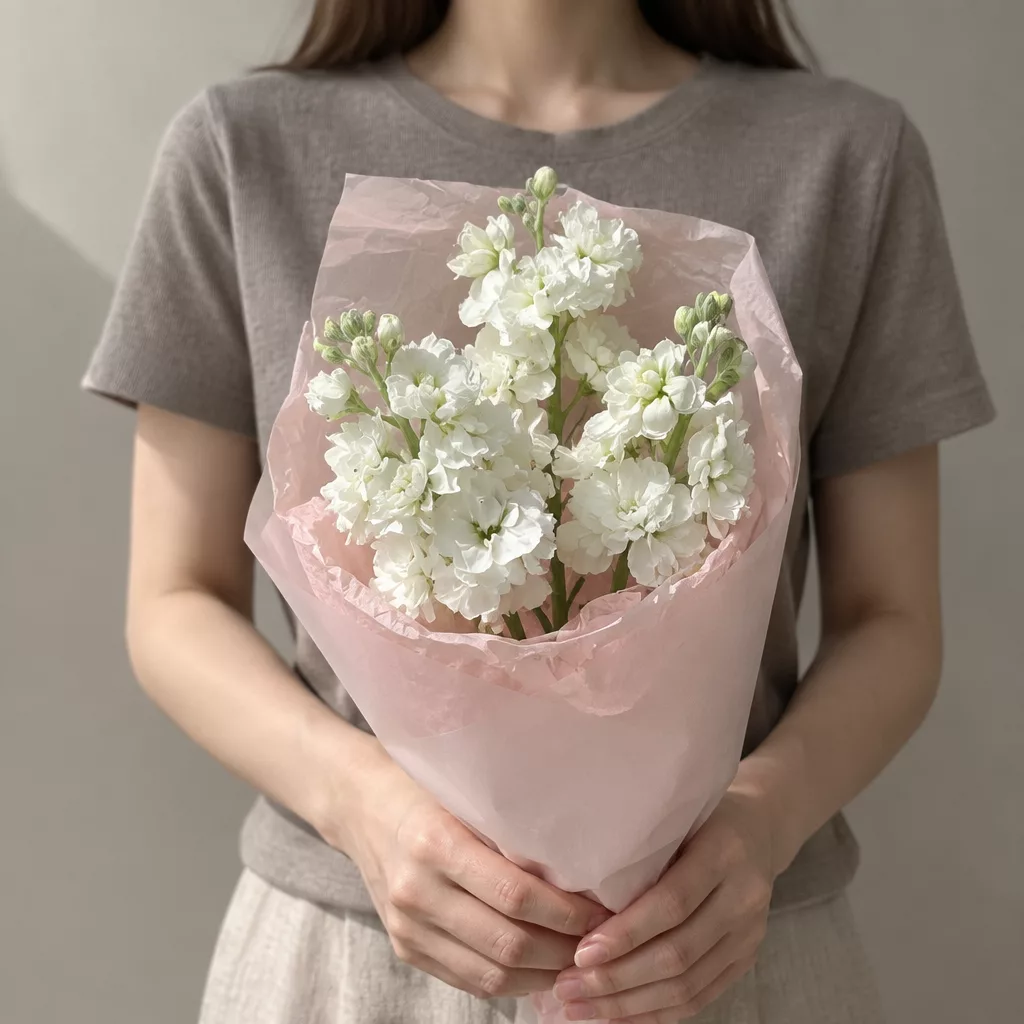
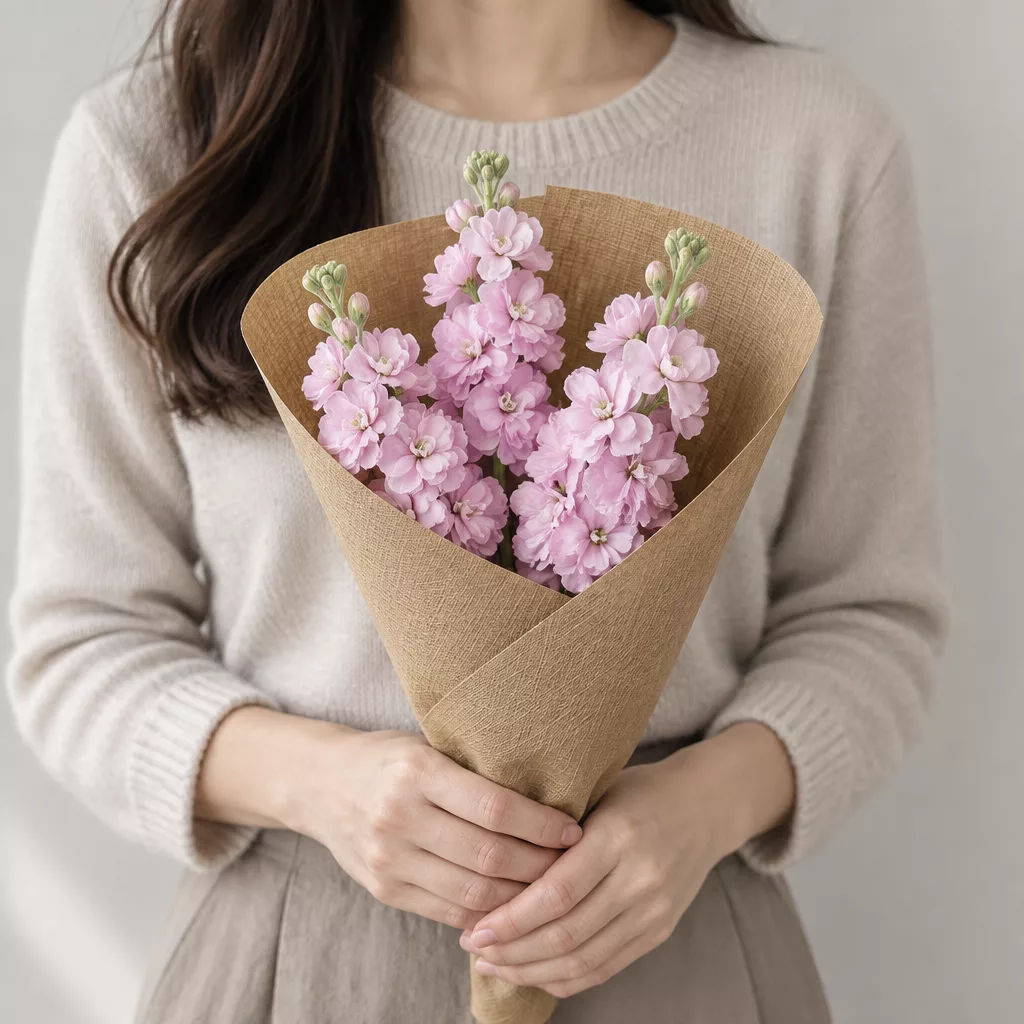
Choosing the Right Flowers for a Large Team
When you are buying for a diverse group of women of different ages and tastes, the safest strategy is to anchor the order around flowers with broad, cross-generational appeal. Spray roses in soft peach or cream tones work well at scale because they read as both classic and fresh. Single-variety tulip bouquets in white or pale pink are another strong choice — they feel light, seasonal, and unmistakably spring. Alstroemeria in blush tones is underrated for corporate orders because it is extremely long-lasting and survives a warm office far better than many alternatives.
Mixing varieties within one bouquet is possible but adds complexity to a large order. If you want variety across the office rather than within each bouquet, consider ordering two or three distinct styles and rotating them across departments. For example, one group receives white tulips with eucalyptus, another receives spray roses with waxflower, and a third receives a mixed seasonal arrangement. This approach creates visual variety without requiring custom work on every single stem. Avoid very delicate flowers such as sweet peas or anemones for mass orders — they are beautiful but fragile, and they do not tolerate handling at volume or sitting in a warm reception area for two hours.
Lead Times: When You Actually Need to Place the Order
The single most common mistake corporate clients make is treating March 8 like a regular delivery day and placing the order on March 7. By that point, the most popular varieties are already allocated to earlier orders, and your options narrow significantly. For orders of twenty bouquets or more, placing your order at least five to seven days before March 8 gives the best results. This allows time to confirm quantities, agree on packaging, and ensure the right stems are sourced fresh rather than pulled from whatever remains.
For very large orders — above one hundred bouquets — a lead time of ten to fourteen days is genuinely preferable. It is not about bureaucracy; it is about flowers. Roses and tulips at that volume need to be ordered from the supply chain in advance, conditioned properly, and prepared in stages so that the last bouquet assembled is as fresh as the first. If your company has a fixed headcount that changes little year to year, the simplest habit is to set a calendar reminder for February 20 and treat that as your order deadline. The cost of ordering early is zero. The cost of ordering late is either a compromised product or a very stressful afternoon on March 7.
Quantities and Counting: Getting the Numbers Right
Undercounting is the nightmare scenario on March 8. Running out of bouquets with three women still waiting is far more damaging to morale than having two extras at the end of the day. When you submit your headcount, add a buffer of five to ten percent above your confirmed number. Staff absences are unpredictable, but so are last-minute additions — a contractor who has been in the office all week, a visiting colleague from another city, or a manager who forgot to include her assistant on the list.
Also think carefully about who is included. In Russian offices, the convention is to give flowers to all women regardless of seniority, from the CEO to the cleaning staff. Skipping anyone creates an awkward moment that people remember. If your office has women working shifts or remote employees, decide in advance whether you are delivering to home addresses or holding their bouquets for the next time they come in. Bouquets held overnight should be kept in a cool place — ideally between five and ten degrees Celsius — with stems in water. A warm storage room overnight will reduce vase life noticeably, so plan the storage location before the flowers arrive.
Delivery Logistics for the Office Environment
A single delivery window works best for most offices. Receiving fifty bouquets in three separate batches across a morning creates confusion and means the first batch sits unattended while the rest arrive. When you place your order, specify a single arrival time and make sure someone is physically present to receive the delivery and count the items. That person should have the final headcount list and ideally know which bouquets are earmarked for which department or floor.
Think about the physical space too. Fifty bouquets need somewhere to sit before distribution, and a narrow reception desk is not that place. A conference room or a cleared section of the kitchen works well. If your office building has a security check-in process for deliveries, notify building management in advance — on March 8, every building in the city is receiving flower deliveries, and a slow security process can delay your order by forty minutes even after it has arrived at the door. Confirm the delivery address, the floor, the contact name, and a working phone number when you place the order. A missed call at the entrance on a busy morning is a preventable problem.
Packaging and Presentation That Reads as Thoughtful
At scale, packaging choices matter more than they do for individual orders. Uniform wrapping across all bouquets creates a cohesive, intentional look — it signals that the company organised this properly rather than grabbing whatever was available. Kraft paper with a ribbon in your brand colour, or simple white wrapping with a coordinated tie, works well for most corporate contexts. Avoid very elaborate packaging that adds bulk, because it makes a stack of fifty bouquets almost impossible to transport and distribute cleanly.
Personalisation is where corporate orders can genuinely stand out. Even a small card attached to each bouquet with the recipient's name on it transforms the experience from a bulk gift into a personal one. You do not need individual messages — just a name is enough. If you can provide a list of recipient names with the order, cards can be prepared in advance and attached before delivery. For senior recipients or long-serving staff, some HR teams choose a slightly larger or more elaborate bouquet to acknowledge the difference in tenure or role. This is a meaningful gesture when done thoughtfully, but the gap in quality should be subtle rather than obvious — nobody should feel they received the lesser version.
Helping the Flowers Last Through the Workday and Beyond
A fresh bouquet delivered at nine in the morning should still look beautiful when a woman carries it home at six in the evening. That is a nine-hour window in a warm, dry office environment, and it is achievable with the right varieties and a little preparation. Tulips and spray roses handle office conditions well. Gerbera daisies are cheerful but drink water quickly and can droop if left unwrapped without water for more than a few hours. If your distribution will take more than an hour from arrival to the last recipient, keep the bouquets in water during that time.
Include a short care note with each bouquet — something simple explaining that the flowers should be placed in fresh water as soon as possible, that the stem ends should be cut at an angle before going into the vase, and that they will last longest away from direct sunlight and heating vents. Most office workers know the basics, but a written reminder is a small, practical kindness. Flowers kept at room temperature in a vase with clean water will typically last five to seven days depending on the variety. Tulips continue to grow after cutting and will open further over the first two days, which many recipients find delightful rather than alarming if they know to expect it.
March 8 is one of those days where the logistics are invisible when they go right and very visible when they do not. The women in your office will remember the flowers, the moment they were handed over, and how the whole thing felt — not the spreadsheet behind it. Ordering early, counting generously, thinking through delivery and storage, and adding even a small personal touch like a name card are the decisions that make the difference between a forgettable bulk purchase and a gesture that genuinely lands. Start earlier than you think you need to, and the day will take care of itself.
Frequently asked questions
How far in advance should we place a corporate flower order for March 8?
For orders of twenty bouquets or more, aim for five to seven days before March 8. For orders above one hundred bouquets, ten to fourteen days is strongly recommended. Popular varieties like spray roses and tulips get allocated quickly, and placing your order early ensures you receive the freshest stems rather than whatever is left over after smaller orders are fulfilled.
What flowers work best for a large mixed-age group of office colleagues?
Spray roses in peach or cream, white or pale pink tulips, and blush alstroemeria are reliable choices for diverse groups. They have wide appeal, hold up well in warm office environments, and look intentional rather than generic. Avoid very delicate varieties like anemones or sweet peas for large orders, as they are fragile during handling and distribution.
Can we request personalised name cards attached to each bouquet?
Yes, and it is one of the most effective ways to make a mass order feel personal. If you provide a list of recipient names when placing the order, cards can be prepared and attached before delivery. Even without individual messages, a name on each bouquet transforms the experience from a corporate gesture into something that feels genuinely considered by the recipient.
What should we do with bouquets if some recipients are absent on March 8?
Store them in a cool space between five and ten degrees Celsius with stems in water. A warm storage room will shorten vase life noticeably. Tulips and spray roses held correctly overnight will still look fresh the following morning. Avoid leaving bouquets unwrapped in a heated corridor or near a sunny window, as this accelerates wilting significantly.
Is it standard in Russian offices to give flowers to all women, regardless of their role?
Yes, the convention is to include every woman in the office regardless of seniority or job title. Excluding anyone — even unintentionally — creates an awkward dynamic that people notice and remember. When building your headcount, think beyond permanent staff to include contractors, visiting colleagues, and support workers who are regularly present in the office.
Ready to send flowers?
Pick the city, choose the bouquet, and a local florist takes it from there.
Choose a city →