Women's Day in Russia: The Flowers Florists Actually Sell on March 8
If you have ever walked through a Russian city on the morning of March 8th, you already know the feeling: every man on the street is carrying flowers, metro cars smell like a greenhouse, and florists have been awake since three in the morning. International Women's Day is not a quiet holiday here. It is the single largest flower-buying event of the entire year, bigger than Valentine's Day, bigger than New Year, bigger than any wedding season. At Turboflora we watch this happen every year from the inside, and we want to share what that actually looks like — which flowers move, which ones disappoint, when things go wrong, and how to get it right whether you are buying for your mother, your colleague, or someone you love.
Why March 8 Is So Different From Any Other Holiday
International Women's Day has been celebrated in Russia since the early Soviet era, and over more than a century it has grown into something with no real equivalent in most Western countries. It is a public holiday, schools and offices close, and the social expectation is clear: every woman in your life — mother, grandmother, wife, girlfriend, sister, colleague, teacher — deserves acknowledgment, and flowers are the primary language of that acknowledgment. This is not sentiment invented by florists. It is a genuine cultural norm that runs across generations and income levels.
The scale shows up in our numbers every year. In the week leading up to March 8, order volume climbs steadily. On March 7th it accelerates sharply. By the evening of March 7th and the early hours of March 8th, we are processing deliveries continuously. The city does not slow down — it speeds up. Couriers move through snow or early spring slush, carrying bouquets to apartments, offices, and suburban homes across Saint Petersburg and beyond.
For a buyer who is unfamiliar with Russian customs, the most important thing to understand is that this holiday is genuinely universal. You are not making a grand romantic gesture by sending flowers — you are participating in a shared ritual that women of all ages expect and appreciate. A bouquet for your grandmother carries exactly as much meaning as one for your partner. Knowing this changes how you think about what to order and when to order it, because you are very likely not the only person sending to the same address.
Bouquets we can deliver
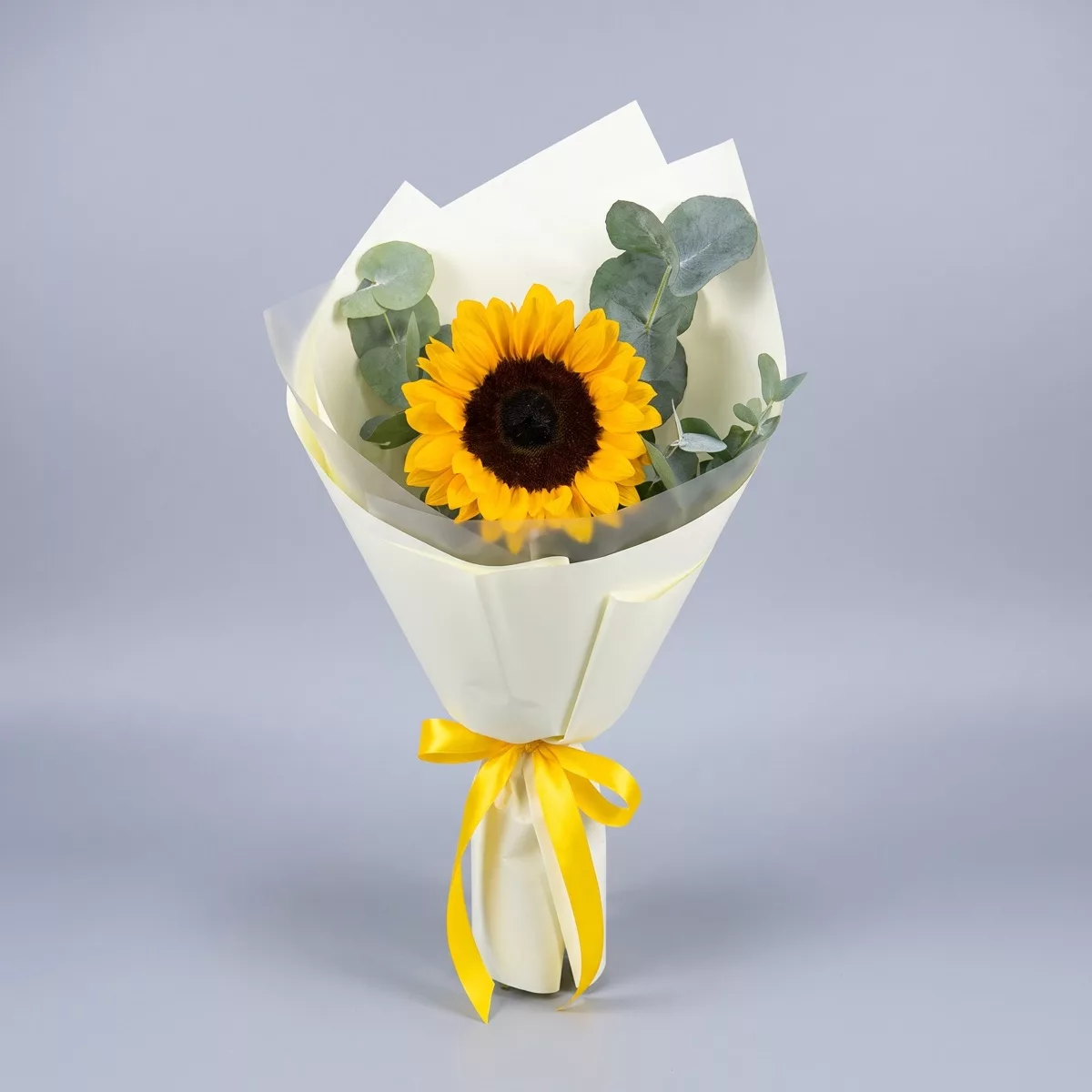
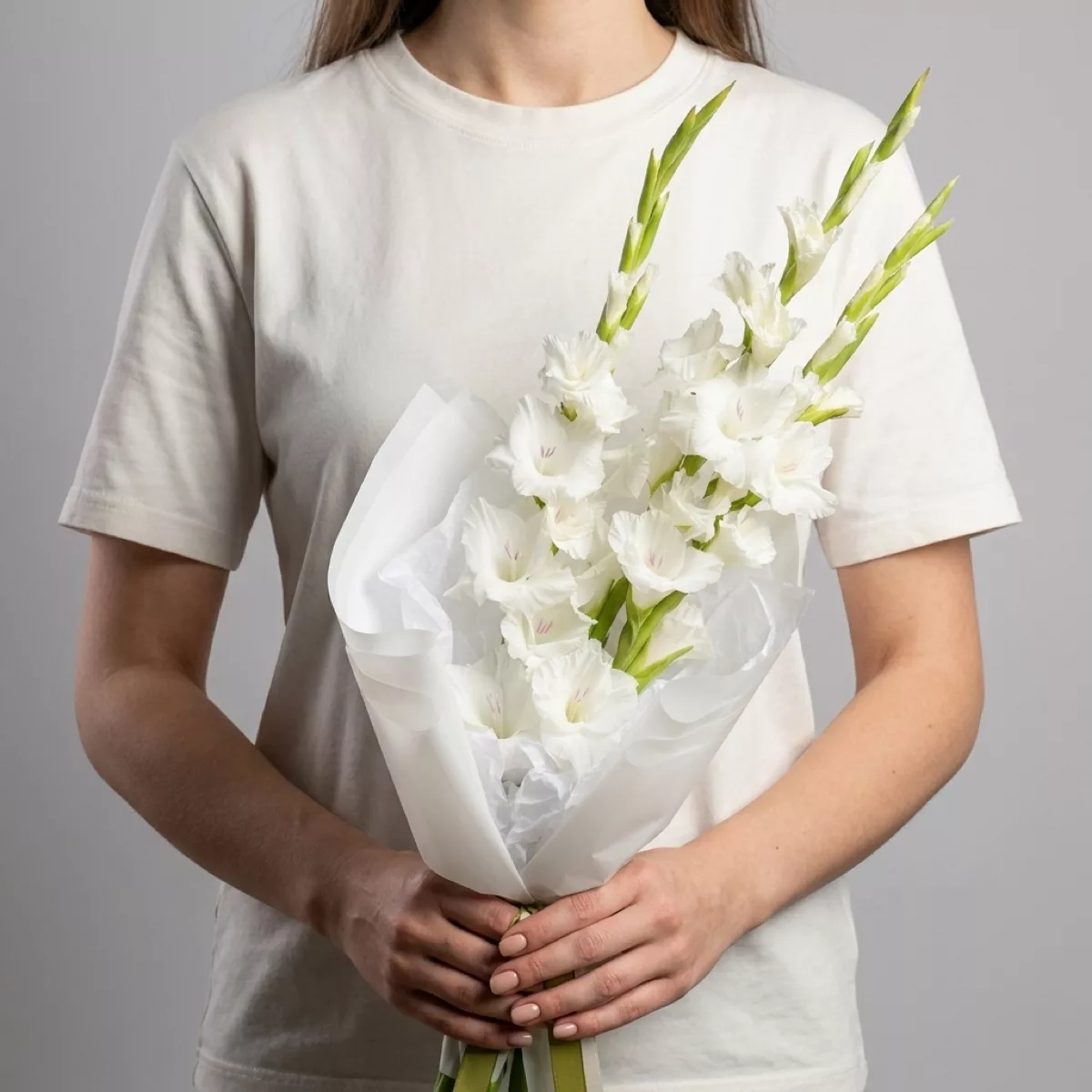
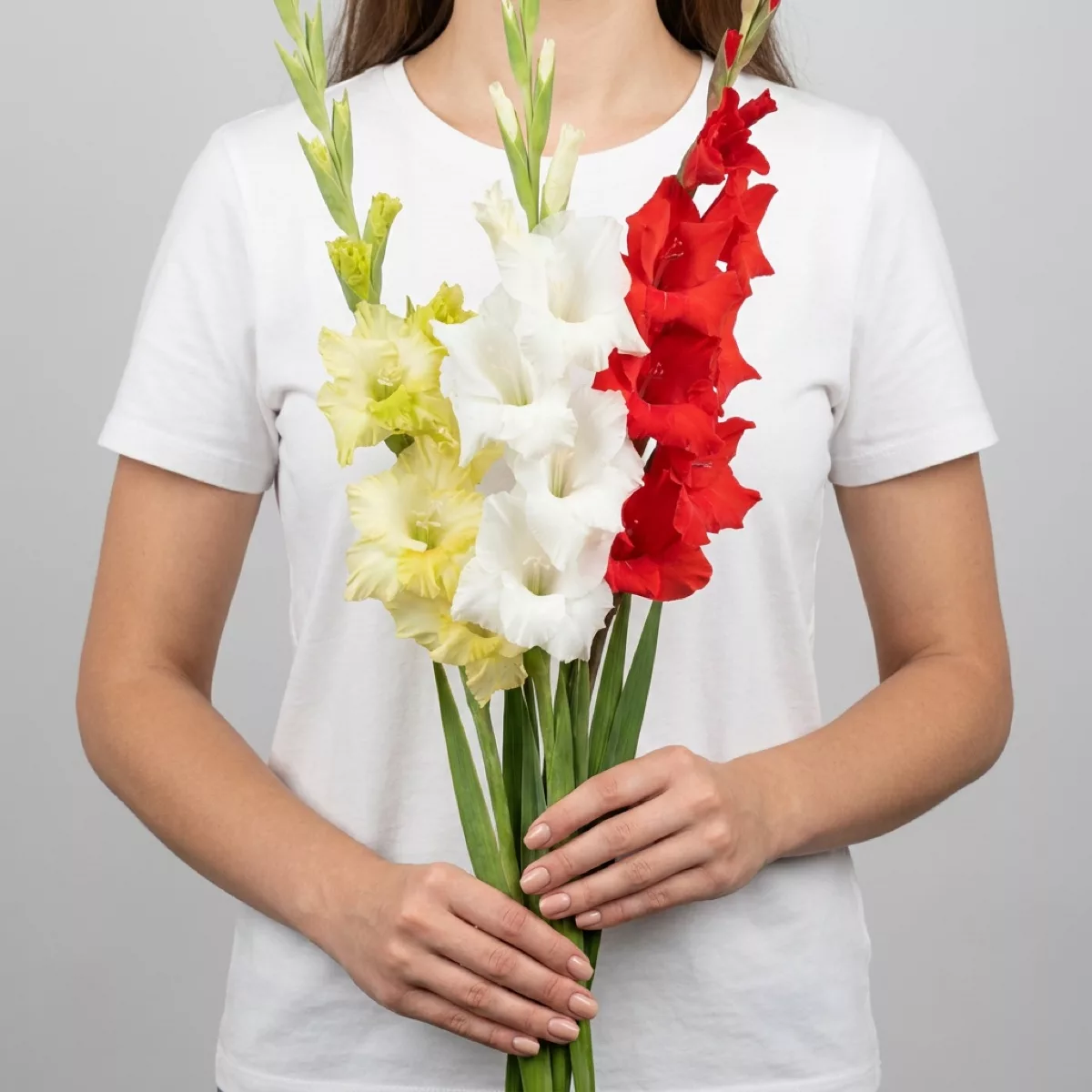
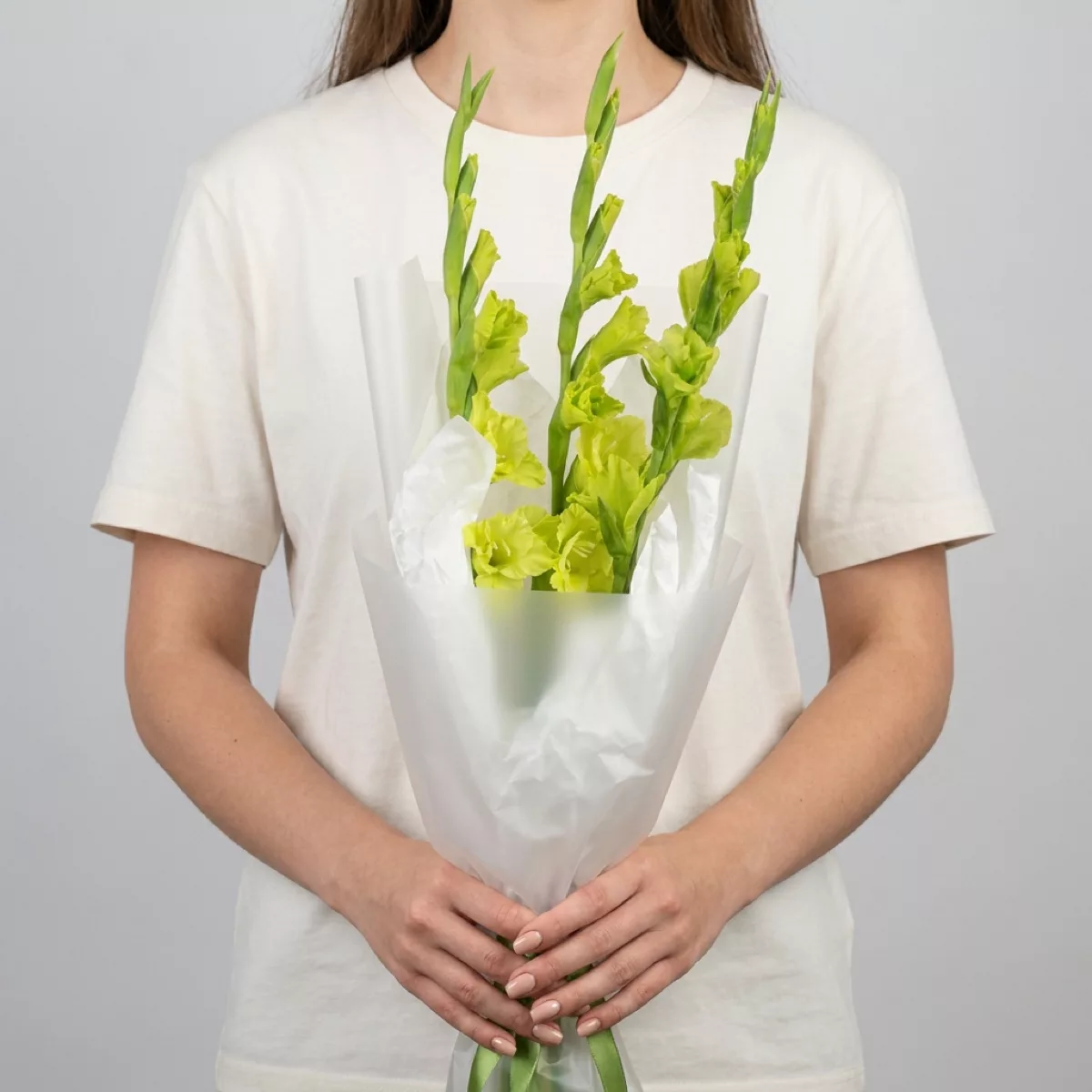
Tulips: The Undisputed Star of March 8
Ask any florist in Russia which flower defines March 8th and the answer is immediate: tulips. No other flower comes close in volume. Tulips arrive in enormous quantities starting in late February, sourced primarily from Dutch growers and supplemented by domestic greenhouse production. The varieties that move fastest are the classic single-flowered types in red, pink, white, and yellow, along with the soft lavender and purple shades that have become increasingly popular over the past several years.
What makes tulips so right for this holiday is a combination of factors. They are unambiguously spring flowers at a time when Russia is still largely frozen, so they carry a symbolic freshness that feels genuinely celebratory. They are also affordable enough to buy in generous quantities, which matters when you are sending to multiple women in your life. A bouquet of fifteen or twenty-five tulips — Russians tend to prefer odd numbers for living recipients — looks abundant and thoughtful without requiring a large budget.
From a florist's perspective, the main challenge with tulips at this time of year is temperature management. Tulips continue to grow after cutting, sometimes adding two to three centimeters in the vase, and they are sensitive to heat. A bouquet left in a warm car for an hour will arrive with blooms blown fully open, which shortens their vase life significantly. We keep our tulips at two to four degrees Celsius right up until the moment of delivery, and our couriers are trained to treat them accordingly. If you are picking up rather than having flowers delivered, keep them out of direct sunlight and away from heating vents on the drive home.
Roses, Mimosa, and Everything Else That Sells
After tulips, roses are the second most popular choice for March 8th, though the gap between first and second is substantial. The varieties that dominate are the large-headed hybrid tea roses in red and pink, along with spray roses in softer tones for arrangements that need more texture. White roses sell particularly well for mothers and grandmothers, where the association is one of purity and deep respect rather than romance.
Mimosa deserves a special mention because it has a specific cultural resonance in Russia that it does not carry in most other countries. The small, bright yellow pom-pom clusters of Acacia dealbata became associated with March 8th during the Soviet period, when imported flowers were scarce and mimosa was one of the few things available in late winter. Today it is still sold widely, often mixed into bouquets rather than given alone, and for older generations it carries a strong nostalgic charge. If you are sending to a woman over sixty, adding mimosa to her bouquet is a gesture that will almost certainly be noticed and appreciated.
Hyacinths are another strong seller in this window, valued for their intense fragrance and their unmistakably spring character. Ranunculus, with their layered petals, have grown in popularity significantly over the past five years and appeal to buyers who want something a step beyond the standard. Gerbera daisies remain a reliable choice for cheerful, informal bouquets. Chrysanthemums, while beautiful, are associated in Russian culture primarily with funerals and are universally avoided for this holiday — a mistake that is easy to make if you are not aware of local custom.
When to Order and Why Timing Is Everything
The single most common mistake buyers make around March 8th is underestimating how early they need to place their order. This is not like ordering flowers on a regular Tuesday in June. Every florist in the city is operating at maximum capacity, and delivery windows fill up quickly. At Turboflora, we strongly recommend placing your order at least two to three days before March 8th if you want to choose a specific delivery time on the day itself.
The most requested window is the morning of March 8th, roughly between eight and noon, when people want flowers to arrive before the family gathers or before the workday begins. That window books out first. If you order on March 7th hoping for a nine o'clock delivery on the 8th, you may find that the earliest available slot is early afternoon. That is still a lovely gift, but it is worth knowing in advance.
For corporate orders — bouquets for an entire office team — the situation is even more time-sensitive. Companies that want to send flowers to twenty or thirty colleagues need to plan at least a week ahead, both to secure the flowers and to arrange a delivery schedule that works logistically. We handle these orders regularly and they run smoothly when planned early.
One more timing note: March 7th evening is itself a significant delivery day. Many people prefer to give flowers the night before so the recipient wakes up to them on the morning of the holiday. This is a perfectly Russian thing to do, and if you are considering it, know that March 7th afternoon and evening slots are nearly as competitive as March 8th morning.
Common Mistakes and How to Avoid Them
Beyond chrysanthemums, there are several other missteps that come up repeatedly in the March 8th rush. The first is ordering too few stems. Russians have a strong cultural preference for generous bouquets. A bunch of five tulips reads as minimal. Eleven, fifteen, or twenty-five is the range where a bouquet starts to feel like a real gift. If budget is a concern, it is better to choose a less expensive flower in greater quantity than to give a small bouquet of something premium.
The second common mistake is ignoring the recipient's taste in favor of what seems safe. Red roses are the default choice for many buyers, but a woman who has a balcony full of plants and a home full of color may be far more delighted by a mixed bouquet of ranunculus and sweet peas than by a dozen red roses. When you place your order and have the option to add a note about the recipient, use it. A good florist uses that information.
The third mistake is leaving the flowers in a warm space too long before they are given. Flowers delivered to an office reception desk and left there for three hours in a heated room will look noticeably less fresh by the time they reach the recipient. If you are sending to a workplace, try to time the delivery to coincide with when the person will actually be there to receive them.
Finally, do not skip the care card. Fresh flowers last significantly longer with proper care: clean water changed every two days, stems trimmed at an angle, kept away from direct sunlight and ripening fruit. A small card with these instructions, included with the bouquet, is something recipients genuinely use.
How to Choose the Right Bouquet for Different People in Your Life
One of the things that makes March 8th genuinely complex for buyers is that they are often sending to multiple women with very different relationships and tastes. The approach that works for a romantic partner is not necessarily right for a mother, and what suits a grandmother may differ from what a young colleague would love.
For a romantic partner, this is a moment where personal knowledge matters most. If she has mentioned a flower she loves, this is the time to remember it. If you are unsure, a bouquet built around garden roses — varieties with a more open, layered look than classic hybrid teas — in soft pinks or peaches tends to read as romantic without being clichéd. Peonies are not yet in season in early March, but ranunculus offer a similar softness.
For mothers and grandmothers, white and cream tones are consistently well-received, as are the warmer yellows and soft pinks. A classic bouquet of white tulips or a mixed arrangement with mimosa and freesia will almost never go wrong. The gesture matters as much as the specific flowers here.
For colleagues and professional contacts, the register should be warm but not intimate. A neat, cheerful bouquet of tulips or gerberas in a single color or simple palette is appropriate. Avoid anything that reads as overly personal or romantic.
For a daughter or younger woman, this is where you can be more playful. Bright colors, interesting textures, and less conventional choices — anemones, lisianthus, or a colorful mixed bouquet — are likely to be appreciated more than a traditional arrangement. Ask her directly if you have the kind of relationship where that feels natural. Most people are happy to tell you what they love.
March 8th in Russia is one of those days when the whole country pauses to say something kind to the women in its life, and flowers are the clearest, most immediate way to do that. The varieties change slightly from year to year, the trends shift, but the core of the holiday stays the same: it is about showing up, being thoughtful, and not leaving it until the last moment. Order early, think about the specific person you are sending to, and trust that a well-chosen bouquet of fresh flowers — delivered at the right time, in good condition — will do exactly what you need it to do.
Frequently asked questions
Is it appropriate to send flowers to a female colleague for March 8th in Russia?
Absolutely, and it is actually expected in most Russian workplaces. Sending flowers to female colleagues on March 8th is a standard professional courtesy, not a personal statement. A neat, cheerful bouquet of tulips or gerberas is perfectly appropriate. Many companies arrange bouquets for their entire female staff as a group gesture from management.
Why do Russians avoid chrysanthemums for March 8th?
In Russian cultural tradition, chrysanthemums are strongly associated with funerals and mourning. Bringing them as a gift on a celebratory occasion like March 8th would be considered very poor taste and would likely upset the recipient. If you are unsure about a flower's cultural associations in Russia, tulips, roses, and ranunculus are always safe choices.
How far in advance should I order flowers for March 8th delivery?
Two to three days ahead is the practical minimum if you want a specific delivery time on March 8th itself. Morning slots, particularly between eight and noon, fill up first and are often fully booked by March 6th. For large corporate orders involving many bouquets, one week in advance is a more realistic target to guarantee availability and smooth logistics.
What is the significance of mimosa flowers on March 8th in Russia?
Mimosa, the small yellow-clustered Acacia dealbata, became iconic during the Soviet era when imported flowers were scarce and mimosa was widely available in late winter. It is now nostalgically tied to the holiday, especially for older generations. Adding mimosa to a bouquet for a woman over fifty or sixty is a culturally resonant gesture that tends to be warmly received.
How should I care for tulips after they are delivered to make them last longer?
Trim the stems at a forty-five degree angle with a clean knife, place them in cool water immediately, and change the water every two days. Keep tulips away from direct sunlight, radiators, and ripening fruit, all of which shorten their life. Tulips continue to grow after cutting, so a vase with some extra depth helps them stay upright as they open over several days.
Ready to send flowers?
Pick the city, choose the bouquet, and a local florist takes it from there.
Choose a city →