Sending Flowers to Moscow or St Petersburg? Get the Postcode Right
You have chosen the bouquet, picked the ribbon colour, and written something honest in the card. Then the order form asks for a postcode and the momentum stalls. Russian postcodes follow a straightforward six-digit system, but finding the exact code for a specific apartment building takes a little knowing. Get it right and your flowers arrive within the promised window. Get it wrong and the courier may be circling the wrong district entirely. This article walks you through the format, the lookup tools, and exactly where the field sits on the Turboflora order form.
Why the Postcode Matters More Than You Might Expect
In Russia, a postcode is not a loose suggestion attached to a city name. It is a precise routing code that tells the delivery system which micro-district, and sometimes which cluster of streets, the address belongs to. Moscow alone uses dozens of distinct codes spread across its administrative districts, and Saint Petersburg is similarly divided. A courier working from a street name and apartment number without the correct postcode can lose fifteen or twenty minutes confirming the location, and in a city where traffic moves unpredictably, that gap can push a delivery outside the one-to-two hour window you ordered against.
For flowers, timing is everything beyond logistics. Peonies that have been sitting in a warm van for an extra half hour open faster than the recipient expects. Ranunculus petals, which are delicate even under ideal conditions, begin to soften at the edges when the delivery runs long. Getting the postcode right is not a bureaucratic formality. It is part of keeping the bouquet in the condition it left the studio in. Think of the correct postcode as the last step in the care chain that begins with the florist cutting stems at an angle under cool water. Every detail in that chain serves the flowers and the person receiving them.
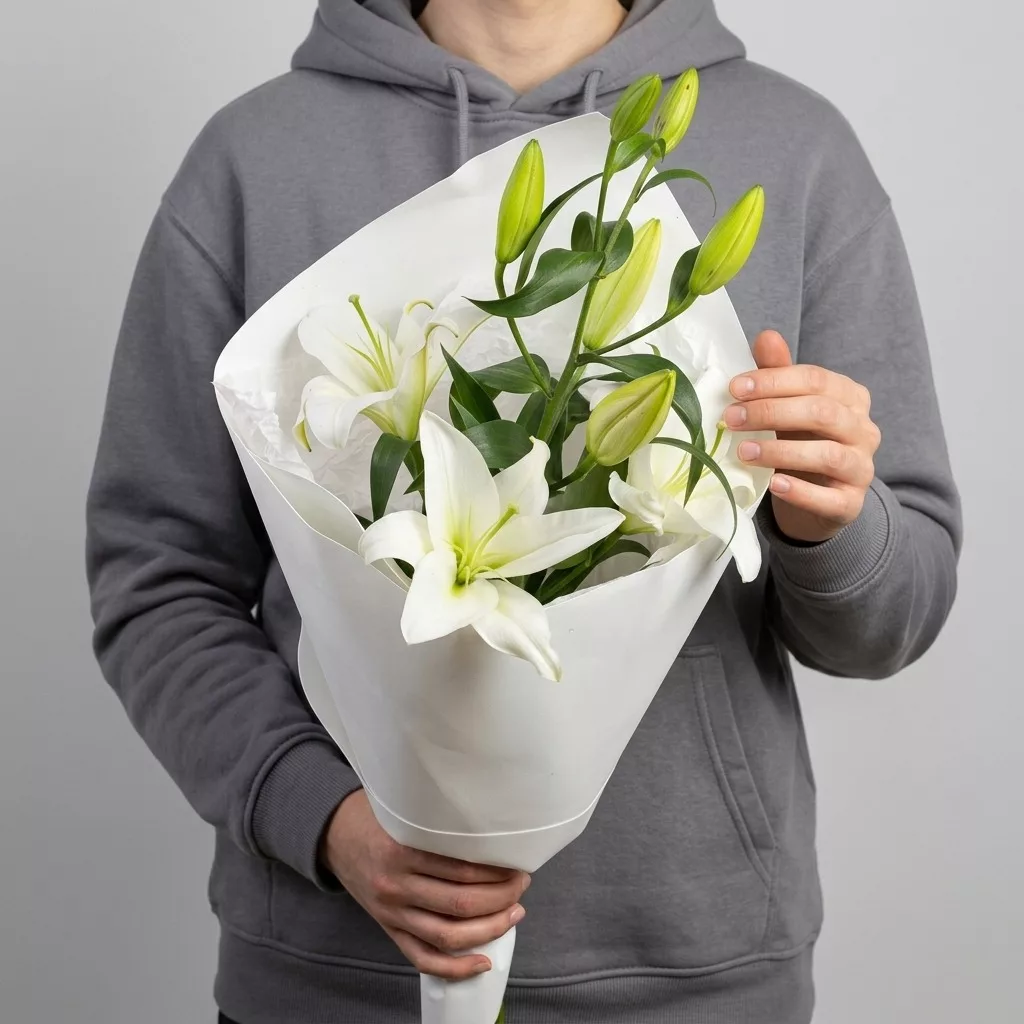
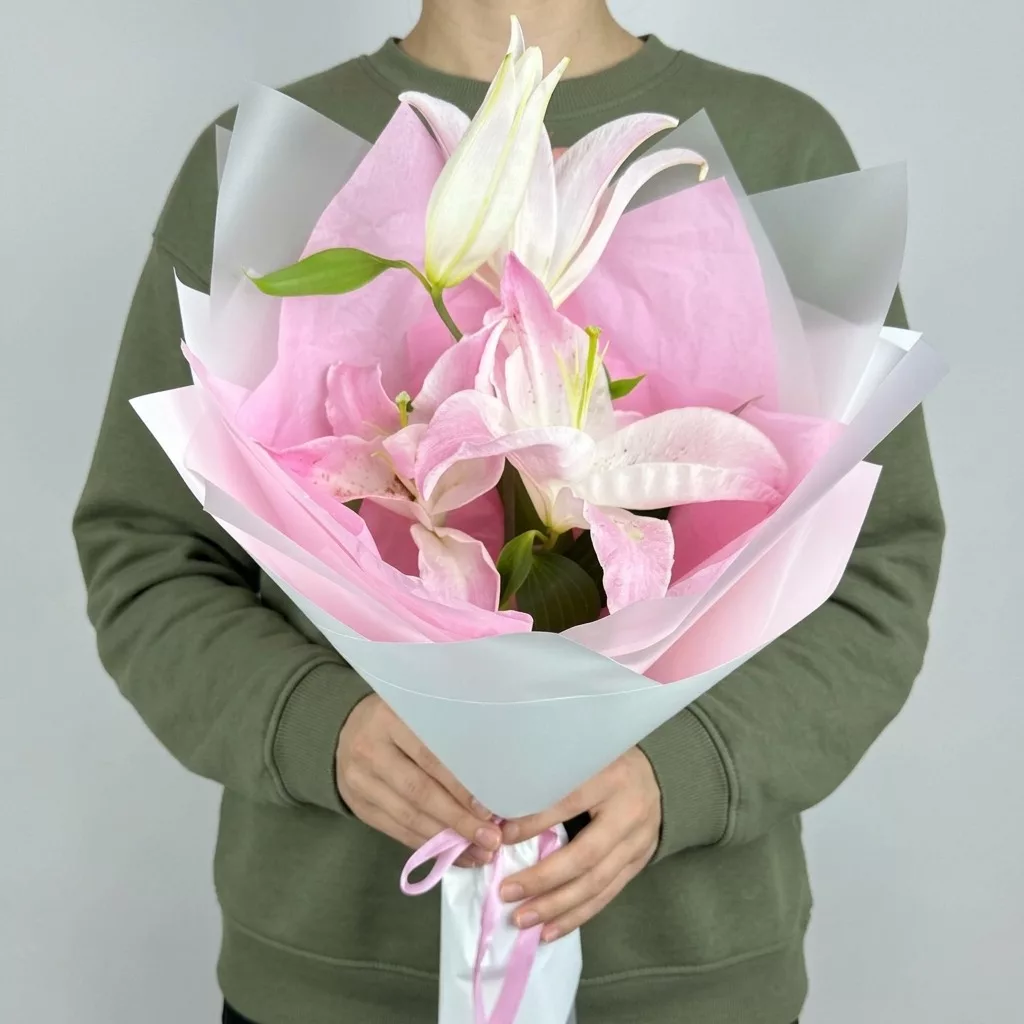
Bouquets we can deliver


The Six-Digit Format Russia Uses Everywhere
Russian postcodes are always exactly six digits. There are no letters, no spaces, and no hyphens. The format looks like this: 190000 for a central Saint Petersburg zone, or 101000 for a central Moscow zone. The first three digits identify the region and city, and the final three narrow the code down to a specific postal district within that city. You will never encounter a valid Russian postcode that is shorter or longer than six digits, so if you are copying a code from a letter or a document and it has only five digits, something has been cut off.
When typing the code into an online form, enter all six digits together with no punctuation. Some international address forms automatically add a space after the third digit because they expect a format from another country. On the Turboflora order form, the postcode field accepts only numerals and is validated before the order proceeds, so the system will flag an incomplete entry before you reach the payment screen. If you are unsure whether a code you found is correct, the safest check is to run it against the official Russian Post lookup tool, which is described in the next section. Knowing the format removes one layer of uncertainty, but confirming the specific code for the exact street is the step that actually protects the delivery.
Finding the Right Code for a Specific Moscow Address
Moscow is a large city and its postal districts do not follow the ring-road logic that visitors sometimes assume. A street that crosses from one district into another can carry two different postcodes on opposite sides of the same block. The most reliable way to find the correct code is through the official Russian Post website at pochta.ru, which has an address search tool available in Russian. You type in the street name, building number, and city, and the system returns the postcode assigned to that specific building.
If the Russian interface feels unfamiliar, Google Maps is a useful secondary tool. Search for the full address including the street name spelled in Russian, click on the result, and look at the address details that appear in the sidebar. Google Maps often displays the postcode as part of the formatted address for Moscow locations. Cross-reference what you see there against the Russian Post result when you can, because Google occasionally shows an older code for buildings in areas that have been reclassified.
For residential addresses in Moscow, postcodes typically begin with 10 or 11 or 12, depending on the district. Business addresses in the central area often begin with 101 or 103. If the code you have found starts with a digit sequence that feels unfamiliar for Moscow, it is worth a second check before placing the order. Common mistakes include transposing digits when copying by hand, which is easy to do with a six-digit number that has no natural breaks.
Finding the Right Code for a Specific Saint Petersburg Address
Saint Petersburg postcodes generally begin with 19 or 19 to 20, depending on the district. The historic centre, including areas around Nevsky Prospekt and the Hermitage, carries codes in the 190000 range. Vasileostrovskiy Island has its own cluster of codes, and the newer residential districts to the south and east of the city use codes beginning with 196 or 192. The city's geography, shaped by rivers and canals, means that neighbouring streets can belong to quite different postal zones.
The same Russian Post lookup at pochta.ru works for Saint Petersburg addresses. Enter the street name in Russian, the building number, and Saint Petersburg as the city. The tool will return the postcode for that building. If you are sending flowers to an apartment in a large residential complex, the building number is usually sufficient to identify the postcode, but if the complex has multiple corpus numbers, include the corpus to be precise.
One detail worth knowing for Saint Petersburg specifically: some older addresses in the central districts are listed under the historical name of the street, while newer maps use a revised name. If the lookup does not return a result immediately, try an alternative spelling or the current official street name. The recipient will almost always know their own postcode, and asking them directly is never awkward. Many people in Russia know their postcode the way they know their phone number, because it appears on every piece of mail they receive.
Where to Enter the Postcode on the Turboflora Order Form
The Turboflora order form is arranged to move through the delivery details in a logical sequence. After you select the city and enter the street address and apartment number, a dedicated field labelled for the postcode appears directly below the address block. It is a short numeric field that accepts six digits only. The form does not auto-fill this field from the street name because the same street name can appear in different postal districts, and an auto-filled guess could be wrong.
Type the six digits into the field without spaces or punctuation. If you try to proceed to the next step with the field empty or with fewer than six digits entered, the form will highlight the field in red and display a prompt asking you to complete it. This validation step exists specifically to prevent delivery delays caused by incomplete address data. It is not a technical glitch; it is the system working as intended to protect your order.
If you are placing an order on behalf of someone else and you are not certain of the recipient's postcode, the notes field at the bottom of the form is the right place to mention that. Write something like: postcode to be confirmed, recipient's phone number is provided. The Turboflora team will contact the recipient to verify before dispatching. This is a common situation when ordering a surprise delivery, and it adds only a small amount of time to the process compared to a courier arriving at the wrong address.
Common Mistakes and How to Avoid Them
The most frequent error is copying a postcode from a website that shows a general city code rather than the specific district code. Some business directories and social media profiles list a city-level postcode as a placeholder, particularly for companies that receive mail at a central office. That general code may route a letter correctly through the postal system, but for a same-day flower delivery it can point the courier to the wrong part of the city entirely.
A second common mistake is confusing the postcode of the sender with the postcode of the recipient. This sounds obvious, but when someone is filling in a form quickly and switching between tabs to look up information, it happens. Double-check that the code you have entered corresponds to the delivery address, not to your own location.
Transposing digits is the third mistake worth guarding against. Six-digit numbers without natural breaks are easy to misread, especially when you are copying from a handwritten note or a small phone screen. Reading the code back to yourself digit by digit after typing it takes five seconds and catches most transposition errors.
Finally, some international customers assume that a Moscow postcode will work for a delivery in the Moscow Oblast, which is the administrative region surrounding the city. Moscow city and Moscow Oblast are separate entities with different postcode ranges. If the delivery address is in a town near Moscow but outside the city boundary, the postcode will reflect the Oblast, not the city, and the address entry should reflect that distinction clearly.
What Happens After You Submit the Correct Postcode
Once the postcode is entered correctly and the order is confirmed, the Turboflora team begins preparing the bouquet immediately. The florist selects stems from the day's stock, checking for hydration and blossom stage. For a morning delivery, flowers are typically at a tighter bud stage so they open gradually through the day in the recipient's home. For an afternoon or evening delivery, the florist may choose stems that are slightly more open so the bouquet looks full and generous the moment it is unwrapped.
The correct postcode allows the courier to plan the most direct route from the studio to the delivery address, which matters for temperature-sensitive arrangements. In summer, when Saint Petersburg can reach temperatures that stress delicate blooms like sweet peas or anemones, a shorter journey time is a direct benefit to the condition of the flowers. In winter, the courier takes precautions to wrap the bouquet against frost, but again, a shorter route means less exposure.
After delivery, the recipient will find care instructions included with the bouquet. Cutting stems at an angle, changing the water every two days, and keeping the arrangement away from direct sunlight and fruit bowls will extend the vase life significantly. Most mixed seasonal bouquets last seven to ten days under good conditions. Getting the postcode right at the order stage is the first link in that chain of care, and it is entirely within your control before the flowers ever leave the studio.
Ordering flowers across a city as large as Moscow or Saint Petersburg is genuinely straightforward once you understand how the postcode system is structured. Six digits, no letters, no punctuation, confirmed against the official Russian Post lookup for the specific building. Enter those six digits into the dedicated field on the Turboflora order form and the rest of the process moves quickly. The bouquet is made, the courier is briefed, and the flowers arrive in the condition they were meant to arrive in. Everything else, the choice of variety, the card message, the ribbon, is the part that belongs to you.
Frequently asked questions
Can I place an order without knowing the recipient's postcode?
Yes. Use the notes field on the order form to explain that the postcode is unconfirmed and provide the recipient's phone number. The Turboflora team will contact the recipient to verify the code before dispatching the courier. This adds a short delay but prevents the much larger problem of a courier heading to the wrong district.
Is the postcode for a Moscow city address the same as for Moscow Oblast?
No. Moscow city and Moscow Oblast are separate administrative entities and use different postcode ranges. If the delivery address is in a town or settlement outside the city boundary, such as Khimki or Mytishchi, the postcode will begin with a different sequence than a Moscow city code. Always use the postcode specific to the exact address.
What if the Russian Post lookup returns no result for the address I have?
Try entering the street name in its full official Russian form, including any prefix such as ulitsa or prospekt. If the building is newly constructed, it may not yet appear in the database. In that case, ask the recipient directly for their postcode, or use Google Maps as a secondary reference and cross-check the result carefully before entering it.
Does the postcode field on the order form accept anything other than numbers?
No. The field is validated to accept only six numerals. Letters, spaces, and hyphens will not be accepted, and the form will not advance to the next step until a valid six-digit entry is present. This validation is intentional and protects the accuracy of every delivery routed through the system.
Will entering the wrong postcode delay my flower delivery significantly?
It can. An incorrect postcode may send the courier to a different district, adding travel time that pushes the delivery outside the one-to-two hour window. For flowers, particularly delicate varieties like ranunculus or sweet peas, extra time in transit affects condition. Verifying the postcode before submitting the order is the simplest way to avoid this.
Ready to send flowers?
Pick the city, choose the bouquet, and a local florist takes it from there.
Choose a city →