Flowers for Russian New Year and Christmas: Seasonal Choices and Florist Advice
In Russia, the biggest floral moment of the winter is not December 25th but the stretch between December 31st and January 7th, when New Year's Eve and Orthodox Christmas arrive back to back. Flower shops across the country see a surge unlike any other time of year, and knowing what is actually fresh, available, and capable of surviving a Russian winter delivery is the difference between a stunning arrangement and a wilted disappointment. This guide walks you through everything that is genuinely in season, what to expect from each variety, and how to make your winter blooms last as long as possible.
Why Winter Is Actually a Rich Season for Flowers in Russia
Many people assume that December and January mean slim pickings for fresh flowers, but the reality is more nuanced and more exciting. Russia imports a significant volume of cut flowers year-round from the Netherlands, Ecuador, Colombia, and Kenya, and winter shipments are carefully timed to peak demand around New Year. Dutch auction flowers arrive in Saint Petersburg by refrigerated truck, typically within 48 to 72 hours of being cut, which means freshness is entirely achievable even in the coldest months.
At the same time, domestic greenhouse production in Russia covers certain crops well: spray chrysanthemums, alstroemeria, and some gypsophila are grown locally and available in reliable supply. The key variable in winter is temperature management. Flowers loaded onto a delivery van when it is minus 15 degrees Celsius outside need insulated packaging and a vehicle with a working heater. A stem that freezes even briefly will collapse within hours, so professional cold-chain handling is not optional — it is the whole game.
For customers, understanding this landscape helps set realistic expectations. Tropical varieties like anthuriums and birds of paradise are available but cost more in winter because of longer freight distances. Temperate varieties — roses, tulips, lisianthus — are often at their most reliable quality in December and January because cooler ambient temperatures slow bacterial growth and extend vase life. Winter, handled correctly, is genuinely one of the better seasons for fresh, long-lasting flowers.
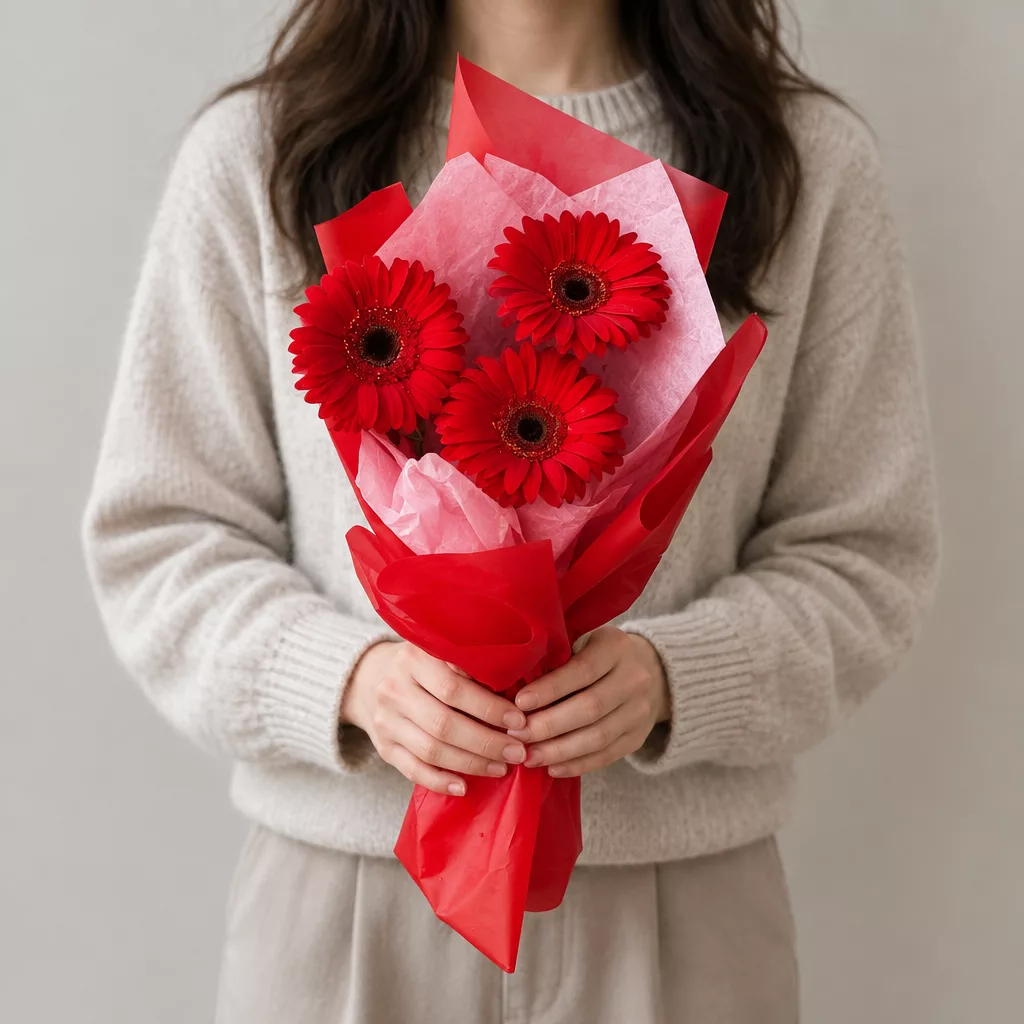
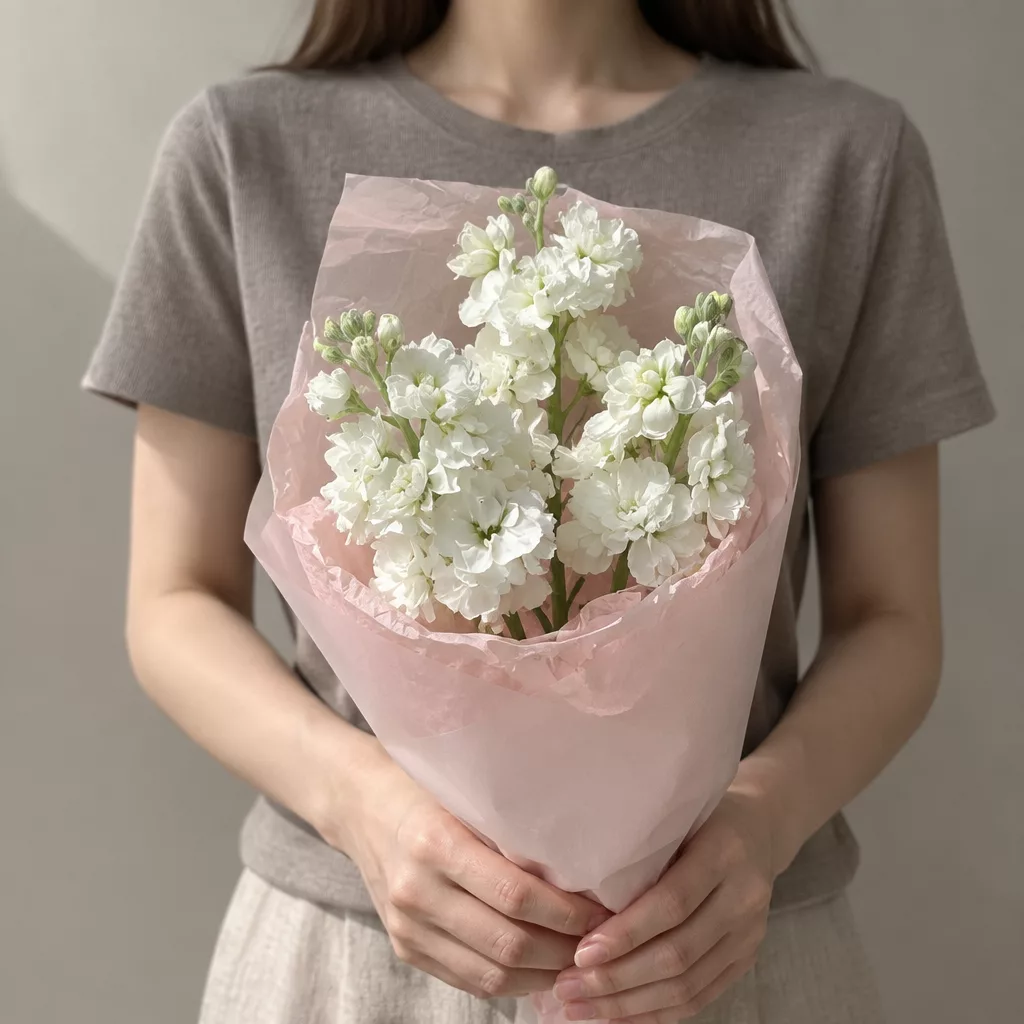
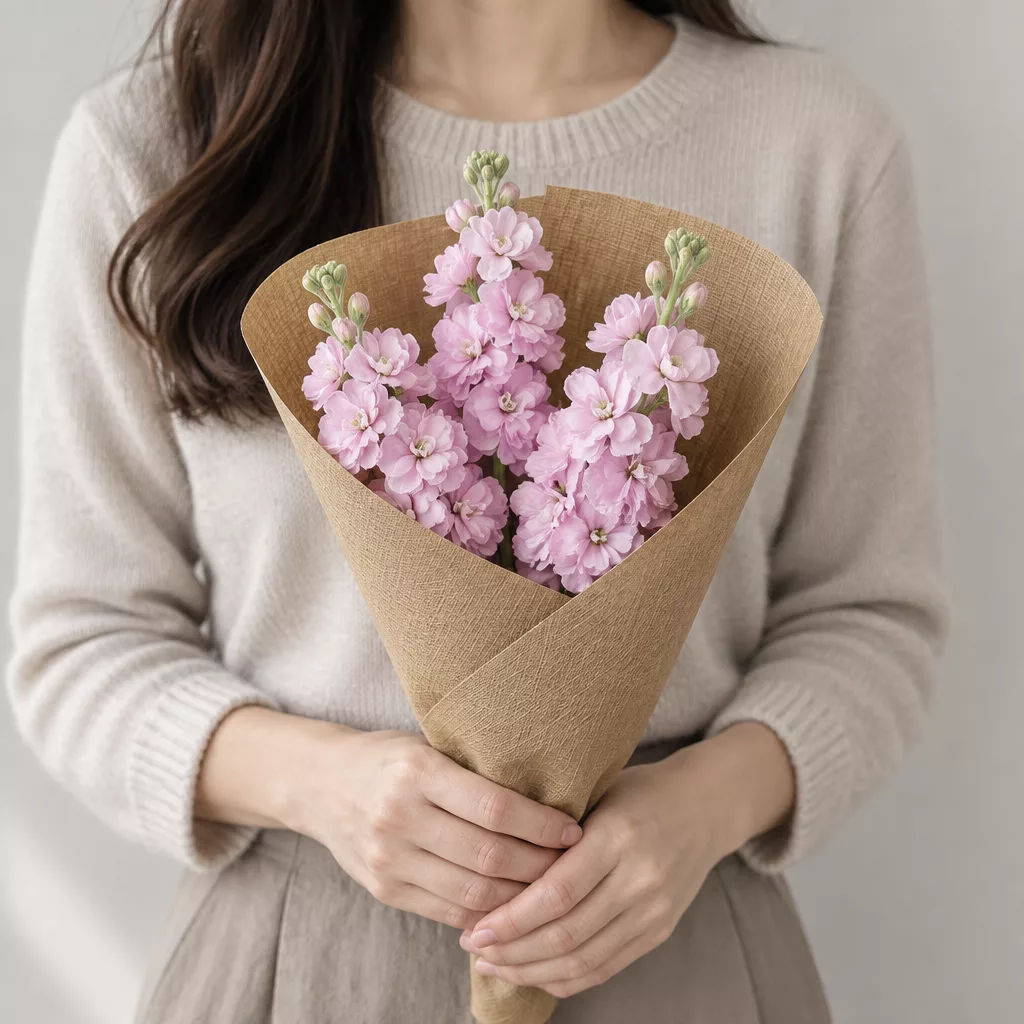
Bouquets we can deliver

Roses: The Undisputed Star of Russian New Year Arrangements
If there is one flower that defines the Russian New Year table, it is the rose. Ecuadorian roses dominate the premium end of the market in winter, and for good reason: grown at high altitude, they have unusually thick stems, large heads, and a vase life that routinely reaches ten to fourteen days when properly cared for. Varieties like Explorer, Red Naomi, and Mondial are workhorses of the December trade, bred specifically for their staying power and rich colour saturation.
In winter, rose heads arrive tightly closed, which is actually ideal. A bud that opens slowly in a warm room gives you the full theatrical effect of watching a flower bloom, and it means the rose is genuinely fresh rather than already spent. The common mistake is cutting the stems too short when arranging. Always cut at a 45-degree angle, remove any leaves that would sit below the waterline, and place roses in cool water — around 10 to 12 degrees Celsius is ideal for conditioning. Avoid positioning them near a radiator or a bowl of fruit, as both accelerate aging.
Colour choices for New Year in Russia lean toward red, white, and gold. Red roses carry obvious festive weight, while white roses — particularly the variety Avalanche and its many sport mutations — photograph beautifully in candlelit New Year settings. Spray roses in champagne and blush tones have also become popular for more modern, romantic arrangements. If you are ordering for December 31st, placing your order at least two days ahead gives the florist time to source and properly condition the stems.
Tulips, Hyacinths, and Forced Bulbs: The Scent of the Season
Forced bulb flowers are one of the genuine pleasures of a Russian winter arrangement. Tulips, hyacinths, and narcissus are all available in December and January because they are grown in climate-controlled greenhouses — primarily in the Netherlands — where light and temperature are manipulated to trigger early flowering. The result is flowers that feel like a promise of spring arriving in the middle of a snowstorm.
Tulips in winter come in a wide range of varieties. French tulips, sometimes called parrot tulips or double tulips depending on the cultivar, have dramatically ruffled petals and a longer stem than standard single tulips. Varieties such as Dordogne, Rococo, and Black Hero are reliably available through Dutch channels in December. Standard single tulips like Strong Gold and Ronaldo offer cleaner, more classic lines. One important thing to know: tulips continue to grow after cutting, sometimes by several centimetres, and they move toward light. An arrangement that looks balanced on the table may lean dramatically toward the window by the next morning. This is not a flaw; it is simply tulip behaviour.
Hyacinths deserve special mention for their fragrance. A single stem can scent an entire room, which makes them extraordinarily effective in New Year arrangements even in small quantities. They are also among the most cold-sensitive cut flowers: below zero degrees for even a few minutes causes the florets to turn translucent and collapse. This makes professional winter delivery handling critical. When they arrive in good condition, though, hyacinths last five to seven days and perfume every hour of that time.
Evergreens, Fir Branches, and the Russian Love of Forest Decoration
In Russia, the New Year tree — yolka — is the central decorative element of the season, and the tradition of bringing living greenery indoors extends naturally to floral arrangements. Florists routinely incorporate noble fir branches, blue spruce tips, pine, and juniper into December and January bouquets and table centrepieces. These materials are not merely filler; they carry enormous cultural resonance and smell exactly like a Russian winter holiday is supposed to smell.
Noble fir holds its needles exceptionally well as a cut material, typically staying fresh for two to three weeks in a cool room. Blue spruce has a striking silver-green colour that pairs beautifully with white roses or red amaryllis, though its needles are sharper and require careful handling during arrangement. Juniper branches, with their small blue-grey berries, add texture and a slightly resinous scent that complements heavier floral fragrances without competing with them.
Beyond branches, holly with its berries is widely used in December arrangements, though it is worth noting that holly berries are toxic and arrangements containing them should be kept away from children and pets. Eucalyptus — particularly the round-leafed Baby Blue variety — has become a staple of modern Russian winter arrangements, adding a silvery softness and a clean, cooling scent. Dried cotton stems, cinnamon sticks, and preserved eucalyptus pods are also common additions that florists use to give winter arrangements texture and longevity without relying entirely on perishable material.
Amaryllis and Poinsettia: Bold Choices for Orthodox Christmas
Orthodox Christmas falls on January 7th in Russia, giving florists a second major holiday just one week after New Year. By this point, many households are ready for a refresh of their floral decoration, and the flowers that work best for this occasion tend to be dramatic and long-lasting rather than delicate and fragrant.
Amaryllis — sold under its botanical name Hippeastrum in specialist circles — is one of the most spectacular winter flowers available. The blooms are enormous, often ten to fifteen centimetres across, and come in varieties ranging from deep velvety red like Red Lion to striped bicolours like Minerva and pure whites like White Nymph. Amaryllis stems are hollow, which makes them vulnerable to snapping under the weight of the flower head. A good florist will insert a thin support inside the stem before arranging. In a cool room at around 18 degrees Celsius, an amaryllis bloom lasts seven to ten days, and a stem with multiple buds will continue opening over several days.
Poinsettia, while technically a potted plant rather than a cut flower, is worth mentioning because it is enormously popular in Russia around both New Year and Orthodox Christmas. The red-bracted varieties are traditional, but florists increasingly work with white, pink, and marbled cultivars. Poinsettias are tropical plants that suffer below 12 degrees Celsius, so winter delivery requires careful wrapping. They also dislike draughts, so placement near a frequently opened door or window will cause rapid leaf drop. In a stable, warm interior, a well-chosen poinsettia can remain decorative for four to six weeks.
Practical Tips for Ordering and Caring for Winter Flowers in Russia
Ordering flowers for New Year in Russia requires a bit more forward planning than at other times of year. December 29th through January 1st is the single busiest period in the Russian flower calendar. Florists are managing high order volumes, suppliers are operating on reduced holiday schedules, and road conditions in cities like Saint Petersburg can slow delivery times. Ordering two to three days before your intended date is not excessive caution — it is simply sensible planning.
When your flowers arrive in winter, give them time to acclimatise before unwrapping them. If a bouquet has been transported in cold conditions, bringing it straight into a warm room and immediately unwrapping can cause condensation damage and shock the stems. Leave the wrapping loosely in place for fifteen to twenty minutes, then unwrap, cut the stems, and place in fresh water. Change the water every two days and add the flower food sachet if one is provided — it contains a biocide that significantly slows bacterial growth.
For arrangements that need to look their best on a specific evening, such as a New Year's dinner table, think about the timing of delivery. A bouquet of tightly closed roses delivered on December 30th will be fully open and at peak beauty by December 31st evening. Tulips delivered the same day will be open within 24 hours in a warm room. Discuss timing with your florist when ordering, because a professional will be able to advise on which varieties will be at their visual peak at the exact moment you need them. Winter flowers, handled with knowledge and care, are some of the most rewarding of the entire year.
Winter in Russia is a season of warmth found indoors, of candlelight and celebration, of tables laden with food and rooms filled with the people you love most. Flowers are not a minor detail in this picture — they are part of the atmosphere, the scent, the colour, and the feeling of the occasion. Whether you choose deep red Ecuadorian roses for New Year's Eve, fragrant hyacinths to scent a January morning, or a dramatic amaryllis for Orthodox Christmas, the key is working with a florist who understands the cold-chain realities of winter delivery and can guide you toward varieties that will genuinely thrive in the season. At Turboflora, we handle every winter delivery with the same care we would give to a midsummer arrangement — because fresh flowers in December deserve exactly that level of attention.
Frequently asked questions
Which flowers last the longest in a warm Russian apartment during the New Year holidays?
Ecuadorian roses, alstroemeria, and spray chrysanthemums are the most durable choices. In a room kept at around 20 degrees Celsius, well-conditioned roses last ten to fourteen days, alstroemeria up to two weeks, and chrysanthemums even longer. Keep them away from radiators and change the water every two days to maximise vase life.
Can flowers really be delivered safely when temperatures outside are below minus 10 degrees Celsius?
Yes, with the right equipment. Professional winter delivery uses insulated packaging and heated vehicles. The critical window is the transfer between vehicle and door — a few seconds of extreme cold rarely damages a well-wrapped bouquet. Problems occur when flowers are left unattended outside in freezing temperatures, so ensure someone is home to receive the delivery.
What is the difference between New Year flowers and Orthodox Christmas flowers in Russia?
New Year on December 31st tends toward bold, celebratory arrangements — red roses, white flowers, gold accents, and evergreen branches. Orthodox Christmas on January 7th often calls for slightly quieter, more intimate choices: amaryllis, white tulips, or potted hyacinths. Many customers order a fresh arrangement for Christmas specifically because their New Year flowers have begun to fade by then.
Are there any flowers I should avoid giving as a gift in Russia during the winter holidays?
Stick to odd numbers of stems for gifted bouquets — even numbers are traditionally associated with mourning in Russian culture. Beyond that, there are no specific flower taboos for New Year or Christmas. Focus instead on freshness and suitability for winter conditions rather than worrying about variety-specific superstitions, which are largely a matter of personal belief.
How far in advance should I order flowers for December 31st in Saint Petersburg?
Two to three days ahead is strongly recommended. The period from December 29th through January 1st is the peak of the Russian floral year. Ordering early guarantees your preferred varieties are available, gives the florist time to properly condition stems, and allows you to choose a specific delivery window rather than accepting whatever slot remains on the day itself.
Ready to send flowers?
Pick the city, choose the bouquet, and a local florist takes it from there.
Choose a city →