Odd Number of Flowers: What It Means and How to Get It Right
An odd number of flowers (1, 3, 5, 7, 9, 11 and so on) is the standard for any happy occasion in Russia, Ukraine, Belarus, Poland and much of Eastern Europe, because even numbers are traditionally reserved for funerals and graves. If you are giving flowers to someone who grew up with this custom, count the stems and make the total odd. Above roughly fifteen stems the rule relaxes, and in large mixed bouquets nobody counts, but for small bouquets it still matters a great deal.
Outside that region the custom barely exists: in the UK or the US a dozen red roses is a romantic classic, and nobody blinks at an even number. That is exactly why people get caught out. You order a sweet bouquet of six tulips for your grandmother in Kazan, and she quietly removes one before putting them in a vase. Below we explain where the rule comes from, how strictly people follow it today, how to count when bouquets contain greenery and filler flowers, and how to make sure the bouquet you send reads the right way.
Where the odd-number rule comes from
The most common explanation is simple: even numbers are for the dead. At a Russian funeral, mourners bring two, four or six carnations or roses, and the same even counts are laid on graves on memorial days. Over generations that association became so strong that an even bouquet handed to a living person can feel like a bad omen, or at least like a careless mistake.
Folk logic adds a second layer. An even number is seen as complete, closed, finished, like a life that has ended. An odd number leaves something open and ongoing, which suits birthdays, weddings, first dates and recoveries. Some people also link the custom to older Slavic beliefs where paired objects belonged to the world of ancestors. You do not need to believe any of this to respect it; what matters is that your recipient may feel it.
If you want the longer cultural story, we covered it in The Slavic Flower Rule: Odd Numbers, Even Numbers. The short version for gift-giving: odd for the living, even for remembrance.
How strictly people follow it today
Younger people in Moscow and St Petersburg are often relaxed about it, and some will tell you it is superstition. Even so, most of them grew up hearing it from parents and grandparents, and many still notice. Older relatives, teachers, doctors and anyone from a smaller town tend to take it seriously. When the bouquet goes to someone over fifty, treat the rule as fixed.
The rule is strongest for small bouquets, where you can count the stems at a glance: three roses, five tulips, seven chrysanthemums. Once a bouquet goes past fifteen stems, counting stops being socially meaningful, and large statement bouquets of 25, 51 or 101 roses are odd by tradition anyway. Even the people who say a big bouquet does not need to be odd usually choose an odd number when they order one.
There is one situation where you should never bend it: hospital and funeral contexts. A bouquet for a sick person must be odd, because an even one can read as wishing them ill. A tribute for a funeral or a grave must be even, because an odd number there looks like you did not know the custom.
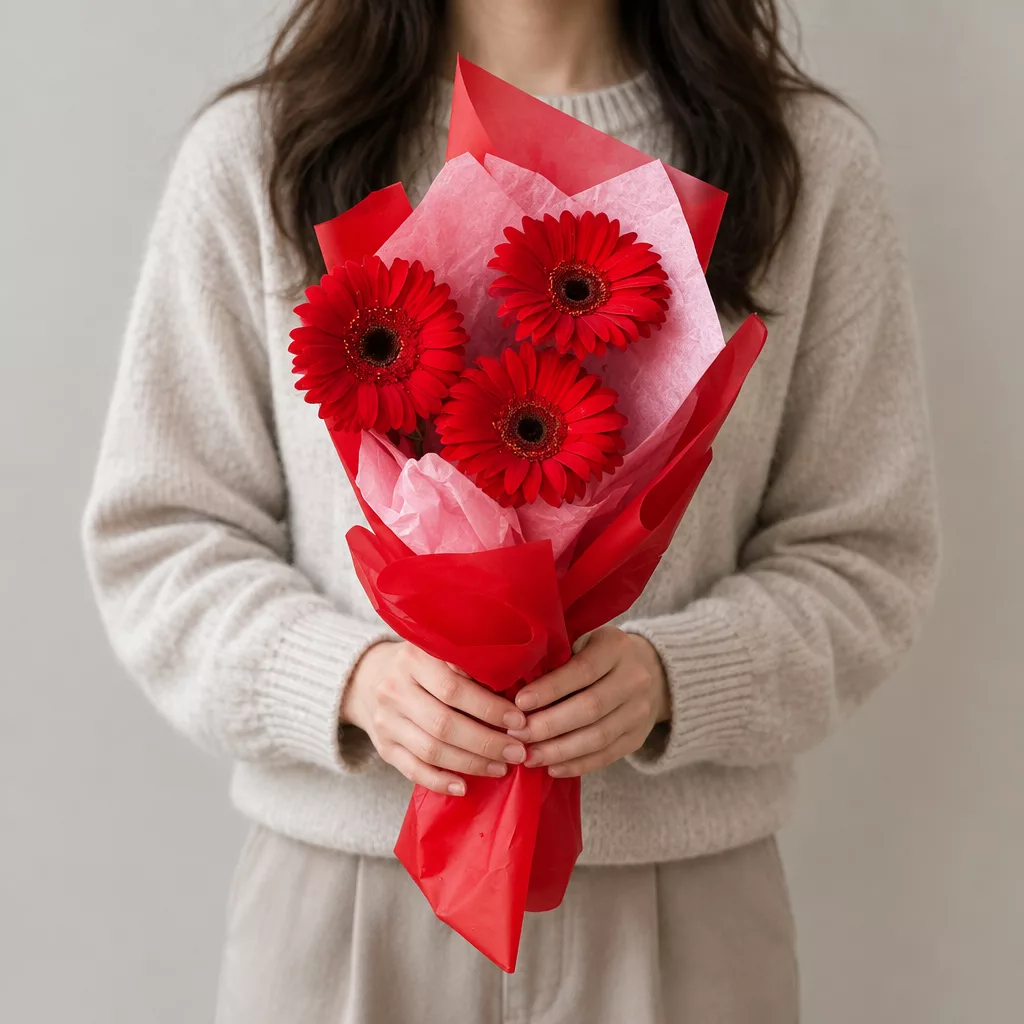
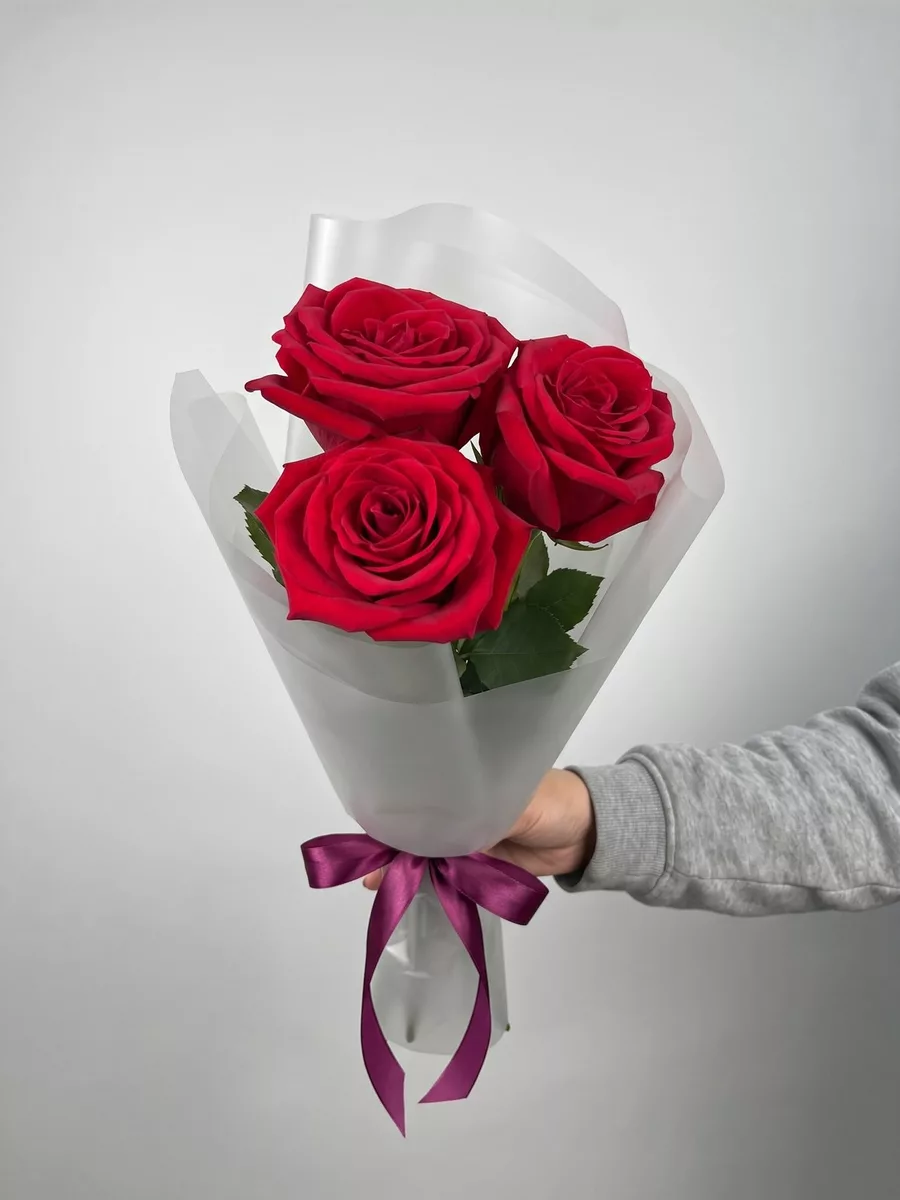
Bouquets we can deliver


Counting stems: what counts and what does not
Only the main flowers count. Eucalyptus, pistacia, ruscus, salal and other greenery are not counted, and neither are small filler flowers such as gypsophila, wax flower or limonium tucked between the main blooms. A bouquet of seven roses with lots of eucalyptus is still a bouquet of seven.
Spray flowers raise a practical question. A spray rose or spray chrysanthemum has several heads on one stem, and people count the stems, not the heads. So three stems of spray roses with five buds each is a bouquet of three, which is fine. In a mixed bouquet, add up the main flowers of all varieties together: three peonies plus four roses is seven, which works, while three peonies plus three roses is six, which you would want to adjust.
Boxes, baskets and hat boxes packed with dozens of heads are judged by the overall impression rather than a count, so there you can focus on colour and size. For a classic hand-tied bouquet of under fifteen stems, though, check the number before you confirm the order.
Choosing the right odd number for the occasion
A single stem is a real gift in Russian culture, not a cheap shortcut. One rose with a short note is a natural gesture for a first date, a quiet apology or a colleague you want to thank. Three stems suit a modest birthday or a visit; five or seven are the most common choices for a mother, a teacher or a friend; nine and eleven look generous without being theatrical.
For anniversaries some couples match the number of stems to the years together, adding one if the total comes out even. For a 30th birthday you might send 31 roses or simply 15, whichever suits the budget and the vase. When a number feels too symbolic, choose by size instead: a large rose head looks full at seven stems, while delicate flowers like tulips or ranunculus look better at eleven or fifteen.
Colour carries meaning too. Red says love, white and pale pink suit mothers, brides and new babies, and yellow is cheerful in modern Russia, though some older people still associate it with separation. If you are unsure, soft mixed pastels are safe for almost anyone.
Small mistakes that change how a bouquet is read
The most common slip is removing one wilted flower from an odd bouquet and leaving an even number in the vase. If your recipient takes a stem out after a few days, they will usually take out a second one too, and you can mention this gently if you are giving flowers in person. Another frequent mistake is buying two bouquets for one person, for example roses from you and roses from your sibling, which together make an even total. Combine them into one order with one card instead.
Dark red and deep burgundy roses in an even number look especially funereal, so be careful with those colours. Black wrapping, purple ribbons and white carnations in small even numbers also suggest mourning. For celebrations, light wrapping in kraft paper, cream or pastel tones keeps the meaning clearly cheerful.
Ordering an odd-numbered bouquet to Russia from abroad
When you choose from the Bouquets catalogue, each bouquet shows its composition, so you can see how many main flowers it contains. If you love a design but the count is even, or you want a specific number such as 21 roses for a 21st birthday, write to a manager on WhatsApp before paying. The manager can also send you a photo of the finished bouquet before delivery, so you can check the stems yourself.
We deliver across Russia. City delivery costs 500 RUB; for remote districts and suburbs the operator confirms the price when confirming the order. In large cities express delivery takes 1-2 hours after confirmation, or you can choose an exact time (plus or minus 30 minutes), a window such as 09-12 or 18-21, or pre-order 1-30 days ahead, which is handy for birthdays. Full details are on the Delivery and payment page.
Delivery is anonymous by default, and a card with your text is free, so add a few warm words in Russian or English. The courier calls the recipient about 15 minutes before arrival. You can pay on the site by bank card, SBP or Yandex Pay.
Frequently asked questions
Why do Russians give an odd number of flowers?
Because even numbers are traditionally reserved for funerals and graves. An odd number of flowers signals a living, happy occasion such as a birthday, a date or a celebration.
Is a dozen roses bad luck in Russia?
Twelve roses is an even number, so many people in Russia would see it as a funeral count. Send eleven or thirteen instead; the bouquet looks almost identical and avoids any awkwardness.
Do greenery and filler flowers count?
No. Only the main flowers are counted, so eucalyptus, gypsophila and similar fillers do not change the number. Spray roses are counted by stems, not by individual heads.
Does the rule apply to large bouquets?
Above about fifteen stems most people stop counting, and big bouquets such as 25, 51 or 101 roses are odd anyway. For small bouquets under fifteen stems, keep the number odd.
When should flowers be even?
Only for mourning: funerals, laying flowers at a grave or a memorial. In those settings two, four or six stems are expected.
Ready to send flowers?
Pick the city, choose the bouquet, and a local florist takes it from there.
Choose a city →