Odd vs Even: Russia's Flower Number Rule Explained
You have chosen beautiful flowers, written a warm message, and entered the delivery address — and then someone mentions that the number of stems matters in Russia. A lot. If you are sending flowers from abroad or simply unfamiliar with the tradition, this single detail can feel unexpectedly high-stakes. The rule itself is simple once you know it, and understanding the reasoning behind it makes it easy to remember for every occasion from now on.
The Rule in Plain Language: Odd for the Living, Even for the Departed
The core of the tradition is this: an odd number of flowers — one, three, five, seven, nine, eleven, and so on — is given to living people to mark joyful occasions. An even number is associated with mourning and is brought to funerals or laid at memorials. This distinction is taken seriously across Russia, and most recipients will notice the count immediately, even if they say nothing.
The origin is not entirely documented, but the association between even numbers and loss is deeply embedded in Russian cultural memory. It appears in folk custom, in Soviet-era etiquette guides, and in the everyday habits of florists and buyers across the country. Whether someone is sending roses to a colleague in Novosibirsk or peonies to a grandmother in Kazan, the same rule applies.
For the sender, the practical takeaway is straightforward. Before you confirm any bouquet, count the stems. If the total is even — two, four, six, eight, twelve — it is worth adjusting. Adding one stem or removing one is a small change that carries real weight. A florist assembling your order should catch this automatically, but when you are ordering online or specifying a custom count, the responsibility falls on you. Knowing the rule means you will never have to second-guess a delivery again.
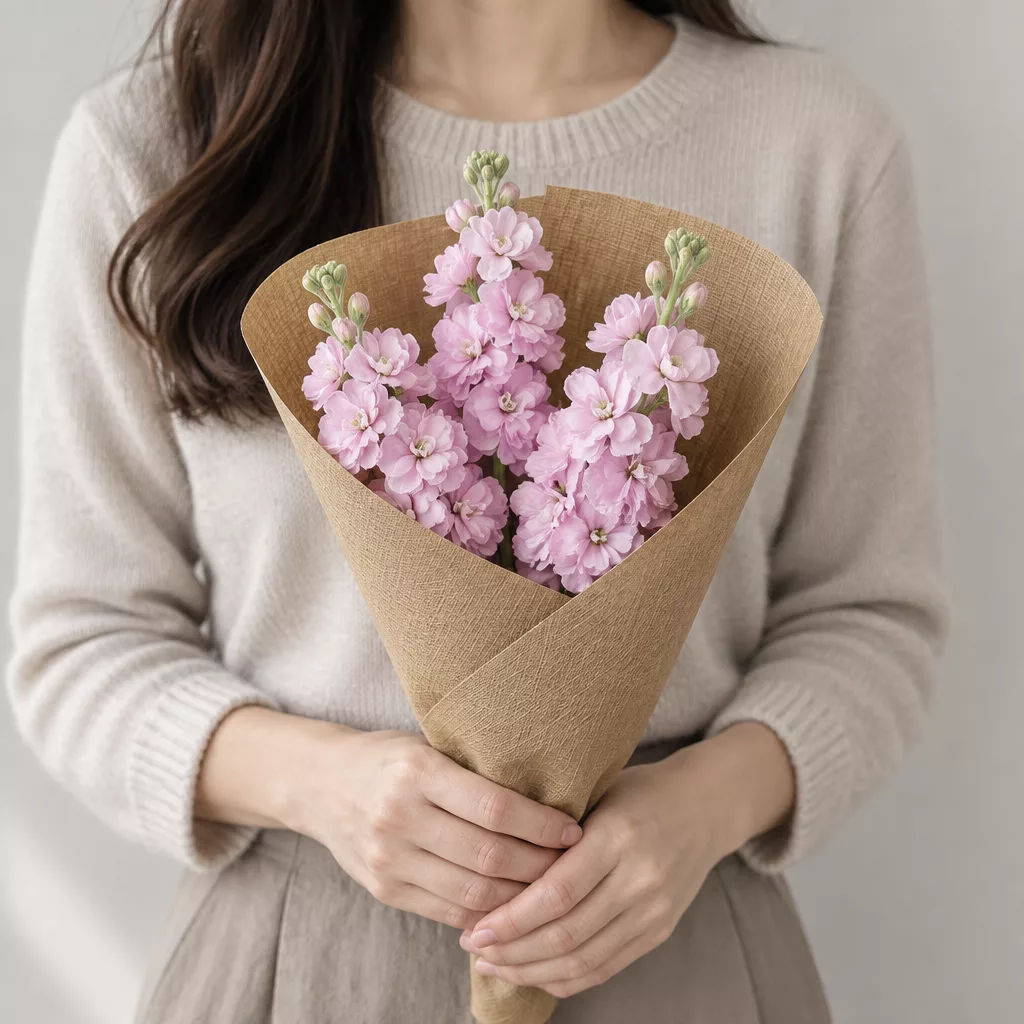
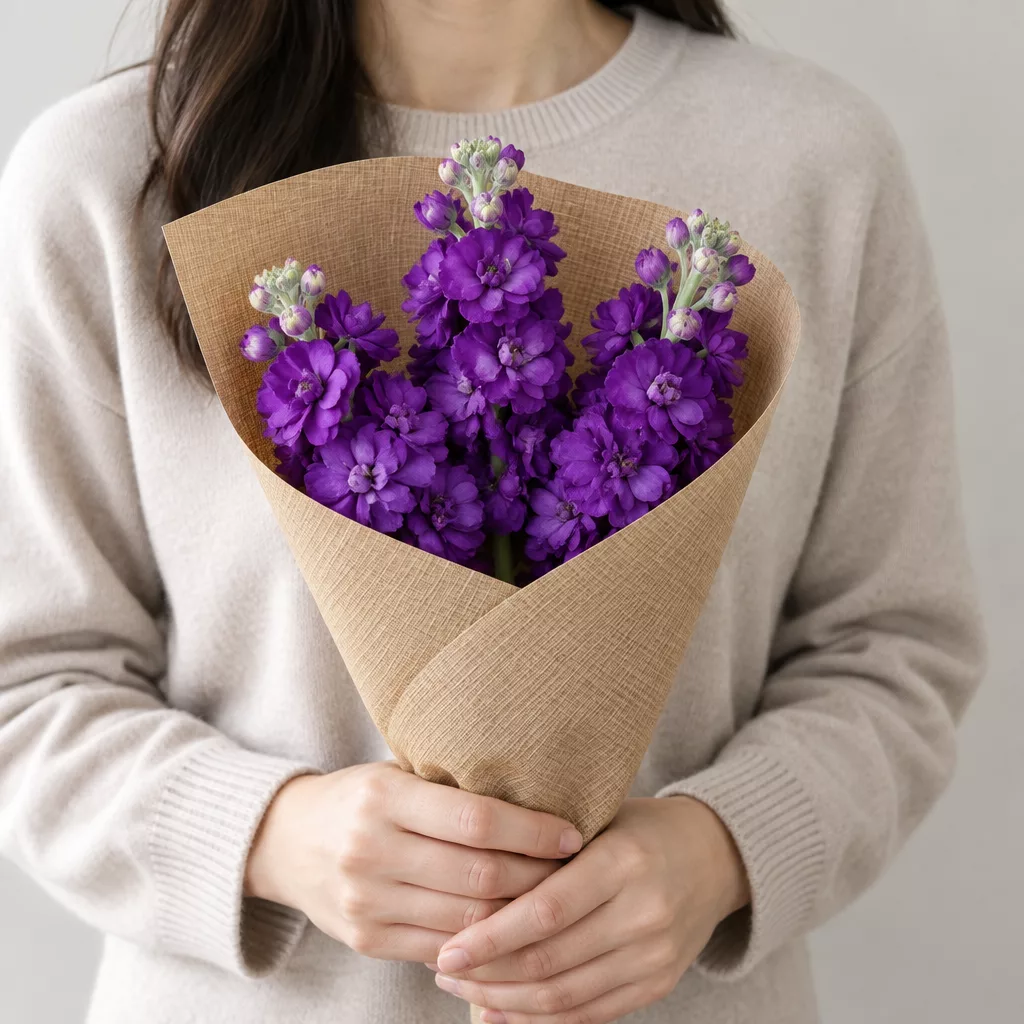
Bouquets we can deliver


Why This Matters More Than You Might Expect
Russia has many cultural customs around gift-giving, but the flower-number rule is one of the most consistently observed. Unlike some traditions that have faded with younger generations, this one remains active across age groups and regions. A twenty-five-year-old receiving a bouquet in Saint Petersburg is just as likely to count the stems as a seventy-year-old in a smaller city.
The emotional stakes are real. Flowers are already a language of feeling — they communicate care, celebration, affection, and gratitude. When the number accidentally signals something dark, it creates an uncomfortable moment for the recipient, even if no one says it aloud. The bouquet itself may be gorgeous, but the association lingers.
For businesses sending flowers to Russian clients or partners, this matters even more. A congratulatory bouquet with an even number of stems can undercut the warmth of the gesture entirely. International senders, in particular, often overlook this because the rule simply does not exist in their own culture. In many European countries, a dozen roses is the gold standard. In Russia, twelve roses would be a misstep at a birthday or a promotion.
Understanding this is not about being superstitious — it is about respecting the person you are sending to. When someone receives a bouquet that follows the custom correctly, it signals that the sender paid attention. That attention is part of the gift.
Choosing the Right Count for the Occasion
Once you accept the odd-number rule for celebrations, the next question is which odd number to choose. The answer depends on the occasion, the relationship, and what you want the bouquet to express visually and emotionally.
A single flower — one perfect garden rose, one dramatic amaryllis, one stem of white orchid — is a strong, deliberate statement. It works beautifully for a romantic gesture or a minimalist aesthetic, but it can feel sparse for a major celebration like a milestone birthday or a wedding anniversary. Three and five stems suit smaller, intimate moments: a thank-you, a quick congratulation, a spontaneous gesture.
Seven, nine, and eleven stems are where bouquets start to feel genuinely generous without becoming overwhelming. Eleven roses, for example, is a classic Russian choice for a romantic declaration — it fills the hand, looks lush, and reads as thoughtful rather than excessive. Fifteen and twenty-one are popular for birthdays and graduations, where the occasion calls for something abundant.
For very significant moments — a major anniversary, a wedding, a retirement — twenty-five, thirty-one, or even fifty-one stems are common. Yes, fifty-one is odd, and a bouquet of fifty-one tulips or spray roses is a spectacular sight. The number itself becomes part of the message. When you are ordering, think about what the recipient will feel when they unwrap the bouquet, and let that guide the count as much as the budget does.
Which Flowers Work Best at Each Count
The variety you choose interacts with the number in ways that affect how the final bouquet looks and how long it lasts. Some flowers are naturally suited to smaller, precise counts; others are meant to be massed.
Roses are the most forgiving. A single long-stemmed red rose in a sleeve is iconic. Three garden roses in blush and cream feel effortlessly elegant. Eleven or twenty-one roses give you a classic, full-handed bouquet that photographs beautifully and lasts seven to ten days with proper care. Ecuadorian roses, which are common in Russian flower shops due to their long vase life and large heads, hold their shape even in odd-numbered arrangements where spacing matters.
Tulips look best in groups of five, seven, or nine — their stems are slender, and fewer than five can look sparse unless the presentation is very deliberate. Peonies, which are available from late spring through early summer, are so voluminous that three stems already feel like a real bouquet. Five peonies is generous; seven is extravagant in the best possible way.
Chrysanthemums, spray roses, and lisianthus are naturally branching, so a single stem counts as one even if it carries multiple blooms. This makes them useful for achieving an abundant look at a lower stem count. Alstroemeria works similarly — one stem branches into several flowers, so five stems of alstroemeria looks like far more than five. Keep this in mind when you want visual fullness without reaching for a very high odd number.
Common Mistakes Senders Make and How to Avoid Them
The most frequent mistake is ordering a bouquet by look rather than by count. Someone sees a photo of a lush arrangement and orders it without checking how many stems are shown. The arrangement might contain twelve roses and six eucalyptus branches — and even if greenery is sometimes counted separately, the rose count alone raises a flag.
Another common error is assuming that the rule only applies to the main flower type. In practice, most Russian recipients count the total number of focal flowers. If you have twelve roses with three stems of lisianthus, the roses themselves are even-numbered, and that is what most people will notice. When in doubt, keep the count of your primary flower odd.
Senders who build custom bouquets online sometimes round up or down to hit a price point. Rounding to an even number to save money — or adding one stem to an odd number to spend a round figure — can accidentally tip the bouquet into the wrong territory. Always adjust around the count, not around the price.
Finally, some people assume that very large bouquets are exempt because the count seems too high to matter. They are not. A recipient who knows the tradition will still count, or at least notice whether the number feels even or odd when they hold the bouquet. Keeping the count odd at every scale — from three stems to fifty-one — is the only consistent approach. A good florist assembles with this in mind from the very first stem.
Keeping Your Bouquet Beautiful After Delivery
Getting the number right is only the beginning. A bouquet that arrives with the correct stem count and then wilts in two days is a disappointment for everyone. Understanding a few basic care principles helps the recipient enjoy the flowers for as long as possible — and it reflects well on the sender.
The first step after receiving a bouquet is to recut the stems at an angle, removing about two centimetres from the base. This opens the stem's vascular tissue and allows water to travel upward more efficiently. Use a clean, sharp knife rather than scissors, which can crush the stem. Remove any leaves that would sit below the waterline, since submerged foliage rots quickly and clouds the water.
Water temperature matters more than most people realise. Most cut flowers prefer cool or lukewarm water — not ice cold, not hot. Roses and tulips do well in cool water around fifteen to eighteen degrees Celsius. Change the water every two days and re-trim the stems each time. Keep the bouquet away from direct sunlight, heating vents, and fruit bowls, since ripening fruit releases ethylene gas that accelerates petal drop.
With this routine, roses typically last seven to ten days, tulips five to seven days, and chrysanthemums up to two weeks. Peonies, which are more delicate, last four to six days but are so spectacular in bloom that the shorter vase life is easy to forgive. Passing these tips along to the recipient — perhaps in the card message — turns the bouquet into a more complete gift.
Sending Flowers Remotely: Getting the Details Right
Ordering flowers for someone in another city — or in Russia from abroad — adds a layer of planning that makes the number rule even more important to get right before you place the order. Once the bouquet is assembled and dispatched, changes are difficult or impossible.
When you order remotely, be explicit about the stem count in your request. Do not rely on a size descriptor like 'medium' or 'large' to imply the correct number. Write the count directly: 'eleven roses' or 'fifteen tulips.' This removes any ambiguity in the assembly process and ensures the bouquet that arrives matches your intention.
Timing is also worth thinking about. Flowers cut and delivered within one to two hours of the order are in significantly better condition than flowers that have spent a day in transit. In Saint Petersburg and across Russia, same-day delivery within that window means the recipient gets stems that are freshly hydrated and have their full vase life ahead of them. A bouquet of eleven peonies delivered within the hour will open beautifully over the following two days; the same flowers after twelve hours in a box will have already begun to stress.
Include a card with the bouquet, and consider mentioning the care instructions there. Recipients who receive flowers from a remote sender often feel touched that someone thought to include practical guidance alongside the emotional message. It completes the gesture and extends the life of something you chose carefully — right down to making sure the number of stems was exactly right.
Russia's odd-even flower rule is one of those customs that seems small until it is not. Getting it right takes almost no effort once you know it, and it makes every bouquet you send feel considered and respectful rather than accidental. Whether you are ordering three tulips or thirty-one roses, the count is part of the message — and now you know exactly how to read it. We deliver bouquets across Russia in 1–2 hours.
Frequently asked questions
Does the odd-number rule apply to all types of flowers or only roses?
The rule applies to all cut flowers, not just roses. Whether you are sending tulips, peonies, chrysanthemums, or a mixed bouquet, the count of focal stems should be odd for a celebratory occasion. Greenery and filler branches are sometimes counted separately, but the primary flowers are what most recipients notice first.
Is a single flower — just one stem — acceptable as a gift in Russia?
Yes, one is an odd number and is perfectly appropriate. A single long-stemmed rose or one elegant orchid stem can be a meaningful and deliberate gesture, particularly for a romantic occasion or a simple thank-you. The presentation matters — a single flower should be beautifully wrapped to feel like a real gift rather than an afterthought.
Do younger Russians still follow the odd-even rule, or is it fading out?
The rule remains widely observed across all age groups in Russia. While some younger recipients may be more relaxed about it, many are still aware of the tradition and will notice an even number. Since the adjustment costs nothing — just one stem either way — it is always worth following the custom regardless of the recipient's age.
What if a bouquet includes different flower types — do I count all stems together?
Focus primarily on the count of your main focal flower. If you have eleven roses and four stems of lisianthus as filler, the roses are what most recipients will count. Keeping the dominant flower at an odd number is the most important step. If you want to be thorough, keeping the total stem count odd as well removes any ambiguity entirely.
How far in advance should I order flowers for same-day delivery in Russia?
For delivery within one to two hours, placing your order at least two to three hours before the desired arrival time gives the florist enough preparation time. For peak days like International Women's Day on March 8th or Valentine's Day, ordering a day ahead is strongly recommended, as demand is extremely high and assembly times can extend significantly.
Ready to send flowers?
Pick the city, choose the bouquet, and a local florist takes it from there.
Choose a city →