Sending Corporate Flowers to Russia? Here Is How to Pay from Abroad
You have a client in Moscow, a partner office in Saint Petersburg, or a team across several Russian cities, and you want flowers delivered for a milestone moment. The arrangement itself is the easy part. The question that stops most international buyers is simpler and more practical: how do you actually pay, from a foreign bank account, in a currency that is not rubles, for a flower order that needs to arrive within the hour? This article walks through every step so the transaction feels as smooth as the bouquet looks when it arrives.
Why Corporate Flower Orders from Abroad Require a Different Approach
A retail customer ordering one bouquet and a foreign legal entity ordering flowers for fifty employees are genuinely different situations, and treating them the same creates problems on both sides. Russian businesses operating under standard accounting rules must issue proper closing documents — an invoice, an act of services rendered, and in many cases a VAT receipt — for any B2B transaction. A foreign company receiving these documents needs them formatted in a way its own finance team can process and archive.
Beyond paperwork, there is the question of banking. Since 2022, the international payment landscape for Russia has shifted significantly. Several global card networks suspended direct processing inside the country, which means that a Visa or Mastercard issued by a European or American bank will not complete a standard online checkout on a Russian website. This is not a policy of the flower shop — it is a structural reality of the current banking environment, and any honest supplier will tell you this upfront rather than let you discover it at checkout.
Turboflora works with corporate clients from Europe, the Middle East, Asia, and the Americas regularly, so the team has built clear pathways around these obstacles. The key is communicating your needs before you place the order, not after. A short conversation about your company's country of registration, your preferred currency, and the documents your finance department requires will save everyone time and ensure the flowers are on their way without delay.
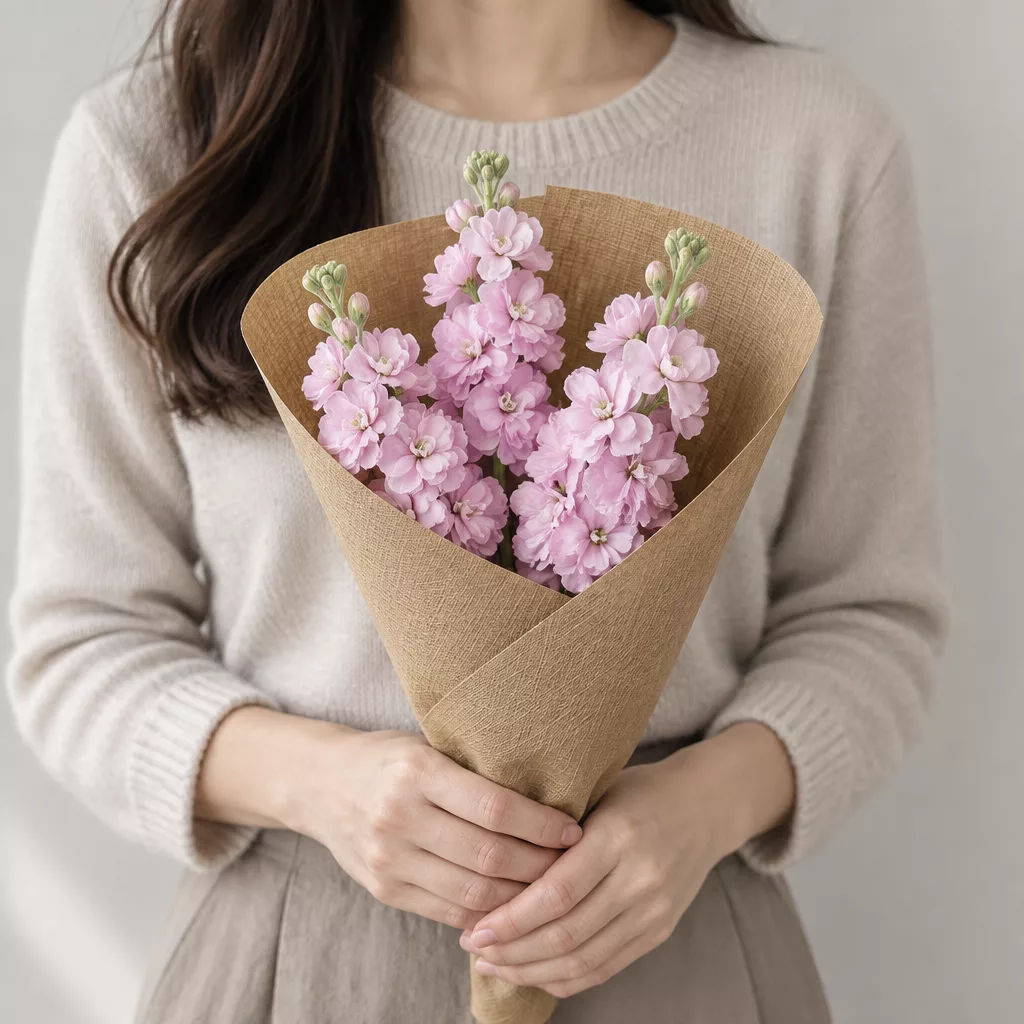
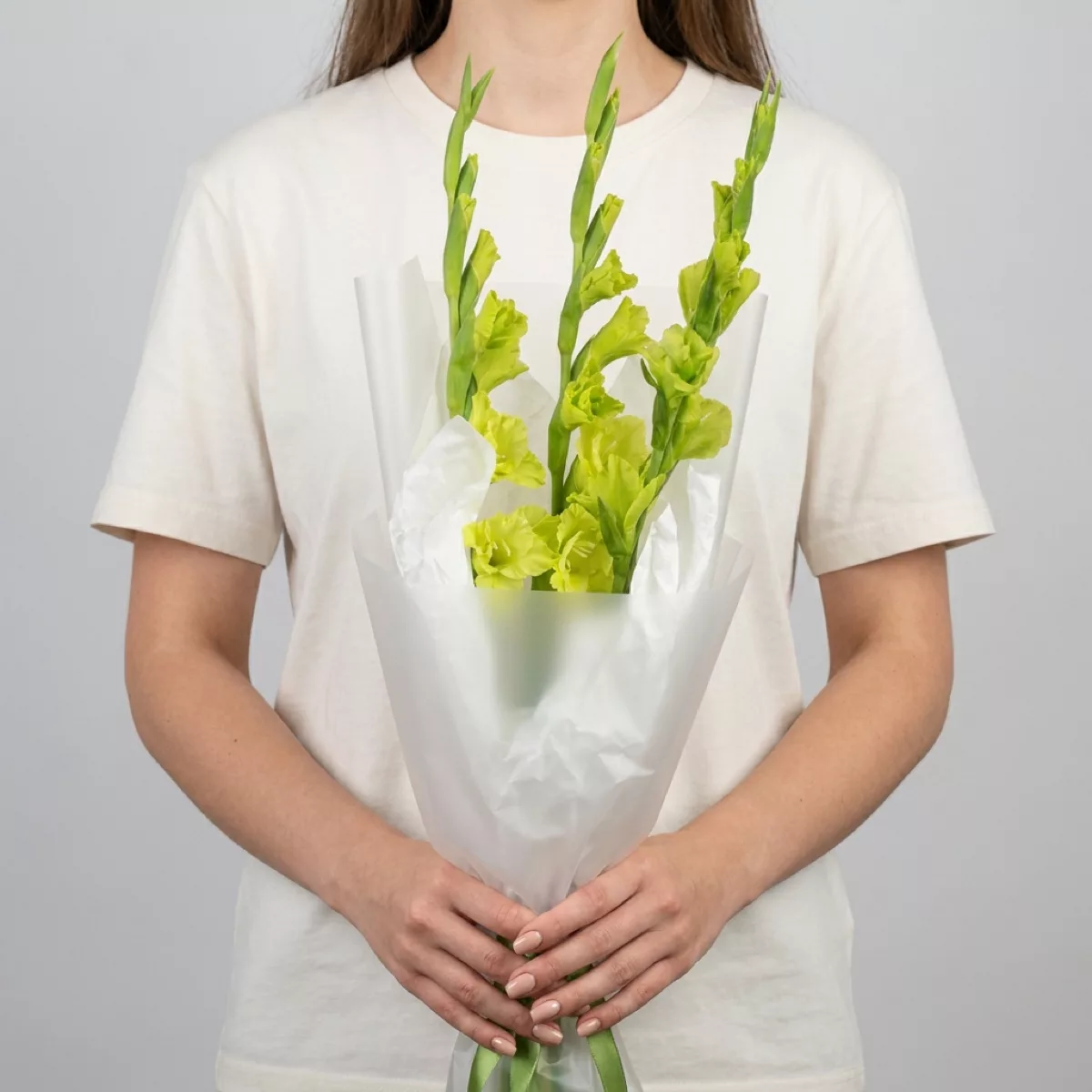
Bouquets we can deliver


Accepted International Payment Methods for Foreign Clients
The most reliable route for a foreign legal entity is a direct bank wire transfer in a major international currency. Turboflora can accept payments in US dollars, euros, and Chinese yuan, with the equivalent ruble amount calculated at the current Central Bank of Russia exchange rate on the day the invoice is issued. This method works regardless of where your company is registered and requires nothing more than standard SWIFT or SEPA banking infrastructure, which almost every corporate bank account in the world supports.
For clients based in countries with active correspondent banking relationships with Russian financial institutions — this includes much of the Middle East, Central Asia, and China — the transfer typically clears within one to three business days. Clients from Western Europe or North America should allow slightly more time and confirm with their own bank that the transfer will not be held for compliance review, as some banks now flag Russia-destination wires automatically.
Cryptocurrency is occasionally discussed as an alternative, but it introduces accounting complications on both ends and is not a standard offering for B2B corporate transactions. If your company operates through a UAE entity or a Kazakh legal structure, there are additional options worth discussing directly with the Turboflora corporate team, as those corridors are particularly well-established. The important thing is to raise the question early. A standing corporate account with pre-agreed payment terms is the smoothest arrangement for companies that send flowers to Russian recipients on a recurring basis, such as for quarterly client appreciation programs or seasonal gifting campaigns.
Currency Conversion and How the Exchange Rate Is Applied
When you pay in a foreign currency, you are not simply paying a fixed price with a markup slapped on top. The process is more transparent than that. Turboflora issues the invoice in rubles, then converts the total to your chosen currency using the official rate published by the Central Bank of Russia on the invoice date. This rate is publicly available and verifiable, which matters for your own finance team when they are reconciling the payment against the invoice.
One practical point worth understanding: flower prices in Russia, like flower prices everywhere, have a seasonal component. Roses are more expensive in February around Valentine's Day and in March ahead of International Women's Day, which is one of the biggest gifting occasions in Russia and genuinely significant in corporate culture. If your company plans a large order around those dates, locking in the order and the invoice a week or two early protects you from both price increases and the very real risk that specific varieties sell out.
The exchange rate on the invoice date and the rate on the day your bank executes the transfer may differ slightly if there is a delay between issuing and paying. For large orders, it is worth asking for a short payment window — say, 48 hours — so the rate does not drift meaningfully. For standing accounts with recurring orders, some clients prefer to maintain a ruble-denominated prepayment balance, which eliminates the conversion question entirely and makes each individual order a simple deduction from the account rather than a fresh international transaction.
Documents Your Finance Department Will Need
Russian B2B accounting produces a specific set of documents that may look unfamiliar to a finance team in Germany, the UK, or the United States, but each document has a clear equivalent in international practice. The invoice, called a schet in Russian, is straightforward and will look familiar. The act of services rendered, or akt, is the document that confirms delivery was completed — it is the Russian equivalent of a delivery confirmation combined with a service completion certificate, and it is what closes the transaction in the supplier's accounting system.
For companies registered as VAT payers in Russia, a third document called a schyot-faktura is also issued. If your company is foreign and not registered for Russian VAT, this document is less relevant to your own accounting, but it is still part of the package Turboflora provides because it is required on the Russian side.
All documents can be issued in Russian with an unofficial English translation provided alongside for your team's reference. For formal legal or audit purposes, a certified translation would need to be arranged separately, though in practice most corporate finance teams working with Russian suppliers are accustomed to working from the Russian originals with a working translation. Documents are sent by email in PDF format. If your company requires originals with a physical stamp and signature — which is still standard in Russian business culture and actually reassuring to many international clients who want tangible proof of the transaction — those can be sent by courier, though this adds a few days to the process.
Placing the Order Itself: Timing, Scale, and Presentation
Once the payment question is settled, the actual order is where it gets enjoyable. Corporate flower orders in Russia often involve large quantities of one variety — a hundred stems of white spray roses for a conference table, or thirty identical bouquets of garden roses and eucalyptus for a staff anniversary. Consistency across a large order is something Turboflora plans for specifically, because flowers are living material and exact color matching across fifty bouquets requires careful sourcing in advance.
For orders of ten bouquets or more, a lead time of 24 to 48 hours is strongly recommended. This is not about logistics — Turboflora delivers within one to two hours of the order being ready — it is about sourcing. If you want thirty bouquets of pale peach David Austin-style garden roses, those need to be ordered from the wholesale market ahead of time. Calling the morning of and expecting that specific variety in that quantity is a gamble, even in a city with Saint Petersburg's flower infrastructure.
Presentation matters enormously in Russian corporate culture. A bouquet handed to a client or a senior colleague in Russia is expected to look considered, not assembled in a hurry. Ribbon, wrapping, and a handwritten card are not optional extras — they are part of the gift. When placing a corporate order, specify the occasion, the recipient's role, and any color preferences. The team can then suggest combinations that feel appropriate: structured and elegant for a formal business context, warmer and more garden-style for a creative industry or a personal milestone like a work anniversary.
Flower Care After Delivery: What to Tell the Recipient
You are sending flowers from abroad, which means you will not be there when they arrive, and neither will anyone from your team. Passing along a few care instructions — either through the card message or a brief note to the office manager receiving the delivery — is a small gesture that meaningfully extends the life of the arrangement and reflects well on the sender.
Most cut flowers delivered in Russia travel in water-conditioned packaging and arrive in good condition, but they need attention within the first hour. Stems should be cut at an angle under running water, removing at least two centimeters. Leaves below the waterline should be stripped off entirely, because submerged leaves rot quickly and cloud the water, which shortens vase life dramatically. Fresh water every two days is more important than any commercial flower food sachet.
Temperature is the factor most often overlooked in Russian office environments. In winter, offices are heated intensively — central heating in Russian buildings runs hot, and rooms are often kept at 22 to 24 degrees Celsius or warmer. Flowers last significantly longer away from radiators, sunny windowsills, and the warm air above computers. A cooler corner of the room, or even a brief overnight stay in an unheated hallway, can add two or three days to the life of roses or tulips. Chrysanthemums and alstroemeria are more tolerant of warmth. Ranunculus and anemones, popular in spring arrangements, are the most sensitive and should be kept as cool as possible.
Building a Recurring Corporate Flower Program with Turboflora
Many international companies that start with a single order — flowers for a client visit, or a congratulatory bouquet for a Russian partner's anniversary — discover that the need recurs. A program rather than a series of one-off orders is significantly easier to manage, both for the company placing the orders and for the florist fulfilling them.
A standing corporate account with Turboflora means the payment details, document formats, and preferred styles are agreed once and applied to every subsequent order. The company receives a single consolidated invoice monthly or quarterly, which is far simpler for a foreign finance team to process than a separate wire transfer for each individual bouquet. It also means the team at Turboflora knows your preferences — the color palette your company tends toward, the occasions you mark, the presentation style that fits your brand — and can prepare orders with less back-and-forth each time.
For companies with regular gifting needs — client birthdays, deal closings, seasonal campaigns for Russian holidays like New Year or March 8th — a calendar-based approach works particularly well. You share the dates and recipient details in advance, and the orders go out automatically on schedule. This is especially useful when the person managing the relationship is in a different time zone and cannot always be available to place an order the morning it is needed. Russia spans eleven time zones, and Turboflora's delivery coverage means the flowers can reach recipients in cities well beyond Saint Petersburg, making a centralized program genuinely practical for companies with distributed Russian operations.
Paying for flowers from outside Russia is a solvable problem, and it becomes a simple routine once the right payment channel and document format are established. The flowers themselves — the ranunculus in February, the garden roses in May, the warm dahlia arrangements in September — are exactly as beautiful and as carefully made as anything you would send locally. The only difference is a wire transfer and a PDF invoice instead of a card tap at a counter. Get the first order right, and every order after that is easy. We deliver bouquets across Russia in 1–2 hours.
Frequently asked questions
Can a foreign company pay for a Russian flower order in euros or dollars without a Russian bank account?
Yes. Turboflora accepts international wire transfers in euros, US dollars, and Chinese yuan via SWIFT or SEPA. The invoice is issued in rubles and converted at the Central Bank of Russia rate on the invoice date. You do not need a Russian bank account or a Russian legal entity to complete the transaction.
Will a European or American credit card work when ordering flowers on a Russian website?
In most cases, no. Visa and Mastercard suspended direct processing inside Russia, so cards issued by European or American banks will not complete checkout on Russian platforms. Wire transfer is the reliable alternative for international clients. Discuss your situation with the corporate team before attempting an online checkout to avoid delays.
What accounting documents does Turboflora provide for a B2B corporate flower order?
Turboflora issues a Russian invoice, an act of services rendered confirming delivery, and where applicable a VAT document. All are provided as PDFs by email. An informal English translation can accompany the Russian originals. Physical stamped originals can be sent by courier if your company requires them for audit or legal purposes.
How far in advance should a foreign company place a large corporate flower order in Russia?
For orders of ten bouquets or more, or for specific varieties in large quantities, 24 to 48 hours advance notice is strongly recommended. This allows proper sourcing from wholesale markets. For orders around high-demand dates like February 14th or March 8th, a week or more of lead time protects both availability and price.
Can Turboflora deliver corporate flower orders to Russian cities outside Saint Petersburg?
Yes. Turboflora delivers fresh flowers across Russia, not only within Saint Petersburg. For a recurring corporate program with recipients in multiple Russian cities, a standing account with centralized invoicing makes the most sense. Discuss the specific cities and delivery schedule with the corporate team when setting up the account.
Ready to send flowers?
Pick the city, choose the bouquet, and a local florist takes it from there.
Choose a city →