Sending Flowers to Russia Without PayPal? Here Are Your Real Options
You have found the perfect bouquet, typed in a Saint Petersburg address, and then hit a wall: PayPal is not accepted. It is a frustrating moment, especially when the birthday is tomorrow or you are ordering from abroad and do not want to hand over full card details to an unfamiliar checkout. This article explains exactly why PayPal does not work for flower delivery inside Russia right now, what does work instead, and how to place your order with confidence so the roses arrive on time and in perfect condition.
Why PayPal Does Not Work for Russian Flower Deliveries
PayPal suspended its services for Russian accounts and Russian merchants in early 2022, and that suspension has not been lifted. This means that even if you hold a personal PayPal account in Germany, the United States, or anywhere else, you cannot use it to pay a Russian business directly. The money simply cannot move across that particular bridge right now. It is not a policy choice by individual flower shops — it is a platform-level restriction that applies across the entire country.
Some customers assume they can get around this by linking a foreign card to PayPal and paying that way. In practice, PayPal still blocks the transaction at the merchant side because the receiving business is registered in Russia. The result is a declined payment and, sometimes, a temporary hold on your PayPal balance while the system reviews the attempt.
Other e-wallets that rely on the same international banking rails — Wise transfers to Russian accounts, Revolut peer payments, and standard Google Pay or Apple Pay linked to non-Russian cards — face similar restrictions. The underlying card networks and correspondent banking relationships create the same barrier, regardless of which app sits on top. Understanding this upfront saves you time and prevents last-minute order failures when a delivery window is already ticking.
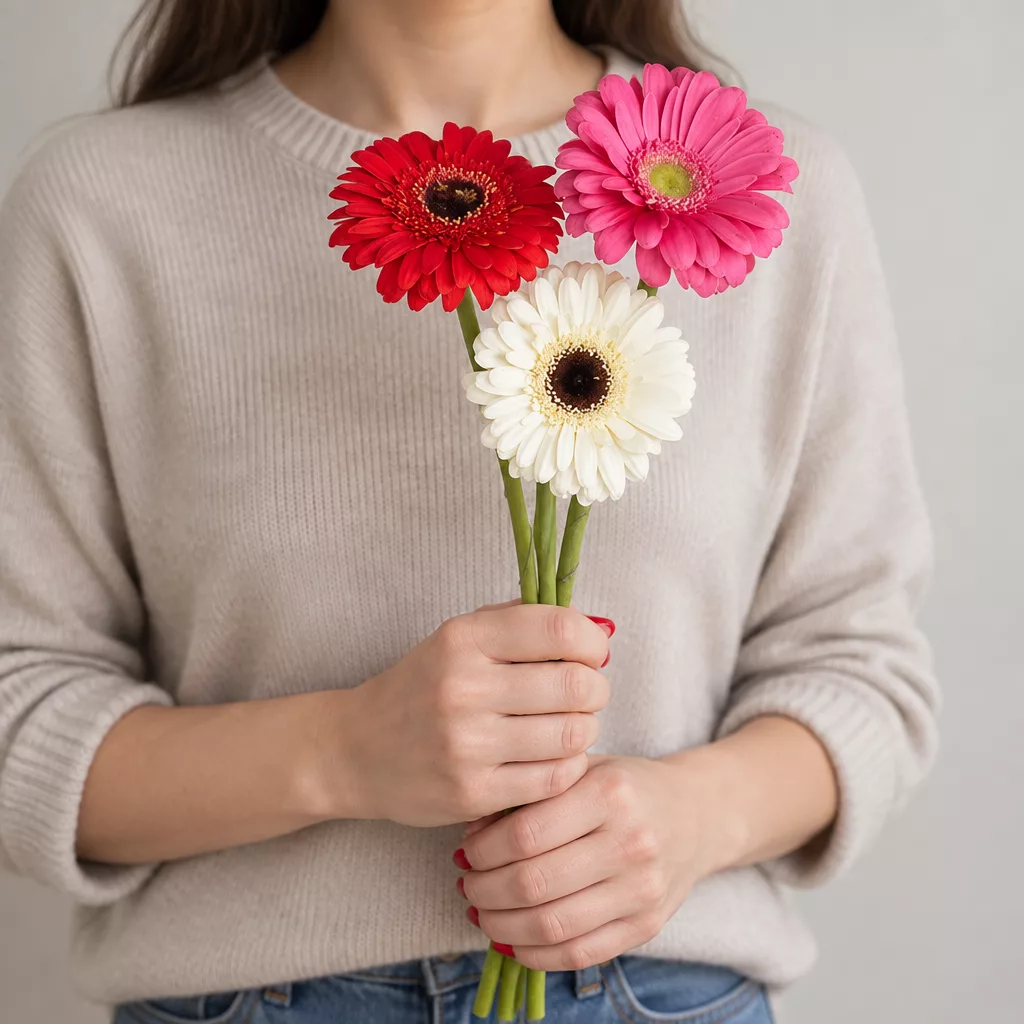
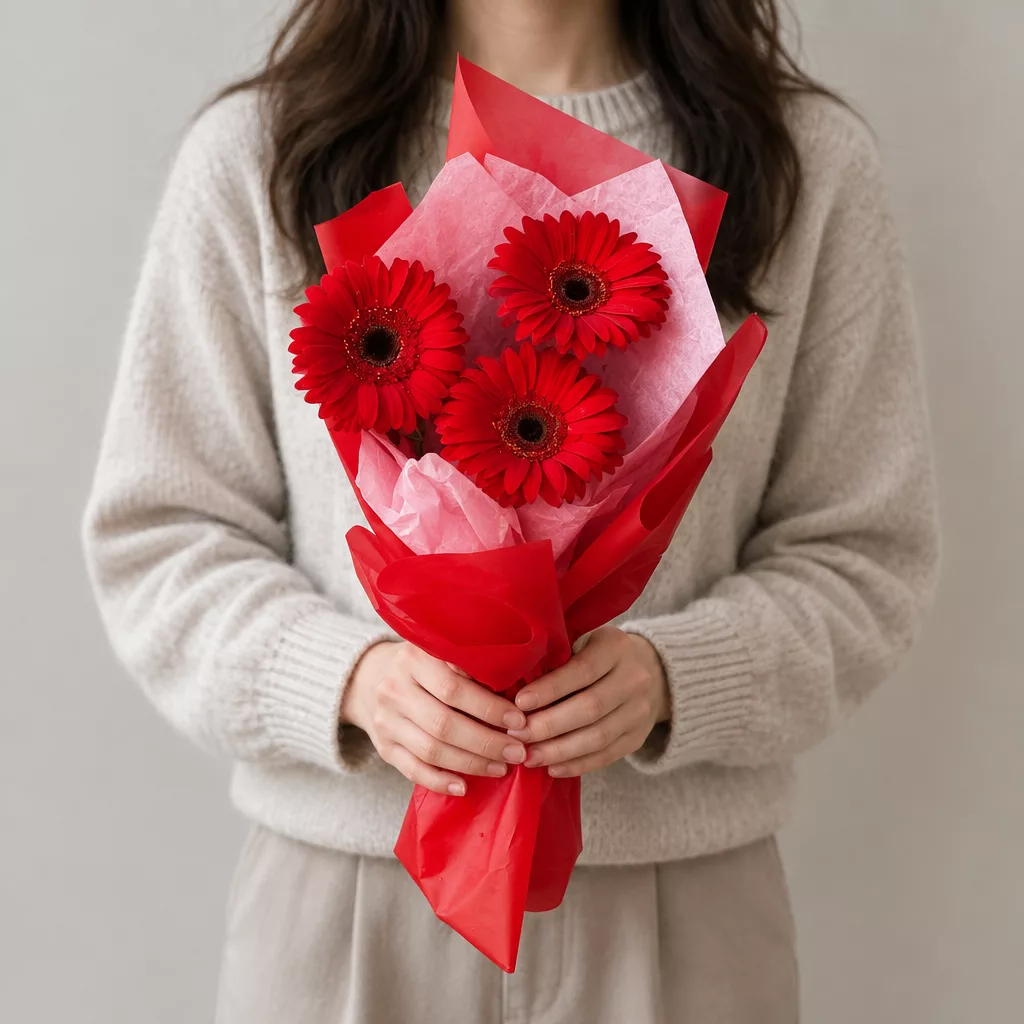
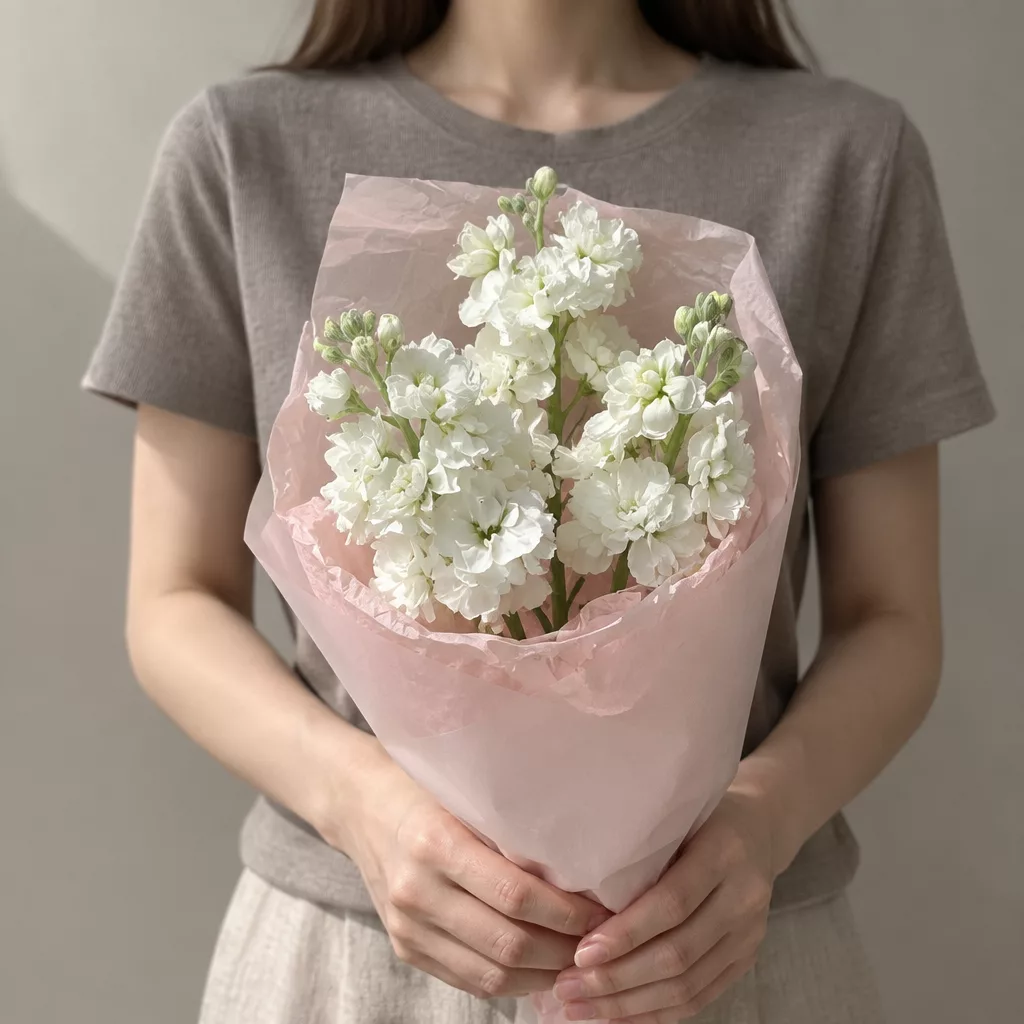
Bouquets we can deliver

Which Payment Methods Do Work When Ordering From Abroad
The most reliable method for international customers is a Visa or Mastercard issued outside Russia. While PayPal is blocked, direct card payments processed through certain acquiring systems that have maintained cross-border functionality continue to work for many customers. The key is that the card itself — not a wallet sitting on top of it — is what gets processed. If your card declines, it is worth trying a second card from a different issuing bank, because individual banks have different correspondent relationships.
Mir cards, Russia's domestic payment system, work seamlessly for anyone who has one, but most international customers do not hold a Mir card. UnionPay cards issued by Chinese or some other Asian banks have also worked for a portion of customers, since UnionPay maintains its own network infrastructure that operates independently.
For customers who genuinely cannot use a card, cryptocurrency payments have become a quiet but practical option. Bitcoin and certain stablecoins can be accepted on request — it is worth contacting the shop directly to confirm current availability before you count on it. Bank wire transfers are another route, though they take longer to clear and are better suited to orders placed at least a day in advance rather than same-day deliveries. The shop's support team can provide SWIFT or IBAN details when needed, and they will confirm receipt before the bouquet goes out.
Choosing the Right Bouquet for the Person Receiving It
Payment sorted, now comes the more personal question: what should you actually send? In Russian culture, the number of flowers in a bouquet carries meaning. An odd number — five, seven, eleven, fifteen stems — is for celebratory occasions. An even number is traditionally reserved for mourning, so always aim for odd counts when you are celebrating a birthday, anniversary, new job, or any happy event. Most florists here follow this convention automatically, but if you are building a custom arrangement it is worth specifying.
For someone you know well, think about the season first. In summer, garden roses, peonies, and lisianthus hold beautifully in Saint Petersburg's warm but often humid air. In winter, tropical varieties like anthuriums and birds of paradise travel better in the cold and look striking against the grey city backdrop. Tulips are enormously popular in spring and make an affordable, cheerful choice in March and April when they are at their freshest.
For someone you do not know as well — a colleague, a business contact, or a host — a mixed bouquet of white and cream tones with greenery reads as elegant and safe. Avoid strongly scented flowers like lilies if you do not know whether the recipient has pets at home, since lilies are toxic to cats. A simple question in the order notes — something like 'no strong fragrance please' — is enough for the florist to adjust.
Budget Ranges and What Each One Gets You
Flower prices in Russia are quoted in rubles, which can feel abstract if you are converting from euros or dollars. Rather than focusing on the number, think in terms of what each range delivers in terms of stem count, variety quality, and presentation.
At the lower end of the range you will get a tight, single-variety bouquet — perhaps seven or nine spray roses with eucalyptus, wrapped simply in kraft paper. It is a perfectly warm gesture and looks lovely on arrival. The stems will be fresh because Turboflora delivers within one to two hours of cutting and conditioning, so even modest bouquets feel generous when they arrive at the door in perfect shape.
In the mid range you move into mixed arrangements: garden roses combined with ranunculus or freesia, or a seasonal selection built around a statement flower like a peony or protea. These bouquets have more visual depth and tend to last longer because the mix of stem types means different flowers peak at different times across the week.
At the higher end, expect a designer arrangement with premium Dutch roses, imported exotics, or a large-format box arrangement. Box arrangements — flowers presented in a hat box or wooden crate rather than a traditional bouquet — have become very fashionable in Saint Petersburg and make a strong impression when delivered to an office or hotel lobby. They also travel well and do not require the recipient to find a vase immediately, which is useful if you are not sure of their home setup.
How Flowers Are Kept Fresh During a Russian Delivery
One question international customers often ask is whether flowers survive the journey, especially in extreme temperatures. Saint Petersburg sits at nearly sixty degrees north latitude, which means winters can drop well below freezing and summers occasionally push past thirty degrees Celsius. Both extremes require specific handling.
In winter, bouquets are wrapped in insulating paper sleeves and, for longer journeys or particularly cold days, placed inside thermal packaging before going into the delivery vehicle. Roses and tulips are especially sensitive to freezing — even a few minutes of exposure to minus fifteen can cause the outer petals to blacken. The one to two hour delivery window that Turboflora operates within is genuinely protective here, because the flowers spend very little time in transit compared to next-day courier services.
In summer heat, the shop conditions flowers in refrigerated storage right up until the moment of dispatch. Hydrangeas and garden roses are the most heat-sensitive varieties and benefit most from this. Tropical stems like anthuriums and heliconias actually prefer warmth and fare better in July than in January.
When the bouquet arrives, the recipient should cut the stems at a diagonal under running water — not on a dry surface — and place them in a clean vase with fresh water immediately. Removing any leaves that would sit below the waterline prevents bacterial growth. Most cut flowers in good condition last seven to ten days with daily water changes, and some varieties like chrysanthemums and alstroemerias can go two weeks easily.
Placing Your Order When You Are in a Different Time Zone
Saint Petersburg runs on Moscow Standard Time, which is UTC plus three hours with no seasonal change. If you are ordering from Western Europe, you are two or three hours behind. From the United States East Coast you are eight hours behind, and from the West Coast eleven hours. This matters because flower shops have delivery windows, and a bouquet ordered at what feels like mid-afternoon your time might actually be going out in the Saint Petersburg evening.
The shop operates across a wide daily window, and same-day delivery is available for orders placed before the cut-off time. When you are unsure whether your order will make it the same day, the safest approach is to schedule delivery for the following morning. A morning delivery — arriving between nine and noon — is actually considered particularly thoughtful in Russian culture for birthdays, as it means the recipient starts their special day with flowers rather than receiving them in the evening as an afterthought.
When writing the delivery address in the order form, include the apartment number and the entry code for the building intercom if you have it. Most residential buildings in Saint Petersburg have a coded intercom at the street door, and without the code the courier cannot reach the flat. If you do not have the code, a note asking the recipient to meet the courier downstairs is a helpful fallback. The shop's support team is reachable by chat and can relay messages to the delivery driver in real time.
What to Write on the Card When English Is Your First Language
A handwritten card accompanying a bouquet is standard practice in Russia, and recipients genuinely read and keep them. If you write your message in English, that is completely fine — receiving a card in a foreign language often feels more personal rather than less, because it shows the sender made an effort across a distance. You can type your message in the order notes and the shop will transcribe it onto a card in your original language.
If you would like the message translated into Russian, mention this in the order notes and provide the English text. A simple, warm phrase in Russian is often appreciated, especially for older recipients who may not read English comfortably. Something like a birthday wish or a line about thinking of someone from far away translates beautifully and takes very little space on a card.
Keep the message itself short and specific. Generic phrases like 'wishing you all the best' feel thin; something that references a shared memory, a specific quality you admire in the person, or even just the distance you are sending from — 'from London with love' — gives the card weight. Russian recipients tend to find directness warm rather than forward, so saying exactly what you feel is always the right call. The card is often photographed and shared with family, so a message that reads well aloud in any language makes the bouquet memorable long after the flowers have faded.
Sending flowers to someone in Russia from abroad takes a small amount of planning — mostly around payment and timing — but once those pieces are in place the experience is straightforward and the result is genuinely moving for the person on the receiving end. PayPal is off the table for now, but a direct card payment, a wire transfer, or a quick message to the shop about alternatives will get you there. The flowers themselves, cut fresh and delivered within one to two hours, do the rest of the work. We deliver bouquets across Russia in 1–2 hours.
Frequently asked questions
Can I pay with Google Pay or Apple Pay for a flower delivery to Russia?
Google Pay and Apple Pay work only when the underlying card they are linked to can process the transaction. If your non-Russian card declines through these wallets, try entering the card details directly at checkout instead. Some card-wallet combinations that fail through the app succeed when the card number is entered manually, because the routing path differs slightly.
How far in advance should I order flowers for delivery to Saint Petersburg?
For same-day delivery, place your order at least two to three hours before the desired arrival time, accounting for the Saint Petersburg time zone. For a specific morning delivery — which is the most appreciated slot for birthdays — ordering the evening before is the safest approach. This also gives you time to confirm your payment went through without any last-minute stress.
Is it rude to send an even number of flowers in Russia?
Yes, in Russian tradition an even number of flowers is associated with mourning and is brought to funerals. For any celebratory occasion — birthdays, anniversaries, graduations, or just a kind gesture — always choose an odd number of stems. If you are ordering a bouquet rather than specifying individual stems, the florist will follow this convention automatically.
What happens if the recipient is not home when the flowers arrive?
The courier will contact the recipient directly by phone before arrival. If no one answers, the shop will reach out to you as the sender to decide on next steps — rescheduling, leaving with a neighbour, or holding the bouquet for a short window. Providing a working Russian mobile number for the recipient in the order form makes this situation much easier to resolve quickly.
Which flowers last longest after delivery in a Russian apartment in winter?
Chrysanthemums, alstroemerias, and carnations are the longest-lasting cut flowers and handle the dry indoor heating typical of Russian apartments in winter particularly well. Orchid stems also last exceptionally long. Roses and tulips are shorter-lived but can be extended significantly by daily water changes, a diagonal stem cut every two days, and keeping them away from radiators and direct sunlight.
Ready to send flowers?
Pick the city, choose the bouquet, and a local florist takes it from there.
Choose a city →