Peonies in Russia: Why the Season Is Short and Demand Is Always High
There is a moment every May when peony buds appear in the market and something shifts in the city. Florists feel it before customers do — the messages start arriving, the orders stack up, and everyone wants the same flower at the same time. If you have ever tried to send peonies in late June and found them gone, or wondered why the price you paid in May felt steep compared to roses, this article is for you. Understanding the peony window in Russia makes you a smarter buyer and means the person you are sending flowers to actually receives them at their most beautiful.
Why the Russian Peony Season Is So Narrow
Russia's climate is the whole story. Peonies are hardy perennials, but they need a long cold winter to set their buds properly and a warm spring to push them open. In the Saint Petersburg region and across central Russia, that combination produces a flowering window that runs roughly from mid-May to late June — six weeks if the weather cooperates, sometimes only four if June turns hot early.
Compare that to the Netherlands, where growers use greenhouses and staggered planting to supply peonies almost year-round. Russian-grown peonies do not have that infrastructure behind them. They bloom when the ground tells them to, and then they stop.
The most common varieties you see in Russian florist buckets during this period are Sarah Bernhardt, with its classic deep pink and heavy fragrance, and Coral Charm, which opens from a deep coral bud to a softer peachy tone. Bowl of Cream, a large white double, appears slightly later in the window. Each variety has its own peak of perhaps ten to fourteen days before the quality of available stems starts to decline.
Once night temperatures in growing regions rise consistently above eighteen degrees Celsius, the stems become soft, the petals thin, and the flowers open too fast to survive transport. That is when the season ends — not on a calendar date but when the flower itself decides. Knowing this helps you understand that ordering in the first half of May rather than the last days of June is always the safer choice.
Bouquets we can deliver


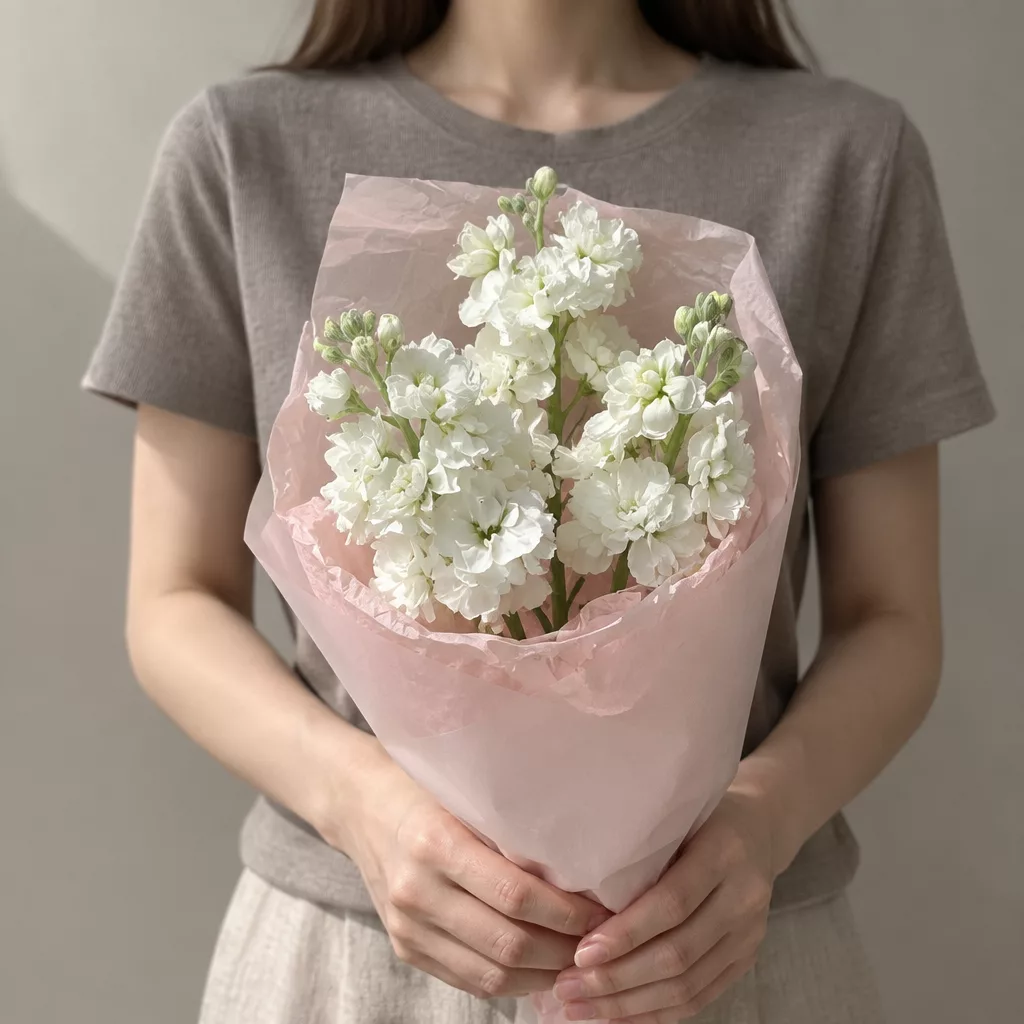
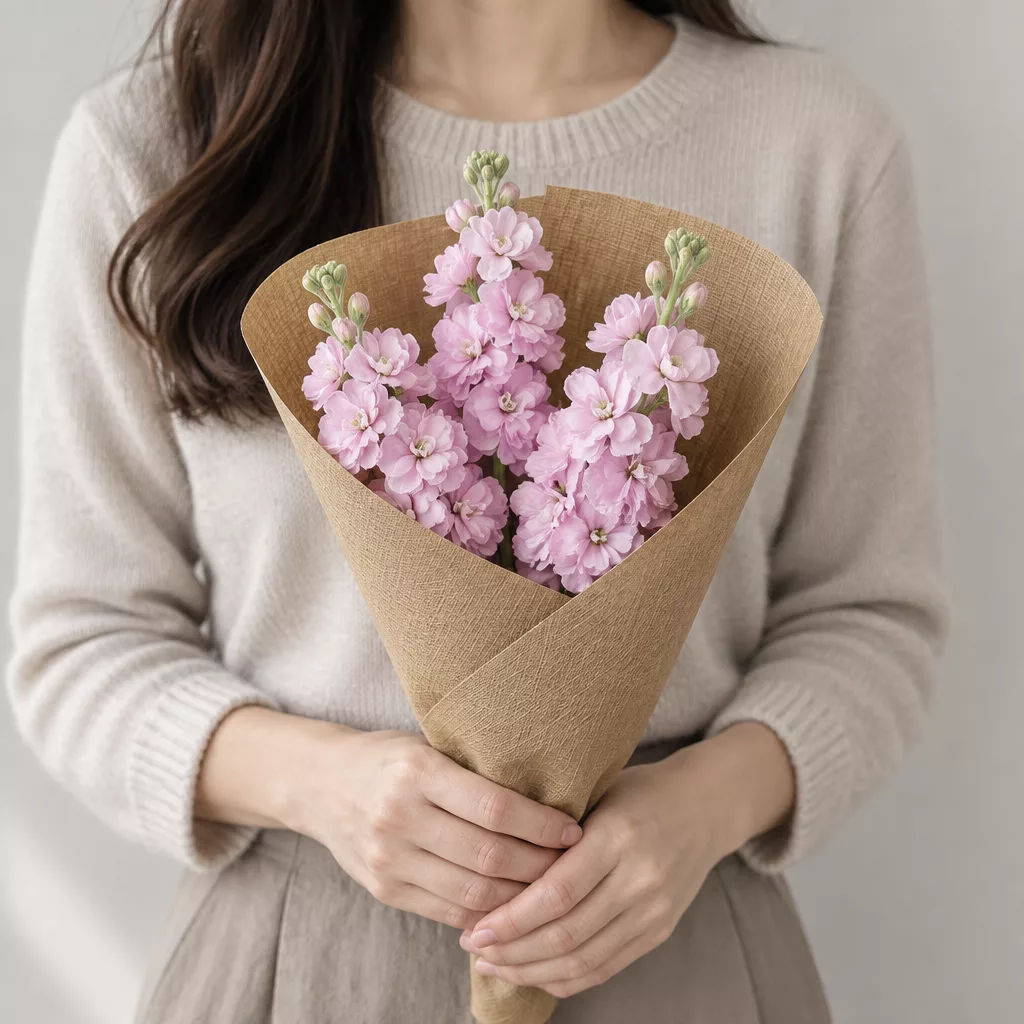
What Drives the Price Spike Every Spring
When a product is available for six weeks and demand concentrates into those same six weeks, prices rise. That is simple economics, but with peonies in Russia there are several layers that make the spike feel sharper than with other seasonal flowers.
First, there is the overlap with major gifting occasions. The ninth of May, Victory Day, falls squarely in the early peony window and is one of the most significant public holidays in Russia. Families gather, people give flowers to older relatives, and demand surges overnight. Teachers' Day, school graduations, and end-of-year celebrations all cluster in late May and June. Peonies become the flower of that entire emotional season, not just one occasion.
Second, transport and handling costs are real. A stem that has been cut for twenty-four hours in warm weather is already partway through its vase life. Responsible florists — and we count ourselves among them — refrigerate stock at between two and four degrees Celsius from the moment it arrives. That cold chain costs money and requires investment in storage that not every seller maintains.
Third, there is genuine scarcity. A grower cannot produce more peonies by working harder in May. The plants set their buds in autumn and there is no accelerating them. When a cold snap in late April damages early stems, the entire available volume shrinks and prices respond immediately.
For the buyer, this means that the price you see for peonies in May is not inflated arbitrarily. It reflects a real and narrow supply meeting a real and concentrated demand. Ordering early in the season, before the major holidays hit, gives you the best combination of quality and value.
Choosing Peonies for the Person and the Moment
Peonies carry a particular emotional weight in Russian culture that is worth understanding if you are sending them from outside the country or to someone you do not know well. They read as generous, romantic, and celebratory all at once — not formal in the way that red roses can feel, but also not casual. A bouquet of peonies says that you thought carefully and chose something beautiful rather than convenient.
For a birthday, a large mixed arrangement combining Sarah Bernhardt peonies with garden roses and eucalyptus creates a lush, abundant feeling that photographs well and fills a room with scent. For a romantic occasion, a monobouquet — one variety, one colour, densely packed — makes a stronger visual statement. Coral Charm in a tight round arrangement is particularly striking because of the way the colour shifts as the flower opens over several days.
For someone celebrating a professional achievement, white peonies mixed with ranunculus and soft green foliage feel elegant without being overwhelming. Bowl of Cream peonies work well here because their scale is impressive but their colour is neutral enough to suit any interior.
Think also about the recipient's home. A person in a small apartment may be better served by a compact arrangement in a low vase than by a tall, sprawling bouquet that has nowhere to breathe. When you order, passing this kind of detail along to the florist helps enormously. We always appreciate knowing whether the flowers are going to a bright modern kitchen or a more traditional home, because it shapes how we build the arrangement.
How to Order Peonies Without Missing the Window
The most common mistake is waiting until the feeling strikes. Someone sees peonies on social media in late May, decides they want to send them for a birthday on the fifth of June, and by then the best stems are already spoken for or the season has begun to close. Peonies reward the person who plans a week or two ahead.
If you know that a birthday, anniversary, or graduation falls in May or June, mark it now and set a reminder to order at least five to seven days before the date. This gives the florist time to source the best available stems, condition them properly, and schedule delivery without rushing. Rushed peony orders in peak season often mean flowers that have been handled too quickly and arrive more open than ideal.
When you order, specify the stage of opening you prefer. Peonies can be cut and delivered as tight buds — they will open over two to four days at room temperature — or as flowers that are already partially open and will be fully beautiful within twenty-four hours. Tight buds are better if the recipient travels frequently or if the flowers need to last through a long weekend. Already-opening stems are better if you want an immediate visual impact, say for a party or a dinner that evening.
For delivery across Russia, timing matters even more. A bouquet leaving Saint Petersburg for Kazan or Novosibirsk needs to be packed for travel. We use water-retaining packaging and cool containers precisely because peonies are sensitive to temperature fluctuation during transit. Ordering by midday gives us the best chance of same-day or next-morning delivery in good condition.
Vase Life: What to Expect and How to Extend It
A well-conditioned peony in a properly maintained vase will last seven to ten days. That is genuinely good for a fresh-cut flower of this size and fragrance. But vase life is not automatic — it depends on a few straightforward steps that many people skip.
When the bouquet arrives, cut at least two centimetres from the bottom of each stem at a forty-five degree angle. Do this under running water or while the stem is submerged, which prevents air from entering the cut and blocking water uptake. Remove any leaves that would sit below the waterline in the vase, because submerged foliage rots quickly and contaminates the water.
Fill the vase with cool, clean water — not cold, not warm. Peonies drink steadily and the water should be changed every two days. Each time you change it, re-cut the stems slightly. This simple habit alone can add two or three days to the life of the arrangement.
Keep peonies away from direct sunlight, radiators, and fruit bowls. Ripening fruit emits ethylene gas, which accelerates flower aging. A cool room, ideally between sixteen and twenty degrees Celsius, is ideal. At night, if your home is warm, moving the vase to a cooler hallway or even a cool corner of the kitchen extends the display.
If buds arrive very tight and seem reluctant to open, place them in slightly warmer water and bring them into a warmer room for a few hours. If flowers are opening faster than you want, move them somewhere cooler. You have more control than most people realise — the flower responds to temperature reliably and quickly.
Sending Peonies Across Russia: What Actually Happens
Russia is a vast country, and sending flowers from Saint Petersburg to a recipient in another city raises practical questions that deserve honest answers. The good news is that peonies, when handled correctly, travel well — better than many people expect.
The key variable is the stage of the flower at the time of packing. We send peonies for long-distance delivery as buds rather than open flowers. A bud is structurally more robust, loses less moisture during transit, and will open beautifully once it reaches the recipient and is placed in water. An already-open flower, however gorgeous at the moment of packing, is more vulnerable to pressure and temperature change during a multi-hour journey.
We pack stems in water-retaining floral foam or wrapped in damp tissue inside sealed packaging, then place the arrangement in an insulated box. In summer months, when ambient temperatures can exceed twenty-five degrees Celsius, this insulation is not optional — it is what keeps the flowers alive during the final kilometres of delivery.
Delivery within one to two hours is our standard for Saint Petersburg. For other Russian cities, transit time varies and we are transparent about what is realistic for each destination. The honest answer is that a peony sent on a Tuesday morning has a better journey than one sent on a Friday afternoon in thirty-degree heat. We factor in the weather, the time of day, and the distance when advising on order timing.
If you are sending peonies to mark a specific moment — a graduation ceremony, a birthday dinner — coordinate the delivery time carefully. Flowers that arrive two hours before the event are perfect. Flowers that arrive the morning after are still beautiful, but the moment has passed.
Peonies are worth the planning they require. There is no other flower that fills a room the way they do, that carries their particular combination of scale, scent, and softness, or that feels as genuinely celebratory in the Russian spring. The narrow season is not a problem to work around — it is part of what makes them special. When someone receives peonies, they know that the person who sent them paid attention, chose something that does not last forever, and sent it at exactly the right time. That is a message in itself, and it is one worth delivering well.
Frequently asked questions
When exactly is the best time to order peonies in Russia?
The sweet spot is mid-May to early June. Stems are at peak quality, prices have not yet hit their highest point, and the season is long enough that you have flexibility. Ordering before the major May holidays gives you the best selection of varieties and the freshest available stock. After mid-June, quality becomes less reliable as temperatures rise.
Can I order peonies outside the May–June season?
Imported peonies from the Netherlands or Ecuador are sometimes available outside the Russian season, but the variety range is narrower, fragrance is often lighter, and the stems have traveled further. We are honest with customers when local season stock is unavailable. If you want the full peony experience — large heads, strong scent, long vase life — the domestic season is genuinely the right time.
Why do my peonies sometimes arrive as very tight buds that seem closed?
Tight buds are intentional for long-distance orders. They travel better and give the recipient the pleasure of watching the flower open over two to four days. Place them in a warm room with fresh water and they will open reliably. If you need flowers that are already open on arrival, specify this when ordering and we will adjust the stem selection accordingly.
What is the biggest mistake people make with peonies in a vase?
Placing them near a heat source or in direct sunlight. Warm air causes peonies to open and fade much faster than necessary. A cool room, clean water changed every two days, and stems re-cut each time you change the water will reliably extend vase life by several days. Keeping them away from fruit bowls also makes a noticeable difference.
Are peonies appropriate for any occasion or are they specific to romance?
Peonies are genuinely versatile. In Russia they are given for birthdays, graduations, professional celebrations, and as thank-you gifts as readily as for romantic occasions. The colour and arrangement style do most of the emotional work — white and cream feel elegant and neutral, deep pink reads as warm and generous, coral feels modern and personal. Almost any positive occasion suits them.
Ready to send flowers?
Pick the city, choose the bouquet, and a local florist takes it from there.
Choose a city →