Plant bouquet: what it means and how to choose yours
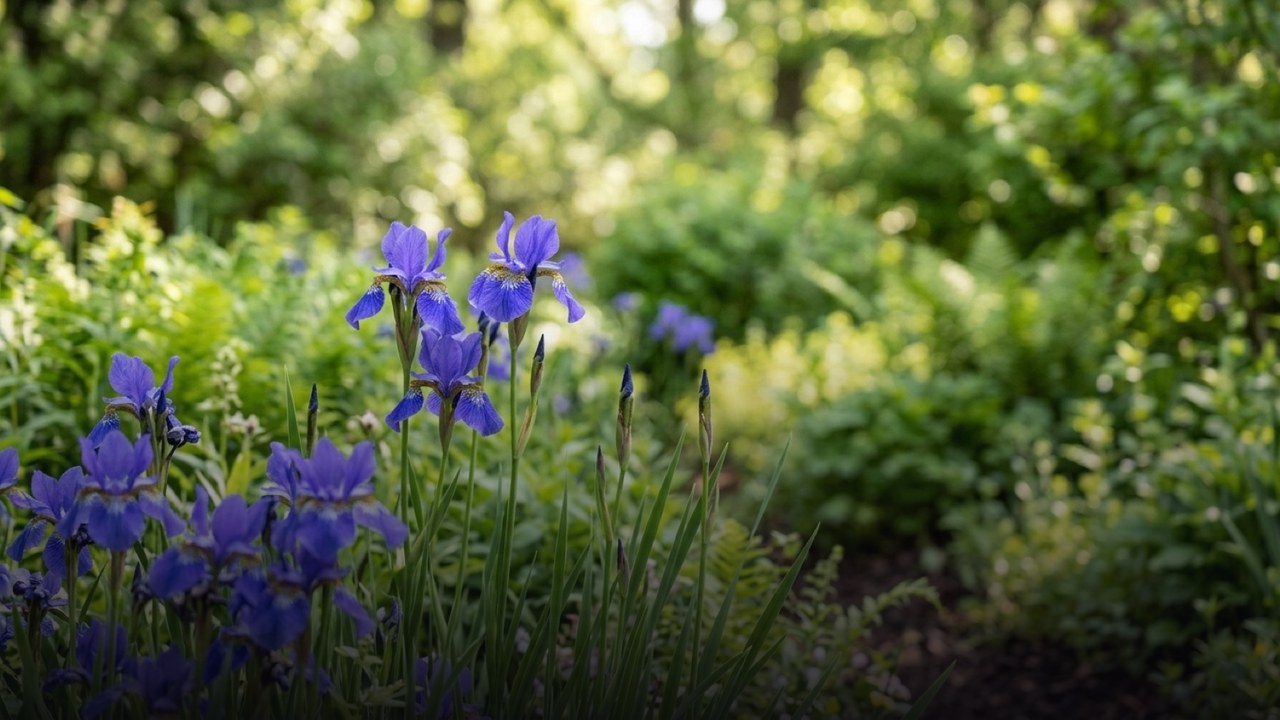
A plant bouquet usually means an arrangement of cut flowers and foliage, although the phrase can also describe rooted plants grouped as a gift. The useful distinction is whether the stems belong in a vase or have roots that need a suitable growing medium. If you mean a bouquet you can plant afterwards, ordinary cut flowers should not be assumed to grow.
Start with the result you want: flowers to enjoy immediately, or a living plant the recipient can keep growing. These gifts ask different things of the person receiving them, especially in terms of space, light and care. When sending flowers to someone in Russia, decide on the gift first, then organise the address, timing and message around their routine.
How to tell a cut bouquet from a living plant arrangement
A conventional bouquet contains stems cut away from their roots. Flowers provide colour and shape; foliage adds structure and helps separate individual blooms. Even when an arrangement looks leafy or is described as botanical, that does not make it a collection of living houseplants. Look for an explicit description of roots, pots or a growing medium before treating it as one.
A rooted plant arrangement contains plants with functioning roots, usually held in individual pots or planted together in a container. A decorative outer cover can hide those pots, so appearance alone is not enough. If several plants share a container, their needs should be compatible: a moisture-loving plant and one that needs dry conditions are difficult to care for together.
For a flower order, use clear language such as “a cut-flower bouquet with plenty of foliage” instead of relying on the phrase “plant bouquet”. You can explore the bouquets catalogue for a starting point. If you specifically want rooted plants, ask whether that option is available before planning the gift; do not assume a bouquet listing includes them.
Choose a gift that suits the recipient's space and routine
Cut flowers suit someone who wants to put a gift in water and enjoy it without taking on ongoing plant care. A rooted plant can be thoughtful for a keen grower, but it also needs a suitable place and regular attention. Before choosing one, consider whether the recipient has enough daylight, travels frequently or already struggles to find room for existing plants.
Think about where the gift will stand. For a dining table or a desk, a compact arrangement leaves room for everyday use and conversation. Long stems need a stable vase with enough height to support them. If you do not know what vase the recipient owns, ask about a manageable bouquet size when choosing; elaborate proportions can be awkward in a small flat.
In homes with pets or young children, identify the actual flowers and foliage before making a choice. Some familiar bouquet and houseplant species are unsafe if chewed, and lilies are especially dangerous to cats. “Natural” does not mean harmless. Check reliable species-specific guidance and choose another composition whenever you cannot establish whether the intended plants are suitable.
Bouquets we can deliver




Use colour and etiquette to make the message clear
Begin with the occasion and your relationship, then choose a colour direction. Soft shades can suit a quiet gesture of support; vivid colours may fit a cheerful thank-you or birthday. These are design choices rather than fixed meanings. The recipient's favourite colours and preferences are more useful than a flower dictionary, particularly when you are sending a gift across cultures.
For celebrations in Russia, an odd number of flowers is the usual convention when individual blooms are counted. Even numbers are traditionally associated with mourning. Mixed bouquets with many small flowers can be less straightforward to count, so explain the occasion when discussing your choice. For a sympathy gift, consider the family's customs and the setting before deciding on the arrangement.
A short card helps explain your intention, especially if a gift could otherwise feel ambiguous. You might write, “Thinking of you and wishing you a peaceful week,” or simply name the occasion. Our delivery is anonymous by default: the courier does not name the sender. A card with your text is free, so include your name in that text if you want the recipient to know who sent it.
Care for cut flowers and foliage after arrival
Prepare a clean vase before arranging the stems. Remove leaves that would sit below the waterline, then trim the stem ends with a clean, sharp tool before putting them into water. Submerged leaves break down and make it harder to keep the vase clean. If flower food is supplied, follow its mixing instructions rather than adding an estimated extra dose.
Place the bouquet away from radiators, direct sun and ripening fruit. Check the water daily, because a full arrangement can use more than you expect, and refresh it regularly. When changing the water, wash away any residue inside the vase and remove deteriorating leaves or flowers. Recutting the stems with a clean tool can help keep their ends free of damaged tissue.
Different flowers age at different rates, so remove individual stems as they fade and rearrange the remaining ones in a smaller vase if needed. Avoid promising yourself a fixed vase life based on the bouquet's appearance alone: species, maturity and room conditions all matter. A bouquet set into floral foam needs its water supply checked too; wetting the petals does not replace water around the stem ends.
Can you plant a bouquet or root its stems?
You cannot normally turn a cut bouquet into a planted arrangement simply by pushing the stems into soil. A stem without roots must first be capable of forming them, and not every species or piece of stem will do so. Some foliage and suitable stem cuttings may root, but success depends on the plant, the condition of the material and how it is prepared.
If you want to try propagation, identify the species first and look up instructions for that plant. A usable cutting often needs a node, the point where leaves or buds emerge, rather than just a flower stalk. Remove the flower if the relevant method calls for it, use clean equipment and keep the experiment separate from the main bouquet so you can care for each appropriately.
For a gift intended to keep growing, choose a confirmed rooted plant rather than making propagation part of the promise. Ask for the plant's name and care guidance, including its light and watering needs. If it sits inside a decorative cover, check whether water collects at the bottom; roots should not be left standing in trapped water unless the particular plant is grown that way.
How to arrange flower delivery to Russia from abroad
We deliver flowers across Russia. Start with the recipient's city and address, their contact number, the occasion and your preferred date. A manager can help you choose a bouquet and agree the time, address and card text through WhatsApp. You can also discuss a photo of the bouquet before delivery, which is useful when you are organising the gift from another country.
City delivery costs 500 RUB; for remote districts and suburbs, the operator confirms the price when confirming the order. Express delivery in large cities is 1–2 hours after confirmation. You can also arrange an exact time within plus or minus 30 minutes, choose a 09–12, 12–15, 15–18 or 18–21 window, or pre-order 1–30 days ahead. Specify the recipient's local time when agreeing the details.
The courier calls the recipient about 15 minutes before arrival. If they are absent, we agree a second delivery that day or, with your consent, hand the flowers to a neighbour or concierge. Review delivery and payment details before checkout. Online payment uses CloudPayments; check the options displayed at checkout, since acceptance of every foreign card cannot be guaranteed.
Frequently asked questions
Is a plant bouquet the same as a potted plant?
Not necessarily: the phrase often means cut flowers arranged with foliage. Check whether the gift contains rooted plants in pots or a growing medium, because leafy cut stems still need vase care.
Can I grow plants from a bouquet?
Some suitable stems may root, but many bouquet stems will not develop into plants. Identify the species and follow a propagation method for it; choose a rooted plant if continued growth is essential to the gift.
How should I describe a bouquet with lots of greenery?
Ask for a cut-flower bouquet with abundant foliage, then explain the size, colours and occasion you have in mind. Confirm the proposed composition rather than assuming that a description establishes which plants are available.
Can I send flowers anonymously to someone in Russia?
Yes, our delivery is anonymous by default and the courier does not name the sender. The free card can carry your message; leave your name out of that text if you want it to remain unsigned.
Can I pay for a bouquet from another country?
Online checkout uses CloudPayments. Check the payment options shown there before placing your order, as acceptance of every foreign card cannot be guaranteed.
Ready to send flowers?
Pick the city, choose the bouquet, and a local florist takes it from there.
Choose a city →