Potted Plants vs Cut Flowers: Which Do Russians Prefer as Gifts?
You want to send something meaningful, but you are not sure whether to choose a lush potted plant sitting on a windowsill for years or a vivid bouquet that fills the room the moment it arrives. In Russia both have their place, but each carries its own signal — and getting that signal right is what separates a gift that lands perfectly from one that quietly puzzles the recipient. Here is what a florist who delivers across Russia every day has learned about what people actually feel when they unwrap each one.
What a Bouquet Communicates in Russian Culture
Fresh-cut flowers carry a sense of occasion in Russia that is almost theatrical. When someone walks through a door holding a wrapped bouquet, the room changes — there is an immediate emotional charge that a potted plant simply does not produce in the same way. This is deeply rooted in how Russians mark moments: birthdays, anniversaries, graduations, the first day of school on September 1st, and professional celebrations all call for something that says 'today is special.'
The tradition of giving flowers at public events — handing roses to a teacher, presenting carnations at a ceremony — has shaped the expectation that cut flowers equal celebration. A bouquet is understood to be consumed by the occasion itself. Its beauty is tied to the moment, and that impermanence is part of the gift rather than a flaw.
Russians also pay close attention to the number of stems and the colour palette in ways that visitors sometimes underestimate. An odd number of flowers is the firm convention for a living recipient — even numbers are reserved for somber occasions. Red roses read as romantic and serious; white flowers are elegant but require context; bright mixed arrangements of ranunculus, tulips, or spray roses feel joyful and modern. Getting the combination right shows care, and that care is noticed immediately.
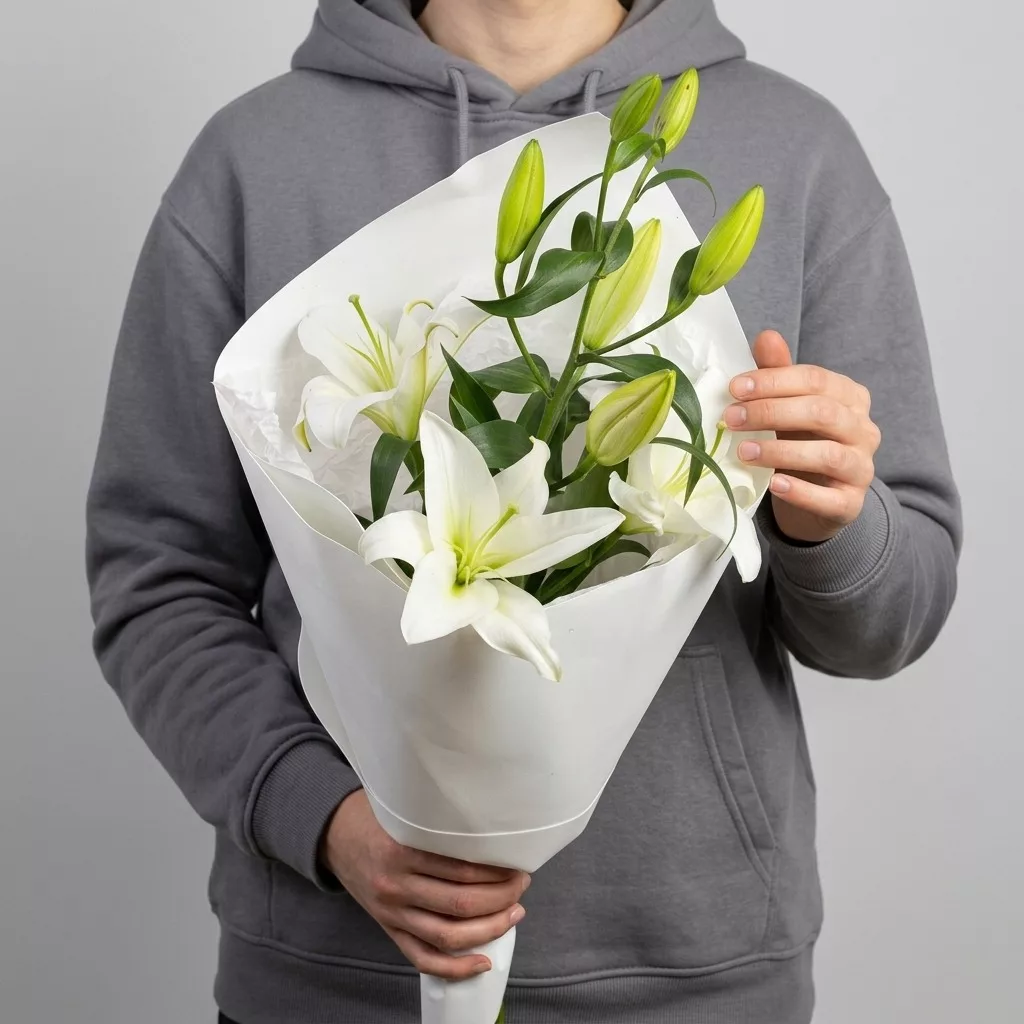
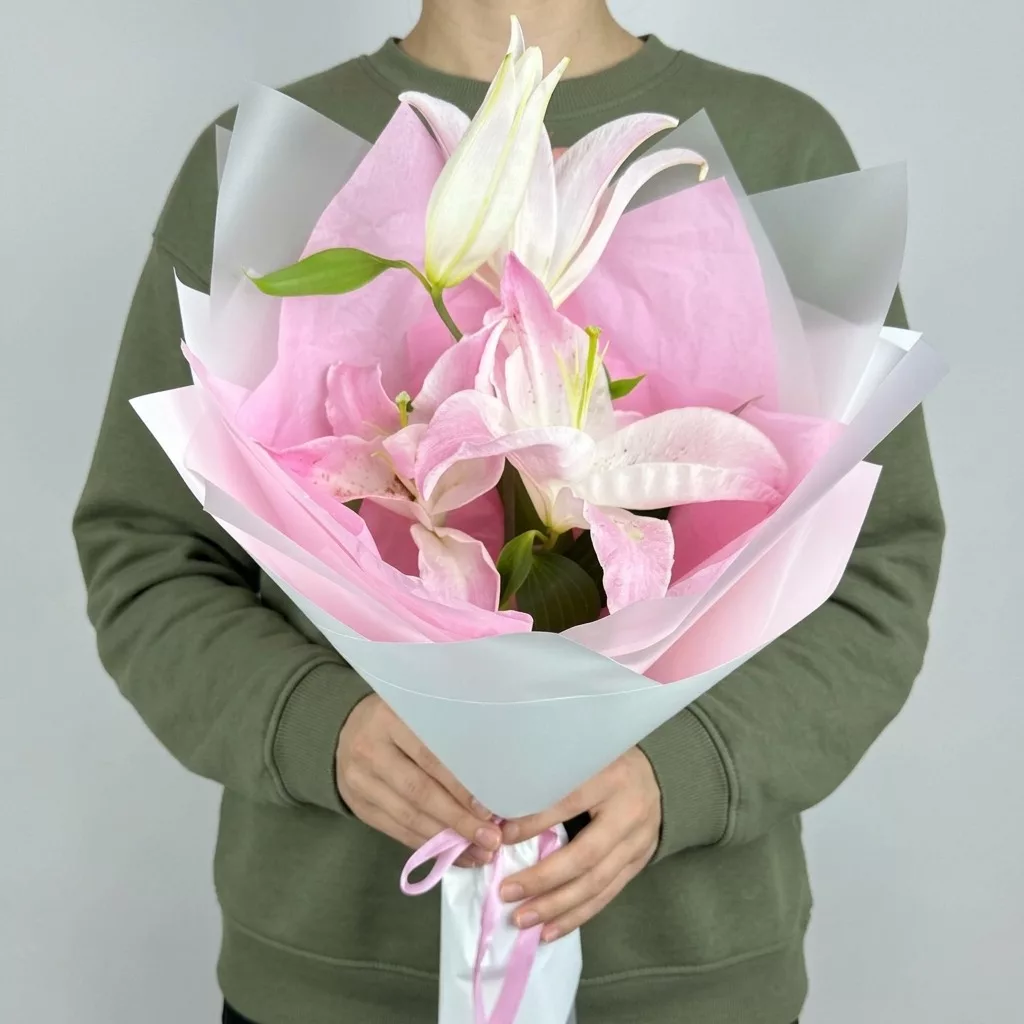
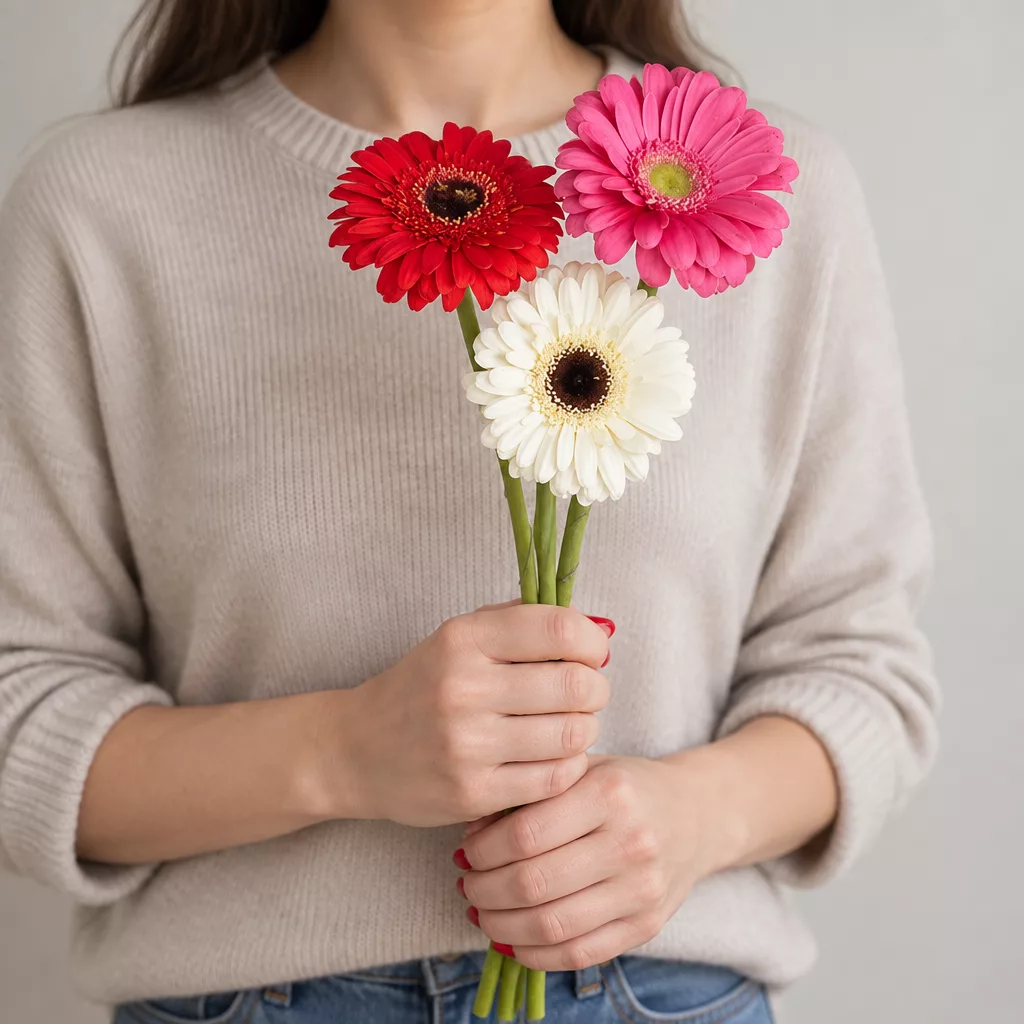
Bouquets we can deliver

When Russians Reach for a Potted Plant Instead
Potted plants have been climbing steadily in popularity across Russia, particularly among younger urban recipients and for occasions that are more domestic than ceremonial. A housewarming is the clearest example: bringing a living plant to a new apartment feels like planting a wish for the home to thrive. The same logic applies to a colleague who has just moved into a new office, or a friend recovering from illness who cannot easily care for a bouquet.
The most gifted indoor plants in Russian cities right now include peace lilies, money trees, anthuriums, and various succulents. Orchids — particularly Phalaenopsis — occupy a special position: they look expensive, last for months when cared for correctly, and have shed the old-fashioned association that once made them feel stiff. A single-stem orchid in a ceramic pot is now a completely acceptable and even stylish birthday gift for a woman in her thirties or forties.
There is also a generational shift worth noting. Older recipients, especially grandmothers and mothers of a certain generation, often feel that a potted plant is a more practical and lasting expression of love than flowers that will fade in a week. Telling a florist that the recipient loves gardening or has a sunny balcony is useful information — it shifts the conversation toward something with real personal resonance rather than a generic beautiful arrangement.
Choosing for the Situation: A Florist's Honest Breakdown
The clearest way to decide is to ask one question: is this occasion about a moment, or about a relationship that continues beyond today? A birthday dinner, a graduation, a romantic gesture — these are moments. A bouquet belongs there. A housewarming, a recovery from surgery, a thank-you to someone who helped you over several months — these are ongoing relationships. A plant belongs there.
For professional settings, cut flowers remain safer. Bringing a potted plant to a boss or a client can feel presumptuous, as if you are claiming space in their office permanently. A well-composed bouquet of garden roses or lisianthus is universally appropriate and carries no such weight.
Children's occasions are almost always better served by bright, bold bouquets — vivid gerberas, sunflowers, or cheerful mixed arrangements with seasonal blooms. Plants require care, and giving a child the responsibility of keeping something alive is a different kind of gift that needs to be intentional.
For long-distance delivery — sending a gift to Kazan, Novosibirsk, or Vladivostok — fresh flowers require fast, temperature-controlled logistics to arrive in good condition. Turboflora handles same-city delivery within one to two hours precisely to preserve that freshness. For recipients in very warm apartments during summer, a hardy potted plant can sometimes be a more reliable choice if you are worried about the flowers sitting in a hot hallway before they are collected.
Budget Conversations: What Each Option Gives You at Different Levels
At a modest budget, a single-variety bouquet of tulips, chrysanthemums, or alstroemeria can look genuinely generous when the stems are plentiful and the wrapping is considered. Thin bouquets with sparse stems read as an afterthought regardless of the flowers chosen — volume and presentation matter more than the variety name on the label. A tight round bouquet of white spray roses, for example, looks full and elegant well within a limited spend.
At a mid-range budget, you can start combining textures: garden roses with eucalyptus and wax flower, or peonies in season with soft greenery. This is where a bouquet starts to feel curated rather than purchased. The same budget applied to a potted plant gets you a healthy Phalaenopsis orchid or a well-potted anthurium in a decorative ceramic — both of which will outlast the bouquet by months.
At a higher budget, cut flowers allow for dramatic mono-bouquets of peonies or David Austin roses, or elaborate mixed arrangements that combine multiple stem types, foliage layers, and premium wrapping. A high-budget potted gift might be a large, mature peace lily or a sculptural succulent arrangement in a designer vessel. The key at every level is proportion: a large vessel with a small plant looks sad, and a small vase overwhelmed by enormous stems tips into chaos. The florist's job is to make the scale feel intentional.
Keeping Cut Flowers Fresh: What the Recipient Needs to Know
One reason some Russians quietly prefer plants is that they have received bouquets that wilted within two days and felt the disappointment of that. The vase life of fresh flowers depends almost entirely on the first thirty minutes after unwrapping. Stems should be cut at a diagonal under running water before going into a clean vase — a vase that was not rinsed properly harbours bacteria that shorten vase life dramatically.
Water temperature matters. Most cut flowers — roses, lisianthus, gerberas, carnations — prefer cool or lukewarm water, never hot. Tulips are an exception: they continue growing in the vase and will lean toward any light source, so rotating the vase daily keeps them upright. Changing the water every two days and re-cutting the stems extends the arrangement significantly.
The placement of the vase is often overlooked. Direct sunlight, proximity to a radiator, or sitting next to a fruit bowl — ethylene gas from ripening fruit accelerates wilting — all shorten the display life. A cool room away from drafts is ideal. In a Russian apartment during winter, the windowsill might seem logical but can be too cold overnight; a table away from the heating unit is usually better.
When flowers arrive from Turboflora, they are cut and packed to stay fresh during transit. Unwrapping promptly and following these steps means most arrangements will last seven to ten days with proper care — long enough for the occasion to fully settle.
Caring for a Gifted Potted Plant: Setting It Up to Thrive
Receiving a potted plant is a small commitment, and the first week is the most critical. Many gifted plants fail not from neglect but from overwatering — the instinct to water a new plant every day is understandable but almost always harmful. Most indoor plants, including peace lilies, anthuriums, and succulents, prefer the soil to dry slightly between waterings. Checking the top centimetre of soil with a finger is more reliable than any fixed schedule.
Light is the next variable. A Phalaenopsis orchid needs bright indirect light — a north-facing windowsill in a Russian apartment in winter may not be enough, while a south-facing window in summer can scorch the leaves. Peace lilies are unusually tolerant of low light, which makes them genuinely practical for Russian apartments where natural light is limited from October through February.
Temperature stability matters too. Most tropical houseplants that appear as gifts — orchids, anthuriums, money trees — dislike cold drafts from windows in winter. Placing them directly on a cold windowsill glass can cause root damage even if the room feels warm overall. A small piece of cork or a saucer underneath the pot provides insulation.
If the plant was gifted in a decorative sleeve or wrapped pot without drainage, the recipient should check whether there is a drainage hole underneath. Waterlogging in a sealed decorative pot is the single most common cause of gifted plant death, and it happens silently. Repotting into a simple terracotta pot with a saucer after a week or two is a straightforward solution that gives the plant a much better chance.
The honest answer to which Russians prefer is that it depends entirely on the person and the moment — and knowing the difference is the mark of a thoughtful sender. Cut flowers are for occasions that deserve to be felt right now: the excitement of a birthday morning, the warmth of a thank-you, the colour of a celebration. Potted plants are for relationships that you want to grow alongside the recipient, for homes being built, for people who find comfort in tending something living. Neither is wrong. Both, chosen well and delivered fresh, tell the person receiving them that someone paid attention.
Frequently asked questions
Is it true that even numbers of flowers are bad luck in Russia?
Yes, this is a genuine and widely observed convention. Even numbers of cut flowers are associated with mourning occasions, so always choose an odd number for a living recipient — three, five, seven, or more. Most florists follow this automatically, but it is worth confirming if you are ordering a specific stem count for a custom arrangement.
Can I send a potted orchid as a birthday gift to someone I do not know well?
A Phalaenopsis orchid in a clean ceramic pot is one of the safest potted gifts precisely because it reads as elegant and considered without being overly personal. It suits a colleague, a host, or a professional contact just as well as a close friend. Choose a white or pale pink variety if you are unsure about the recipient's taste — both are universally appropriate.
Which cut flowers last longest in a Russian apartment in winter?
Carnations, alstroemeria, and chrysanthemums consistently outlast most other varieties, often staying fresh for ten to fourteen days with clean water and regular stem trimming. Lisianthus is also excellent. Roses and tulips are beautiful but more sensitive to temperature swings — keep them away from radiators and cold windowsills for the best result.
Are there occasions in Russia where a potted plant would feel inappropriate?
A romantic first gesture is usually better expressed with a bouquet — a potted plant can feel domestic or presumptuous too early in a relationship. Formal public occasions like graduations or award ceremonies also call for cut flowers, since a plant is awkward to carry and present. When in doubt about the setting, a bouquet is the safer choice.
How do I make sure flowers arrive fresh if the recipient is not home when they are delivered?
Coordinate the delivery time directly with the recipient or someone who can accept it. Fresh flowers left in a warm hallway or outside a door for more than an hour in summer heat will suffer visibly. Turboflora delivers within one to two hours of your order, so scheduling the delivery when the recipient is available is straightforward and makes a real difference to how the flowers look when unwrapped.
Ready to send flowers?
Pick the city, choose the bouquet, and a local florist takes it from there.
Choose a city →