Thinking About Protea? Here Is Everything You Need to Know First
Protea stops people in their tracks. It sits in a bouquet the way a painting sits in a room — everything else arranges itself around it. If you are considering protea for someone special, or you have spotted it in a florist window and wondered what it costs and whether it will last, you are in the right place. This is a flower with a reputation for being difficult and expensive, and some of that reputation is earned. But when you understand what you are buying and who it suits, protea becomes one of the most rewarding choices you can make.
Why Protea Feels Different From Every Other Flower
Protea is not a flower that whispers. The most recognisable variety, King Protea — Protea cynaroides — can measure fifteen centimetres across, with stiff, layered bracts surrounding a dense central cone. It looks almost architectural, more sculpture than blossom. Then there is Pincushion Protea, Leucospermum, which offers a completely different personality: a tight, spiky dome of colour in coral, yellow or orange, vivid and almost cartoonish in the best sense.
Banksia, a close relative often grouped with protea in florist work, brings long textured cones in amber and rust. Blushing Bride, Serruria florida, is the delicate end of the family — small, papery, ivory-white, and surprisingly romantic for a genus known for drama.
What unites all of them is structure. These flowers do not droop or blur. They hold their shape for weeks, not days, which is part of why they command a premium. In Russia, where a bouquet often needs to survive a long commute across a city, or be presented at a celebration and then displayed at home for days afterward, that longevity matters enormously.
Protea also carries no strong scent, which makes it a thoughtful choice for people who are sensitive to fragrance. The experience of receiving protea is visual and tactile — the weight of it in the hand, the strangeness of the texture, the sense that someone chose something genuinely unusual. That feeling is the point.
Bouquets we can deliver


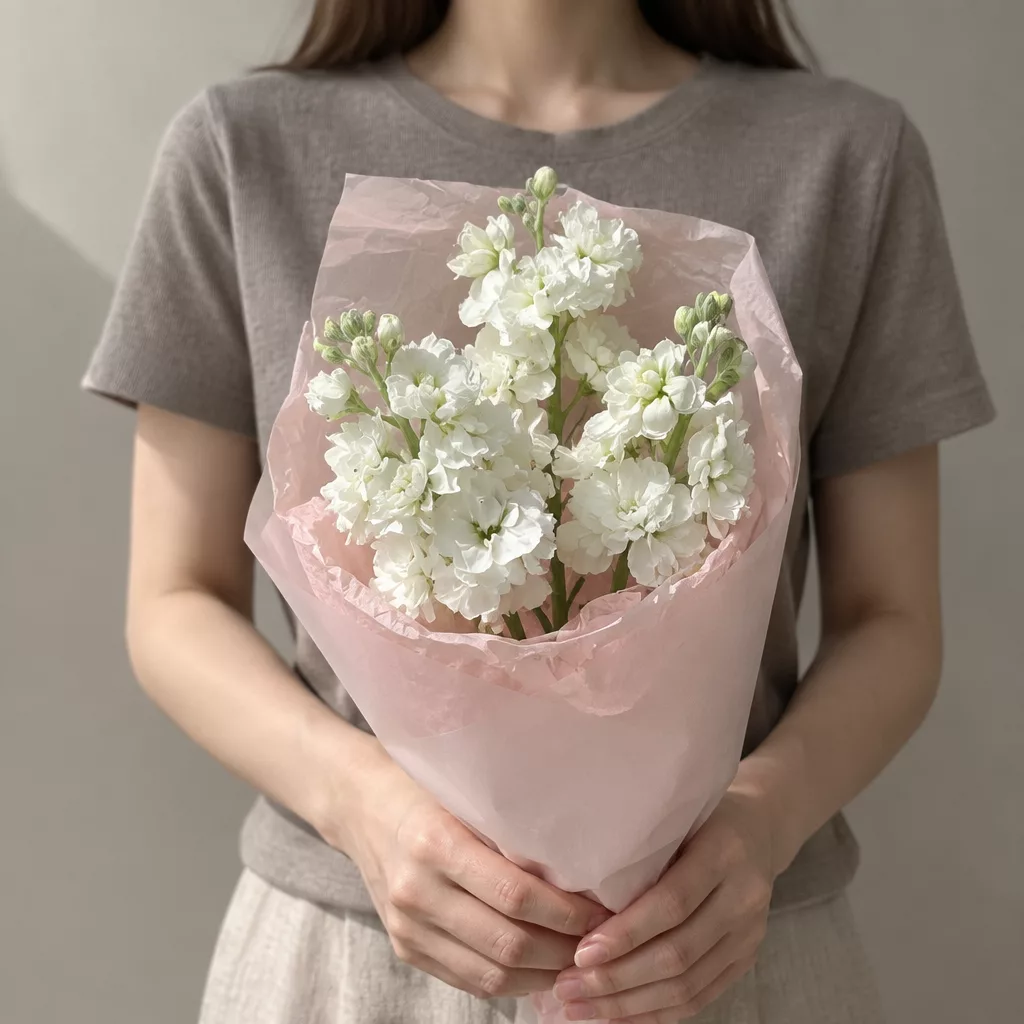
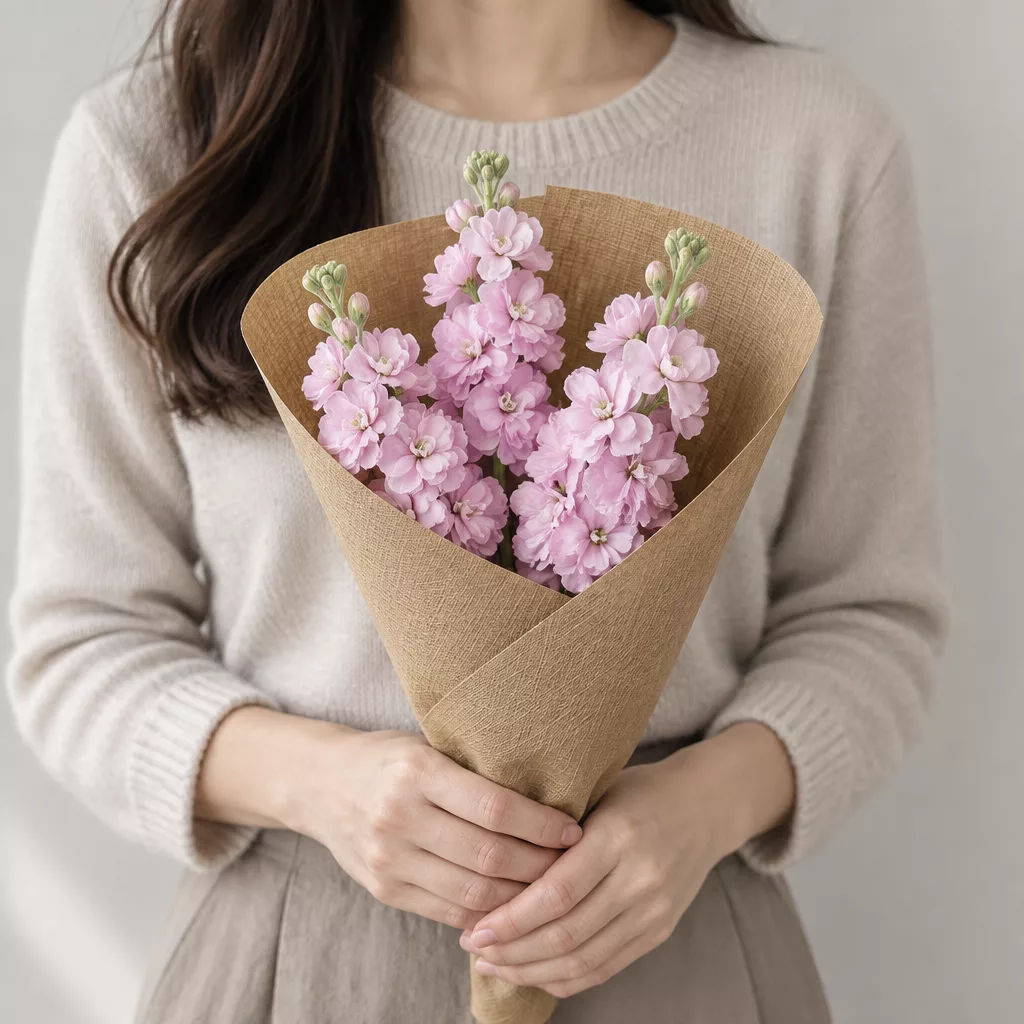
Where Russian Florists Source Protea and When It Arrives
Protea does not grow in Russia. The climate is entirely wrong — these plants originate in South Africa, Australia and parts of South America, and they thrive in dry heat with well-drained, nutrient-poor soil. Everything sold in Russian flower shops arrives by air freight, almost always via the Netherlands, which acts as the central hub for the global cut-flower trade.
The journey is long. Flowers are cut, conditioned, packed at low temperatures and flown to Amsterdam, where they pass through auction or wholesaler, then continue to Russia. Total transit time from origin to a Saint Petersburg florist can be four to seven days. This is why the condition of the flower when you receive it matters so much — and why buying from someone who handles imports carefully makes a real difference.
Availability in Russia is year-round for King Protea and Leucospermum, because South Africa and Australia have opposite growing seasons and the supply chain compensates. Blushing Bride is more seasonal and harder to find outside spring and early summer. Banksia appears reliably in autumn and winter, when its warm tones suit the season well.
Peak demand in Russia falls around February and March — Valentine's Day and International Women's Day on the eighth of March are the two biggest floral occasions in the country. If you want protea for either of those dates, ordering several days ahead is sensible. Supply tightens sharply in the week before the eighth of March in particular, and unusual flowers like protea are the first to disappear from stock.
Who Protea Is Really For and What Occasion It Suits
Protea is not a neutral flower. It makes a statement, and the person receiving it needs to be someone who appreciates that. It suits people with an eye for design — someone who decorates their home with intention, who follows art or architecture, who finds conventional roses a little predictable. It is an excellent choice for a colleague or friend you do not know intimately but want to impress with genuine thought.
For milestone birthdays — a fortieth, a fiftieth — protea carries the right weight. It feels significant without being sentimental. A single King Protea stem with supporting foliage can be more striking than a large bunch of standard flowers, and it communicates something about the recipient: that they are not ordinary, and you noticed.
Protea works beautifully for housewarming gifts in Russia, where it is traditional to bring something when visiting a new home for the first time. A bouquet built around protea, with eucalyptus and dried elements, looks like it belongs in an interior rather than just sitting in a vase.
It is less ideal for very traditional occasions where roses and peonies are expected — a first date, for instance, or a gift for an elderly relative who may find exotic flowers confusing rather than delightful. Read the person before you choose the flower. Protea rewards boldness, and the person receiving it should be someone who will meet that boldness with pleasure rather than puzzlement.
For corporate gifting, protea is increasingly popular in Russia's larger cities, where businesses want arrangements that look distinctive in a modern office environment.
Building a Bouquet Around Protea: Combinations That Work
Protea is a natural focal flower — it dominates, and everything else should be chosen to support rather than compete. The most common mistake is pairing it with other large, showy blooms. Two statement flowers in one bouquet fight each other and neither wins.
Eucalyptus is the most reliable companion. Its silvery-green foliage softens the stiffness of protea without distracting from it, and the slight fragrance of eucalyptus fills the gap that protea's scentlessness leaves. Dusty miller works similarly, adding a matte, velvety texture that contrasts beautifully with protea's firm bracts.
For colour, consider the direction you want to go. King Protea in deep rose-pink pairs naturally with rust-coloured Banksia and cream Leucospermum for a warm, earthy palette that suits autumn and winter. In spring, a lighter combination of Blushing Bride with white ranunculus and soft grey eucalyptus feels airy and modern.
Dried elements — cotton stems, pampas grass, preserved lunaria — blend naturally with protea because protea itself has a semi-dried quality to its texture. A mixed fresh-and-dried arrangement built around protea can last months if handled correctly, making it one of the most long-lived gifts in floristry.
Presentation matters as much as composition. Protea looks best in a wide, low vase where the stems can spread, or wrapped loosely in kraft paper with the flower heads fully visible. Tight, dense wrapping hides what you are paying for. The flower should be the first thing the recipient sees when they unwrap it — that moment of recognition is part of the gift.
What Protea Costs in Russia and How to Think About Budget
Protea is genuinely expensive by Russian flower market standards, and it is worth understanding why before you decide whether it fits your budget. The cost reflects air freight, careful cold-chain handling, relatively low import volumes compared to roses or chrysanthemums, and the fact that protea is grown in specialist conditions far from Russia.
A single stem of King Protea costs several times more than a rose. Leucospermum and Banksia are slightly more accessible but still sit firmly in the premium category. Blushing Bride, when available, is priced at a similar level to Leucospermum.
For a bouquet, the practical approach is to use one or two protea stems as the hero and build around them with less expensive but complementary elements. This gives you the visual impact of protea without a composition made entirely of costly stems. A thoughtfully built mixed bouquet with a single King Protea can look more impressive — and more considered — than a bunch of five lesser stems crowded together.
If budget is a real constraint but you want the exotic aesthetic, Leucospermum gives you strong colour and unusual form at a slightly lower entry point than King Protea. Banksia in autumn and winter is another option that delivers texture and drama.
The honest advice from anyone who works with these flowers regularly: one protea stem treated well is worth more than three treated carelessly. Buy fewer and spend what you save on quality foliage and good presentation. The recipient will remember the flower, not the quantity.
Caring for Protea at Home: Temperature, Water and Vase Life
Protea is one of the most forgiving cut flowers in terms of vase life, but it does have specific needs that differ from what most people expect. The biggest mistake is treating it like a rose — deep water, warm room, direct sunlight. Protea prefers different conditions entirely.
Cut the stem at an angle before placing it in water, and cut generously — at least two centimetres. Protea stems are woody and the cut surface seals quickly, so a fresh cut is important each time you change the water. Remove any foliage that would sit below the waterline, as it will rot and contaminate the water faster than with softer-stemmed flowers.
Keep protea in a cool room, away from heating vents and direct sun. In a Russian apartment in winter, where radiators run hot, find the coolest corner available. Temperatures between eight and fifteen degrees Celsius are ideal for extending vase life. In these conditions, King Protea can last two to three weeks as a cut flower — genuinely exceptional by any standard.
Change the water every two days and rinse the vase each time. Protea is sensitive to bacterial build-up, which will shorten its life significantly if ignored.
As protea ages, it dries beautifully in place. Many people simply leave it in the vase without water once the fresh stage has passed, and it continues to look striking for weeks or even months as a dried arrangement. This is one of the qualities that makes protea feel like such good value over time — the gift that arrived fresh becomes a permanent feature of a room, with no extra effort required.
Protea earns its place in Russian floristry precisely because it is not easy or ordinary. It travels far, costs more, and asks you to think carefully about who you are giving it to. When that thought is there, when the person is right and the occasion deserves something genuinely memorable, protea delivers in a way that almost no other flower can match. It lasts, it commands attention, and it tells the recipient something clear: you did not choose the first thing you saw. That is a message worth paying for.
Frequently asked questions
Can protea be delivered in winter across Russia without damage?
Yes, with proper cold-chain handling. Protea is actually more cold-tolerant than many tropical flowers. The risk in Russian winters is not the cold itself but sudden temperature shock — moving from a warm vehicle into freezing air. Our delivery packaging is designed to buffer that transition, keeping the flower stable during the final journey to the recipient.
Is protea suitable as a gift for International Women's Day on the eighth of March?
It is a distinctive choice for the occasion, especially for someone who finds the standard tulip-and-mimosa combination predictable. Protea reads as thoughtful and personal rather than conventional. Order at least three to four days ahead of the eighth of March, as exotic flowers sell out faster than standard varieties during that peak period.
How long does a protea bouquet actually last compared to roses?
In good conditions — cool room, fresh water every two days, away from heating — King Protea regularly lasts two to three weeks as a cut flower, compared to one to two weeks for a well-kept rose. After the fresh stage, protea dries in place and can remain decorative for months. It is one of the longest-lasting cut flowers available.
What is the difference between King Protea and Leucospermum?
King Protea is the large, dramatic bloom with layered bracts and a central cone — the variety most people picture when they hear the word protea. Leucospermum, also called Pincushion Protea, is a smaller, rounder flower with a spiky dome of colour, typically in coral, orange or yellow. Both belong to the Proteaceae family but have very different visual personalities.
Does protea have a strong scent? Is it safe for people with allergies?
Protea has no significant fragrance, which makes it an excellent choice for people who are sensitive to strong floral scents. It is not completely allergen-free — no flower is — but it is far less likely to trigger reactions than heavily scented varieties like lilies or freesias. If scent sensitivity is a concern, protea is one of the safest premium options available.
Ready to send flowers?
Pick the city, choose the bouquet, and a local florist takes it from there.
Choose a city →