Ranunculus in Russia: Season, Where to Order and How to Store
There is a moment in late February when the flower market shifts. Tulips are still everywhere, mimosa has just had its day, and then — almost quietly — ranunculus appear. Layered like peonies, delicate as tissue paper, and gone within weeks. If you have ever tried to order them and found nothing available, you already know the frustration. This article explains exactly when ranunculus arrive in Russia, why the window is so short, and how to make the most of them when they are here.
Why Ranunculus Have Such a Short Season in Russia
Ranunculus, known botanically as Ranunculus asiaticus, are cool-season flowers. They thrive when daytime temperatures sit between eight and fifteen degrees Celsius and collapse quickly once heat sets in. That biological fact shapes everything about their availability in Russia. The bulk of ranunculus sold here are imported from the Netherlands and, increasingly, from Italian and French growers. They travel in refrigerated conditions and arrive in good shape — but only when growers are actually cutting them, which happens from roughly late January through April in Western Europe. In Russia, the retail window is narrower still: late February to mid-April is the realistic period when you can reliably find quality stems. After that, growers switch to summer crops, and ranunculus simply stop appearing on the market. There is no domestic greenhouse production of ranunculus at commercial scale in Russia. The climate makes it difficult, and the investment required to replicate the cool, humid conditions these flowers need has not attracted serious growers here yet. So availability is entirely dependent on import schedules and logistics. When a cold snap delays a shipment, or when demand spikes around a major holiday, the flowers sell out fast — sometimes within hours of arriving at the wholesale market. That is not a sales tactic. It is simply the reality of a flower with a narrow growing window, a long journey, and a very loyal following among buyers who know what they are looking for.
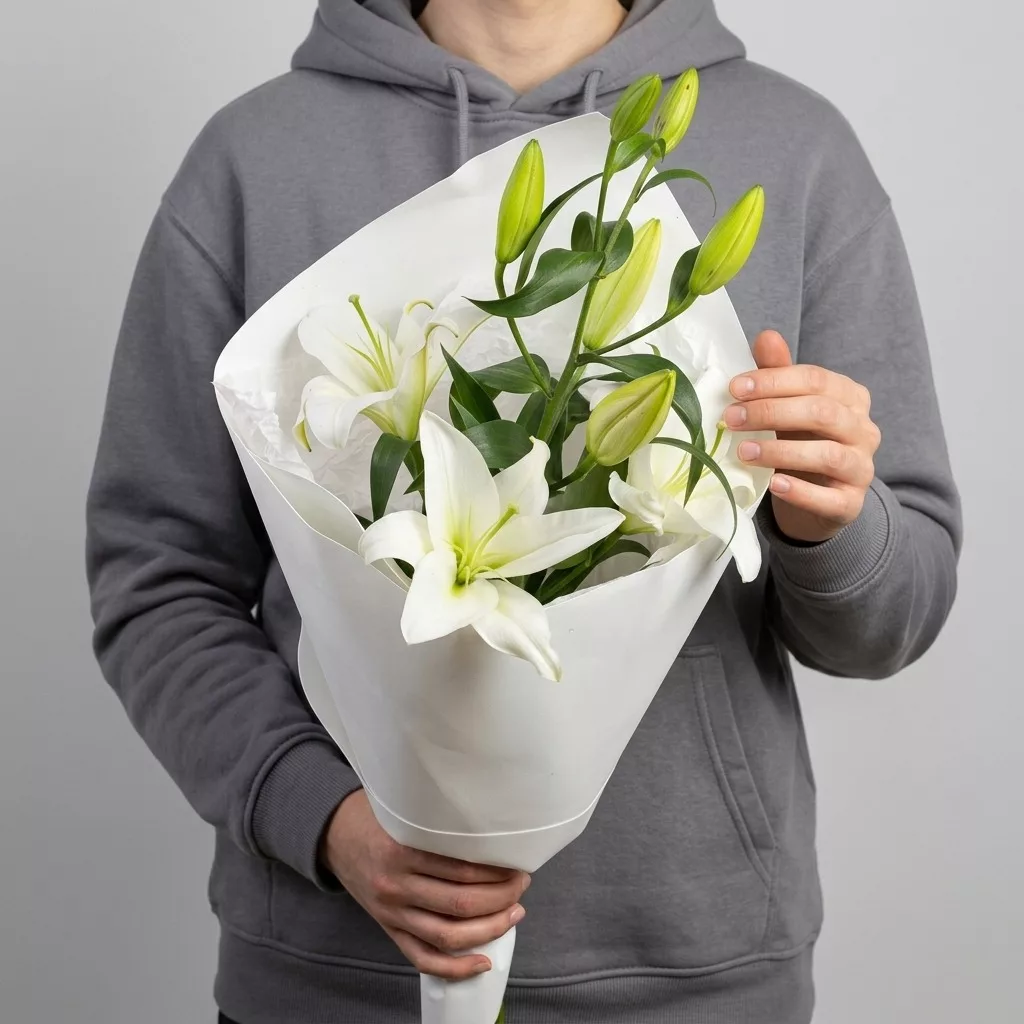
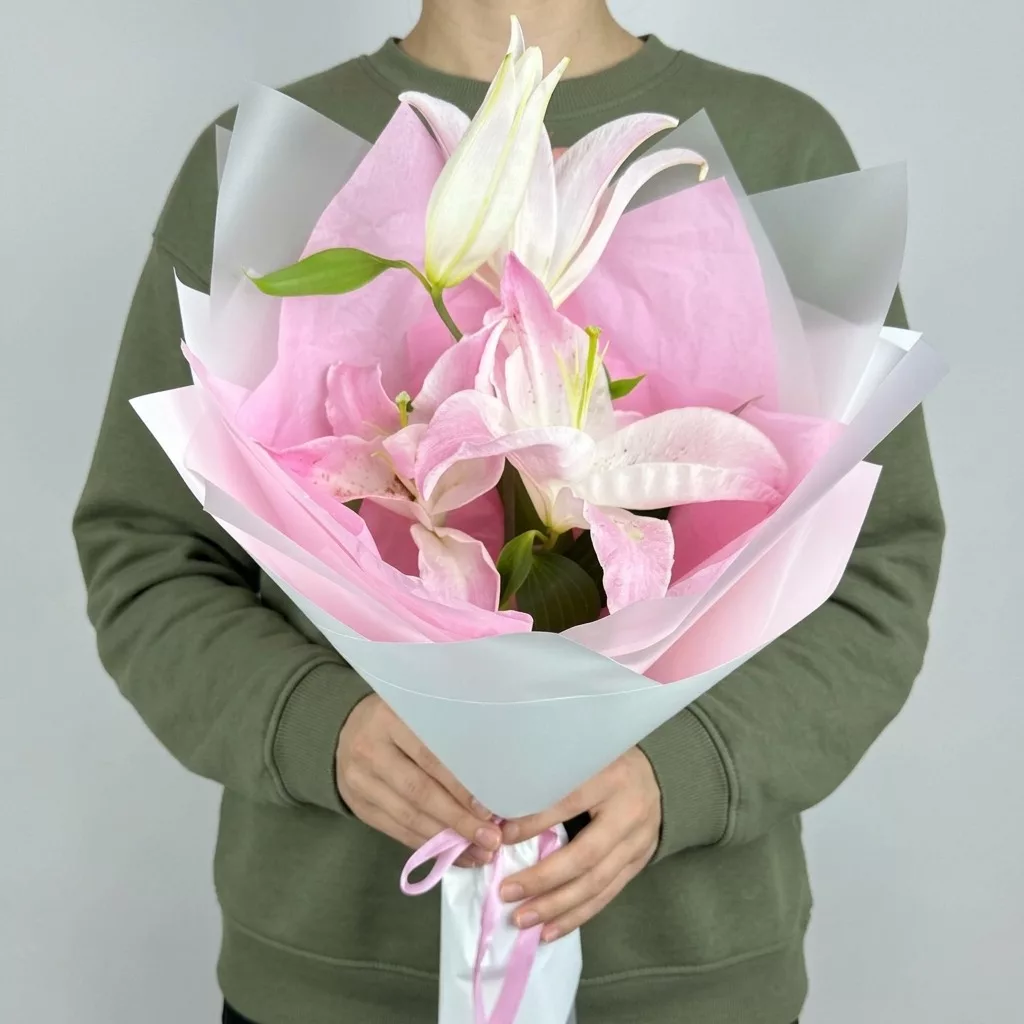
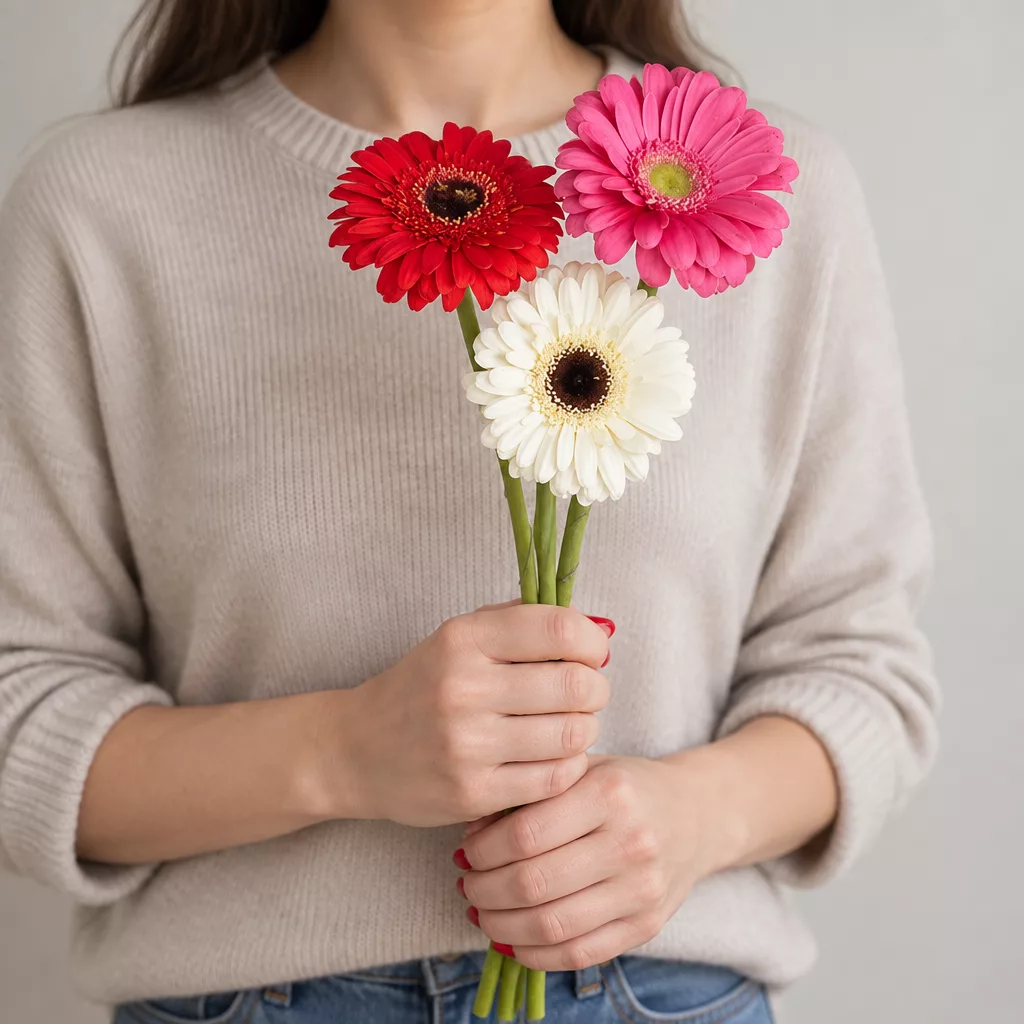
Bouquets we can deliver

What Ranunculus Actually Look Like — and Why That Matters for Gifting
If you have never seen a ranunculus in person, the first thing that strikes you is the layering. Each bloom is built from dozens of thin, crepe-paper petals arranged in concentric rings. The effect is somewhere between a garden rose and a peony, but lighter — almost weightless in appearance. Closed buds look like tight, smooth spheres. As they open over two or three days, they unfurl into full, ruffled blooms that can reach six to eight centimetres across. The colour range is exceptional. Ranunculus come in white, cream, pale yellow, coral, salmon, deep red, burgundy, lilac, and bi-colour combinations where petals shade from one tone to another at the edges. The variety Elegance, for example, produces particularly clean pastel tones with a silky finish. Cloni is a popular Italian series known for large, densely petalled blooms in sophisticated dusty shades. These visual qualities make ranunculus especially well suited to gifting. They read as romantic without being predictable, elegant without being stiff. A single variety arranged in a loose bunch already looks considered and intentional. Mixed with anemones, sweet peas, or muscari, they create something that feels genuinely seasonal — not like a flower that could have been bought any Tuesday in any month. For the recipient, opening a box and finding ranunculus signals that someone made a specific, thoughtful choice. That matters, especially in Russia, where flowers carry real social weight as gifts.
The Occasions That Call for Ranunculus
In Russia, flowers are given far more freely than in many Western countries. Birthdays, anniversaries, school events, professional milestones, and simply visiting someone's home — all of these are flower occasions. Ranunculus fit several of these moments particularly well, and understanding why helps you choose confidently. For birthdays in spring, ranunculus offer something that roses cannot: a sense of the season. They feel current, almost urgent in their beauty, which makes them a more personal choice than a flower available year-round. For women who appreciate design, fashion, or interiors — who notice texture and proportion — ranunculus tend to land especially well. For 8 March, International Women's Day, which is the single biggest flower holiday in Russia, ranunculus are among the most sought-after stems precisely because they look luxurious without being obvious. Roses dominate 8 March in Russia, so arriving with ranunculus already signals a different kind of attention. They work beautifully as a teacher's gift, which is a strong tradition around this date. For new home celebrations, new job announcements, and spring birthdays generally, ranunculus in coral, blush, or white create a light, optimistic feeling that suits the moment. They are not a heavy flower. They do not carry the formality of lilies or the romantic pressure of red roses. They simply feel generous and well-chosen, which is exactly what a good gift should feel like.
Choosing the Right Bunch: Combinations and Presentation
Ranunculus are generous collaborators. They combine well with a wide range of other spring flowers, and the combination you choose shifts the mood of the whole arrangement significantly. Pairing ranunculus with anemones — another cool-season flower available at the same time — creates a wild, garden-gathered feeling. The dark centres of anemones contrast beautifully with the layered petals of ranunculus in cream or blush. Adding a few stems of muscari, those small grape hyacinths in deep violet-blue, gives the bunch depth and a slightly meadow-like quality. For a more structured, romantic look, ranunculus work well alongside garden roses or spray roses, with eucalyptus or pittosporum providing a soft green frame. This combination suits anniversaries and birthdays for people who love classic floristry. For something lighter and more modern, try ranunculus with sweet peas and a few stems of scabiosa. The result is airy and layered, with movement in every direction. When it comes to presentation, ranunculus benefit from being shown rather than hidden. A loose, open wrapping in kraft paper or a soft cotton ribbon allows the blooms to be seen. Tight cellophane packaging obscures the petals and traps heat, which shortens vase life. If you are sending ranunculus as a gift, a flat box or an open bouquet wrap gives the recipient the best first impression — and the flowers the best chance of arriving looking exactly as they should.
Price, Quality, and What You Are Actually Paying For
Ranunculus cost more than most seasonal flowers, and that surprises some buyers. A bunch that seems modest in size can carry a noticeably higher price than a similar volume of tulips or carnations. The reasons are straightforward once you understand the supply chain. Ranunculus are fragile in transit. They bruise easily, they are sensitive to temperature fluctuations, and they have a short post-harvest life compared to roses or chrysanthemums. Growers know this, and the price reflects the care required to bring them to market in good condition. Import costs, refrigerated logistics, and the relatively short harvest window all contribute. When you pay a premium for ranunculus, you are paying for careful handling across a long journey, and for the fact that the flower will not be available next month. Quality indicators to look for: stems should be firm, not slimy at the base. Buds should be closed or just beginning to open — a fully open ranunculus in the shop has already lost two or three days of vase life. Petals should be intact with no browning at the edges. The stems should feel hydrated, not limp. A florist who sources ranunculus well will be able to tell you when the batch arrived and where it came from. That transparency is itself a quality signal. Buying ranunculus from a florist who knows their stock is always worth the extra consideration, because the difference between a well-handled stem and a poorly handled one is visible within twenty-four hours.
Keeping Ranunculus Fresh: Vase Life and Common Mistakes
Ranunculus are not difficult flowers to care for, but they do have specific needs that differ from more robust stems. Getting these right can add three or four days to vase life, which matters when you have paid a premium. The first step is water temperature. Ranunculus prefer cool water — not ice cold, but noticeably cooler than room temperature. Warm water accelerates opening and shortens the time the blooms hold their shape. In a warm apartment, which is the norm in Russian cities where central heating runs at full power through April, this becomes especially important. Keep the vase away from radiators and direct sunlight. Trim the stems at an angle with a clean, sharp knife — not scissors, which can crush the stem tissue — removing about two centimetres. Do this every two days when you change the water. Remove any leaves that fall below the waterline immediately; they decompose quickly and cloud the water, introducing bacteria that block water uptake. Ranunculus do not need flower food in the way that roses do, but a clean vase matters enormously. Rinse it with hot water before use. A common mistake is overcrowding. Ranunculus need air circulation around their blooms. Packed tightly into a narrow vase, they trap moisture between petals and develop grey mould, particularly in the centre of the bloom. A wider vase with fewer stems per arrangement actually extends their life. With good care, ranunculus will give you seven to ten days of beauty — longer than many people expect from a flower that looks this delicate.
Ranunculus arrive in Russia for a few weeks each spring, and they leave just as quietly as they came. That brevity is part of what makes them feel significant as a gift — they are not available on demand, and the person who sends them has made a choice that required both timing and intention. Whether you are marking a birthday, celebrating 8 March, or simply sending something to someone you want to impress, ranunculus offer a combination of visual beauty, seasonal rarity, and emotional warmth that very few flowers can match. Order them when you see them available. That window does not stay open long.
Frequently asked questions
When exactly can I order ranunculus in Russia?
The reliable window is late February through mid-April, depending on import schedules and how quickly stock sells. Around major holidays like 8 March, they can disappear within a day of arriving. If you have a specific date in mind, it is worth ordering a few days early rather than waiting until the last moment.
How long will ranunculus last in a vase at home?
With proper care — cool water, a clean vase, stems trimmed every two days, and a spot away from heat — ranunculus typically last seven to ten days. The key risk in Russian apartments is central heating, which runs warm well into spring. Keeping the vase in a cooler part of the room makes a real difference to how long the blooms hold.
Are ranunculus a good choice for 8 March gifts in Russia?
They are an excellent choice precisely because they stand apart from the roses that dominate the holiday. Ranunculus feel luxurious and considered without being predictable. They suit teachers, mothers, colleagues, and partners equally well, and their spring palette — blush, coral, cream, lilac — fits the mood of the occasion naturally.
Why do ranunculus cost more than tulips or carnations?
Ranunculus are delicate in transit, sensitive to temperature, and have a short harvest window. They are imported from the Netherlands, Italy, and France under refrigerated conditions, and the handling required to bring them to market in good shape adds to the cost. The price also reflects genuine scarcity — they are simply not available for most of the year.
Can ranunculus be delivered in cold weather without damage?
Yes, provided they are wrapped and packaged correctly for low temperatures. Professional florists use insulated packaging and limit exposure time during transit. In Saint Petersburg's spring weather, which can still drop below zero in March, this protection matters. Turboflora delivers within one to two hours, which keeps transit time short and minimises cold exposure.
Ready to send flowers?
Pick the city, choose the bouquet, and a local florist takes it from there.
Choose a city →