Never Miss a Staff Birthday: Recurring Flower Deliveries for HR Teams
Someone on your team turns thirty, and the bouquet is sitting on your desk because you forgot to schedule the courier. Someone else has a birthday on a public holiday and gets nothing at all. These are not disasters, but they are the kind of small moments that quietly tell people whether the company actually notices them. Handing a birthday list to a florist who handles the rest — choosing the flowers, packing them individually, delivering on the right day — removes the entire problem from your calendar for twelve months at a time.
What the Person Receiving the Bouquet Actually Feels
A birthday delivery that arrives at someone's desk or home address feels personal in a way that a group card never quite does. The bouquet is addressed to them, chosen for them, and it arrives on the morning of their day. That specificity matters. It signals that someone — the company, HR, a manager — held this date in mind and acted on it.
In Russia it is common to celebrate birthdays at work with small gatherings, and flowers are the standard gesture from a team or employer. Arriving without flowers when everyone else expects them is noticeable. Arriving with a beautiful, fresh arrangement sets the tone for the whole day.
The emotional weight of a bouquet is also about presentation. A loosely wrapped bunch handed over in a plastic sleeve reads as an afterthought. A properly composed arrangement — stems cut at an angle, foliage trimmed, wrapped in kraft paper or fabric with a ribbon — reads as intentional. That difference in presentation is entirely about preparation, and preparation is exactly what a recurring schedule provides.
Bouquets we can deliver

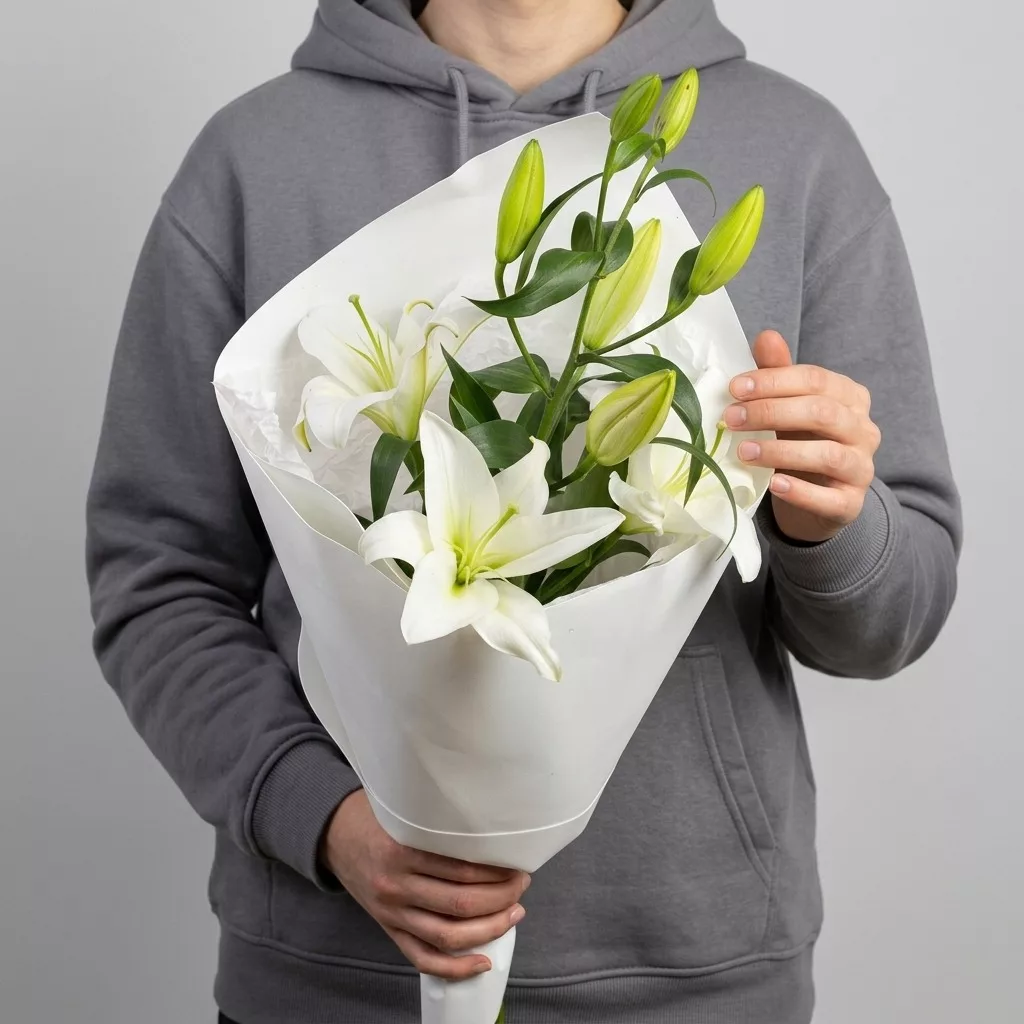
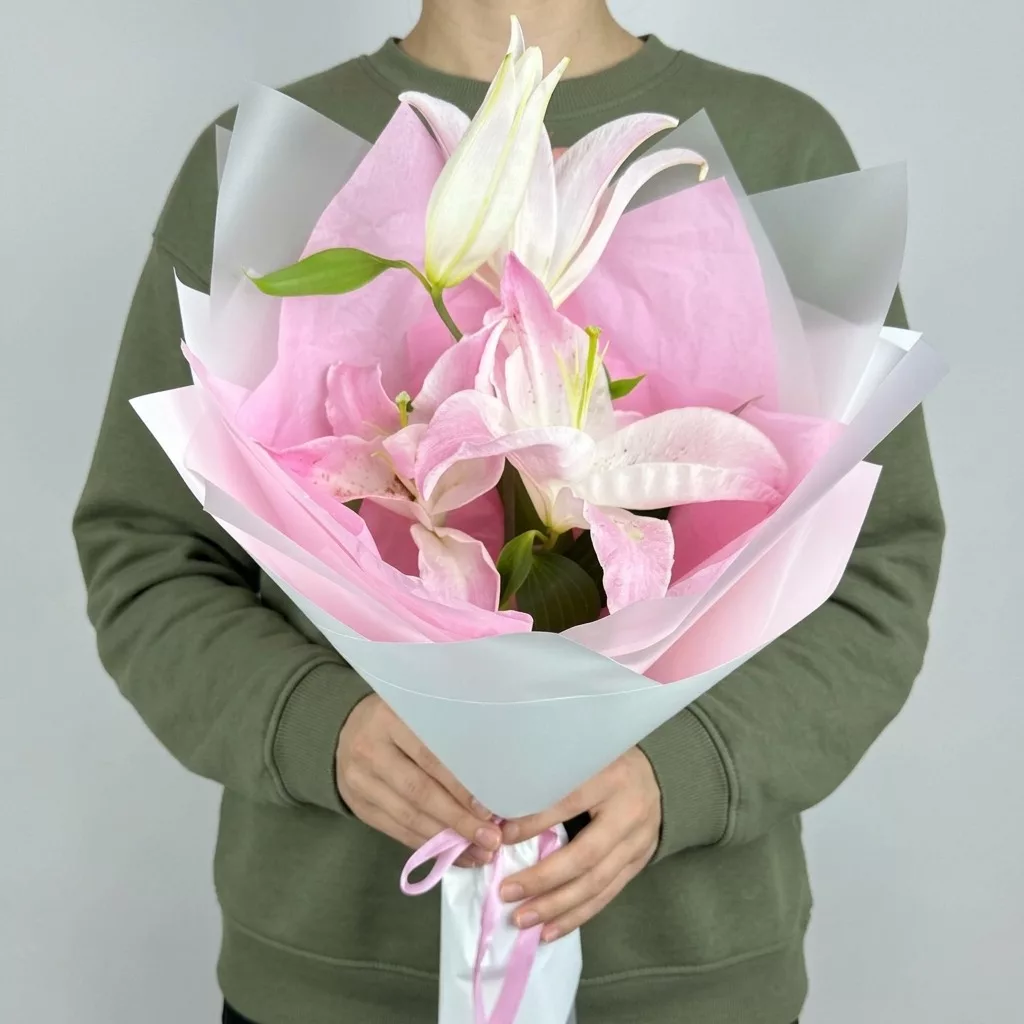

How to Hand Over Your Staff Birthday List Without the Usual Back-and-Forth
The simplest way to start is with a spreadsheet: full name, delivery address, date of birth, and any notes you already have — allergies, colour preferences, whether the person works from home or in the office. You do not need to know every preference. A good florist will fill the gaps with seasonal choices that work broadly and well.
Turboflora receives this list, maps each birthday to a calendar date, and schedules each delivery independently. You approve the plan once. After that, you receive a notification before each delivery rather than a request to start the process again from scratch.
The most common mistake HR teams make is submitting the list in February and assuming January birthdays are covered retroactively. They are not. Start the process at least two weeks before the first birthday on the list. For large teams — say, thirty or more people — a month of lead time is more comfortable, because some dates cluster around the same week and each bouquet still needs to be composed and delivered individually.
Also confirm delivery windows when you submit the list. Office deliveries work best between nine and noon, before most people leave for lunch. Home deliveries for remote staff need a confirmed address and ideally a phone number so the courier can reach the recipient.
Choosing Bouquet Styles That Work Across Different Personalities
A team of twenty people will include someone who loves dramatic, saturated colour and someone who prefers soft, almost monochrome arrangements. Ordering one standard bouquet for everyone solves the logistics but misses the point. The better approach is to define two or three styles and rotate them, or to note preferences where you already know them and use a default for everyone else.
A classic default that reads as professional and warm without being generic is a mixed seasonal arrangement built around a focal flower — spray roses, lisianthus, or alstroemeria — with complementary foliage like eucalyptus or ruscus. These combinations hold well in office temperatures, which tend to be dry and warm, and they photograph nicely for the social post a colleague will inevitably take.
For someone you know prefers something bolder, garden-style bouquets with ranunculus, anemones in season, or sunflowers make a clear statement. For someone with a more restrained taste, a monochromatic arrangement — all whites and creams, or all blush and dusty rose — feels considered rather than generic.
Avoid heavily scented flowers like tuberose or hyacinth for office deliveries. Shared spaces with poor ventilation can make a strong fragrance overwhelming, and some colleagues are sensitive to it. This is a practical detail that matters more in a Russian office winter, when windows stay closed and heating runs high.
Budget Options: From a Single Stem Arrangement to a Full Seasonal Bouquet
Recurring corporate deliveries work across a range of budgets, and the right choice depends less on what you can spend and more on what the gesture is meant to communicate. A modest but well-composed bouquet of five to seven stems in a single colour family says something clear and warm. A larger, mixed arrangement with premium focal flowers says something more emphatic. Both are legitimate choices; the key is consistency across the team.
At a modest budget, seasonal spray roses paired with waxflower or statice make a compact, long-lasting arrangement. Spray roses are particularly good for office use because they open slowly over several days, giving the recipient a bouquet that looks different — and keeps improving — from Monday to Friday.
At a mid-range budget, you can add a dominant focal flower: a garden rose, a stem of lisianthus, or in autumn, a few stems of chrysanthemum in a sophisticated variety like Anastasia or Zembla. These add height and visual weight without tipping into extravagance.
For senior staff or milestone birthdays — a fortieth, a fiftieth — a larger arrangement with peonies in spring or David Austin roses year-round communicates a different level of recognition. These are not everyday flowers, and their presence in the bouquet signals that the occasion was treated differently. That distinction is worth making deliberately rather than by accident.
Timing the Delivery: Morning, Afternoon, and the Holiday Problem
Birthday bouquets land best in the morning. The person arrives, the flowers are there, and the day starts well. An afternoon delivery can feel like an afterthought even when it was not, simply because the moment of arrival has passed. If you are scheduling office deliveries, request a morning window — nine to noon — and confirm it when you submit the list.
Home deliveries for remote employees require more coordination. The recipient needs to be home, or someone needs to be there to receive the bouquet. A courier arriving at an empty apartment leaves the flowers in a warm hallway for hours, which is damaging in summer and merely wasteful in winter. For remote staff, consider asking the person's manager to quietly confirm they will be home, or schedule the delivery for a Saturday morning when people are more likely to be in.
The holiday problem is real and specific to Russia. Public holidays here include New Year from the first to the eighth of January, and several other dates throughout the year when offices are closed. A birthday that falls on a closed day needs to be delivered either the working day before or the working day after — and HR should decide this policy in advance rather than case by case. Delivering the day before is usually warmer: the person receives the flowers before the holiday rather than after it has passed.
Flower Care Instructions to Include With Each Delivery
A fresh bouquet that wilts in two days because the recipient did not know what to do with it is a wasted gesture. Including a small care card with each delivery is not fussy — it is practical, and it extends the life of the flowers significantly.
The basics are simple: cut one to two centimetres from the stems at a forty-five degree angle before placing them in a clean vase, change the water every two days, and keep the bouquet away from direct sunlight and from fruit bowls. Ripening fruit releases ethylene gas, which accelerates wilting in cut flowers. This is one of the most common reasons office bouquets deteriorate faster than expected, because fruit is often kept on the same desk or nearby shelf.
Office environments are particularly hard on flowers. Central heating keeps rooms at twenty to twenty-two degrees Celsius, sometimes higher, and the air is dry. Flowers last longer in cooler, more humid conditions. Encouraging the recipient to move the vase away from the heating unit and to mist the petals lightly in the morning extends vase life noticeably.
For specific varieties: lisianthus and alstroemeria are among the longest-lasting cut flowers and regularly give ten to fourteen days in a clean vase. Spray roses give seven to ten days. Standard roses with large heads are more sensitive and need fresh water and cool conditions to reach their potential. Knowing what is in the bouquet helps the recipient care for it correctly.
Making the Recurring System Work Better Over Time
A birthday delivery programme improves with feedback. After the first round of the calendar year, ask managers or the recipients themselves which bouquets they loved and which felt less personal. This does not require a formal survey — a few notes in your original spreadsheet are enough. Over time, you build a picture of the team's preferences that makes each year's deliveries more accurate than the last.
Update the list when people join or leave. This sounds obvious, but recurring programmes have a way of running quietly in the background, and it is easy to miss a new hire's birthday in their first year or to send a bouquet to someone who left the company three months ago. A quarterly check of the list against your HR records takes ten minutes and prevents both outcomes.
Consider noting milestone birthdays separately. A thirtieth or fiftieth is not the same as a twenty-eighth, and treating it differently — a larger arrangement, a more premium variety, a handwritten note from the director — reflects well on the company without requiring a separate system. Flag these dates when you submit the list and discuss the upgrade in advance.
Finally, think about the delivery address policy for hybrid teams. Some people prefer to receive flowers at the office where colleagues can see them; others prefer home delivery. A one-time preference question when someone joins saves you from guessing every year and gives the recipient a small but genuine sense of being consulted.
A team birthday programme run through a single recurring schedule is one of the quieter, more consistent ways a company shows its people that their individual days matter. The flowers themselves do the talking — a well-chosen, freshly delivered bouquet on the morning of someone's birthday is a concrete, visible act of recognition. Once the list is submitted and the calendar is set, the system runs without demanding your attention, which means you can focus on the people rather than the logistics.
Frequently asked questions
How far in advance does the birthday list need to be submitted?
For most teams, two weeks before the first scheduled birthday is enough. For larger groups of thirty or more people, a month of lead time is more comfortable, particularly if several birthdays fall in the same week. Submitting early also gives time to confirm delivery addresses for remote employees and agree on a default bouquet style for the whole team.
What happens if a birthday falls on a Russian public holiday?
We recommend deciding your policy in advance: deliver the working day before the holiday, or the working day after. Delivering before is usually the warmer choice, because the person receives the flowers while the occasion still feels current. Note your preference on the list and we will apply it consistently across all affected dates throughout the year.
Can different employees receive different bouquet styles?
Yes. You can note individual preferences — colour, flower type, size — in the spreadsheet alongside each name. Where you have no information, we apply a default style agreed with you at the start. Over time, as feedback comes in from the first year, the preferences column fills in naturally and each subsequent year becomes more personalised.
How long do the delivered bouquets typically last?
With basic care — fresh water every two days, stems cut at an angle, kept away from heat and fruit — most arrangements last seven to ten days. Varieties like lisianthus and alstroemeria regularly reach twelve to fourteen days. We include care instructions with each delivery so recipients know exactly what to do from the moment the bouquet arrives.
Is it possible to add a personalised message card to each bouquet?
Yes, and we recommend it. A card addressed to the individual by name, even with a short standard message from the company, makes the bouquet feel genuinely personal rather than automated. You can provide a template message for the whole team and a different version for milestone birthdays, and we print and attach the correct card to each delivery.
Ready to send flowers?
Pick the city, choose the bouquet, and a local florist takes it from there.
Choose a city →